Every year, millions of free-roaming and abandoned canines navigate harsh environments, enduring chronic malnutrition, severe dermatological neglect, and pervasive trauma. A recent rescue operation documenting the recovery of an severely neglected street dog has drawn widespread attention to the systemic challenges facing homeless companion animals and the profound capacity for emotional recovery within the species.
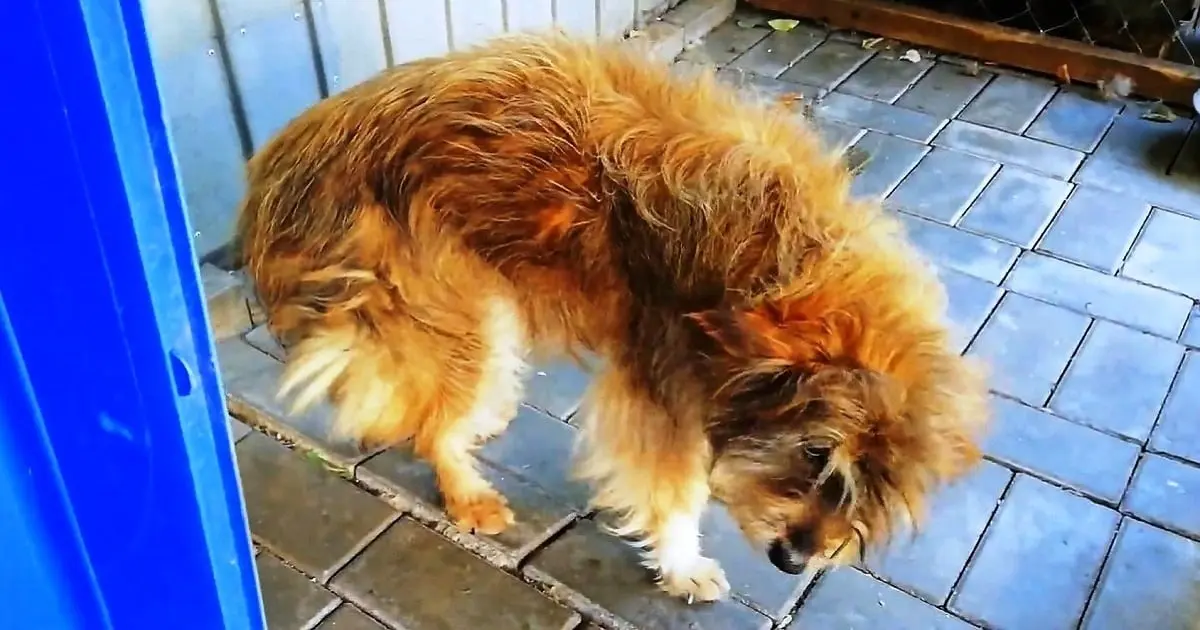
The subject of the rescue—a stray dog accustomed to living in filth and actively avoiding human contact due to past mistreatment—was brought to safety after acute hunger forced him out of concealment. What began as a standard field intervention evolved into a compelling case study in canine behavioral transformation. Upon receiving his first therapeutic bath and grooming session, the dog exhibited a dramatic release of stress, seeking physical solace in his rescuer’s arms while displaying vocal and visual signs of emotional catharsis.
This report examines the chronological sequence of the rescue, the physiological and psychological mechanics of stray canine rehabilitation, the broader metrics defining modern animal welfare initiatives, and expert insights on the human-animal bond.
Life on the Margins: Survival and Avoidance Strategies
Prior to intervention, the canine survived in an urban micro-environment characterized by hazardous debris and scarce resources. Like many long-term strays, the dog developed acute hypervigilance. Years of negative human encounters had conditioned the animal to view people as primary apex threats, reinforcing a lifestyle of complete social isolation.
Animal behaviorists categorize this state as "fear-based avoidance." The dog’s daily routine was dictated entirely by threat minimization: remaining concealed during daylight hours, foraging in unsanitary conditions under cover of darkness, and fleeing at the slightest human approach.
The Turning Point: A Desperate Search for Sustenance
The equilibrium of the animal’s survival strategy shifted when prolonged lack of food compromised his physiological resilience. Driven by severe hunger, the dog was forced to breach his established perimeter and venture into public view during broad daylight.
It was during this period of vulnerability that a local animal welfare advocate spotted the distressed animal. Observers noted that the dog was visibly malnourished, covered in deeply matted, soil-encrusted fur, and displaying clear signs of physical exhaustion.
The initial phase of the rescue required extreme patience and calibrated non-threatening posture. Recognizing the animal’s elevated cortisol levels and flight risk, the rescuer utilized low-arousal techniques:
Spatial Reduction: Gradually minimizing the distance without making direct eye contact, which can be interpreted by traumatized canines as an aggressive display.
Nutritional Incentivization: Offering high-value, aromatic food to counter-condition the dog’s fear response.
Passive Enticement: Allowing the dog to approach autonomously, thereby instilling a sense of agency and safety.
Although initially terrified, the dog’s metabolic need ultimately outweighed his instinctual fear. Recognizing the rescuer’s gentle demeanor and persistent offer of food, the dog surrendered his defenses and permitted close physical contact.
Therapeutic Bathing and Emotional Catharsis
Following secure transport to a rehabilitation facility, the animal underwent a comprehensive hygiene protocol. For a canine accustomed to severe neglect, a bath is not merely a cosmetic procedure; it is a profound sensory experience that can initially induce anxiety before bringing immense physical relief.
       +-----------------------------------------------------+
       |         PHYSIOLOGICAL IMPACT OF HYGIENE             |
       +-----------------------------------------------------+
       | 1. Removal of Parasitic & Soil Load                 |
       | 2. Reduction of Dermatological Inflammation         |
       | 3. Restoration of Thermal Regulation                |
       | 4. Touch-Induced Oxytocin & Endorphin Release       |
       +-----------------------------------------------------+
As warm water dissolved months of compacted grime and parasites, an extraordinary behavioral shift occurred. The dog began to show signs of intense emotional release—softening his facial expressions, emitting soft whines, and leaning his wet body directly into the rescuer’s chest.
This behavior, characterized by search for tactile contact during vulnerability, indicates a rapid shift from autonomic sympathetic activation (fight-or-flight) to parasympathetic regulation (rest-and-digest).
De-Matting, Grooming, and Physical Restoration
The final stage of the immediate intervention involved removing dense, matted fur that had restricted the dog’s mobility and trapped moisture against his skin, causing localized dermatological inflammation.
Over several hours of painstaking grooming, the rescuer systematically removed the damaged coat, revealing the underlying structure of a healthy, compliant animal. By the end of the session, the dog’s physical presentation was completely altered, mirroring his internal psychological transition from a guarded, defensive stray to a trustful, affectionate companion.
Supporting Context & Metrics
The narrative of this individual rescue reflects a much larger, systemic challenge in global companion animal management. Stray dog populations face severe welfare threats including endemic disease, vehicle trauma, starvation, and intentional abuse.
Quantitative Metrics in Animal Rescue Infrastructure
Modern non-profit networks and community-driven rescue operations rely on multi-faceted strategies to address these challenges. Key performance indicators across large-scale welfare initiatives highlight the scope of resources required to maintain effective rescue pipelines:
Nutritional Distribution: Large-scale animal relief organizations have facilitated the distribution of over 50 million meals to shelters and field rescue operations worldwide, stabilizing populations prior to intake.
Relocation & Air Transport: To combat overcrowding in high-risk municipal shelters, dedicated flight logistics have successfully transported more than 1,201 at-risk animals directly to receiving facilities with high adoption rates.
Support for Vulnerable Populations: Targeted funding initiatives—such as providing over $66,782 to support pets belonging to survivors of domestic violence—ensure that human social safety nets extend to companion animals, preventing unnecessary surrenders.
Service Animal Integration: Specialized rescue pipelines have directed upwards of $1.8 million toward pairing rescued dogs with military veterans, transforming rehabilitated strays into certified service animals for post-traumatic stress recovery.
The Physiology of Canine Neglect and Recovery
When a stray dog experiences chronic neglect, the physiological toll extends beyond visible weight loss. Compacted coat mats pull constantly at the dermis, causing micro-tears, localized necrosis, and secondary bacterial infections. Furthermore, the perpetual elevation of stress hormones such as cortisol suppresses immune function and alters cognitive processing.
Therapeutic bathing and grooming act as a physiological reset. The removal of mechanical tension from matted hair immediately relieves physical pain, while warm water and safe touch promote the release of oxytocin—a hormone critical for social bonding and stress mitigation in social mammals.
Official Statements & Expert Insights
Veterinary Behaviorists on Canine Emotional Expression
Veterinary behavior experts emphasize that the vocalizations and physical collapse observed in rescued strays during grooming should be understood through the lens of psychological release.
"When an animal has spent months or years in a state of chronic sympathetic nervous system activation, safe physical touch combined with the sudden removal of physical discomfort can lead to a complete collapse of defense mechanisms," notes Dr. Elizabeth Vance, a specialist in veterinary behavioral medicine. "What looks like ‘crying’ or emotional weeping in a dog is often a profound physiological sigh—a transition from extreme hyper-vigilance to a state of surrendered safety."
Shelter Operations on the Role of Grooming in Rehabilitation
Shelter directors point out that physical restoration is often the single most important step in preparing a traumatized stray for successful home placement.
"Grooming is not an aesthetic luxury in animal rescue; it is a critical medical and psychological intervention," states Marcus Holloway, Director of Field Operations for an international animal rescue coalition. "A dirty, matted dog feels trapped inside its own skin. Once you strip away that physical weight, you almost instantly see their true personality emerge. It is the bridge between survival mode and adoptability."
For the dog featured in this case, the emotional breakthrough during his bath marked the start of a structured rehabilitation trajectory:
Comprehensive Medical Evaluation: Testing for vector-borne diseases, parasites, and internal organ function following extended malnutrition.
Behavioral De-sensitization: Gradual exposure to home environments, household noises, and positive social interactions with unfamiliar humans and balanced canines.
Foster Placement: Transition from a clinical rescue environment into a temporary home setting to establish predictable routines and reinforce security.
Permanent Placement: Matching the fully rehabilitated dog with an adoptive family capable of maintaining a low-stress, supportive environment.
Systemic Solutions and Public Engagement
The success of individual rescues highlights the importance of supporting broad, community-wide animal welfare initiatives. Experts agree that resolving the stray animal crisis requires a balanced strategy combining immediate rescue efforts with long-term preventative measures:
High-Volume Spay/Neuter Programs: Preventing stray population growth at the source through accessible surgical clinics.
Community Education: Promoting responsible pet ownership, early behavioral intervention, and recognizing signs of neglect within neighborhoods.
Support for Rescue Infrastructure: Funding essential logistics including emergency transport, veterinary care funds, and nutritional support networks.
Through the combination of patient field rescue, targeted medical intervention, and sustained public support, dogs once deemed untouchable can safely transition from lives of fear to cherished family companions.