
Executive Overview
For decades, the standard for suburban and urban landscaping has been a monolithic, emerald-green expanse of high-maintenance turfgrass. However, as shifting climate patterns, water scarcity, and ecological awareness reshape property management, homeowners are increasingly asking a fundamental question: Where do I even start if I want to replace part of my lawn?
According to regional landscape experts and conservationists in the Cedar Hill and greater North Texas areas, the answer begins with a paradigm shift in how we conceptualize our yards. Instead of treating property as a single, uniform canvas that demands relentless watering, chemical intervention, and mowing, forward-thinking property owners are dividing their yards into micro-climate zones. By tailoring plant selections to the specific moisture retention, soil composition, and sunlight exposure of different areas, landowners are discovering a more resilient, low-maintenance, and ecologically vibrant path forward.
This seasonal shift is prominently anchored by two powerhouse native groundcovers dominating the North Texas landscape: Frogfruit (Phyla nodiflora) for intense, sun-drenched environments, and Horseherb (Calyptocarpus vialis) for shaded canopies and beneath stubborn tree lines. Supported by initiatives like the Dogwood Canyon Audubon Center’s bi-annual native plant sales, this movement is transforming sterile suburban lawns into dynamic, layered habitats that support local pollinators, conserve precious water resources, and reduce municipal runoff.
Detailed Chronology: The Evolution of the North Texas Lawn Alternative
To understand the current surge in native groundcover adoption, it is helpful to examine how regional landscaping practices have evolved over the past decade.
Phase 1: The Monoculture Crisis (Early 2010s)
Historically, the dominant trend across North Texas housing developments involved importing traditional turf varieties—such as St. Augustine and Bermuda grass—that demanded heavy irrigation and artificial fertilizers to survive the scorching regional summers. As prolonged droughts intensified water restrictions imposed by municipalities, homeowners watched helplessly as their uniform lawns withered, turning brown and requiring expensive, constant upkeep to maintain appearances.
Phase 2: The Rise of Xeriscaping and Hardscaping (Mid-to-Late 2010s)
In response to recurring water crises, landscape designers initially pushed toward xeriscaping, which heavily featured rock gardens, mulch beds, and architectural succulents. While effective at reducing water usage, many homeowners felt these designs lacked the softness, biodiversity, and ecosystem functionality of traditional green spaces. The rigidity of rock-and-cactus landscapes left many desiring a living, breathing green carpet that could withstand foot traffic without the drawbacks of conventional turf.
Phase 3: The Ecological Zone Shift (2020–Present)
Landscape professionals and conservation organizations began advocating for a zoned approach. Rather than forcing a single turf species across a diverse yard, urban ecologists encouraged residents to map their properties based on sunlight and shadow. This realization paved the way for indigenous groundcovers that naturally thrive in specific Texas conditions. Today, seasonal sales—such as those hosted by the Dogwood Canyon Audubon Center—have become critical hubs where everyday gardeners can access these specialized native species, marking a permanent transition from forced monocultures to adaptive native landscapes.
Supporting Context & Metrics: The Science of Zoned Landscaping
Transitioning away from a traditional lawn is not merely an aesthetic choice; it is an evidence-based environmental strategy rooted in regional ecology.
Understanding Yard Micro-Climates
A typical residential yard is rarely uniform. Sunlight changes drastically from the south-facing front yard to the shaded northern perimeter under mature oak trees. Soil moisture retention similarly varies based on slope, compaction, and organic matter. By breaking a yard down into distinct zones, property owners can optimize plant survival rates.
-
Zone 1: Full Sun (The High-Stress Environment)
- Characteristics: Intense UV exposure, high evaporation rates, poor soil moisture retention during summer months.
- Traditional Turf Challenge: Requires daily irrigation systems to avoid dormancy or death.
- Native Solution: Frogfruit (Phyla nodiflora var. incisa). As the top-performing groundcover for open, sunny locations in North Texas, Frogfruit forms a dense, low-growing mat that tolerates foot traffic, outcompetes many invasive weeds, and naturally thrives under punishing thermal conditions where traditional turf fails.
- Layering Companions: To create a multi-dimensional aesthetic, horticulturists recommend pairing Frogfruit with deep-rooted structural perennials like the Purple Coneflower (Echinacea purpurea), known for its long-lasting seasonal blooms and vital pollinator support, and the Four-Nerve Daisy (Tetraneuris scaposa), which handles extreme heat and dry spells while offering vibrant yellow color.
-
Zone 2: Part Shade to Full Shade (The Canopy Understory)
- Characteristics: Filtered sunlight, root competition from mature shade trees, damp or dry soil pockets where turfgrass refuses to establish a thick root system.
- Traditional Turf Challenge: Thinning grass, muddy patches, and excessive moss growth.
- Native Solution: Horseherb (Calyptocarpus vialis). Rather than competing with Frogfruit, Horseherb takes over precisely where the sun fades. It acts as a natural shade-tolerant groundcover that fills in awkward, bare patches under tree canopies.
- Layering Companions: Shaded landscape zones benefit greatly from ecological layering. Integrating Pigeonberry (Rivina humilis) introduces delicate white-to-pink flowers followed by translucent red berries that provide crucial food and low-level cover for local wildlife. Additionally, incorporating native sedges—such as Webberville Sedge (Carex perdentata)—establishes architectural structure and supports ground-level micro-habitats.
Ecological Impact Metrics
Adopting native groundcover zones yields measurable environmental benefits:
- Water Conservation: Native groundcovers typically require up to 60% less supplemental irrigation once established compared to traditional non-native turf varieties.
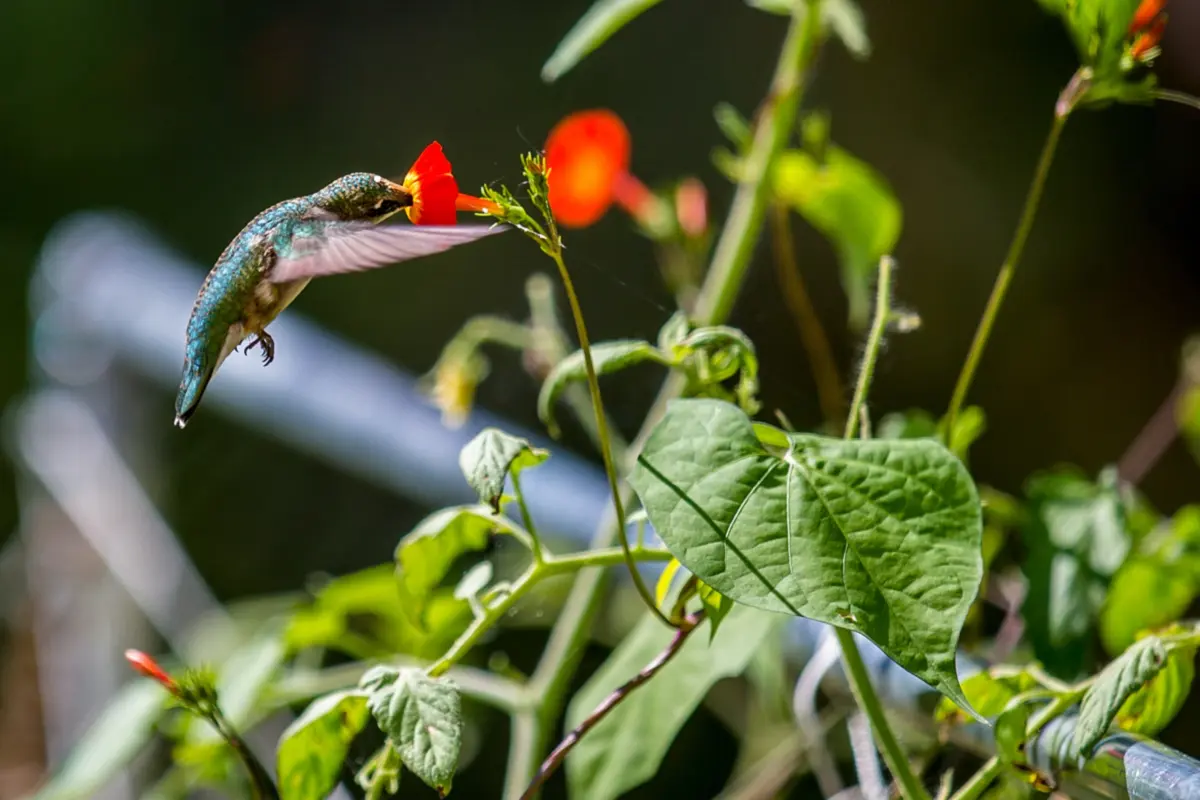
- Pollinator Recovery: Plantings featuring Frogfruit, Coneflower, and Pigeonberry attract a significantly higher diversity of native bees, butterflies, and insectivorous birds.
- Runoff Mitigation: Dense root systems of native sedges and groundcovers improve soil porosity, reducing stormwater runoff and filtering pollutants before they reach local watersheds.
Official Perspectives and Conservation Insights
Horticultural experts, conservationists, and community leaders emphasize that transitioning to a native landscape is fundamentally about working with nature rather than fighting against it.
"When you stop trying to force a single, homogenous solution across your entire yard, the dynamic completely changes," notes a regional native plant advocate. "You end up with a landscape that feels inherently more natural, infinitely more resilient, and deeply connected to the surrounding North Texas ecosystem. Plants like Frogfruit and Horseherb don’t compete with each other—they cooperate to solve different landscape challenges."
Conservation organizations like the Dogwood Canyon Audubon Center play a pivotal role in educating the public. Through their bi-annual native plant sales, environmental educators bridge the gap between ecological theory and practical residential application.
"Our mission goes beyond just selling plants; we are helping homeowners re-establish native habitats right outside their back doors," explains a center representative. "When visitors come to pick up their groundcovers, sedges, and perennials, they aren’t just gardening—they are actively contributing to regional biodiversity by supporting migrating birds, native pollinators, and wildlife populations that rely on these specific indigenous species for survival."
Future Outlook: The Next Generation of Sustainable Yards
As municipal water districts across Texas face increasing strain from population growth and climate unpredictability, the traditional suburban lawn faces an uncertain future. Regulatory pressures, rising water utility costs, and a growing cultural appreciation for environmental stewardship are rapidly accelerating the shift toward sustainable, native-plant landscaping.
Trends Shaping Tomorrow’s Yards:
- Mainstream Municipal Incentives: More Texas cities are exploring rebate programs and ordinances that reward homeowners for replacing high-water turfgrasses with drought-tolerant native groundcovers and xeriscapes.
- Neighborhood Aesthetic Acceptance: The cultural stigma of the "messy native yard" is fading. As master-planned communities and suburban HOAs update their architectural guidelines to embrace sustainable landscaping, neat plantings of Frogfruit and Horseherb are becoming symbols of modern environmental responsibility.
- Educational Integration: Centers like Dogwood Canyon Audubon Center are expanding their community outreach, offering hands-on workshops, guided nature hikes, and educational programs that teach residents how to design, install, and maintain functional native micro-ecosystems.
Taking the First Step
For homeowners ready to begin their journey, the path forward is straightforward. Evaluate the sun and shade zones of your property, discard the notion that a yard must be a uniform sheet of grass, and embrace the complementary strengths of native species like Frogfruit and Horseherb.
To explore current plant availability, browse the inventory at the online shop hosted by the Dogwood Canyon Audubon Center, or plan an in-person visit. While picking up your seasonal groundcovers, spend an afternoon exploring their educational exhibits, attending monthly community events, and hiking the scenic nature trails to witness firsthand how a thriving, native ecosystem functions.