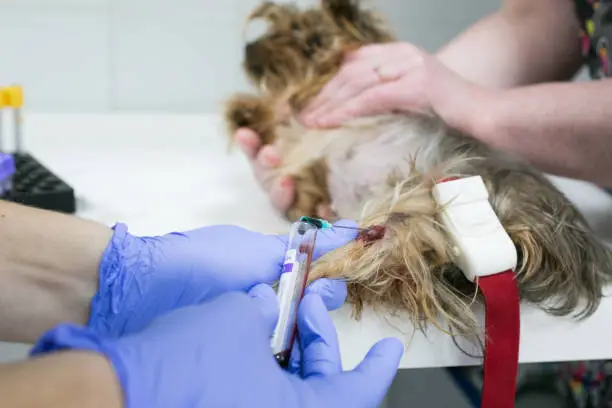

Executive Overview
When a beloved companion animal begins acting outside their normal baseline—perhaps displaying subtle lethargy, a decreased appetite, altered water consumption patterns, or an uncharacteristically withdrawn demeanor—pet owners invariably experience a complex emotional cocktail of anxiety and hope. Modern veterinary medicine has advanced exponentially, offering an array of sophisticated diagnostic modalities to uncover the root causes of canine and feline malaise. Among the most fundamental yet powerful tools in a veterinarian’s diagnostic arsenal is routine and targeted laboratory diagnostics: pet blood work.
Despite its proven clinical efficacy, veterinary blood work is frequently met with hesitation. For many pet owners navigating the already high costs of veterinary care—especially those facing acute crises or considering intensive interventions such as overnight care in Sumter—additional diagnostic expenses can feel overwhelming. However, a physical examination alone only reveals what can be seen, felt, heard, or auscultated on the surface. Blood chemistry panels, complete blood counts (CBCs), and specialized metabolic screenings pierce through this diagnostic veil, offering clinicians a profound, microscopic view of an animal’s physiological status.
Far from being a mere upselling tactic or an unnecessary financial burden, veterinary blood work is a cornerstone of proactive, evidence-based medicine. It allows veterinary healthcare teams to detect insidious diseases in their earliest, most manageable stages, formulate precise treatment protocols, and evaluate physiological safety prior to administering anesthesia or pharmaceutical interventions. Ultimately, when a companion animal lacks the biological vocabulary to articulate their discomfort, blood work serves as their most reliable advocate, translating invisible internal distress into actionable clinical data.
Detailed Chronology: The Evolution of Veterinary Diagnostics
To fully appreciate the impact of contemporary veterinary hematology and clinical pathology, it is essential to understand how diagnostic testing has evolved from rudimentary observation to sophisticated laboratory science.
Mid-20th Century: The Era of Symptomatic Observation
For decades, veterinary medicine was heavily reliant on macroscopic physical examinations, auscultation, basic parasitology, and rudimentary radiography. While these methods successfully identified overt trauma, advanced infections, and palpable abnormalities, subclinical systemic disorders—such as early-stage renal failure, subtle endocrinopathies, and compensated metabolic shifts—frequently went entirely undetected. Treatment plans were routinely formulated based on empirical observation ("wait and watch") rather than concrete biomarker data, leading to higher morbidity rates and delayed interventions.
Late 20th Century: The Introduction of In-House Chemistries
The landscape of animal healthcare shifted dramatically with the commercialization and clinical adoption of automated blood analyzers in veterinary hospitals. Suddenly, running a Complete Blood Count (CBC) or a basic serum chemistry profile transitioned from a time-consuming, specialized university laboratory procedure to a rapid, accessible in-house capability. Veterinarians could now assess organ function—evaluating liver enzymes, blood urea nitrogen (BUN), creatinine, and electrolytes—within minutes of a patient crossing the threshold of a clinic. This technological leap fundamentally altered surgical protocols, drastically reducing anesthesia-related mortality by identifying hidden hepatic or renal compromises prior to operations.
The 21st Century: Precision Medicine and Advanced Diagnostics
Today, veterinary clinical pathology stands shoulder-to-shoulder with human diagnostic standards. Modern veterinary hospitals utilize multi-parameter hematology analyzers, sophisticated endocrinology assays (such as total T4 and free T4 for thyroid regulation), specialized infectious disease panels, and advanced coagulation profiles. Furthermore, the integration of digital diagnostic networks allows primary care clinicians to consult with board-certified veterinary clinical pathologists in real time, ensuring that even the most complex or ambiguous lab values are interpreted with maximum precision. Diagnostic medicine has shifted from a reactive measure deployed during end-stage disease to a preventative paradigm centered around wellness tracking and longitudinal health baselines.
Supporting Context & Metrics: Unmasking Hidden Pathology
Animals, particularly domestic cats and dogs, are evolutionary masters at masking pain, vulnerability, and illness. In the wild, displaying weakness invites predation; consequently, our domesticated companions retain an instinctual drive to appear robust even when their internal organs are failing. By the time an owner consciously registers a behavioral shift, a pathological process may have been compounding within the animal’s body for days, weeks, or even months.
What Blood Panels Reveal Beyond the Physical Exam
When a veterinarian recommends a blood panel, they are typically casting a wide diagnostic net divided into distinct, complementary categories:
- Complete Blood Count (CBC): This evaluation measures the concentration, morphology, and distribution of red blood cells (erythrocytes), white blood cells (leukocytes), and platelets (thrombocytes). A CBC provides critical insight into the presence of systemic inflammation, acute or chronic infections, stress responses, immune-mediated disorders, anemia subtypes, and primary clotting insufficiencies.
- Serum Chemistry Panel: This chemical assay assesses internal organ functionality and systemic homeostasis. Key markers include liver enzymes (such as ALT, ALP, and AST) to gauge hepatic stress; kidney parameters (BUN and creatinine) to evaluate renal filtration efficiency; electrolytes (sodium, potassium, chloride) to monitor hydration and acid-base balance; and total protein, albumin, and blood glucose to track nutritional status and metabolic regulation.
- Endocrinological and Specialized Assays: Depending on the clinical presentation—such as unexplained weight loss, polyuria (excessive urination), or dermatological changes—clinicians may order specific panels targeting thyroid hormone levels, adrenal function (cortisol testing for Cushing’s or Addison’s disease), or specialized cardiac biomarkers.
The Financial and Clinical Dilemma: Proactive vs. Reactive Care
Navigating veterinary expenses requires careful household budgeting, but framing diagnostics purely as an expense rather than an investment can lead to cascading financial and emotional costs.
| Diagnostic Strategy | Clinical Advantages | Potential Clinical & Financial Risks |
|---|---|---|
| Comprehensive Blood Work (Early/Proactive) | • Detects pathology before clinical decompensation. • Establishes safe anesthesia baselines. • Directs targeted, precise pharmacological interventions. • Establishes longitudinal health baselines for aging pets. |
• Upfront diagnostic expense. • Temporary, mild discomfort during venipuncture. |
| "Wait and Watch" Approach | • Avoids immediate testing costs if symptoms prove to be transient and benign. | • Allows progressive diseases (e.g., chronic kidney disease, diabetes) to advance unchecked. • Often results in emergency, high-acuity crisis care later. • Narrows therapeutic options and increases ultimate treatment costs. |
| Symptom-Based Empirical Treatment | • May provide temporary palliation for generalized symptoms in isolated cases. | • Risks prescribing inappropriate medications (e.g., NSAIDs to a dehydrated pet or one with subclinical renal impairment). • Leaves underlying, serious pathology undiagnosed and untreated. |
To assist owners in better understanding these complexities, academic institutions and veterinary organizations provide accessible educational frameworks. For instance, detailed overviews on clinical pathology panels—such as those published by the Cornell Animal Health Diagnostic Center testing guidelines—demonstrate how diagnostic panels are meticulously tailored to specific clinical histories and symptom complexes. Similarly, resources from academic centers like the Tufts Clinical Pathology Laboratory and general primers on understanding pet lab tests demystify how routine lab work translates raw data into life-saving clinical decisions.
Official Statements & Expert Perspectives
Veterinary medical associations and leading clinicians universally emphasize that diagnostic testing is not an optional luxury, but an essential pillar of high-quality animal care.
Dr. Elizabeth Harrison, a board-certified small animal internal medicine specialist, notes: "When an owner brings in a senior cat that is gradually losing weight, a physical exam might simply reveal mild muscle wasting and a healthy or slightly elevated heart rate. However, a comprehensive chemistry panel and total T4 test will frequently reveal hyperthyroidism or early-stage chronic kidney disease. Without that blood work, we are flying blind, treating symptoms with dietary changes or supplements that address neither the primary endocrinopathy nor the progressive organ degeneration."
Furthermore, veterinary hospital directors stress the absolute necessity of pre-anesthetic screening. Dr. Marcus Vance, director of a multi-disciplinary emergency and specialty center, highlights safety protocols: "We would never perform elective or emergency surgery on a human patient without checking baseline organ function and coagulation status. Our veterinary patients deserve that exact same standard of care. Knowing that a dog’s liver enzymes are elevated or that a cat’s platelet count is depressed changes our anesthetic drug protocol, fluid management, and monitoring intensity. It transforms a risky procedure into a calculated, safe intervention."
Veterinary social work programs also emphasize the emotional reassurance that diagnostics provide pet owners. Beyond confirming disease, negative test results are profoundly valuable. Ruling out severe metabolic conditions, organ failure, or infectious agents brings immense peace of mind, sparing owners from agonizing uncertainty and preventing the administration of unnecessary, costly, or potentially harmful treatments.
Future Outlook: The Horizon of Veterinary Diagnostics
As veterinary medicine continues to evolve at a rapid pace, the landscape of diagnostic testing is undergoing a transformative shift, driven by technological innovation and a deepening commitment to personalized pet care.
Point-of-Care Testing and Microfluidics
The future of veterinary blood work points heavily toward hyper-accelerated point-of-care (POC) diagnostics. Miniature microfluidic devices and handheld analyzers are currently being refined to deliver comprehensive blood chemistry profiles and cardiac biomarkers from a single drop of capillary blood within minutes. This capability is particularly revolutionary for emergency triage, critical care units, and ambulatory large-animal practices, where every second counts toward stabilizing a decompensated patient.
Artificial Intelligence and Predictive Analytics
The integration of Artificial Intelligence (AI) and machine learning algorithms into veterinary laboratory software is revolutionizing data interpretation. Future diagnostic platforms will not merely compare a patient’s lab values against static, generalized reference intervals; instead, they will analyze longitudinal health trends across a pet’s entire lifespan. By evaluating subtle, multi-year deviations within an individual animal’s historical data, AI algorithms will be capable of predicting organ decline months or even years before traditional reference ranges flag a value as "abnormal."
Genomic and Liquid Biopsies
Moving beyond standard hematology and biochemistry, the integration of advanced genomics into routine veterinary practice is on the horizon. Liquid biopsies—non-invasive blood tests designed to detect circulating tumor DNA (ctDNA)—are currently emerging in veterinary oncology. These assays hold the promise of screening for multiple forms of canine and feline cancer via a routine blood draw long before tumors become visible on diagnostic imaging or palpable during a physical examination.
Navigating the Present While Embracing the Future
For the modern pet owner, navigating the recommendation for veterinary blood work remains deeply personal. When confronted with these recommendations, owners are encouraged to engage in transparent, collaborative dialogue with their veterinary care teams by utilizing practical inquiries:
- “What specific clinical question is this diagnostic panel designed to answer for my pet today?”
- “How will these specific results directly alter our immediate treatment plan, surgical safety protocol, or monitoring strategy?”
- “Can you provide a plain-language breakdown of these lab values, distinguishing between mild physiological variations and urgent medical concerns?”
Ultimately, whether partnering with a community clinic or seeking advanced specialized intervention at a full-service animal hospital, embracing diagnostic testing bridges the communication gap between human and animal. When our companions cannot voice their internal suffering, blood work speaks eloquently on their behalf—turning uncertainty into clarity, and fear into proactive, compassionate care.