Living with a feline companion is often described as mastering a complex foreign language without the aid of a translation guide. From cats trailing their humans into the bathroom to sudden, high-speed nocturnal sprints across the hallway, felines constantly communicate through a rich tapestry of body language, behavioral habits, vocalizations, and scent-marking. Far from being random or erratic, even the strangest feline behaviors possess a logical, evolutionary explanation when viewed through a cat’s perspective.
Understanding these nuanced signals fundamentally transforms the human-animal bond. It allows pet parents to decode what their companions need, enjoy, and communicate without relying on verbal cues. Recent behavioral studies and veterinary insights emphasize that felines observe far more than they let on, rely heavily on structural predictability, express affection in unique and understated ways, and retain deeply ingrained predatory instincts despite generations of domestic living. This investigative feature explores the psychological and biological mechanics driving domestic cat behavior, offering a definitive roadmap to interpreting the subtle signals of the house cat (Felis catus).
Detailed Chronology: The Evolution and Expression of Feline Behavior
To understand modern feline behavior, animal behaviorists look backward through evolutionary history and forward into the day-to-day timeline of a domestic cat’s life. Unlike dogs, which were domesticated primarily as cooperative working partners and pack animals, cats underwent a more self-directed domestication process. They transitioned from solitary, desert-dwelling apex predators of small prey into household companions, retaining the neurological wiring of their wild ancestors.
The Daily Timeline of Observation and Routine
A cat’s day is dictated by micro-observations and strict temporal rhythms. Even when appearing entirely relaxed or asleep, felines remain hyper-aware of environmental changes.
Morning Assessment: Upon waking, cats systematically scan their territory for shifts in layout, scent, or routine. The introduction of a new piece of furniture, an unfamiliar visitor, or even a rearranged living room layout registers immediately as an environmental change that requires investigation.
The Importance of Predictability: Cats are creatures of temporal consistency. Studies show that felines track time through circadian cues and household patterns, recognizing precisely when breakfast is served, when their human returns from work, or when evening play sessions typically begin. This structural predictability creates a secure psychological foundation, explaining why cats become vocal or persistent when a schedule is disrupted.
Predatory Play Cycles: Even fully satiated indoor cats experience hormonal and instinctual surges that mirror the natural hunting cycle: stalk, chase, pounce, and capture. Play sessions that mimic erratic prey movements allow cats to safely discharge this pent-up biological energy.
Feline communication is multi-modal, utilizing visual postures, olfactory markers, and spatial dynamics. Analyzing the specific metrics of cat behavior reveals the depth of their cognitive processing.
+-------------------------------------------------------------------------+
                    THE FELINE COMMUNICATION SPECTRUM
+----------------------+--------------------------------------------------+
| Signal Type          | Behavioral Indicator & Meaning                   |
+----------------------+--------------------------------------------------+
| Tail Upright         | Friendly greeting, confidence, approachability.  |
| Tail Puffed/Swishing | High arousal, fear, agitation, or overstimulation|
| Cheek Rubbing        | Olfactory territory marking, trust signaling.    |
| Slow Blinking        | The "cat kiss," indicator of deep trust & safety.|
| Physical Proximity   | Social bonding without required touch/contact.   |
+----------------------+--------------------------------------------------+
1. The Tail as a Barometer of Intent
A cat’s tail is one of the most sensitive indicators of its internal emotional state. While a tail held vertically with a slight hook at the end signals a welcoming, friendly greeting, other positions carry starkly different meanings. A puffed-up tail indicates high fear or defensive arousal, whereas a rapidly thrashing or twitching tail typically signals agitation, deep concentration, or sensory overstimulation. Animal behavior experts stress that the tail must never be read in isolation; it must be evaluated alongside ear rotation, pupil dilation, whisker position, and overall body posture.
2. Affection Beyond the Canine Model
Human expectations of animal affection are often shaped by canine behavior—marked by enthusiastic greetings, demand for physical contact, and overt displays of devotion. Feline affection, by contrast, is frequently subtle and autonomous.
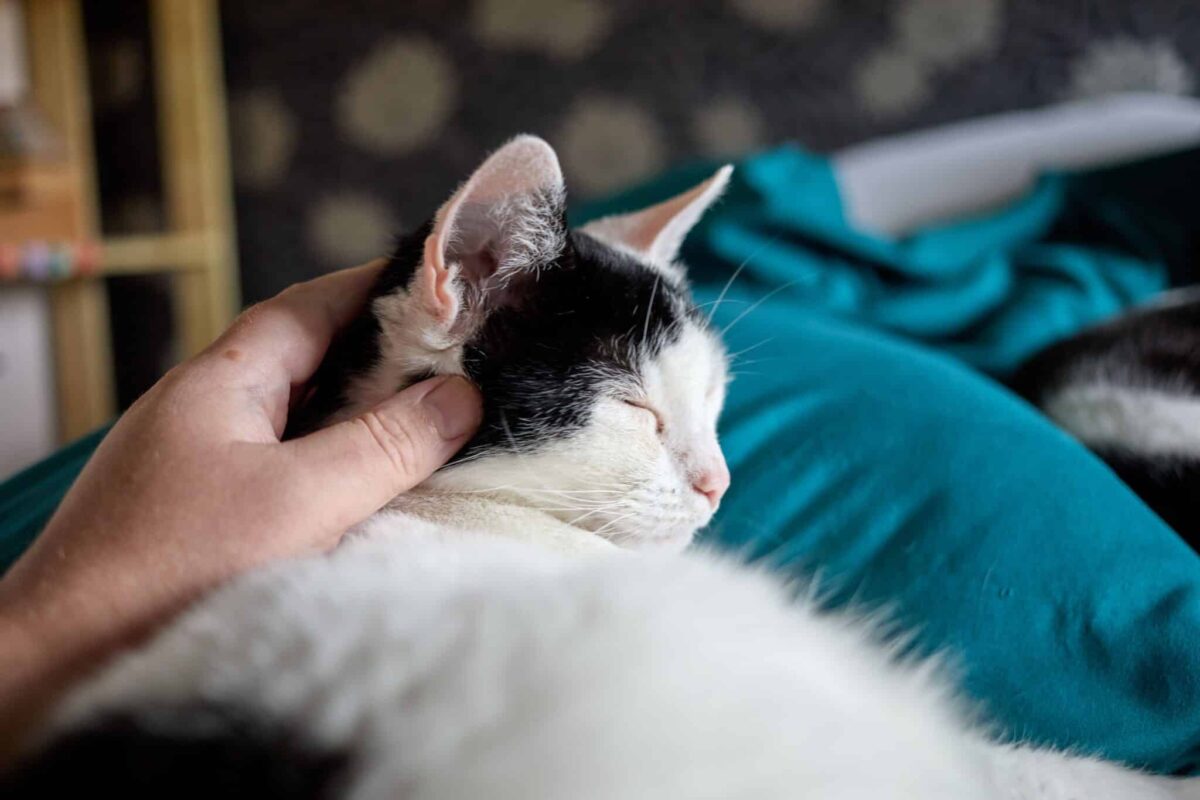
Proximity Over Laps: Many cats prefer sitting nearby, resting at the foot of the bed, or occupying an adjacent piece of furniture rather than sitting directly on a human’s lap. This allows them to enjoy social contact while maintaining control over their personal space.
Micro-Gestures: Slow blinking (often called a "cat kiss"), gentle head-bumping (anallgression or scent-marking), and following a human from room to room are profound indicators of social attachment. These quiet gestures reflect a deep sense of security and companionship.
3. The Biology of Scratching and Scent
Scratching is frequently misunderstood by owners as destructive behavior, but it is a fundamental biological necessity.
Physical and Chemical Maintenance: Scratching allows cats to condition their claws, stretch their flexor muscles, and deposit pheromones from specialized scent glands located between their paw pads.
Territorial Mapping: Cats experience their home primarily through scent. Cheek rubbing, scratching, and sniffing unfamiliar objects are methods of layering their scent onto the environment, converting an unpredictable space into a safe, known territory. When new furniture arrives, it disrupts their olfactory landscape, prompting intensive investigation and rubbing to re-establish environmental security.
Official Statements & Expert Perspectives
Leading feline veterinarians and animal behaviorists emphasize that decoding cat behavior is essential for preventing chronic stress and behavioral issues in domestic environments.
"When we label a cat’s behavior as ‘bad’ or ‘spiteful’—such as scratching a couch or racing around at 3 AM—we misdiagnose the root cause," explains Dr. Elena Vance, a board-certified veterinary behaviorist. "Cats do not act out of malice. They act out of instinct, survival wiring, and communication needs. When an owner learns to read the subtle language of tail movement, ear placement, and scent-marking, the entire dynamic of the household shifts from frustration to mutual understanding."
Furthermore, welfare organizations highlight the importance of environmental enrichment in mitigating indoor stress. According to feline welfare guidelines, providing vertical territory, predictable daily schedules, and interactive puzzle toys directly addresses the suppressed hunting and territorial instincts of indoor cats, significantly reducing anxiety-related behaviors.
Future Outlook: The Intersection of Technology and Feline Behavioral Science
As our understanding of animal cognition advances, the future of feline care is poised to shift dramatically through the integration of behavioral science and consumer technology.
Smart Monitoring Systems: Emerging pet tech utilizes AI-driven cameras and smart litter boxes to monitor subtle shifts in cat behavior, vocalization patterns, and elimination habits. These tools can detect early signs of stress or medical distress long before clinical symptoms become obvious to a human observer.
Personalized Enrichment Models: Future veterinary medicine will increasingly focus on individualized environmental enrichment plans tailored to a cat’s specific genetic predispositions, energy levels, and social preferences. By moving away from a one-size-fits-all approach to pet care, owners will be able to curate living spaces that honor the complex evolutionary heritage of their feline companions.
Ultimately, mastering the art of cat communication requires patience, observation, and respect for feline autonomy. By acknowledging that every unusual habit, midnight sprint, and quiet moment of companionship has a rational, instinctual foundation, cat lovers can cultivate deeper, more harmonious relationships with their feline friends for years to come.