
Executive Overview
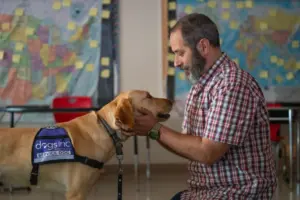
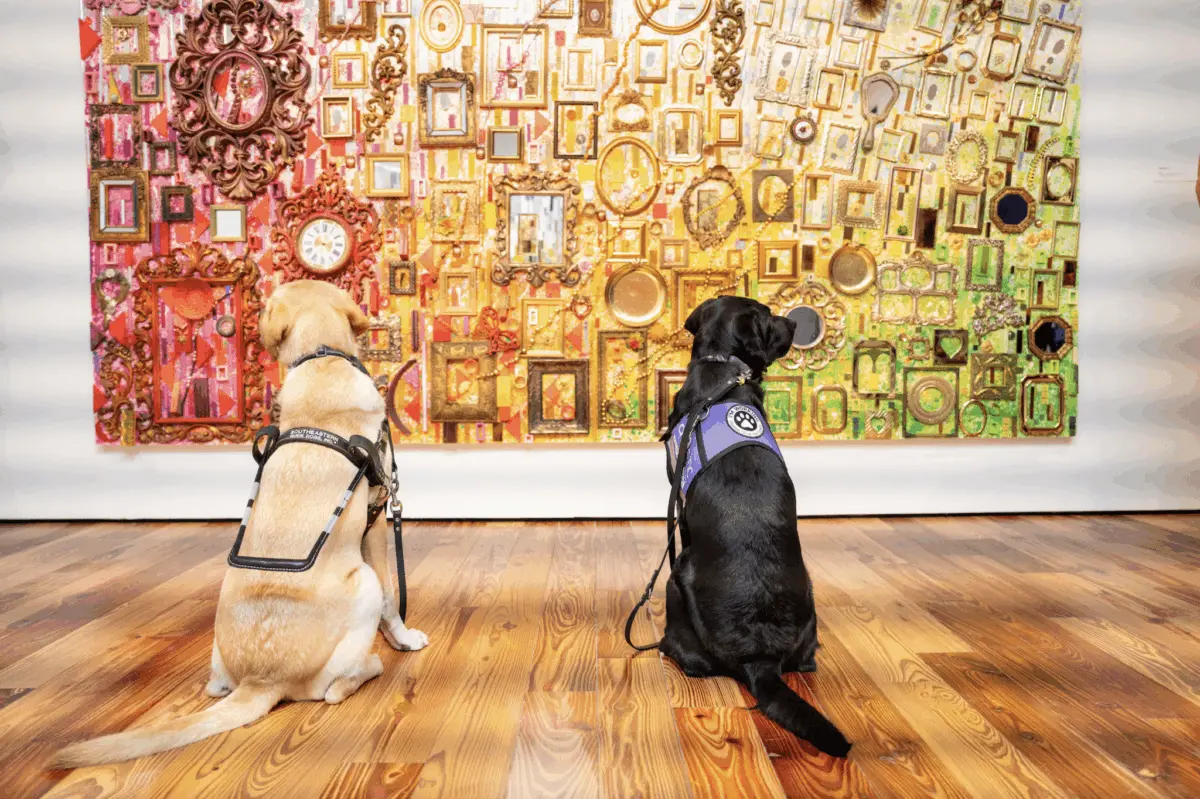
When the mind conjures the image of a guide dog leading a visually impaired individual through a bustling transit hub, or a service dog quietly anchoring a person with medical needs in a crowded restaurant, that silhouette almost universally belongs to a Labrador Retriever. This is far from accidental. For decades, the Labrador Retriever has served as the undisputed cornerstone of professional assistance dog organizations worldwide.
Organizations such as Dogs Inc evaluate every canine candidate as an individual, yet the breed as a whole continues to provide an unmatched biological and psychological foundation for success. Through a unique synthesis of high emotional stability, extraordinary trainability, robust physical adaptability, and an intrinsic, unshakeable desire to collaborate with humans, Labs have cemented their status as the preeminent working dog.
However, the journey from an exuberant, chewing puppy to a disciplined, life-changing assistance partner is rigorous, scientific, and deeply selective. This comprehensive report explores the anatomy of a working dog’s temperament, the historical and biological factors that make Labrador Retrievers uniquely suited for these roles, the multi-year developmental pipeline, and the rigorous health standards required to maintain elite performance in the field.

Detailed Chronology: From Puppyhood to Partnership
The trajectory of a successful Labrador Retriever service or guide dog is a carefully calibrated developmental timeline that begins long before formal public access training ever commences. Understanding how these dogs evolve requires examining the distinct milestones of their upbringing.
Phase 1: Early Neurological Stimulation and Foundations (Weeks 0–8)
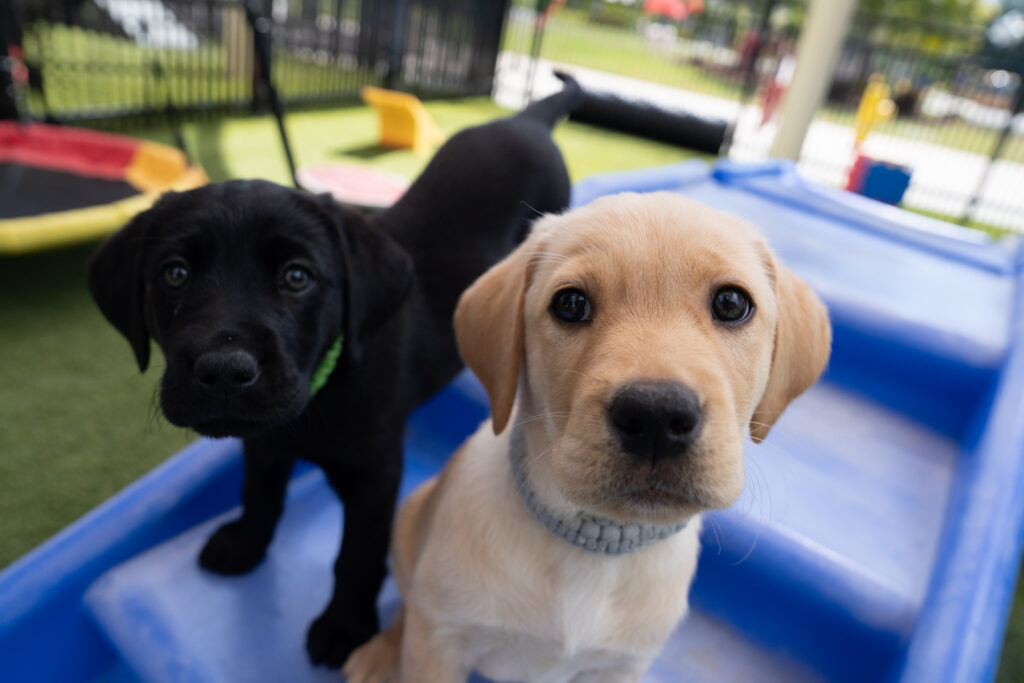
The foundation of a working dog is laid in the earliest weeks of life. Reputable breeding programs utilize early neurological stimulation and early scent introduction protocols. During this window, puppies are exposed to gentle tactile sensations, varied surfaces, and mild physical stressors designed to enhance cardiovascular performance, stress tolerance, and disease resistance. Breeders and puppy development coordinators closely monitor the litter, observing baseline confidence, curiosity, and recovery rates when introduced to novel stimuli.
Phase 2: The Puppy Raising Era and Socialization (Months 2–14)
Around eight weeks of age, selected Labrador puppies transition to volunteer "Puppy Parents" or foster homes. This period is arguably the most critical for shaping future behavior. Socialization is aggressive yet positive: puppies are systematically exposed to bustling grocery stores, elevators, public transit systems, children, diverse socioeconomic environments, and unpredictable urban noises.
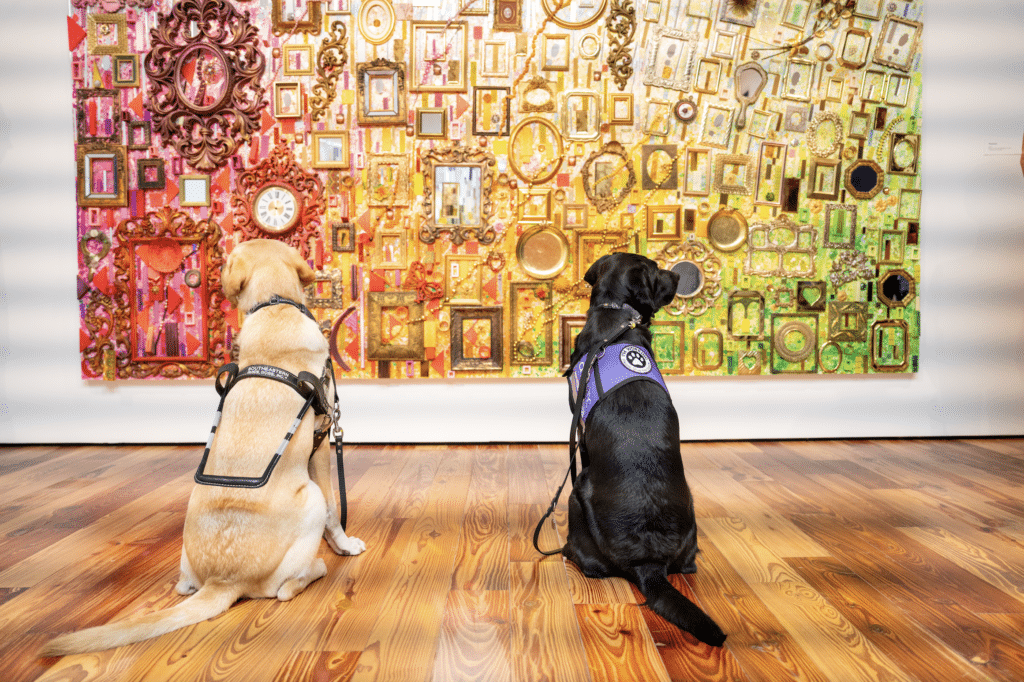
During these months, foundational household skills are established, including:
- Crate training and housebreaking.
- Impulse control around food and toys.
- Basic leash manners and foundational obedience cues.
- Positive exposure to unusual flooring, loud appliances, and varying weather conditions.
Phase 3: Advanced Professional Training (Months 14–24+)
Upon returning to institutional training facilities such as Dogs Inc, adolescent Labradors enter the hands of professional instructors. While many Labradors retain a joyful, puppy-like exuberance until roughly three years of age, their formal education shifts toward complex operational tasks.
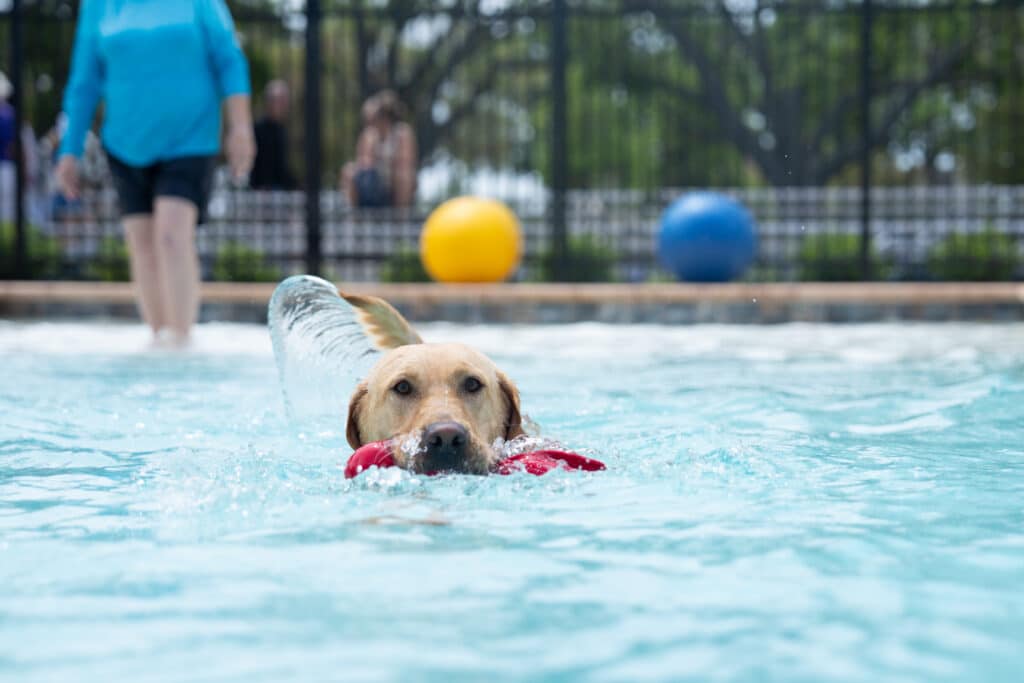
For future guide dogs, training involves learning "intelligent disobedience"—the ability to safely override a handler’s command if executing it would lead into danger (such as stepping into traffic despite a "forward" command). They master curb checks, obstacle avoidance, and precise line-straightening. For service dogs, training expands to mitigating specific physical or neurological disabilities, ranging from retrieving dropped items and pulling wheelchairs to providing deep-pressure therapy or alerting to medical episodes.
Phase 4: Matching and Team Training (Adulthood)
Once training is finalized, dogs undergo comprehensive evaluations to match their unique energy levels, pace, and working styles with the specific lifestyle of an applicant. The final leg of the chronology involves intensive, multi-week team training where the handler and dog learn to synchronize their movements, communication cues, and daily routines, solidifying a lifelong partnership.
Supporting Context & Metrics: Defining the Working Dog
What separates an ordinary family pet from an elite assistance dog? The answer lies in a precise constellation of behavioral traits, physical metrics, and environmental resilience parameters.
+-------------------------------------------------------------------------+
                    THE ASSISTANCE DOG SUCCESS MATRIX
+--------------------------+----------------------------------------------+
| Core Trait               | Operational Impact                           |
+--------------------------+----------------------------------------------+
| Emotional Stability      | Prevents panic in chaotic, loud environments |
| Cognitive Trainability   | Enables retention of complex, multi-step tasks|
| Quick Recovery Reflex    | Restores focus rapidly after startling events|
| Physical Versatility     | Adapts smoothly from desk jobs to air travel |
+--------------------------+----------------------------------------------+
The Anatomy of Temperament
Industry professionals refer to "service dog temperament" as a non-negotiable prerequisite. Unlike pet dogs who can retreat, bark, or display avoidance behaviors when startled, working dogs must maintain absolute composure.

- Environmental Resilience: When a construction vehicle suddenly backfires or a siren wails in a crowded downtown corridor, a working Lab must register the sound, assess the threat level, and immediately reset its focus to the handler.
- People-Oriented Drive: Labs possess a deep-seated enthusiasm for human interaction. This "eagerness to please" is not merely affectionate; it is operational. It motivates the dog to prioritize human cues over environmental distractions, such as wildlife, food dropped on the floor, or welcoming strangers.
Physical Metrics and Breed Standards
According to standard canine registries like the American Kennel Club (AKC), adult Labrador Retrievers typically stand between 21.5 and 24.5 inches tall at the shoulder and weigh within a healthy range of 55 to 80 pounds (with females generally on the lighter end and males on the heavier). This physical footprint is ideal:
- Large enough to provide structural bracing or physical guidance without being cumbersome.
- Compact enough to tuck comfortably under airline seats, bus benches, or office desks.
- Supported by a short, weather-resistant double coat that adapts well to diverse climates with minimal grooming overhead.
Official Statements and Institutional Insights
Organizations at the forefront of assistance dog breeding and training emphasize that genetics provide the blueprint, but rigorous evaluation dictates the outcome.
Representatives from leading institutions note that while breeds like Golden Retrievers, German Shepherds, and crossbreeds (such as Lab-Golden crosses) excel in various capacities, the Labrador Retriever consistently yields the highest statistical success rate across large-scale cohorts.
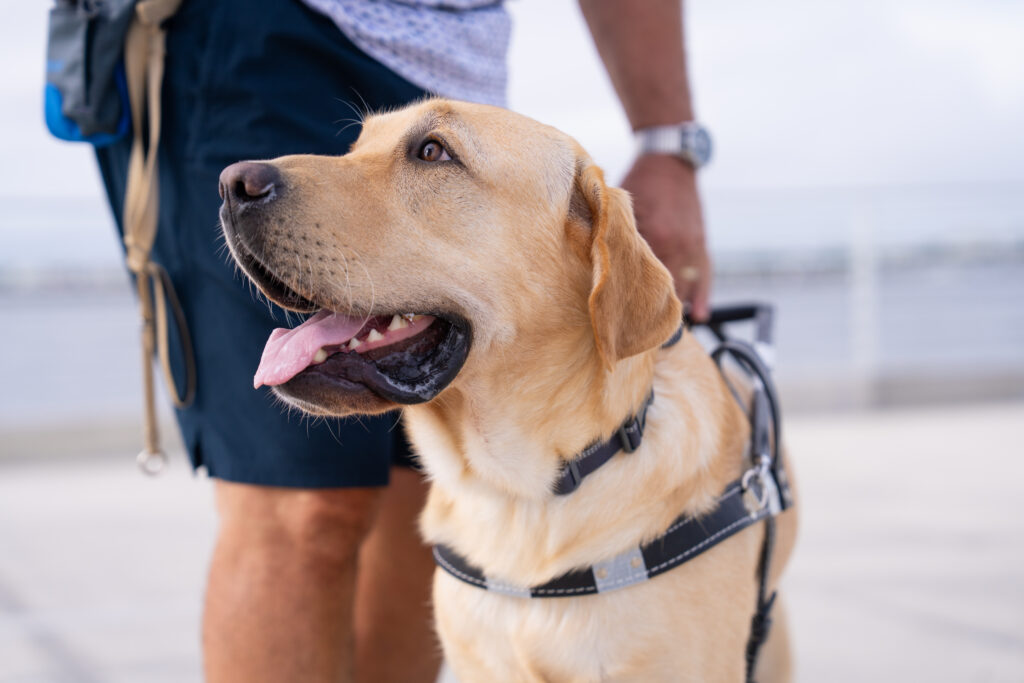
"Breeding for assistance work is both a science and an art," shares a senior canine development coordinator. "We are not just looking for a smart dog; we are looking for an emotional anchor. The Labrador Retriever offers a rare baseline equilibrium—courageous without being reactive, intelligent without being hyperactive, and deeply empathetic without showing separation anxiety. When these traits are preserved through careful lineage tracking, the result is a working partner capable of transforming a life."
Furthermore, industry data underscores that institutional transparency regarding health and behavioral screening is paramount. Organizations invest heavily in tracking multi-generational health outcomes to ensure that working dogs enjoy long, pain-free careers that typically span 8 to 10 active working years.
Future Outlook: The Evolution of Assistance Work
As society evolves, so too do the demands placed upon guide and service dogs. The future of assistance work points toward broader accessibility frameworks, increasingly sophisticated task requirements, and deeper integration into complex digital and urban environments.
Expanding Roles and Specialized Tasks
Beyond traditional guide work for the blind and mobility assistance for wheelchair users, Labrador Retrievers are increasingly deployed in emerging fields. These include PTSD support for veterans and first responders, facility-based therapy in judicial and medical settings, and complex medical alert tasks. Their stable nervous systems make them uniquely suited for environments requiring high emotional intelligence and hyper-vigilance mitigation.
Advances in Genetic Selection and Health Monitoring
Looking ahead, the integration of genomic testing and predictive analytics is revolutionizing how breeding colonies select stock. By mapping genetic markers associated with orthopedic resilience and cognitive endurance, programs can minimize the incidence of conditions such as hip and elbow dysplasia or progressive retinal atrophy before puppies are even conceived.
The Reality of Career Changes
Despite optimal breeding and early intervention, transparency remains vital within the industry: not every Labrador puppy makes the cut. Approximately 30% to 50% of dogs in professional pipelines experience career changes due to minor health sensitivities, subtle confidence deficits, or simply because their energy profiles are better suited for a relaxed pet home than the high-stress demands of public access work. Recognizing these individual nuances ensures the welfare of the animal remains paramount, matching every dog—whether working professional or beloved companion—with the environment where they will thrive.
Conclusion
The enduring dominance of the Labrador Retriever in guide and service dog programs is no coincidence of history. It is the result of a harmonious convergence of genetics, human-canine co-evolution, and relentless institutional dedication to quality control, training, and welfare. From their origins as hardworking maritime assistants to their modern roles as lifelines of independence, Labs continue to set the gold standard for what it means to be man’s best friend and working partner.
For those wishing to witness this remarkable journey firsthand, organizations like Dogs Inc invite the public to explore their campuses, observe advanced training methodologies, and trace the inspiring evolution of a puppy’s path from a playful newborn to an indispensable canine hero.