
Published Date: October 22, 2026
Source Feature: Alley Cat Allies® 2026 Fall Newsletter
Executive Overview
The landscape of animal advocacy in the United States is at a critical juncture. Across diverse geographies—from the tropical ecosystems of the Hawaiian archipelago to the bustling suburban neighborhoods of Atlantic County, New Jersey—the philosophy governing how society interacts with community cats is being vigorously contested. At the heart of this debate is Trap-Neuv-Return (TNR), a proven, humane, and systematic approach to managing outdoor cat populations.
As detailed in the Alley Cat Allies® 2026 Fall Newsletter, animal advocacy organizations are currently facing dual realities: defending hard-won progressive policies against regulatory overreach while celebrating monumental victories in shelter reform and population stabilization.
In Hawaiʻi, Alley Cat Allies has stepped onto the frontline to oppose restrictive administrative rules that threaten to prioritize lethal control over evidence-based management. Simultaneously, on the East Coast, a landmark collaborative initiative with the Humane Society of Atlantic County (HSAC) is nearing a staggering milestone of 7,000 cats and kittens helped. This achievement demonstrates the tangible, life-saving impact of comprehensive TNR and "Leave Them Be" philosophies.
This report examines these two major developments, offering an in-depth look at the policy battles, the statistical milestones, the voices of leadership, and the future outlook for community cat advocacy nationwide.
Detailed Chronology: Recent Developments in Cat Advocacy
The Hawaiʻi Administrative Rule Challenge (August 2026)
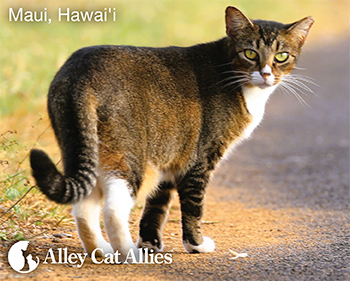
The tension between wildlife conservation and humane animal management reached a boiling point in August 2026, when Alley Cat Allies formally intervened in the legislative and regulatory arenas of Hawaiʻi.
For years, the organization has maintained an active presence on the islands, working tirelessly to champion TNR and educate local stakeholders on the importance of humane treatment. However, a series of proposed amendments to the Hawaiʻi Administrative Rules presented an immediate and severe threat to these efforts.
The proposed amendments sought to implement a sweeping ban on the feeding of "domestic animals"—a classification intentionally or unintentionally broad enough to encompass community cats—on lands managed by the Department of Land and Natural Resources (DLNR). Furthermore, the regulatory changes included provisions that would effectively bypass existing state laws and stretch agency authority past its legal limits. By favoring lethal control mechanisms over sterilization and maintenance, the amendments threatened to dismantle decades of progress made by local caregivers and advocacy groups.
Alley Cat Allies responded swiftly, submitting comprehensive testimony in strong opposition to the amendments. The organization argued that the rules were not only heavy-handed and counterproductive but also legally precarious.
The Atlantic County Milestone Journey (2024–2026)
While defenders of community cats fought off regressive policies in the Pacific, a shining example of progressive collaboration unfolded on the other side of the country.
The partnership between Alley Cat Allies and the Humane Society of Atlantic County (HSAC) has steadily progressed toward a historic milestone: helping nearly 7,000 cats and kittens through a targeted, high-volume TNR and community support initiative.

Rather than relying on outdated, catch-and-kill shelter models that historically overwhelmed local facilities, HSAC and Alley Cat Allies doubled down on community-level interventions. The initiative focused heavily on stabilizing outdoor colonies through systematic spay/neuter procedures, vaccinations, and ear-tipping.
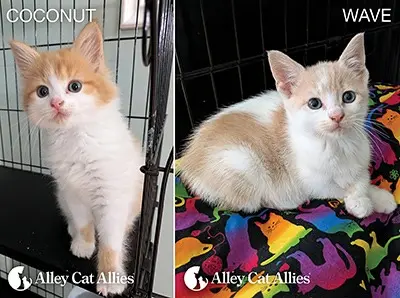
As the program matured throughout 2025 and into late 2026, the cumulative effects began to reshape Atlantic County’s animal welfare ecosystem. Shelter intake numbers plummeted, euthanasia rates dropped to unprecedented lows, and community caregivers found themselves empowered with resources, guidance, and institutional backing. The journey reached a symbolic high note with the rescue and adoption success stories of individual kittens, such as brothers Coconut and Wave, proving that humane management and adoption pipelines can coexist harmoniously.
Supporting Context & Metrics: The Science and Impact of TNR
To understand the weight of these developments, one must examine the broader socio-ecological context in which community cat management operates.
Debunking the False Dichotomy in Hawaiʻi
The regulatory push by the Hawaiʻi DLNR was framed under the guise of ecological protection—specifically, safeguarding the islands’ fragile indigenous, threatened, and endangered wildlife. While the protection of native species is a paramount and universally shared goal, Alley Cat Allies pointed out a glaring flaw in the state’s approach: misdirected blame.
All available scientific and ecological evidence indicates that the primary drivers of native species decline globally and in Hawaiʻi are human-led activities, widespread commercial and residential development, habitat destruction, pollution, and climate change. Targeting community cats and criminalizing the compassionate act of feeding them serves as a convenient distraction from systemic environmental mismanagement.
Alley Cat Allies maintains a nuanced, dual-support stance:
- Fierce advocacy for the protection of native wildlife through genuine environmental stewardship and habitat preservation.
- Unwavering defense of community cats, ensuring they are treated with dignity, compassion, and humane care.
TNR does not conflict with wildlife protection; rather, when implemented effectively, it stabilizes and gradually reduces outdoor cat populations through natural attrition, thereby mitigating any potential pressures on local ecosystems without resorting to cruel, lethal measures.
The Atlantic County Metrics: Transforming Shelter Dynamics
The numbers emerging from the Alley Cat Allies and HSAC partnership in New Jersey paint a vivid picture of systemic transformation. Approaching the 7,000-cat mark is not merely a quantitative achievement; it represents a qualitative shift in how municipalities handle animal populations.
Key metrics and operational outcomes of the Atlantic County initiative include:
- Shelter Euthanasia Elimination: By curbing the influx of unwanted litters, the shelter has been able to virtually eliminate euthanasia for space or population control.
- Intake Shift: The reduction in incoming neonatal kittens has allowed shelter staff to redirect valuable time, medical resources, and behavioral attention toward adult cats awaiting permanent homes.
- Caregiver Empowerment: Hundreds of independent colony caregivers have received veterinary support, reducing the financial and emotional burden of managing outdoor populations single-handedly.
- The "Leave Them Be" Success Rate: Programs educating the public on leaving healthy outdoor kittens with their mothers until weaning age have dramatically increased survival rates and minimized unnecessary shelter interventions.
Official Statements & Stakeholder Perspectives
The human element of animal advocacy is driven by the dedication of leaders, caregivers, and community members on the front lines.
Steve Dash, Executive Director of the Humane Society of Atlantic County, highlighted the profound cultural and operational shifts catalyzed by the partnership:
"The colony caregivers are very appreciative and the general public is thrilled that Alley Cat Allies has been so supportive of HSAC and the community cats in our area," Dash stated.
Elaborating on the broader welfare impacts, he added: "The biggest impact is the elimination of euthanasia in the shelter. We see fewer litters coming in so we can concentrate on placing more adults. These programs are saving cats’ lives every day."
The tangible success of these programs is often best illustrated through individual lives saved. Among the thousands of beneficiaries are two kitten brothers, Coconut and Wave. Their journey embodies the core philosophy of the "Leave Them Be" initiative.
Rather than prematurely snatching the kittens from their outdoor environment—a practice that historically overburdens shelters and often leads to poor outcomes for unweaned neonates—Coconut and Wave were allowed to remain in their natural outdoor home under the watchful eye of their mother. Once they reached an appropriate age, the brothers were successfully transitioned into the adoption pipeline, where they found loving homes. Meanwhile, their mother was safely captured, spayed, vaccinated, ear-tipped, and returned to her outdoor home, ensuring she would no longer contribute to population growth while continuing to live a healthy, protected life.
Future Outlook: The Road Ahead for Community Cat Advocacy
As the animal welfare community looks beyond late 2026, the roadmap for community cat advocacy is clear, albeit fraught with ongoing challenges.
1. Legal and Legislative Vigilance in the Pacific
In Hawaiʻi, the fight against the DLNR administrative rule amendments is far from over. Alley Cat Allies has vowed to maintain relentless pressure on state agencies, utilizing legal avenues, public awareness campaigns, and expert testimony to halt policies that undermine TNR. The organization’s future strategy centers on proving that humane management and conservation can coexist, compelling state regulators to adopt science-based policies rather than relying on reactionary, lethal measures.
2. Scaling Success on the East Coast
In Atlantic County, the impending milestone of 7,000 cats helped serves as a launchpad rather than a finish line. Buoyed by the praise of executive leadership and community members alike, HSAC and Alley Cat Allies are already setting their sights on the next 1,000 cats. The focus moving forward will be on expanding geographical reach, deepening educational outreach regarding kitten care ("Leave Them Be"), and solidifying municipal funding models to ensure long-term sustainability.
3. A National Blueprint
Ultimately, the dual fronts of Hawaiʻi and Atlantic County offer a national blueprint for animal advocacy. They demonstrate that protecting cats requires a two-pronged approach:
- Defensive Policy Work: Stopping harmful legislation, feeding bans, and overreaching administrative rules before they strip communities of their humane options.
- Offensive Programmatic Action: Investing heavily in high-volume spay/neuter, TNR infrastructure, shelter partnerships, and public education.
Through perseverance, evidence-based advocacy, and unwavering community support, organizations like Alley Cat Allies and the Humane Society of Atlantic County are proving that a more humane world for cats—and all animals—is not just an idealistic vision, but an achievable reality.