
Executive Overview
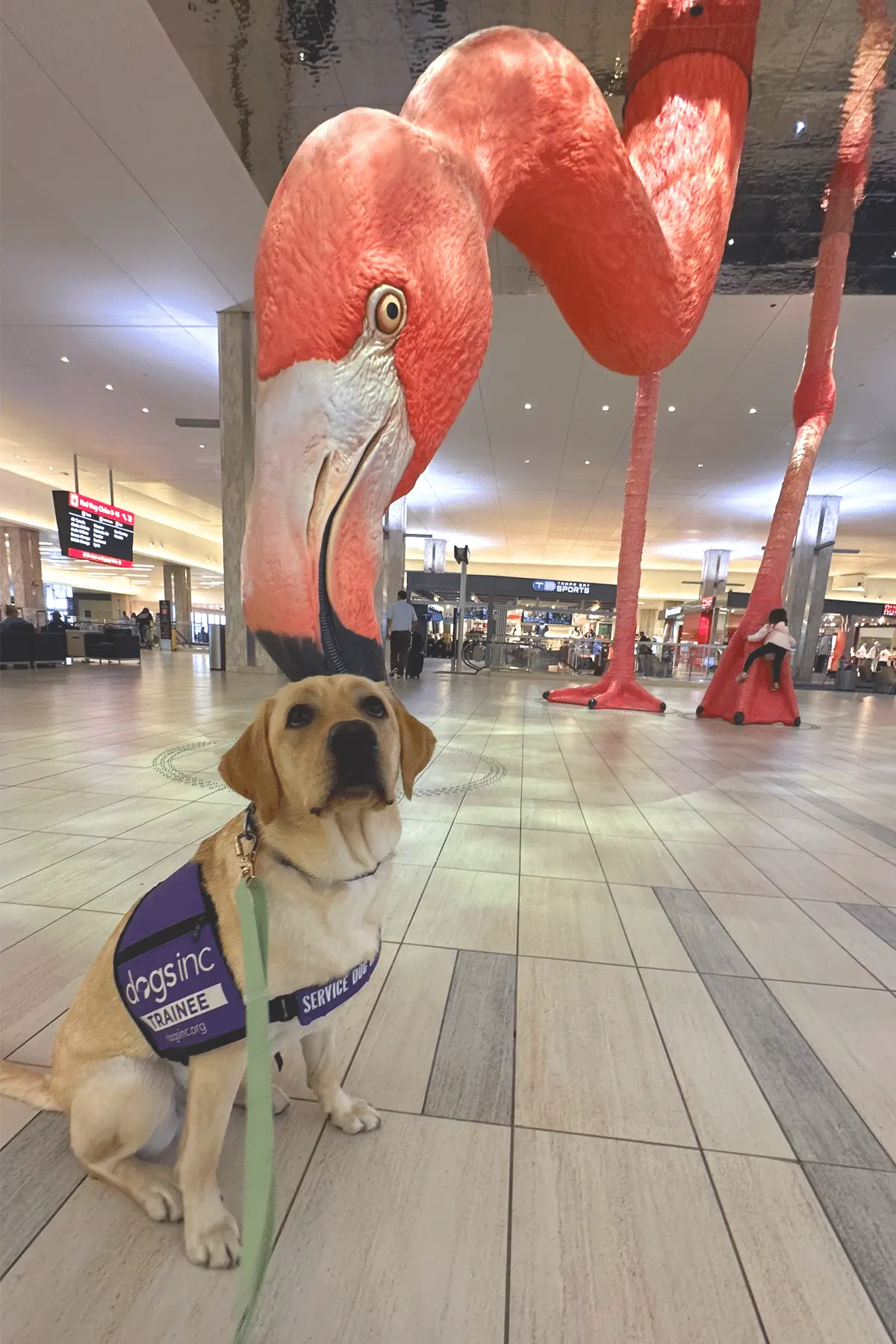
To the casual observer, the scene is routine: a Labrador Retriever lies placidly beneath a crowded restaurant table, seemingly unfazed by the clatter of dropped silverware and the rich aromas of surrounding cuisine; another canine companion navigates the bustling concourse of an international airport, remaining completely focused amidst rolling luggage, security lines, and echoing announcements.
While these moments appear effortless, they represent the culmination of years of meticulous breeding, early socialization, specialized task instruction, and rigorous public access training. In a world designed primarily for neurotypical and able-bodied individuals, public spaces present an overwhelming sensory gauntlet. For individuals with disabilities—ranging from mobility impairments to Post-Traumatic Stress Disorder (PTSD)—service dogs act as vital lifelines, bridging the gap between isolation and independent living.
However, the legal status and public accommodation rights granted to service animals under frameworks like the Americans with Disabilities Act (ADA) are mirrored by strict behavioral expectations. A service dog cannot simply be present; it must be impeccably trained to remain unobtrusive, calm, and responsive in high-stress environments. This comprehensive report examines the anatomy of service dog public access training, detailing how organizations like Dogs Inc transform raw canine potential into reliable, life-changing working partnerships through progressive socialization, distraction proofing, real-world testing, and dedicated community support.
Detailed Chronology: From Puppyhood to Public Professionalism
The transformation of a rambunctious puppy into a poised, life-saving service dog does not happen overnight. It is a structured, multi-phase developmental timeline that spans upwards of two years. Understanding this trajectory highlights the immense investment required to produce a qualified working animal.
Phase 1: Early Foundation and Neonatal Socialization (Months 0–2)
The journey begins before formal training even starts. Ethical breeding programs focus on genetic health, stable temperaments, and resilience. During the neonatal and early puppyhood phases, handlers and breeding managers introduce mild, controlled sensory stimuli. Puppies learn to process novel textures underfoot, gentle handling, and soft, unusual sounds. This foundational period is critical for developing neural pathways that encourage adaptability rather than a fear response when faced with novelty later in life.
Phase 2: The Puppy Raiser Era (Months 2–12)
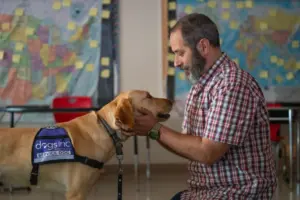
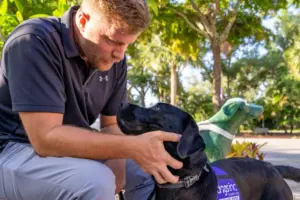
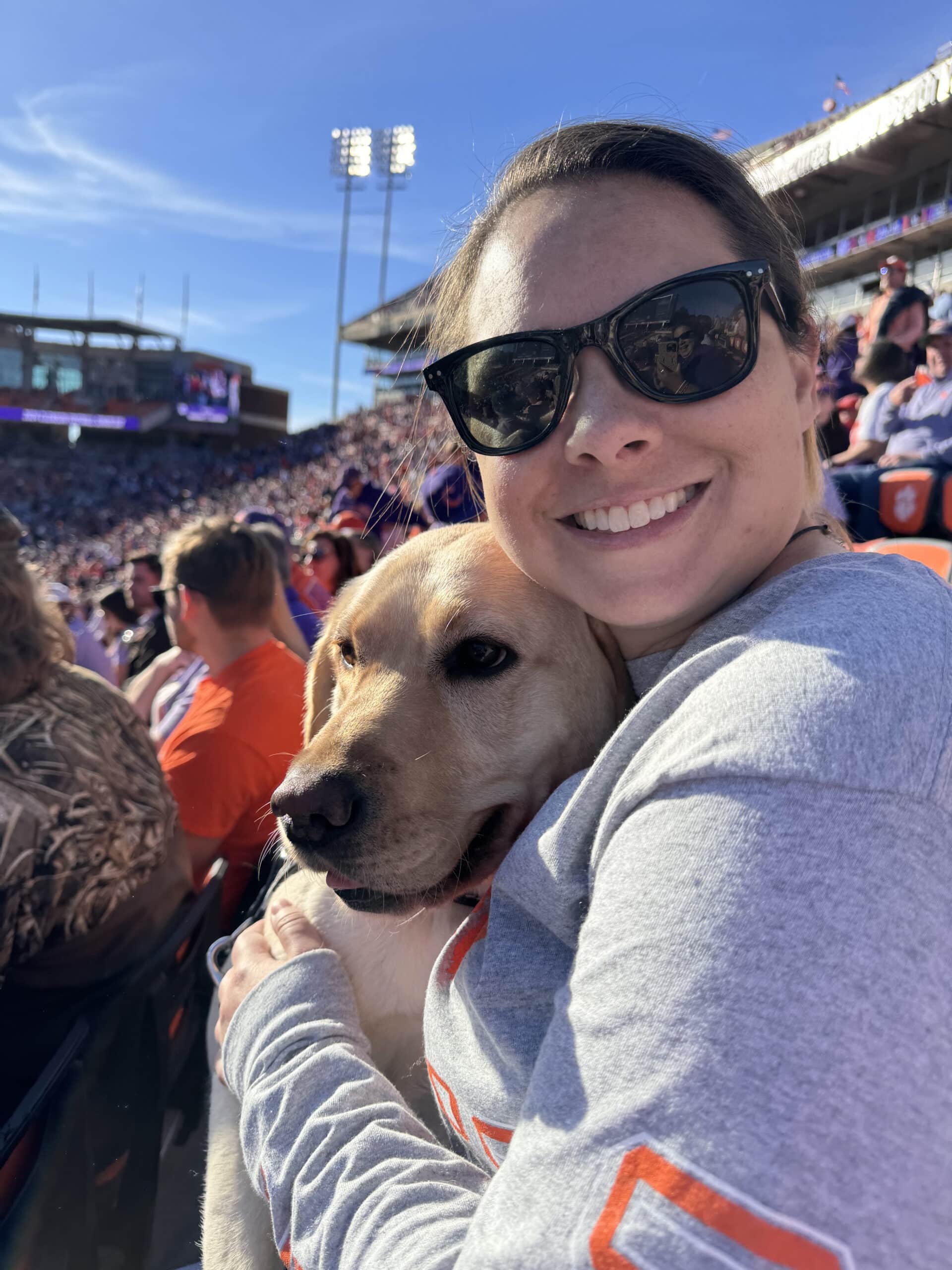
Around eight weeks of age, future service dogs are placed with volunteer puppy raisers. This phase serves as the bedrock of public access preparation. Raisers introduce the young dogs to everyday community settings, including grocery stores, public parks, office buildings, and public transit systems.
- Basic Obedience: Puppies learn essential cues such as "sit," "stay," "down," and "heel."
- Environmental Exposure: Raisers deliberately expose the dogs to varied sights, sounds, and surfaces—ranging from sliding glass doors and elevators to squeaky shopping carts and polished concrete floors.
- Positive Reinforcement: All encounters are paired with positive reinforcement, ensuring the dog associates unfamiliar human-made environments with safety, reward, and calm focus.
Phase 3: Advanced Task and Public Access Integration (Months 12–18+)
Once dogs reach physical and emotional maturity, they transition to formal training facilities. Here, the focus shifts from general obedience to specialized task training combined with intensive public access proofing. Professional instructors take over the curriculum, putting the dog through simulated and real-world trials in complex environments like airports, restaurants, and crowded shopping centers.
Phase 4: Final Evaluation and Team Matching (18–24 Months)
Before graduating, every candidate undergoes comprehensive evaluations. Instructors test the dog’s impulse control, reliability under extreme distraction, and task proficiency. Once certified, the dog is matched with a handler whose lifestyle, physical needs, and temperament align with the canine’s specific skill set, followed by team training to ensure seamless integration into daily life.
Supporting Context & Metrics: The Anatomy of Modern Public Access
To fully appreciate the complexity of service dog training, one must understand the distinct legal and behavioral definitions that separate service animals from other categories of working or companion animals.
Legal Distinctions: Service Animals vs. Emotional Support Animals
Under the ADA, a service animal is strictly defined as a dog (and in rare instances, a miniature horse) that is individually trained to do work or perform tasks for the benefit of an individual with a disability, including physical, sensory, intellectual, or mental health disabilities.
- Task Requirement: The animal’s work must be directly related to the handler’s disability. Examples include pulling a wheelchair, retrieving dropped items, alerting to a medical crisis, or performing Deep Pressure Therapy (DPT) to mitigate a panic attack associated with PTSD.
- Exclusion of ESAs: Emotional Support Animals (ESAs) provide therapeutic comfort simply through their presence. Because they are not trained to perform specific active tasks under ADA guidelines, they do not possess public access rights and are generally barred from restaurants, grocery stores, and commercial aircraft cabins.
Environmental Stressors and Training Modalities
Public access training addresses specific challenges inherent to modern infrastructure:
| Environment | Primary Distractions & Challenges | Canine Behavioral Objective |
|---|---|---|
| Airports | Rolling luggage, security checkpoints, overhead PA announcements, moving walkways, massive crowds. | Maintain a steady heel, ignore dropped items, remain unaffected by loud or sudden mechanical sounds. |
| Restaurants | Food odors, dropped table scraps, tight seating clearances, closely passing waitstaff, unfamiliar diners. | Settle quietly out of the way (typically under a table or chair), resist the temptation of fallen food, ignore human attention. |
| Crowded Public Spaces | Running children, shopping carts, flashing lights, sudden movements, barking pets. | Exercise impulse control, maintain attentiveness to the handler, suppress startle or reactivity reflexes. |
Distraction Proofing and Impulse Control
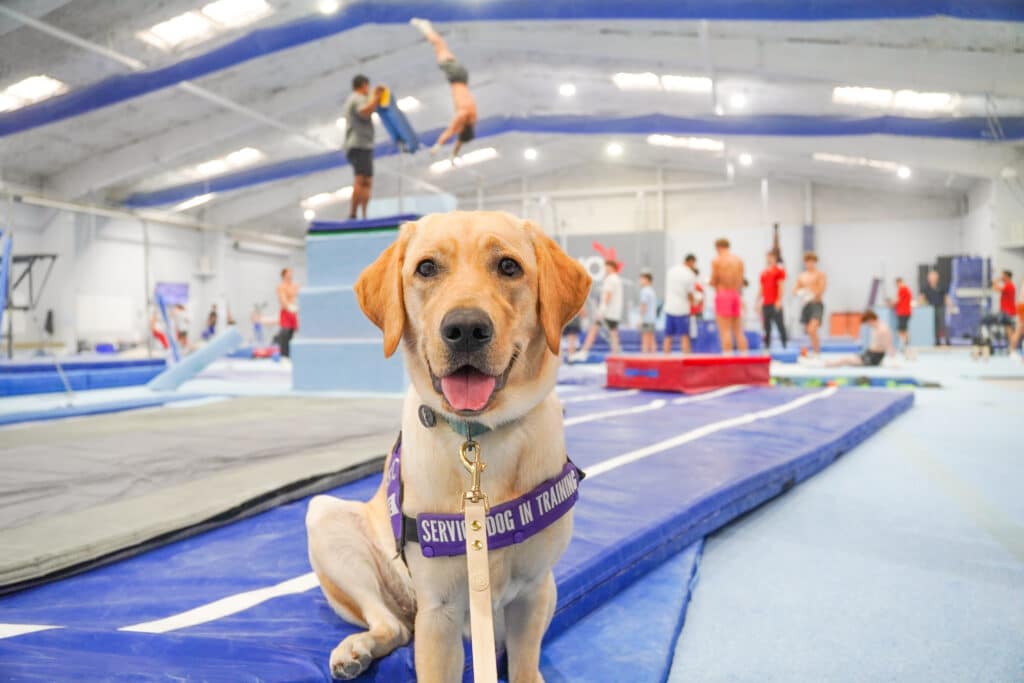
Distraction training is an iterative process. Instructors begin in controlled, low-stimulus environments and progressively escalate the difficulty. A dog might first practice a "stay" cue while a single toy is rolled past, moving up to ignoring a snack dropped directly in its path, and ultimately maintaining composure in a bustling shopping mall food court. This systematic desensitization ensures that when an unexpected event occurs—such as a child tripping or a loud siren wailing—the dog remains anchored to its handler rather than reacting impulsively.
Official Statements and Expert Perspectives
Industry leaders and canine behavioral specialists emphasize that the success of a service dog relies heavily on the quality of its upbringing and the scientific rigor of its training methodologies.
Dr. Eleanor Vance, a leading behavioral veterinarian specializing in working canine psychology, notes:
"Public access training is not about suppressing a dog’s natural instincts through fear or dominance; it is about expanding the animal’s window of tolerance. By pairing novel environments with positive reinforcement from puppyhood onward, we cultivate a resilient, confident partner that genuinely enjoys its working role. The dog learns that the human handler is the safest, most rewarding anchor in any chaotic environment."
Furthermore, representatives from organizations like Dogs Inc frequently underscore the collaborative nature of this work. A senior public access coordinator explains:
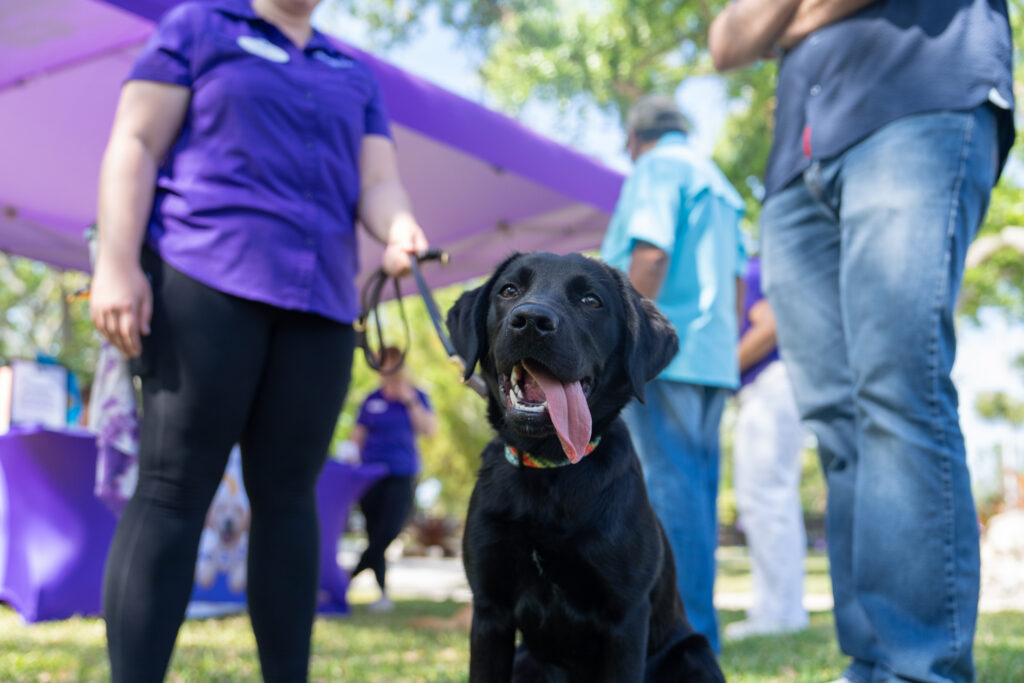
"The poise you see in a fully certified service dog is the product of a massive community effort. It takes puppy raisers who sacrifice their time to socialize the dog in grocery stores and city streets, specialized instructors who push the boundaries of distraction-proofing, and rigorous evaluation protocols that ensure absolute consistency. When you see a service dog guiding someone safely through a busy terminal, you are looking at years of institutional dedication."
For individuals dealing with invisible disabilities, such as PTSD or severe anxiety, the presence of a calm, task-trained canine alters their entire relationship with the world. Clinical advocates report that handlers who were previously homebound due to hypervigilance or panic attacks can reclaim their independence, secure in the knowledge that their canine partner is trained to remain steady under pressure and intervene at the exact onset of a medical episode.
Future Outlook: Evolution, Accessibility, and the Next Generation of Teams
As urban centers grow denser, air travel becomes more complex, and societal awareness of invisible disabilities expands, the field of service dog training is evolving to meet new demands.
Technological and Methodological Advancements
Modern training programs increasingly utilize data-driven insights to track puppy development, monitoring stress recovery rates, environmental sensitivity, and retention of learned tasks. By tailoring socialization schedules to individual puppy profiles, organizations can optimize training timelines and reduce wash-out rates.
Addressing Public Misconceptions and Access Challenges
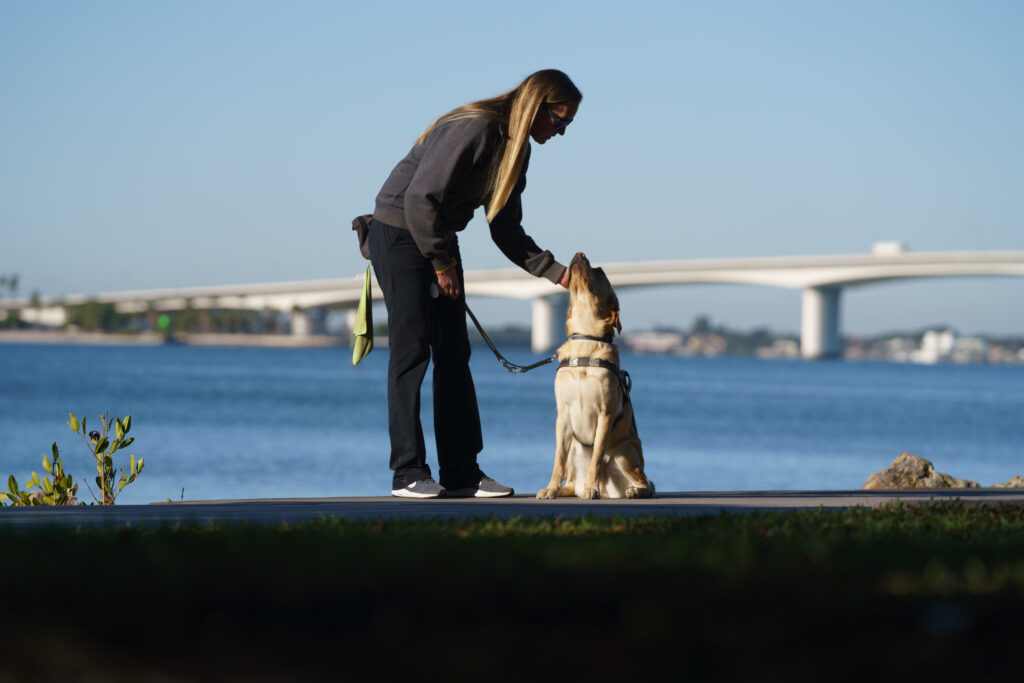
Despite clear federal guidelines under the ADA, service dog handlers frequently encounter barriers in public accommodations due to public confusion between legitimate service dogs, emotional support animals, and pets improperly outfitted with vests bought online. Ongoing public education campaigns led by training organizations are vital to protecting the rights of legitimate handlers and preserving public trust in working animal programs.
Expanding Access Through Community Support
The demand for qualified service dogs far exceeds the current supply. The future of the industry depends heavily on expanding volunteer puppy-raising networks, increasing donor support, and fostering partnerships with businesses and civic institutions willing to welcome dogs-in-training into their facilities.
Organizations like Dogs Inc continue to lead this charge, offering transparent pathways for individuals eager to support the pipeline of future service animals. Through continuous innovation in public access preparation, socialization, and task instruction, the service dog community ensures that tomorrow’s working dogs will continue to change lives—one focused, confident step at a time.