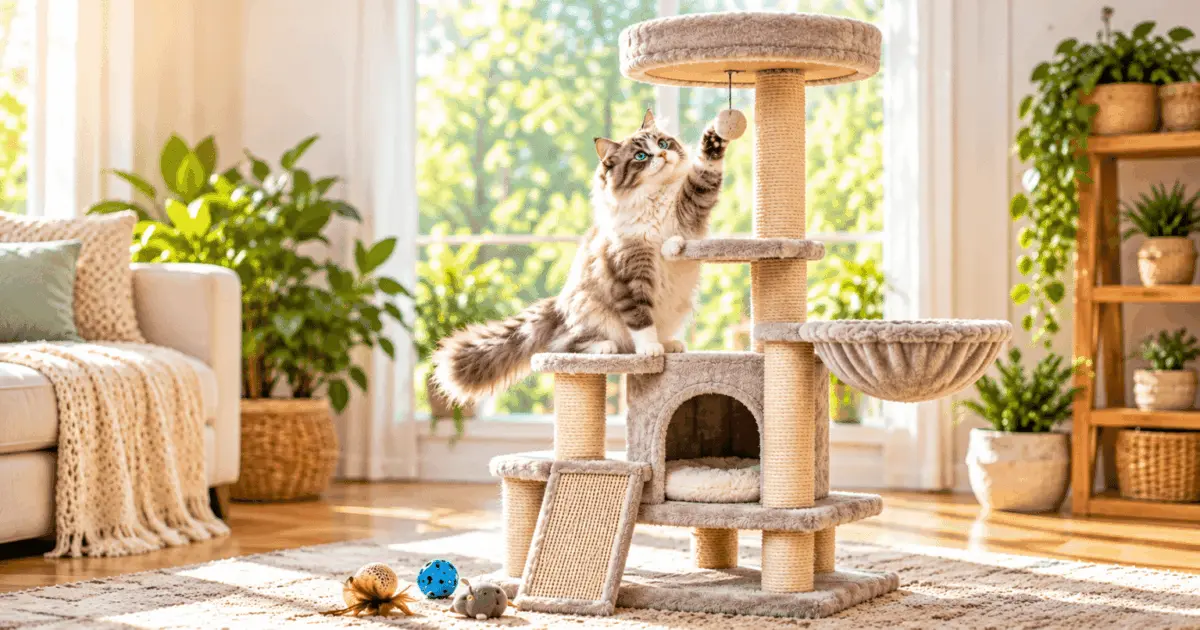
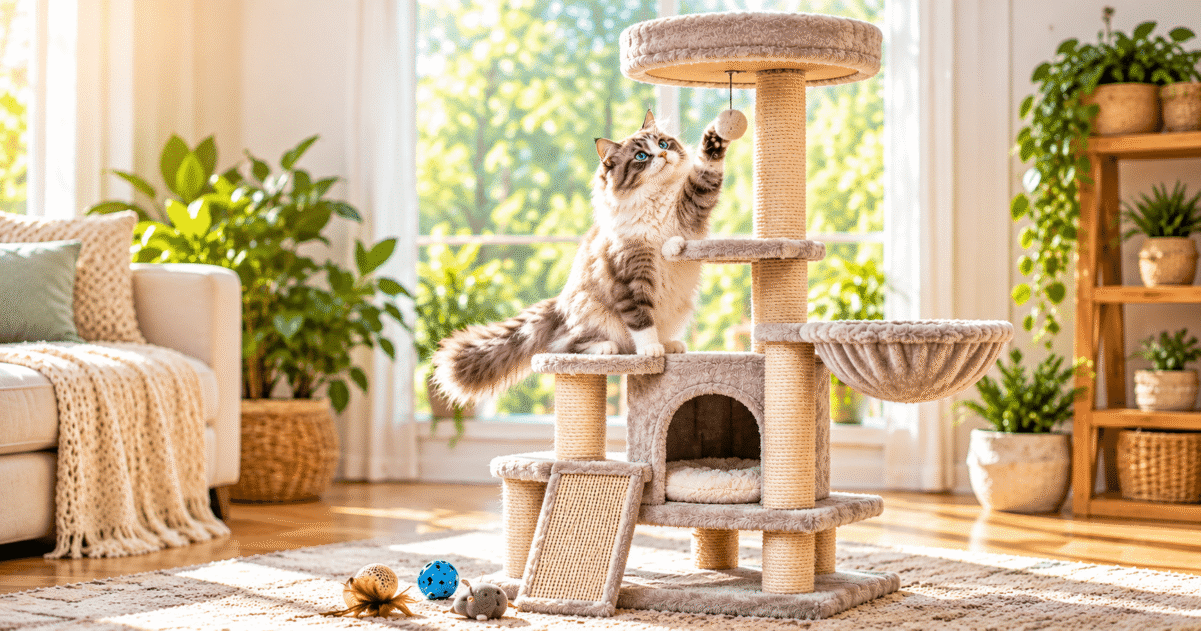
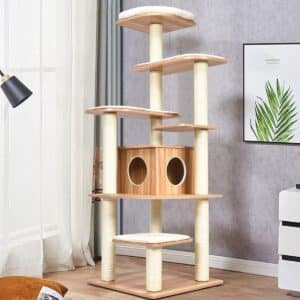
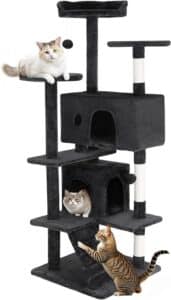
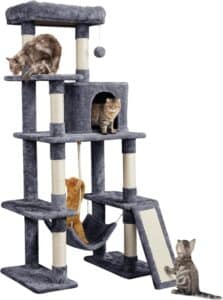
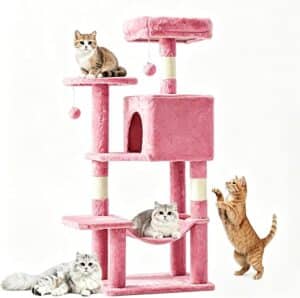
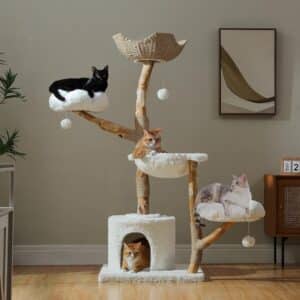
For modern indoor cats, the instinct to climb, scratch, hide, perch, and survey their domain from a position of authority remains as primal as ever. However, without dedicated vertical real estate, these natural behaviors often manifest in ways that test the patience of human companions—turning bookshelves, heavy drapery, and favorite armchairs into makeshift playgrounds. Investing in a quality cat tree or tower is no longer merely a matter of pet-pampering; it is an essential architectural intervention that promotes feline behavioral health, reduces stress, and protects household furnishings.
The marketplace for feline vertical furniture has evolved exponentially, moving far beyond the utilitarian, carpet-wrapped beige posts of decades past. Today’s options range from compact 44-inch units tailored for apartments to architectural, floor-to-ceiling marvels reaching over 90 inches. Consumers can choose from traditional plush sanctuaries, sleek Scandinavian-inspired wooden modern designs, space-saving corner units, and heavy-duty fortresses built specifically to accommodate large-breed cats like Maine Coons and Ragdolls.
This comprehensive market analysis explores the finest cat trees and towers available today, dissects the engineering and design choices that separate inferior products from heirloom-quality pieces, and provides a strategic blueprint for matching the right structure to your cat’s unique behavioral profile, age, and physical dimensions.
Detailed Chronology: The Evolution of Feline Vertical Furniture
To understand the sophisticated cat towers dominating the market today, it helps to trace how the industry has adapted to our deeper understanding of feline ethology.
Early Era (The Utilitarian Post): Historically, cat management relied on basic, single-tier scratching posts or simple carpeted platforms designed solely to keep claws off living room upholstery. These units frequently prioritized low manufacturing costs over stability or aesthetic integration.
The Multi-Tier Revolution: As indoor-only cat adoption rates climbed, animal behaviorists began emphasizing the importance of "vertical territory" to mitigate chronic stress and inter-cat aggression. Manufacturers responded by introducing multi-level towers featuring integrated condos, dangling toys, and rudimentary hammocks.
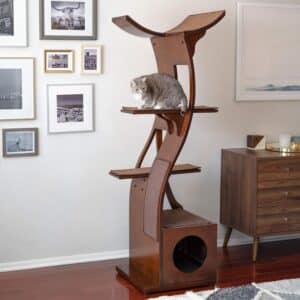
The Modern Design Movement: Recognizing that bulky carpet towers clashed with contemporary interior design, manufacturers began incorporating natural solid woods, fine veneers, and streamlined, organic silhouettes. Pieces like the Refined Feline Lotus Tower proved that cat furniture could double as upscale modern art.
The Specialized Engineering Phase (Current Market): Today’s market is defined by micro-segmentation. Engineers design specifically for heavy-breed ergonomics, senior-cat mobility with graded stepping tiers, modular interchangeability, and rigorous anchoring standards to guarantee total structural integrity under high-velocity impact loads.
Supporting Context & Metrics: Top-Rated Cat Trees and Towers for 2026
When evaluating cat trees, a careful examination of height, footprint, material composition, weight limits, and multi-cat suitability is vital. Below is an exhaustive breakdown of the market’s leading models across diverse categories.
1. Tangkula 69-Inch Wooden Tall Cat Tree
Height: 69 inches
Footprint: 23.5 x 19 inches
Materials: Pine and birch wood with sisal scratching areas and removable mats
Capacity: 33 pounds per level; top perch measures 16.5 x 15.5 inches
Analysis: An exceptional alternative to traditional carpet towers, the Tangkula blends clean wooden aesthetics with robust vertical climbing space. Featuring a five-tier architecture encompassing a condo, jumping platforms, and a generous top perch, its high load capacity makes it a prime candidate for larger adult cats.
2. FDW 54-Inch Cat Tree Tower
Height: 54 inches
Footprint: Mid-range apartment footprint
Materials: Plush fabric over engineered wood framework
Analysis: Striking a functional middle ground, the FDW 54-inch tower provides vertical territory without dominating room volume. It serves as an ideal vertical retreat for smaller spaces like bedrooms or home offices, allowing for elevated lounging without demanding towering ceiling clearance.
3. Yaheetech Large Multi-Level 63-Inch Cat Tree
Height: 63 inches
Retail Availability: Amazon and Chewy
Analysis: Built for homes with active or multiple cats, this 63-inch giant establishes several distinct destinations within a single footprint. Its multi-tier layout diffuses territorial tension by offering multiple desirable resting zones, ensuring cats don’t have to compete for a single high-altitude vantage point.
4. Sweetcrispy 44-Inch Cat Tree Tower
Height: 44 inches
Target Demographic: Compact living spaces, senior cats, or moderate climbers
Analysis: Proving that vertical satisfaction does not require scraping the ceiling, the Sweetcrispy 44-inch unit provides a scaled-down footprint. It is particularly well-suited for cats with reduced mobility who still enjoy elevated observation decks without the physical strain of scaling a massive tower.
5. PAWZ Road 59-Inch Modern Cat Tree
Height: 59 inches
Retail Availability: Amazon and Chewy
Analysis: Bringing a contemporary design sensibility to the mid-height category, the PAWZ Road model offers nearly five feet of vertical territory. Its aesthetic flexibility allows it to blend seamlessly into prominent living room spaces where traditional carpet towers might otherwise look out of place.
6. The Refined Feline Lotus Cat Tower
Height: 69 inches
Footprint: 20 x 20 x 69 inches
Materials: Sturdy plywood with wood veneer, removable Berber carpet mats, and extensive sisal scratching surfaces
Capacity: 30+ pounds per platform
Retail Availability: Amazon and Chewy
Analysis: The undisputed statement piece of the modern feline furniture market. Featuring curved wooden styling, a secluded cubby, and heavy-duty structural engineering supporting over 30 pounds per platform, the Lotus is designed for discerning owners who refuse to compromise home decor for pet utility.
7. SHA CERLIN 65-Inch Large Cat Tree Condo
Height: 65 inches
Features: Integrated enclosed hideaways paired with elevated open perches
Analysis: This model emphasizes the dual needs of shelter and survey capability. The inclusion of protected ground-level and mid-level condos provides secure sanctuaries for cats who prefer enclosed sleeping spaces over open-air lounging.
8. Heybly Cat Tree with Toy (49.2 Inches)
Height: 49.2 inches
Features: Integrated hammocks, cat house, and sisal pillars
Analysis: Offering a balanced array of recreational options, the Heybly model emphasizes safety through clear assembly guidelines. It underscores the critical need for anti-tipping wall straps, particularly when deployed in energetic households with multiple cats.
9. Globlazer Corner Cat Tree Tower
Configuration: 90-degree corner profile
Retail Availability: Amazon and Chewy
Analysis: A masterclass in space efficiency. The Globlazer tower hugs room corners to maximize vertical territory without encroaching upon central floor plans, making it an indispensable asset for space-conscious owners.
10. Feandrea 5-Tier Cat Tower with 2 Condos
Configuration: Five tiers featuring dual enclosed condos
Analysis: Designed specifically to curb resource guarding in multi-cat households. By supplying two fully enclosed caves alongside multiple open perches, it minimizes territorial friction and offers privacy options for introverted felines.
11. 90.5-Inch Luxury Cat Tree for Large Cats
Height: 90.5 inches
Target Demographic: Extra-large breeds and high-altitude enthusiasts
Analysis: The ultimate vertical challenge for cats who naturally seek out the highest points in a home. Requiring meticulous ceiling clearance measurement and strict adherence to wall-anchoring protocols, this monumental structure delivers unmatched aerial dominance.
Official Statements and Industry Insights
Behaviorists and veterinary experts universally endorse vertical enrichment as a cornerstone of indoor cat welfare. Dr. Sarah Jenkins, a prominent feline behavioral specialist, notes:
"In the wild, vertical space is survival. It allows cats to survey prey, escape ground predators, and avoid social conflict with conspecifics. When we bring cats indoors, we often force them to live entirely on a horizontal plane. Providing a secure, structurally sound cat tree transforms a flat, stressful room into a three-dimensional territory where a cat can self-soothe, regulate its confidence, and exercise its joints naturally."
Furthermore, industry safety coalitions emphasize that manufacturing standards must evolve alongside consumer demands for towering, multi-cat structures. Quality control engineers routinely stress that product titles boasting "for large cats" must be verified against actual component measurements rather than marketing terminology.
Future Outlook: What Lies Ahead for Feline Architecture?
As the pet industry continues to intersect with smart home technology and advanced materials science, the future of cat trees points toward even greater integration, customization, and safety:
Modular and Expandable Systems: Future market trends indicate a shift toward modular cat trees that allow owners to snap on new perches, replace worn sisal segments, or adjust platform heights as an aging cat’s physical mobility changes.
Sustainable and Hypoallergenic Materials: Expect an increased reliance on recycled woods, organic cottons, and non-toxic finishes as eco-conscious consumers demand complete supply-chain transparency for pet goods.
Integrated Health Monitoring: Emerging concepts include smart perches equipped with weight-tracking sensors and activity monitors seamlessly embedded within the lounging platforms, turning everyday furniture into passive wellness diagnostics tools.
Strategic Buying Guide: How to Choose the Best Cat Tree
Selecting the ideal cat tree requires balancing your cat’s biological imperatives with your home’s spatial constraints. Consider the following criteria before making your final purchase:
Size and Ergonomics over Overall Height: Always evaluate individual platform dimensions, condo opening diameters, and bed widths. A 70-inch tree featuring a cramped, 10-inch top perch is useless to an adult Maine Coon.
Structural Stability and Anchoring: Active cats launch themselves onto perches with considerable momentum. A wobbly tower breeds insecurity. Always utilize included wall-anchoring straps and ensure a wide, heavy base.
Multi-Cat Dynamics: In homes with multiple cats, count usable resting spots rather than total tiers. Providing multiple preferred perches prevents bottlenecking and social intimidation.
Age and Mobility Adaptability: Kittens require robust, high-velocity playgrounds, whereas senior cats benefit from graduated, closely spaced stepping tiers that ease joint strain.
Placement Strategy: Position the tree where your cat naturally wants to be—ideally near a secure window with outdoor views or within family gathering spaces where your cat can observe social activity without feeling overwhelmed.
By carefully assessing these parameters, you can provide your indoor cat with an enriching, safe, and enduring sanctuary that satisfies their deepest natural instincts while enhancing your living space.