
Executive Overview
For individuals grappling with substantial physical, neurological, or sensory impairments, the journey toward autonomy frequently intersects with a single, pivotal question: What specific conditions and criteria qualify an individual for a service dog?
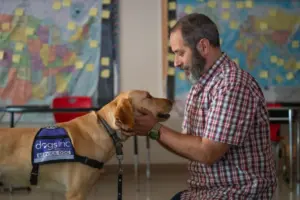
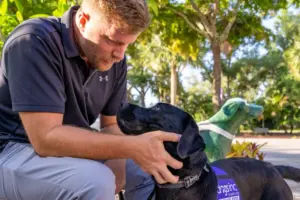
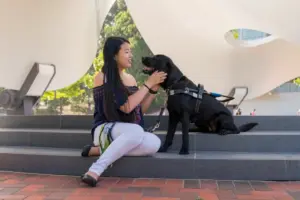
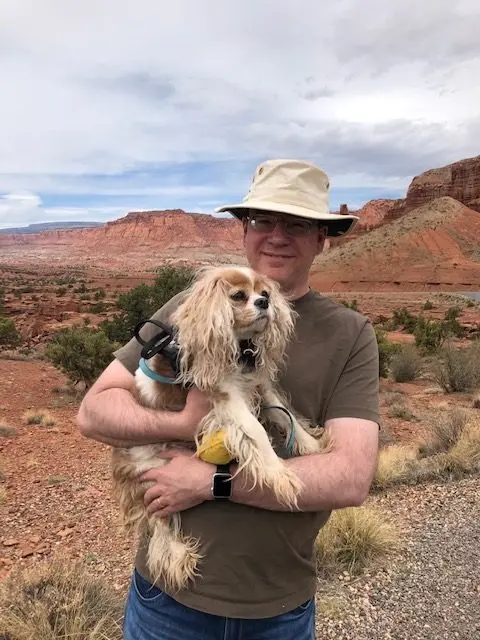
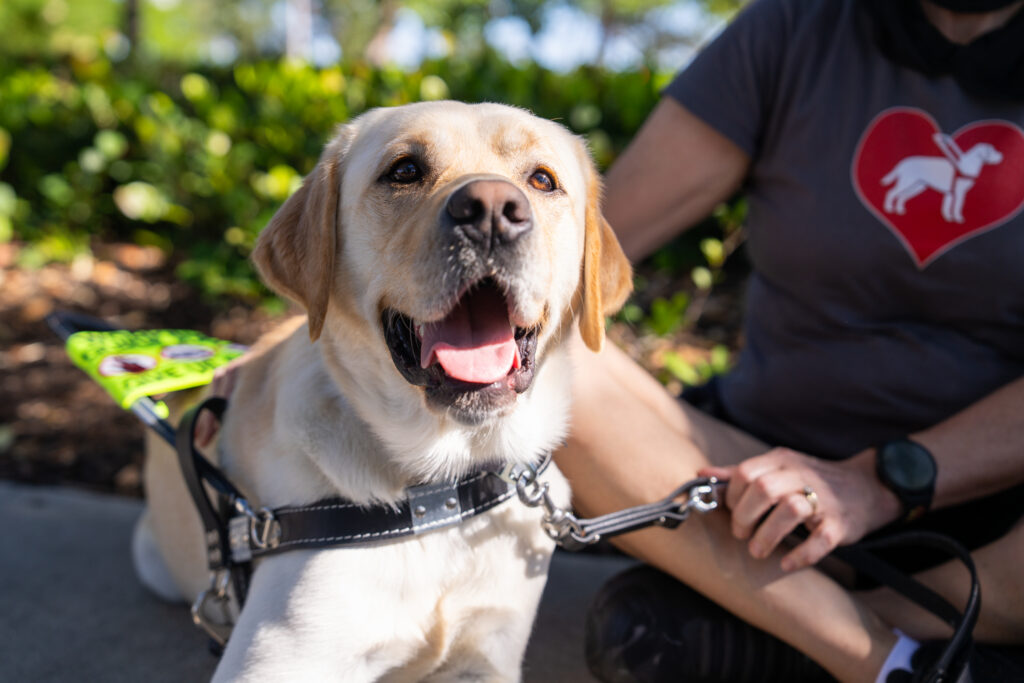
Far beyond the realm of common household pets or comfort animals, service dogs are highly specialized working professionals. Trained rigorously over many months, these animals perform specific, life-altering tasks designed to mitigate the impacts of severe disabilities, allowing handlers to navigate public spaces, workplaces, and daily routines with enhanced safety and independence.
Legally defined under the Americans with Disabilities Act (ADA)—specifically Titles II and III—service animals are recognized not as luxury accommodations, but as critical instruments of accessibility. However, public confusion persists regarding who qualifies for these animals, how they differ from emotional support or therapy animals, and the rigorous pipeline of breeding, socialization, and advanced task-training required to produce them.
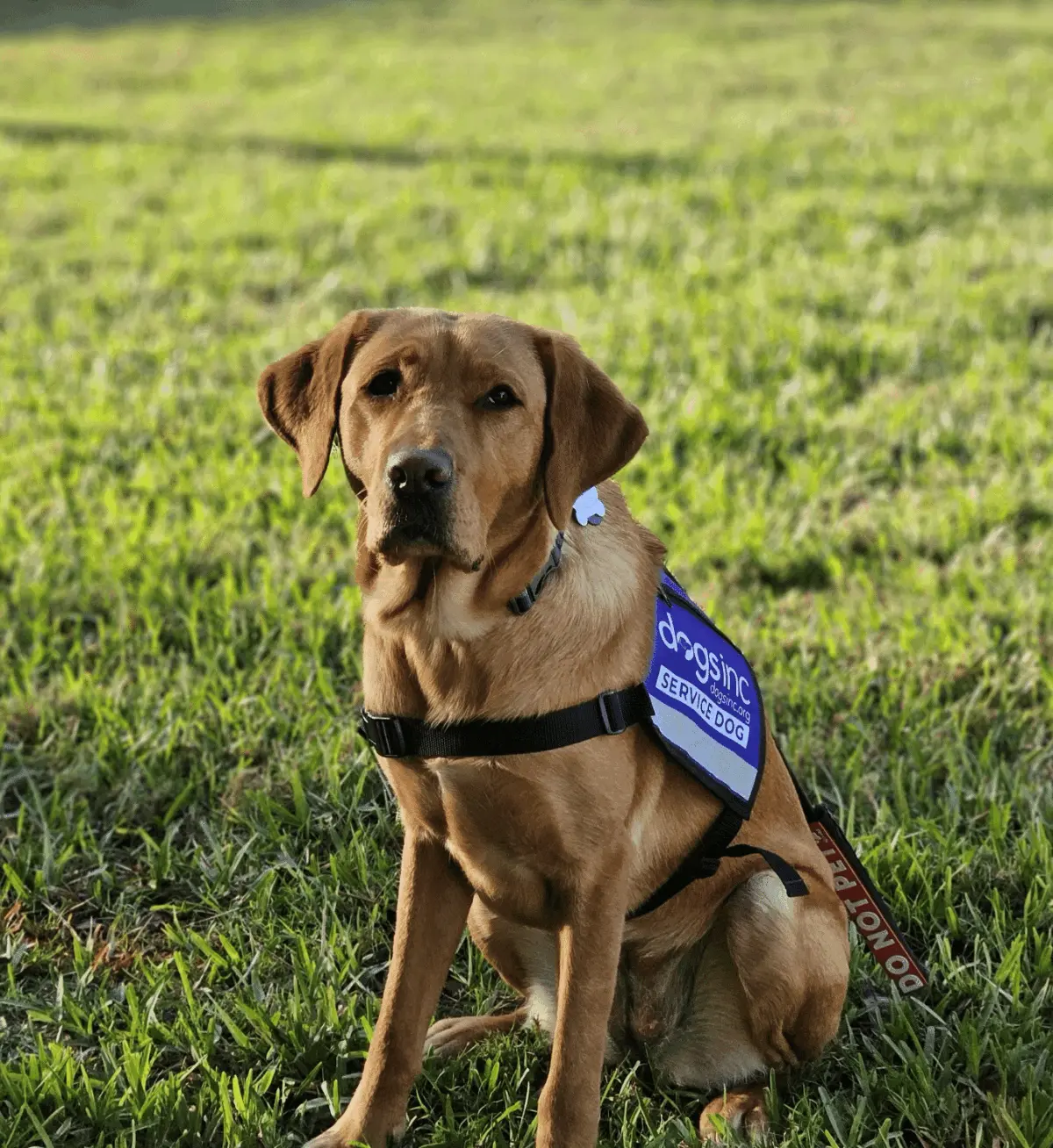
This in-depth report explores the legal parameters of service animal qualification, the range of physical and psychiatric conditions that meet ADA criteria, the meticulous training methodologies employed by premier organizations like Dogs Inc, and the profound life-changing impact these partnerships deliver to recipients, often entirely free of charge.
Detailed Chronology and Historical Context of Service Animal Recognition
The integration of working dogs into the lives of individuals with disabilities is not a modern phenomenon, but its formal legal and societal recognition has evolved significantly over the latter half of the twentieth century.
The Mid-20th Century: The Genesis of the Guide Dog Movement
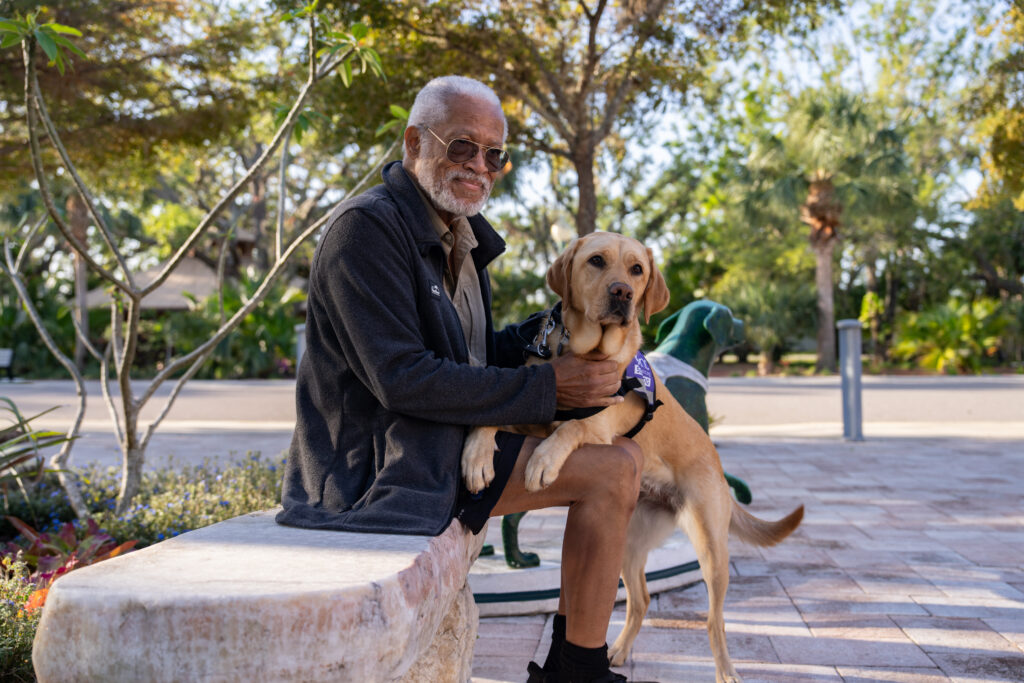
- The 1920s–1940s: While seeing-eye dogs had historical precursors in Europe, the structured training of guide dogs for individuals with vision loss gained substantial traction in the United States following World War I, driven by the sheer volume of veterans returning home with war-related blindness. Organizations emerged to systematically breed, train, and place guide dogs, establishing the baseline understanding that a properly trained canine could act as a reliable surrogate for human sight.
- The 1970s–1980s: As the disability rights movement gained momentum, advocates pushed for broader access rights. Initially, guide dogs enjoyed the most legal protections, while dogs trained for mobility assistance or medical alert work faced routine discrimination and exclusion from public accommodations such as restaurants, grocery stores, and public transit systems.
The Landmark Legislation: The Americans with Disabilities Act of 1990
- July 26, 1990: President George H.W. Bush signed the Americans with Disabilities Act (ADA) into law. This comprehensive civil rights legislation prohibited discrimination against individuals with disabilities in all areas of public life, including jobs, schools, transportation, and all public and private places open to the general public.
- The ADA Definition Takes Shape: Under the statutory framework of the ADA, a service animal was formally defined as any dog individually trained to do work or perform tasks for the benefit of an individual with a disability, including a physical, sensory, intellectual, or mental health disability.
- Subsequent Revisions (2010 and Beyond): The Department of Justice updated ADA regulations to narrow the definition specifically to dogs (with a narrow exception for miniature horses), explicitly separating service animals from emotional support animals (ESAs). This distinction drew a sharp, legally enforceable line between animals whose presence merely provides comfort and those trained to execute active, mitigating tasks for a qualifying disability.
Supporting Context, Legal Parameters, and Qualifying Conditions
To understand qualification for a service dog, one must examine both the legal definition of a disability and the specific spectrum of medical conditions that benefit from task-trained canine intervention.
Legal Criteria: What Constitutes a Qualifying Disability?
Under the ADA, a person has a disability if they have a physical or mental impairment that substantially limits one or more major life activities. Major life activities include, but are not limited to:
- Caring for oneself
- Performing manual tasks
- Walking, seeing, hearing, speaking, and breathing
- Working, learning, and sleeping
However, merely having a qualifying disability does not automatically grant someone a service dog. The definitive legal threshold is functional necessity: Can a dog be trained to perform specific tasks that directly mitigate the limitations imposed by the disability?
Detailed Breakdown of Qualifying Conditions
1. Vision Loss and Sensory Impairments
- The Challenge: Complete or partial blindness prevents individuals from independently navigating environmental hazards, traffic intersections, and unfamiliar architectural layouts.
- The Canine Solution: Guide dogs act as intelligent navigators. They master "intelligent disobedience"—refusing a handler’s command if executing it would lead into danger (such as stepping off a curb into oncoming traffic). They circumvent scaffolding, low-hanging tree branches, and foot traffic, transforming hazardous travel into secure, fluid movement.
2. Mobility Disabilities
- The Challenge: Conditions such as cerebral palsy, muscular dystrophy, spinal cord injuries, or severe arthritis severely restrict gross motor skills, balance, and the ability to retrieve dropped items, open doors, or stand unassisted.
- The Canine Solution: Mobility support dogs are bred and conditioned for physical strength and stability. They retrieve dropped medications, wallets, or keys; pull wheelchairs over difficult thresholds; open and close heavy doors or activate push-plate handicap access buttons; and brace themselves to provide balance support when their handler transitions from a wheelchair to a bed or standing position.
3. Type 1 Diabetes and Endocrine Disorders
- The Challenge: Unpredictable and rapid fluctuations in blood glucose levels can lead to diabetic ketoacidosis, hypoglycemic shock, unconsciousness, or long-term neurological damage.
- The Canine Solution: Diabetic Alert Dogs (DADs) possess an extraordinary olfactory acuity capable of detecting minute chemical changes in human perspiration or breath caused by shifting blood sugar levels. These dogs alert their handlers minutes before a crisis occurs, allowing time for preventative medical intervention. Many are also trained to wake handlers during nocturnal glucose crashes or retrieve emergency supplies.
4. Post-Traumatic Stress Disorder (PTSD) and Psychiatric Disabilities
- The Challenge: Individuals living with severe PTSD, major depressive disorder, bipolar disorder, or panic disorders frequently experience hypervigilance, debilitating anxiety attacks, flashbacks, or emotional isolation that restricts them from entering public spaces.
- The Canine Solution: Psychiatric service dogs perform active, disruption-based tasks. During an anxiety or panic attack, a dog may perform deep pressure therapy (DPT) by laying its body across the handler’s lap or chest to lower heart rate and cortisol levels. They can also perform "crowd control" or "block" commands—circling the handler in public to create a physical buffer zone from strangers, or waking a handler experiencing recurring night terrors.
What Does Not Qualify?
The legal boundary distinguishing service dogs from other categories of animals is absolute:
- Emotional Support Animals (ESAs): While ESAs provide therapeutic comfort through their mere presence, they are not trained to perform specific active tasks mitigating a disability. Consequently, they do not possess public access rights under ADA Title II and III (though they maintain certain housing protections under the Fair Housing Act).
- Therapy Animals: These animals are brought into institutional settings (hospitals, schools, nursing homes) to bring comfort to multiple people, but they are not individual service animals and lack public access rights for daily personal integration.
Official Statements and Institutional Insights
Industry leaders emphasize that the journey to pairing a service dog with a recipient is a meticulous, highly scientific process grounded in welfare, behavioral science, and civil rights compliance.
Representatives from Dogs Inc, a premier national authority in service and guide dog training, articulate the fundamental philosophy governing their operations:
"A service dog is not merely a pet with a vest; it is a meticulously engineered bridge to independence. Every task a dog performs—whether it is interrupting a panic attack, retrieving a fallen cane, or detecting an impending diabetic event—is the culmination of thousands of hours of expert breeding, socialization, and task-specific education. Our commitment is to ensure that the partnership we forge between human and animal is enduring, safe, and transformative."
Furthermore, public health and legal advocates consistently underscore the importance of public education regarding service animal integrity. Business owners and public accommodation managers are legally permitted to ask only two questions when an animal’s status is unclear:
- Is the dog a service animal required because of a disability?
- What work or task has the dog been trained to perform?
Staff are strictly prohibited from asking about the nature or severity of a person’s disability, requiring medical documentation, or demanding that the dog demonstrate its task in public.
The Lifecycle of a Service Dog: Training and Application Methodologies
The creation of a functional, bulletproof service dog is a monumental undertaking spanning nearly two years.
[Breeding & Genetics]
       │
       ▼
[Puppy Raising (Volunteer Foster)] (12–18 Months)
       │
       ▼
[Advanced Professional Training] (Task-Specific & Public Access)
       │
       ▼
[Matching & Handler Team Training]
       │
       ▼
[Graduation & Ongoing Support]
1. Breeding and Early Development
High-caliber organizations rely on intentional breeding programs focusing on temperament traits such as low reactivity, high problem-solving capability, environmental stability, and excellent structural health. Puppies begin neurological stimulation protocols from birth.
2. Volunteer Puppy Raising (Months 2 to 14)
At roughly 8 weeks of age, puppies are placed with vetted volunteer puppy raisers. These volunteers socialize the young dogs across diverse environments—subway stations, grocery stores, crowded sidewalks, and veterinary clinics—while teaching basic obedience, house manners, and impulse control.
3. Advanced Professional Instruction (Months 14 to 24)
Returned to institutional headquarters, the adolescent dogs enter intensive training regimens under certified professional instructors. This phase focuses on:
- Public Access Mastery: Maintaining absolute composure in high-distraction environments.
- Task Specialization: Rigorous conditioning for specific tasks (e.g., medical scent detection, wheelchair pulling, or spatial buffering for psychiatric needs).
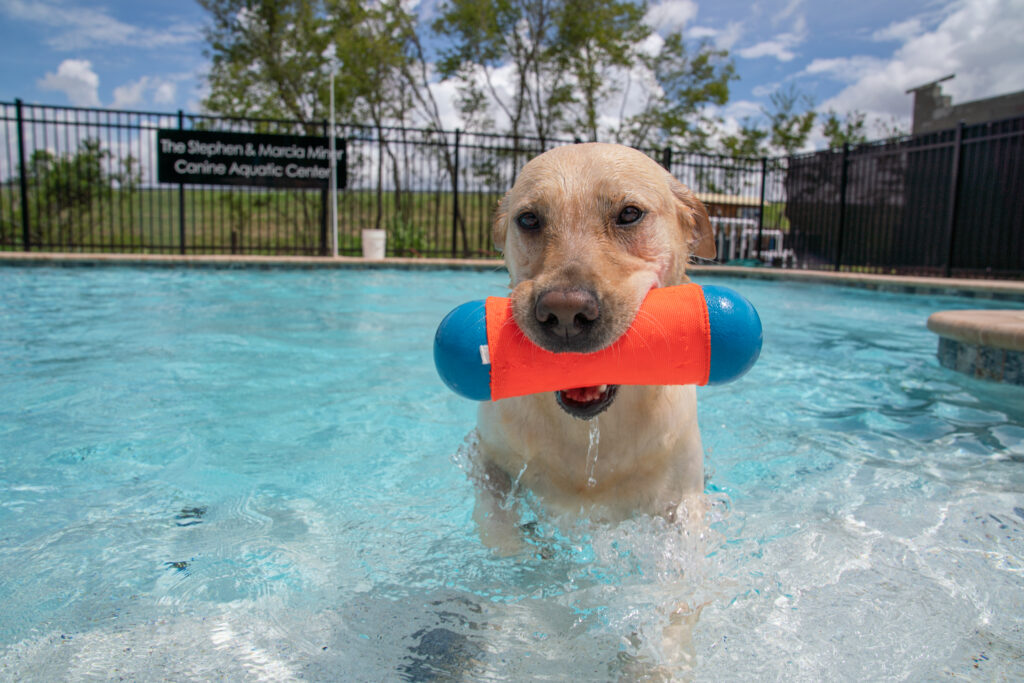
- Aquatic and Obstacle Conditioning: Utilizing specialized facilities (such as canine aquatic centers) for low-impact physical conditioning and confidence building.
4. The Application and Matching Process
Securing a dog from an accredited institution involves a stringent evaluation framework designed to protect both human and animal welfare:
- Comprehensive Written Application: Detailing lifestyle, physical environment, daily activity levels, and specific functional deficits.
- Medical Verification: Submission of documentation from licensed medical or psychiatric professionals confirming the existence of a qualifying disability and the functional necessity of a task-trained dog.
- Personal Interviews and On-Campus Training: Applicants spend weeks on-site at facilities like Dogs Inc, undergoing rigorous team training to learn handling techniques, veterinary care, and command synchronization before graduating with their new canine partner.
Crucially, top-tier organizations like Dogs Inc provide these fully trained service dogs at zero cost to the recipient, removing financial barriers that would otherwise prevent disabled individuals from accessing this level of freedom. This model is sustained entirely through philanthropic donations, corporate sponsorships, and dedicated community volunteers.
Future Outlook: Trends, Challenges, and Technological Integration
As society moves deeper into the 21st century, the landscape of service animal utilization faces several emerging trends and structural challenges:
1. The Problem of Fraudulent Certification
The proliferation of online registries selling "service dog certificates," vests, and ID badges online has created widespread public confusion and administrative friction for legitimate handlers. Because the ADA does not require certification or registration, business owners often face difficult choices when confronting ill-behaved animals falsely passed off as service dogs. Future advocacy centers on tightening legislative penalties for fraudulent misrepresentation of service animals while protecting the privacy rights of legitimate handlers.
2. Technological Advancements and Canine Partnerships
While wearable medical monitors and smart-home technology continue to advance, technology cannot replace the dynamic, adaptive assistance of a living animal. In the coming decades, experts anticipate synergistic models where biometric health monitors worn by patients communicate seamlessly with alert dogs, or where mobility assistance dogs work in tandem with advanced exoskeleton technologies to maximize human mobility.
3. Expanding Access and Awareness
Organizations are increasingly turning their focus toward underserved populations, including veterans managing combat-related trauma and children with complex medical or physical needs. Educational campaigns—such as National Service Dog Month—continue to foster broader public understanding of working animal etiquette, reminding communities that distracting a working service dog can compromise its handler’s safety and independence.
Conclusion
Qualifying for a service dog is a journey defined by medical necessity, legal frameworks, and extraordinary biological partnership. From mitigating the invisible wounds of PTSD to guiding a visually impaired individual through a bustling metropolis, service dogs represent the pinnacle of human-canine cooperation. Through the tireless efforts of organizations like Dogs Inc, qualified individuals are continually granted the tools they need to reclaim their independence, safety, and dignity—proving that sometimes, the greatest catalyst for human freedom comes on four legs.