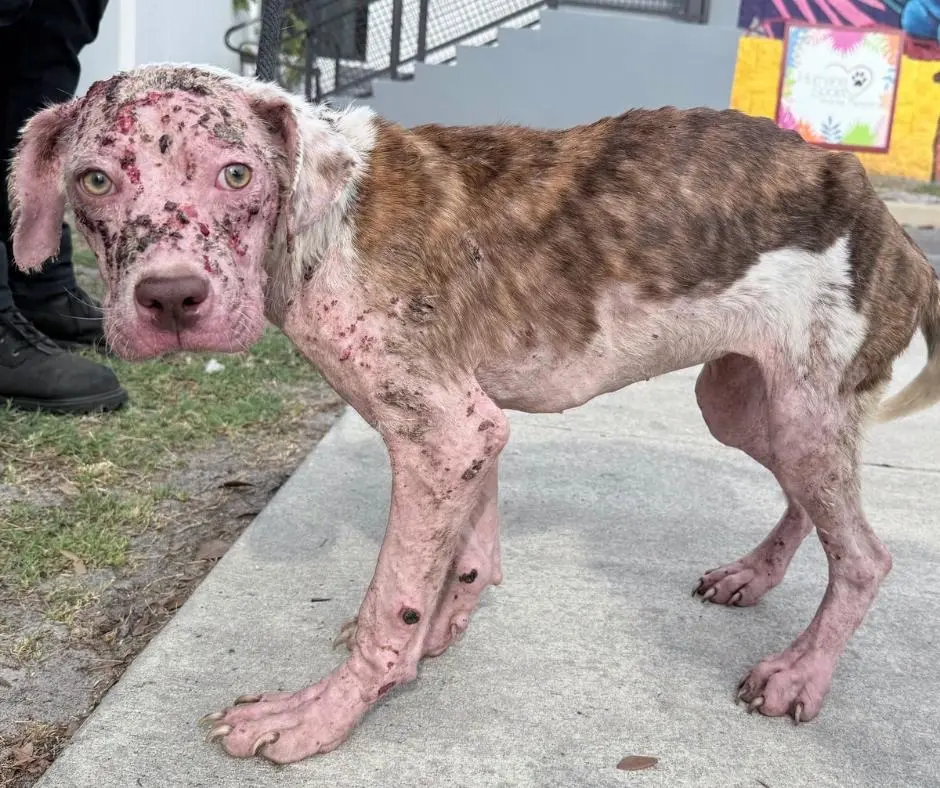
In the field of shelter medicine, the journey from severe neglect to complete biological and psychological recovery represents a critical nexus of community vigilance, veterinary expertise, and administrative dedication. The case of "Athena"—a one-year-old canine discovered collapsed in a suburban driveway in Tampa, Florida—serves as a compelling case study in emergency animal welfare intervention.
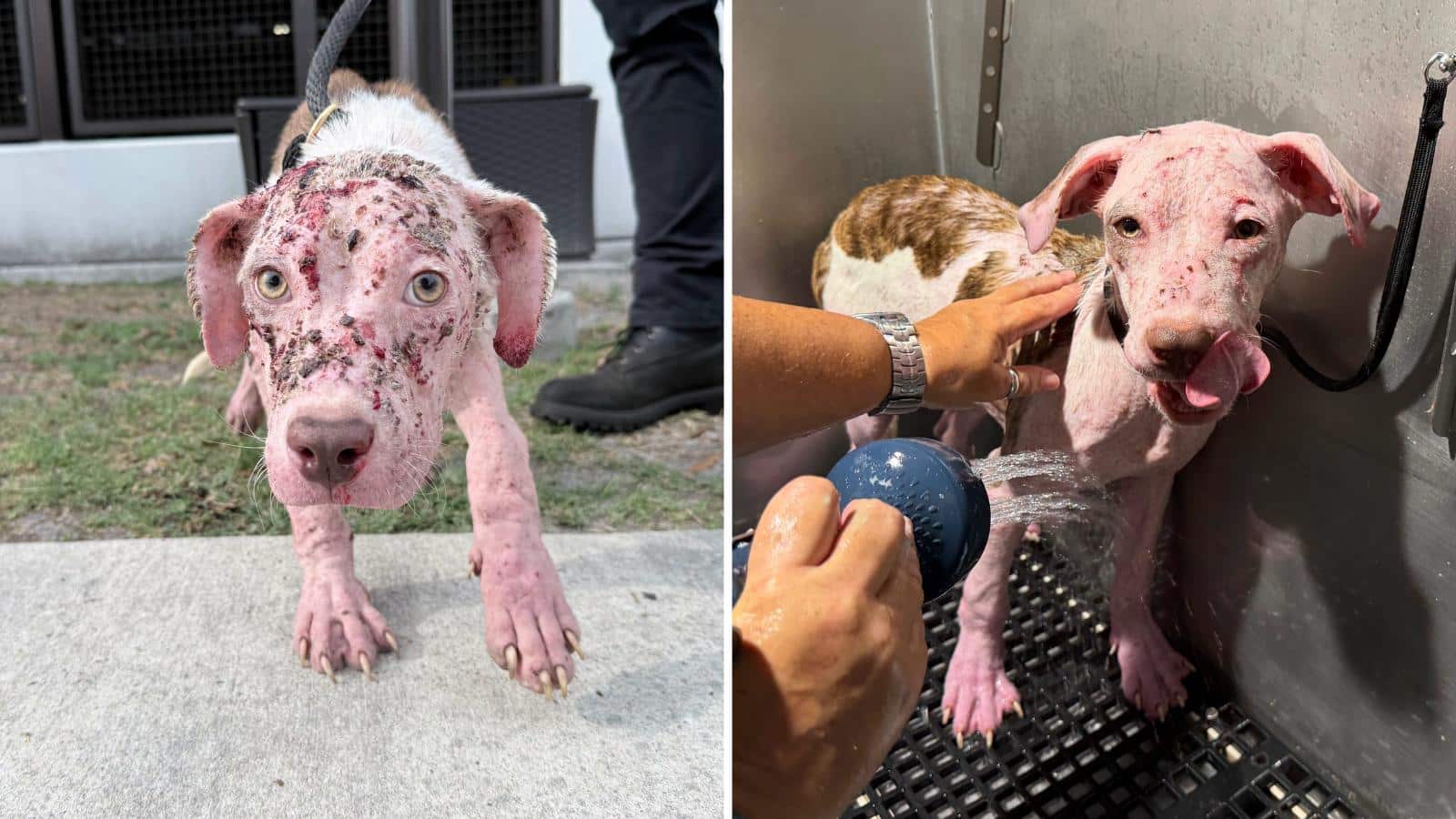
Found in a state of profound emaciation, suffering from systemic dermatological compromise caused by a severe infestation of Demodex mites, Athena’s condition required immediate, multi-phase clinical care. Transferred to the care of the Humane Society of Tampa Bay (HSTB), the canine underwent a rigorous month-long protocol comprising targeted antiparasitic therapeutics, high-density nutritional refeeding, and therapeutic topical baths.
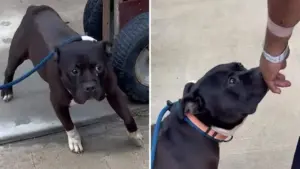
Following her clinical stabilization and surgical sterilization, Athena was featured in shelter placement systems, where her original intake photograph—documenting her initial state of distress—catalyzed an adoption request from a local resident, Jessica. Renamed "Willow," the canine has achieved total physiological recovery, corroborated by clean systemic bloodwork and normal athletic conditioning.
This comprehensive report examines the detailed chronology of Athena’s rescue, the veterinary pathophysiology of demodicosis, the strategic role of intake documentation in animal adoption, and the broader implications for municipal animal welfare networks.
+-----------------------------------------------------------------------------------+
|                            REHABILITATION TIMELINE                                |
+-----------------------------------------------------------------------------------+
| 1. DISCOVERY        | Found collapsed with severe demodicosis by Michael & Carmen.|
| 2. INTAKE & TRIAGE  | Received by Humane Society of Tampa Bay; diagnostics run.   |
| 3. TREATMENT PHASE  | 30-day protocol: Medicated baths, refeeding, antiparasitics.  |
| 4. INTERMEDIARY     | Visited by original rescuers prior to their Colorado move.  |
| 5. ADOPTION         | Selected by Jessica via intake photo; spayed and renamed.   |
| 6. POST-RECOVERY    | Full fur regrowth, optimal bloodwork, active lifestyle.     |
+-----------------------------------------------------------------------------------+
Detailed Chronology of the Rescue and Recovery
Phase I: The Initial Discovery and Emergency Mobilization
The intervention began early in the morning when Tampa residents Michael and Carmen discovered a young dog lying prone and motionless in their driveway immediately prior to their departure for work. The animal exhibited marked lethargy, severe muscular wasting, generalized alopecia (hair loss), and widespread dermatological lesions characterized by erythema and secondary crusting.
Recognizing that the animal was in acute physiological distress, the couple restrained the dog and immediately initiated contact with the Humane Society of Tampa Bay. Despite experiencing advanced physical debilitation, the dog demonstrated remarkably intact social responsiveness, exhibiting tail-wagging behaviors and affiliative gestures toward her rescuers—a behavioral indicator that shelter staff later identified as instrumental in maintaining her psychological resilience throughout treatment.
Phase II: Veterinary Triage and Clinical Diagnosis
Upon arrival at the Humane Society of Tampa Bay’s veterinary facility, medical staff performed a comprehensive physical examination and diagnostic workup. Age-estimation protocols based on dentition and skeletal development placed the animal—designated in shelter records as Athena—at approximately 12 months of age.
+-----------------------------------------------------------------------------------+
|                        INITIAL CLINICAL EVALUATION AT INTAKE                      |
+-----------------------------------------------------------------------------------+
| Parameter               | Observed Clinical Finding                               |
+-------------------------+---------------------------------------------------------+
| Estimated Age           | Approximately 12 months                                 |
| Body Condition Score    | Severely Sub-optimal / Emaciated                        |
| Dermatological Status   | Widespread erythema, crusting, localized lesions        |
| Parasitological Profile | Diagnostic skin scrapings confirmed Demodex infestation  |
| Behavioral Disposition  | Alert, highly social, responsive to human interaction   |
+-----------------------------------------------------------------------------------+
Microscopic analysis of deep skin scrapings confirmed a heavy burden of Demodex canis mites, confirming a diagnosis of generalized demodicosis (demodectic mange). The extensive mite proliferation had compromised the skin barrier, leading to secondary bacterial pyoderma, follicular inflammation, and widespread scabbing across her torso and extremities. Additionally, Athena was classified as severely underweight, requiring a monitored nutritional rehabilitation plan to prevent metabolic complications such as refeeding syndrome.
The Humane Society of Tampa Bay shelter health team implemented a aggressive, multimodal treatment strategy structured over a 30-day inpatient timeline:
Ectoparasiticides and Systemic Therapeutics: Standard modern veterinary protocols for demodicosis utilize systemic parasiticides (such as broad-spectrum isoxazoline-class oral therapeutics) designed to eliminate the microscopic mite population within hair follicles.
Topical Hydrotherapy and Medicated Baths: Athena was subjected to a routine of regular medicated baths using antiseptic and follicular-flushing shampoos (typically containing benzoyl peroxide or chlorhexidine/ketoconazole combinations) designed to clear follicular debris, soothe inflamed tissue, and address secondary bacterial surface infections.
Nutritional Refeeding: Shelter nutritionists instituted a controlled, high-protein calorie-dense dietary regimen designed to reverse catabolic muscle wasting and restore ideal body condition without stressing her compromised gastrointestinal system.
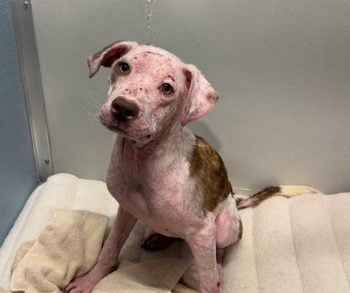
Over the course of four weeks, clinical markers showed rapid positive trajectories. Dermatological lesions receded, surface scabbing resolved, hair follicles reactivated, and new coat growth emerged across previously bald patches.
Phase IV: Intermediary Milestones and Rescuer Reunion
During the mid-point of Athena’s recovery, her original discoverers, Michael and Carmen, returned to the Humane Society of Tampa Bay facility. Preparing for an upcoming interstate move to Colorado, the couple sought a final visit to observe her clinical progress firsthand.
Shelter personnel documented the meeting, noting that Athena showed clear recognition and affectionate behavior toward the pair. The visit provided institutional closure for the rescuers while highlighting the progress achieved through shelter-based veterinary care.
       +-------------------------------------------------------------+
       |                  CARE AND RECOVERY TIMELINE                 |
       +-------------------------------------------------------------+
       |  Days 01–07: Emergency Triage & Parasitic Isolation         |
       |  Days 08–21: Intensive Medicated Baths & Refeeding          |
       |  Days 22–30: Clinical Stabilization & Rescuer Visit         |
       |  Day 30+   : Surgical Sterilization & Adoption Placement    |
       +-------------------------------------------------------------+
Phase V: Permanent Placement and Transition
Once Athena reached baseline metabolic stability and achieved complete dermatological healing, she was cleared for routine surgical sterilization (spay procedure). Upon completion of surgical recovery, she was formally listed on the shelter’s active adoption portal.
Her adoption profile featured her original intake photograph alongside her updated health status. Jessica, a resident searching shelter listings, selected Athena explicitly based on her initial intake photograph. Rather than disengaging from the image of physical compromise, Jessica identified the dog’s latent resilience and submitted an adoption application.
Upon finalizing the adoption, Jessica officially renamed the dog "Willow," completing her
transition from a stray casualty to a companion animal.
Supporting Context, Veterinary Metrics, and Epidemiological Insights
Etiology and Management of Canine Demodicosis
Demodicosis is a non-contagious inflammatory dermatological disease caused by the proliferation of Demodex mites—microscopic commensal organisms that inhabit the hair follicles and sebaceous glands of canines.
Pathophysiology: While small numbers of Demodex canis mites exist as normal microfauna on healthy canine skin, uncontrolled proliferation occurs when host cellular immunity is suppressed or compromised by severe malnutrition, environmental stress, or systemic neglect.
Clinical Manifestation: Severe cases, such as Willow’s, present with generalized alopecia, follicular papules, pustules, hyperpigmentation, and extensive secondary crusting. Left untreated, secondary staphylococcal infections can lead to sepsis and severe physiological distress.
Prognosis: With early therapeutic intervention, modern systemic ectoparasiticides, and supportive dermatological therapies, generalized demodicosis carries a favorable long-term prognosis, featuring complete mite clearance and total coat regeneration.
+-----------------------------------------------------------------------------------+
|                     COMPARATIVE PATHOPHYSIOLOGY OF MANGE TYPES                    |
+-----------------------------------------------------------------------------------+
| Feature                | Generalized Demodicosis      | Sarcoptic Mange           |
+------------------------+------------------------------+---------------------------+
| Primary Etiology       | Demodex canis (commensal)    | Sarcoptes scabiei (mite)  |
| Contagion Risk         | Non-contagious to humans/pets| Highly contagious         |
| Primary Site           | Hair follicles & oil glands  | Burrows under skin layers |
| Primary Diagnostic     | Deep skin scraping           | Superficial scraping      |
| Immune Link            | Strongly tied to systemic    | Direct transmission       |
|                        | immunosuppression/stress     | vector contact            |
+-----------------------------------------------------------------------------------+
Institutional Impact of Emergency Shelter Admissions
The care provided by organizations like the Humane Society of Tampa Bay highlights the ongoing operational demands placed on private and non-profit shelter systems in urban environments.
The medical management of complicated dermatological cases requires prolonged shelter stays, increasing resource consumption per animal:
Length of Stay (LOS): The average intake-to-adoption cycle for healthy shelter canines ranges from 5 to 14 days; complex medical rescues require an extended stay (30 to 90 days), placing structural demands on shelter capacity.
Financial Burden: Treating severe demodicosis combined with malnutrition requires substantial capital allocation for diagnostic panels, long-term medicated washing, high-density nutrition, and surgical resources.
Official Statements and Institutional Perspectives
Reflecting on the successful outcome of the case, medical staff and leadership at the Humane Society of Tampa Bay emphasized the essential role played by early intervention and community reporting.
"From the moment Athena arrived at our facility, her physical condition was severely compromised, yet her spirit remained entirely unbroken," noted a spokesperson for the Humane Society of Tampa Bay’s veterinary team. "Demodicosis of this severity causes intense discomfort, but her innate sociability never wavered. Her transformation highlights what is possible when community vigilance meets comprehensive shelter medicine."
Reflecting on her decision to adopt Willow after viewing her intake record, Jessica stated:
"When I looked at her initial intake photo, I didn’t see an broken dog—I saw a resilient survivor who had endured immense suffering and simply needed a home to complete her healing. Seeing her run free in the backyard today, fully recovered, confirms that taking a chance on a vulnerable animal is one of the most rewarding decisions a person can make."
+-----------------------------------------------------------------------------------+
|                        STAKEHOLDER CONTRIBUTION MODEL                             |
+-----------------------------------------------------------------------------------+
| Stakeholder            | Action Taken               | Impact on Outcome           |
+------------------------+----------------------------+-----------------------------+
| Michael & Carmen       | Initial discovery & call   | Prevented systemic collapse |
| Humane Society Team    | 30-day clinical protocol   | Complete biological healing |
| Jessica (Adopter)      | Selected via intake photo  | Permanent home integration  |
+------------------------+----------------------------+-----------------------------+
Future Outlook and Health Status
Following her transition into her new home, Willow underwent comprehensive post-adoption veterinary assessments. Follow-up clinical evaluations, including complete blood counts (CBC) and chemistry panels, yielded normal values across all major physiological systems. Her attending veterinarian noted that her systemic recovery was complete, with no lingering hematological or metabolic anomalies stemming from her initial emaciation.
       [ Post-Adoption Health & Lifestyle Status ]
       ├── Complete Dermatological Recovery (Full coat regrowth, zero lesions)
       ├── Normal Bloodwork (CBC & internal organ function panels within range)
       ├── Optimal Conditioning (High athletic endurance, peak physical state)
       └── Successful Environmental Adaptation (Active lifestyle with adoptive family)
Today, Willow exhibits normal athletic behavior, engaging in regular high-energy physical activity, including fetch and sustained play in her family’s enclosed backyard. Her dermatological recovery remains absolute, with full hair regrowth across all previously bare regions and no residual cutaneous scarring.
The case of Willow underlines a key principle in animal welfare operations: early community detection combined with standard clinical veterinary care can systematically reverse severe biological degradation, restoring vulnerable animals to full health and long-term domestic stability.