
Executive Overview
More than 50 million years ago, a quiet revolution took place in the skies of a recovering planet. While the dust was still settling from the asteroid impact that erased the non-avian dinosaurs, a diminutive, shrew-like mammal climbed a Cenozoic branch, stretched a membrane between elongated fingers, and cast itself into the dark. In doing so, it unlocked powered flight—an evolutionary feat accomplished by vertebrates only three times in Earth’s history (in pterosaurs, birds, and bats).
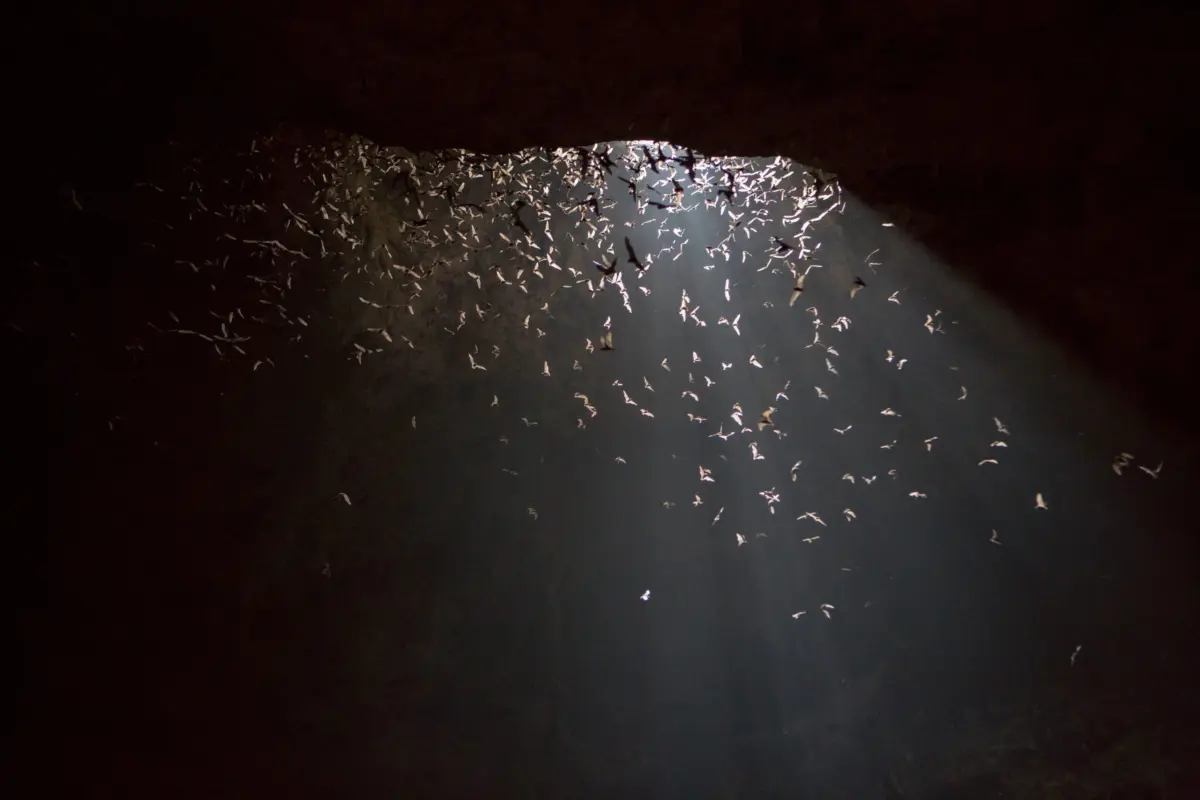
By taking to the air after sunset, bats avoided direct competition with the well-established lineage of birds, carving out a lucrative nocturnal niche that would propel them to extraordinary evolutionary success. Today, bats comprise roughly one-fifth of all mammal species, numbering over 1,500 distinct varieties. They populate every continent except Antarctica, serving as vital ecological keystones as pollinators, seed dispersers, and nocturnal pest controllers.
Yet, despite their ubiquity and ecological importance, bats remain shrouded in mystery. The fossil record leaves a frustrating gap between their terrestrial ancestors and fully-fledged flyers, and modern populations face severe anthropogenic threats, from habitat loss to the devastating fungal pathogen known as white-nose syndrome. This investigative report explores the evolutionary origins of bats, the mechanics of their unique nocturnal dominance, their complex relationship with avian rivals, and the pressing conservation challenges threatening their future.
Detailed Chronology: The Evolutionary Leap to Powered Flight
The evolutionary narrative of bats is defined by deep time, dramatic physiological transformation, and an enigmatic absence of transitional fossils.
1. The Prehistoric Setup: A Post-Impact World (65 Million Years Ago)
When a cataclysmic asteroid struck the Yucatán Peninsula roughly 66 million years ago, it decimated non-avian dinosaurs and upended global ecosystems. Birds—which had already diversified over some 100 million years—suffered immense losses, though small, ground-dwelling species managed to survive. In the aftermath, surviving mammals experienced an adaptive radiation, growing larger, testing novel diets, and exploring new ecological roles.
Genetic analyses suggest that the ancestral lineage of bats diverged from other mammals right around this critical juncture, approximately 65 million years ago. However, the exact stepping stones of this transition remain one of paleontology’s greatest puzzles.
2. The Missing Link: "Shrew, Shrew, Shrew… BAT"
One of the most persistent mysteries in mammalian evolution is the sudden appearance of fully formed bats in the fossil record.
"In the fossil record, it’s a shrew-like thing," notes Karen Sears, an evolutionary biologist at the University of California, Los Angeles (UCLA). "And it goes: shrew, shrew, shrew… BAT."
The oldest known bat fossils, dating to roughly 52 million years ago (such as Onychonycteris and Icaronycteris), already possessed fully developed wings capable of powered flight and, in some cases, advanced echolocation structures. Scientists lack a robust sequence of transitional fossils documenting how terrestrial, scrambling insectivores gradually morphed into airborne acrobats.
3. The Gliding Hypothesis and Skeletal Remodeling
Despite the fossil gap, evolutionary biologists have pieced together a plausible timeline of adaptation. Nancy Simmons, a bat zoologist and curator at the American Museum of Natural History, suggests that bats descended from small, nocturnal, tree-dwelling insectivores.
To safely and efficiently navigate between forest canopies without navigating perilous forest floors or competing with diurnal predators, these animals likely evolved skin membranes stretched between their limbs, much like modern-day flying squirrels and colugos.
Over generations, natural selection favored individuals with increasingly elongated digits. Unlike birds, whose wing bones fused into rigid, mirror-image structures, bats retained the five-digit skeletal plan characteristic of mammals. Their hand bones lengthened dramatically—proportional to human finger bones growing as long as an entire human body—to support a flexible, dynamic flight membrane. Once this skeletal architecture was established, these animals began to flap, unlocking true powered flight and joining birds as the undisputed masters of the sky.
Supporting Context & Metrics: Conquering the Night Shift
With birds firmly entrenched in daytime ecosystems, the newly airborne mammals faced a stark choice: compete directly with avian rivals under the harsh glare of the sun, or pivot to an entirely unexploited realm. They chose the night shift.
The Ecological "Free-for-All"
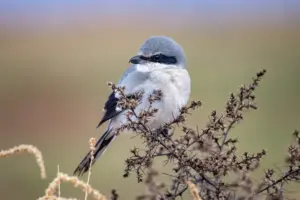
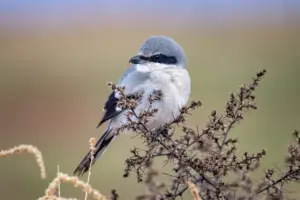
When bats took to the skies, the nocturnal air was a wide-open ecological frontier. Less than three percent of modern bird species are nocturnal (with rare exceptions like oilbirds and certain swiftlets that utilize primitive echolocation), and ancient avians showed a similar daytime preference.
This temporal partitioning created immense evolutionary advantages for early bats:
- Reduced Competition: By hunting insects and foraging for fruits and seeds after dark, bats sidestepped intense competition from diurnal birds.
- Predator Avoidance: Operating in pitch darkness provided a natural shield against daytime birds of prey, hawks, and falcons.
- Thermal Regulation: Flying is a metabolically expensive activity that generates immense internal heat. Nocturnal foraging allowed bats to keep their body temperatures stable, avoiding the risk of overheating.
Unprecedented Success and Diversity
This strategic shift fueled a breathtaking adaptive radiation. Bats spread rapidly across the globe, evolving a staggering array of physical forms, social structures, and diets. While some species specialized in catching fast-moving insects using sophisticated laryngeal echolocation, others adapted to feed on nectar, pollen, fruit, or—in the case of just three vampire bat species—blood.
Today, bats represent roughly 20% of all mammal species (over 1,500 distinct types). They routinely defy standard mammalian biological rules; notably, eight of the nine longest-lived mammal species are bats, exhibiting extreme longevity despite their small body sizes.
Official Statements & Scientific Insights
Leading researchers studying chiropteran biology emphasize that bats are far more integrated into our immediate environments than casual observers realize.
"There may be just as many bats as birds in your neighborhood, but you just never see them," explains Dr. Nancy Simmons of the American Museum of Natural History.
Because bats are secretive, nocturnal, and often pass overhead silently or beyond human hearing ranges, their ecological contributions are frequently underestimated.
From an evolutionary standpoint, Dr. Karen Sears highlights the resilience of the order Chiroptera in a volatile world:
"It’s a scary world out there. Then and now, bats are just trying to do what they can to survive."
Their unique physiological design—combining mammalian bone structures with hyper-flexible finger-controlled wings—grants them an aerial agility that often surpasses that of birds. Furthermore, their ecological roles as nighttime pollinators and pest suppressors make them irreplaceable components of global biodiversity.
Economic and Ecological Metrics
- Agricultural Savings: According to the U.S. Geological Survey (USGS), insectivorous bats save American agriculture at least $3.7 billion annually in suppressed crop damage and reduced pesticide expenditures.
- Pest Consumption: A single insectivorous bat can consume up to 3,000 insects in a single night.
- Keystone Pollinators: Bats are responsible for the pollination and seed dispersal of hundreds of tropical plant species, serving as the exclusive pollinators for economically and culturally significant plants such as the agave cactus.
Future Outlook: Conservation Challenges and the Road Ahead
Despite their resilience through deep geological time, modern bats face unprecedented anthropogenic pressures that threaten their survival.
Contemporary Threats
- Habitat Loss and Fragmentation: Deforestation, urbanization, and agricultural expansion are destroying ancient roosting sites and foraging grounds across the globe.
- Climate Change: Altered weather patterns, severe droughts, and extreme heatwaves frequently cause mass mortality events among vulnerable roosting colonies.
- White-Nose Syndrome: In North America, a devastating fungal pathogen (Pseudogymnoascus destructans) has decimated cave-dwelling bat populations, killing millions of animals by disrupting their hibernation cycles.
- Persecution and Misinformation: Persistent cultural stigmas and unfounded fears regarding disease transmission (such as rabies) often lead to the deliberate destruction of roosts.
Conservation Pathways
Conservationists stress that protecting bats requires many of the same grassroots actions that benefit bird populations. Simple, effective mitigation strategies include:
- Minimizing Light Pollution: Turning off unnecessary outdoor lights at night reduces disorientation for nocturnal foragers.
- Reducing Pesticides: Limiting chemical pesticide use preserves clean insect populations, preventing toxic bioaccumulation in the food web.
- Preserving Native Flora: Planting native vegetation supports local insect populations and provides reliable foraging resources.
- Protecting Roosts: Leaving caves, hollow trees, and abandoned structures undisturbed ensures that fragile maternity colonies can rear their young in safety.
As their deep evolutionary story continues to unfold, bats remain silent guardians of the night. From their prehistoric emergence in Cenozoic forests to their vital presence in modern ecosystems, these remarkable mammals have proven that thriving in a changing world often requires daring to explore the paths—and the skies—less traveled.