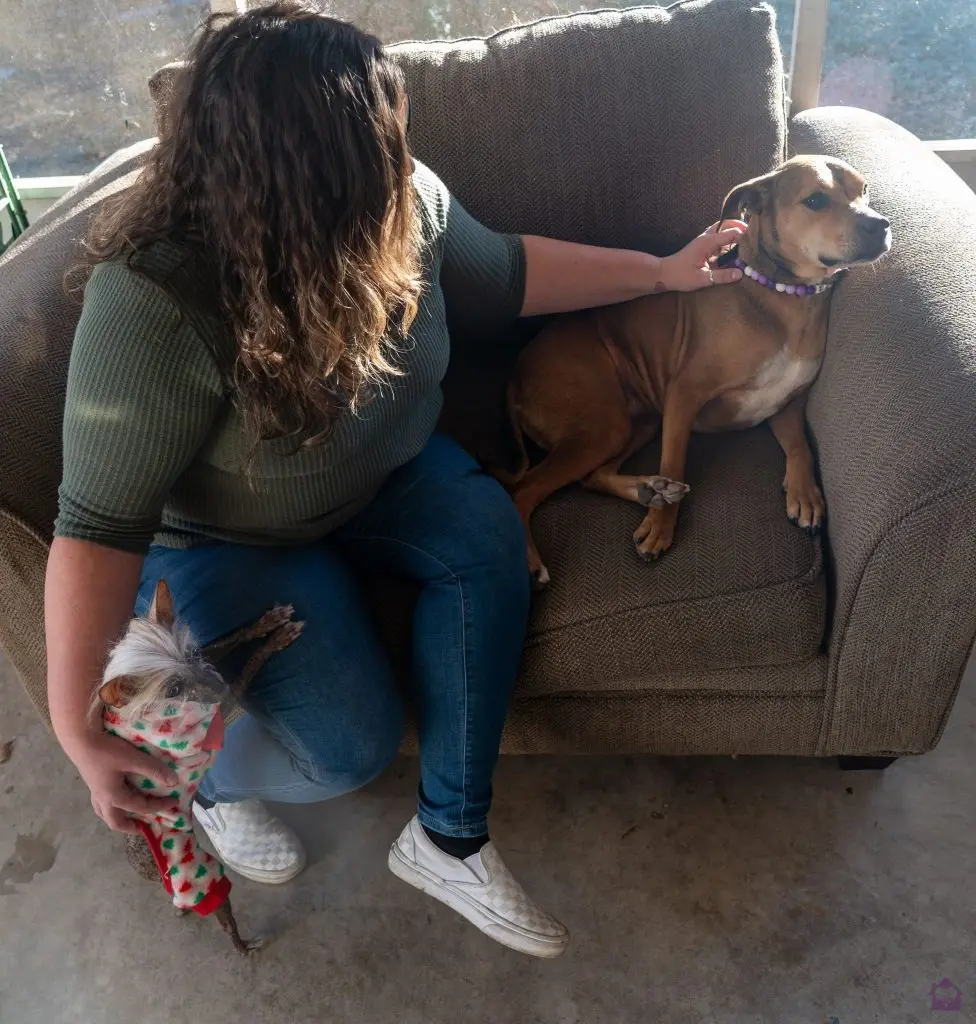
A graying muzzle, a slightly stiffer gait, or a preference for snoozing over chasing a ball: these subtle physiological shifts are often met with an affectionate, dismissive sigh at the veterinary clinic. "Awww, she’s just getting old," is a refrain familiar to millions of pet owners. Yet, this casual observation frequently marks the opening of a dangerously vulnerable chapter in a companion animal’s life.
As pets enter their senior and geriatric years, a troubling trend emerges. Many gradually slip out of regular veterinary care. Pet parents may misinterpret the early warning signs of chronic pain, cognitive dysfunction, metabolic disease, or declining mobility as inevitable facets of aging—conclusions that lead them to believe nothing can be done. Compounding this resignation are anxieties over escalating medical costs, fears of being pushed into premature end-of-life decisions, and the sheer logistical hurdles of transporting a frail, large dog or a terrified cat.
When these compounding barriers go unaddressed, preventive care ceases. Often, veterinary teams do not see these patients again until an acute crisis—such as severe anorexia, debilitating pain, acute respiratory distress, or sudden collapse—forces the caregiver to seek emergency intervention.
To combat this reactive cycle, forward-thinking veterinary practices are overhauling how they approach senior medicine. By shifting the clinical mindset from a disease-centric model to a life-stage framework, modern veterinary programs are designing proactive pathways that emphasize early identification, practical client support, targeted education, and advance planning. Rather than letting aging pets fall through the cracks, this integrated approach turns the twilight years into a manageable, well-supported journey for both the pet and their human family.
Detailed Chronology: The Trajectory of Disengagement and Re-Engagement
Understanding how senior pets become alienated from the veterinary healthcare system requires examining the typical timeline of decline and the critical intervention points where practices can alter the outcome.
Phase 1: The Onset of Subtle Changes (Ages 7–10+)
As pets transition into their senior years, physiological changes begin quietly. Joint cartilage wears down, metabolic rates shift, renal function subtly decreases, and cognitive faculties begin their initial descent.
The Client Perspective: Owners notice minor modifications in routine. The dog hesitates briefly before jumping onto the couch; the cat misses the litter box edge occasionally or yowls softly in the dark.
The Trap: Because these changes develop incrementally, owners normalize them as "old age." They cancel or skip annual and biannual wellness exams, falsely believing that a veterinary visit is unnecessary unless a catastrophic symptom appears.
Phase 2: The Widening Gap in Care (Months 12–36 of Senior Status)
As preventative visits lapse, small, treatable conditions morph into complex multi-organ issues. Dental disease seeds systemic inflammation; osteoarthritis leads to muscle wasting and secondary compensatory injuries; early-stage renal failure goes unmanaged, eventually causing systemic crisis.
The Logistics Barrier: Transporting the pet becomes increasingly difficult. Large dogs become dead weight when they can no longer climb into a vehicle; cats experience severe autonomic stress during travel. Simultaneously, caregivers may be navigating their own aging processes, financial constraints, or demanding schedules.
The Result: A profound communication blackout occurs between the family and the veterinary team.
Phase 3: The Crisis Point
The silence is broken only when the pet experiences a crisis: a complete refusal to eat, a fall resulting in acute trauma, or sudden respiratory failure.
The Outcome: The patient arrives at the clinic in a state of advanced disease. The emotional and financial toll on the family is maximized, and therapeutic options are severely narrowed. Decisions must be made under duress, often culminating in premature euthanasia or expensive, highly invasive emergency interventions.
Phase 4: Interrupting the Trajectory—The Proactive Senior Pathway
Innovative veterinary groups are rewriting this chronology by interceding during Phase 1 and Phase 2. By executing systematic electronic record audits, practices actively identify patients that have dropped off the schedule. Instead of sending impersonal, automated "overdue" notices, clinics deploy empathetic outreach teams.
Messages are reframed: "We haven’t seen Bella recently, and we’d love to help you plan for her changing needs." By identifying barriers early—whether they are financial, physical, or psychological—the clinic can offer tailored solutions, such as low-stress handling protocols, pre-visit sedatives, staggered financial planning, or in-home care coordination, thus re-engaging the patient long before a crisis occurs.
Supporting Context & Metrics: The Science of Aging and Care Barriers
To construct effective senior programs, veterinary teams must ground their protocols in empirical evidence and established professional guidelines. Aging is not a singular biological clock ticking at the same speed for every animal; it is heavily influenced by species, breed, size, and individual health history.
The AAHA and FelineVMA Senior Guidelines
The 2023 American Animal Hospital Association (AAHA) Senior Care Guidelines emphasize that age alone is not a disease. Senior care must be multifaceted, encompassing:
Rigorous support for the caregiver—a demographic frequently subjected to high levels of emotional and physical stress, often termed "caregiver burden."
Similarly, the Feline Veterinary Medical Association (FelineVMA) senior guidelines stress the necessity of individualized feline assessments. Because cats are master evolutionarily adapted at masking pain and illness, senior feline care requires environment-specific evaluations that account for subtle behavioral shifts, litter box accessibility, and the unique challenges of transporting stress-prone felines.
Quantifying the Barriers to Care
A comprehensive 2024 scoping review on veterinary access highlighted that obstacles to pet care are multifaceted and rarely limited to cost alone. The primary drivers of disengagement include:
Affordability and Financial Anxiety: Fear that every veterinary visit will trigger unaffordable diagnostic recommendations.
Geographical and Transportation Challenges: Inability to transport heavy, immobile pets or lack of local providers.
Personnel and Equipment Constraints: Limited availability of specialized senior-friendly clinic infrastructure.
Communication Gaps: Misaligned expectations and medical jargon that alienates the client.
Psychological Barriers: Fear of bad news, guilt over missed signs of aging, or dread of being pressured into end-of-life decisions.
By recognizing these metrics, practices can transition from rigid, one-size-fits-all wellness packages to dynamic, accessible care pathways that meet clients where they are.
Official Statements and Expert Insights
The shift toward specialized, compassionate senior care is championed by veterinary leaders who witness firsthand the emotional toll that uncoordinated aging takes on families and their pets.
Dr. Chelsea McGivney, DVM, MBA, Executive Director of Operations at Caring Pathways—a specialized in-home end-of-life and palliative care practice—underscores the psychological importance of reframing the veterinary-client conversation.
"A gray muzzle or slower gait often prompts an affectionate comment at the veterinary clinic: ‘Awww, she’s getting old.’ Yet that simple observation can mark the beginning of a surprisingly vulnerable period in a pet’s health care," Dr. McGivney explains.
She notes that when practices replace alarmist warnings with supportive dialogue, the dynamic transforms completely:
"Instead of opening with, ‘At his age, we are worried about disease,’ the team might say, ‘Now that Max is entering a new life stage, we would like to create a plan that helps him stay comfortable and engaged for as long as possible.’ Language matters; it gives the family a reason to return before a crisis develops."
Furthermore, experts emphasize the integration of the entire veterinary healthcare team. While diagnosis and prescribing remain strictly within the purview of licensed veterinarians, credentialed veterinary technicians and support staff are vital in executing comprehensive history-collection, facilitating client communication, running mobility assessments, and providing continuous follow-up care.
Consistency in messaging across the entire clinic staff is paramount. If one staff member dismisses a pet’s decline as normal aging while another expresses urgent concern, the client experiences cognitive dissonance and loses trust in the treatment plan. Establishing shared clinical language for pain scales, cognitive dysfunction, and palliative needs ensures the client feels fully supported at every touchpoint.
Future Outlook: Building Pathways, Not Packages
As veterinary medicine continues to evolve, the future of senior pet care lies in moving away from transactional, discounted wellness "packages" and toward holistic, lifelong care pathways.
The Pillars of Future Senior Programs
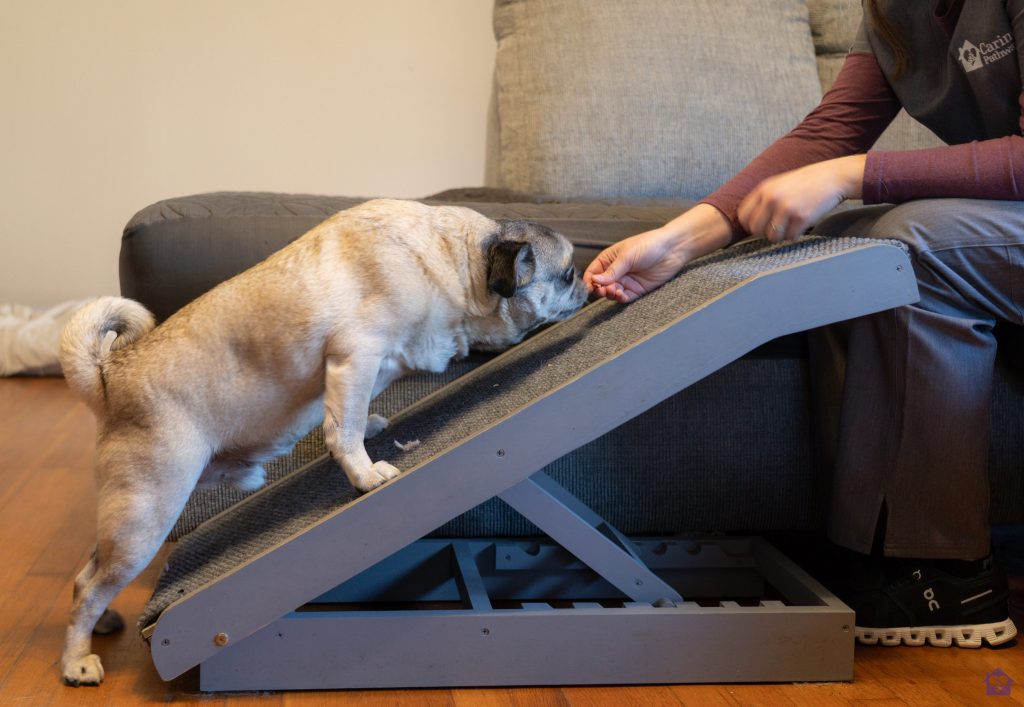
Redefined Exam Room Dynamics: Future-forward clinics are adapting their physical spaces. Examination rooms feature nonslip flooring, soft orthopedic bedding, accessible low-level scales, and ramps. For anxious patients, exams are frequently conducted on the floor or even transitioned to in-home settings.
Advanced Pre-Visit Metrics: Leveraging technology, clinics are increasingly utilizing pre-visit digital questionnaires and video submissions. Clients upload short clips of their pets navigating stairs, rising from rest, or using the litter box—offering clinicians an unvarnished look at functional mobility that cannot be replicated in a sterile examination room.
Routine Advance Care Planning: End-of-life discussions are being decoupled from immediate crises. By introducing advance planning early in the senior lifecycle, veterinarians help families map out functional baselines, identify favorite activities, and discuss quality-of-life tracking tools. This normalizes the conversation around palliative care, ensuring that when the time eventually comes, decisions are guided by love and foresight rather than panic and guilt.
Staged Diagnostic Options: Recognizing that financial realities dictate care, progressive practices offer a spectrum of reasonable medical options. Rather than withholding care because an owner cannot afford a gold-standard diagnostic workup, teams establish staged plans—treating pain and nausea immediately, deferring expensive lab panels, and utilizing technician check-in calls to monitor therapeutic efficacy.
Conclusion
Senior medicine is ultimately defined not just by the chronological length of a pet’s life, but by the quality of that life—measured in comfort, functional mobility, emotional connection, and the empowerment of the family making decisions on their behalf.
By dismantling the barriers that isolate older pets and their owners, and by building visible, empathetic pathways through the aging process, the veterinary profession can ensure that no family has to navigate the twilight years alone. The ultimate invitation to the pet owner is not merely to bring an aging animal in for another routine checkup, but to forge a continuous partnership: armed with a plan for today, a clear understanding of tomorrow, and unwavering support for every milestone along the way.