
Executive Overview
In an era defined by global supply chain vulnerabilities, emerging zoonotic diseases, and escalating threats to agricultural biosecurity, the United States faces a critical human capital deficit: a severe shortage of regulatory and public health veterinarians. To combat this looming crisis, the National Association of State Departments of Agriculture (NASDA) Foundation has secured a significant three-year grant from the U.S. Department of Agriculture’s (USDA) National Institute of Food and Agriculture (NIFA). Funded through the prestigious Veterinary Services Grant Program (VSGP), the newly launched project—titled "Strengthening the Regulatory Veterinary Workforce"—is engineered to bridge the gap between academic veterinary training and the specialized demands of state and federal regulatory medicine.
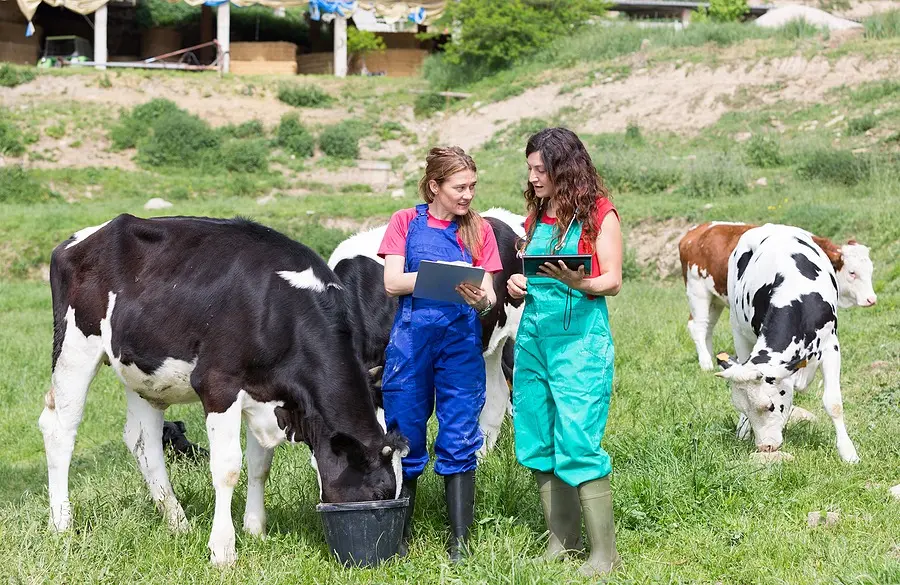
At its core, the program is designed to immerse veterinary students in the high-stakes world of animal disease prevention, regulatory policy, and agricultural biosecurity. By funding immersive, paid summer internships within State Animal Health Official (SAHO) offices, the initiative directly tackles the structural hurdles that historically have prevented veterinary graduates from exploring public service career tracks. Over the course of the three-year grant cycle, nine veterinary students—three per year—will step into 10- to 12-week intensive placements, working shoulder-to-shoulder with veteran state veterinarians, epidemiologists, and agricultural policy architects.
Beyond mere employment placement, the initiative serves as a multi-layered talent pipeline. It combines hands-on field experience in disease surveillance and emergency management with executive-level mentorship and professional networking through platforms like NASDA Next Generation. By introducing students to the profound impact of regulatory veterinary medicine—safeguarding the nation’s livestock inventory, maintaining consumer confidence, and protecting rural economies—the NASDA Foundation and the USDA are making a vital investment in the structural integrity of America’s food supply.
Detailed Chronology of the Initiative
The genesis of the "Strengthening the Regulatory Veterinary Workforce" project represents the culmination of years of advocacy by state agricultural leaders, veterinary educators, and federal policymakers who recognized a structural disconnect in how veterinary talent is distributed.
Phase 1: Identifying the Deficit and Grant Formulation
For over a decade, veterinary colleges across the United States have maintained a heavy clinical focus, prioritizing companion animal medicine, private-practice surgery, and therapeutic care. Consequently, state and federal regulatory offices—the frontline agencies responsible for monitoring foreign animal diseases, executing quarantines, and certifying interstate and international livestock movements—have experienced chronic under-recruitment.
Recognizing this systemic vulnerability, the NASDA Foundation initiated conceptual discussions with the USDA’s NIFA to design a targeted intervention. The strategy leveraged the framework of the Veterinary Services Grant Program (VSGP), which was authorized to support educational programs, rural practice enhancements, and workforce recruitment initiatives. Following months of logistical planning, curriculum alignment, and stakeholder consultations with SAHO offices across the country, the grant application was formally approved, securing crucial federal funding to bring the blueprint to life.
Phase 2: Program Architecture and Recruitment Framework
With funding secured, the NASDA Foundation assumed the responsibility of program administrator. The implementation timeline establishes a structured annual cycle:
- Winter Recruitment and Selection: The NASDA Foundation manages a nationwide application process, targeting veterinary students enrolled in accredited colleges of veterinary medicine who demonstrate an interest in public health, livestock production, or regulatory science.
- Host Office Matching: Selected candidates are paired with State Animal Health Official offices equipped to provide comprehensive, multi-disciplinary mentorship.
- Summer Immersion (10–12 Weeks): Interns step into paid active-duty roles within state departments of agriculture, rotating through disease surveillance labs, policy divisions, and field inspection units.
- Professional Integration: Throughout and following the internship, participants are integrated into the NASDA Next Generation network, ensuring continuous professional development, peer collaboration, and interaction with state agriculture directors.
Phase 3: Deployment and Three-Year Trajectory
The initiative kicked off its operational phase with the establishment of its multi-year timeline, ensuring that cohorts deployed in successive years build upon the institutional lessons learned by their predecessors. The structured rollout guarantees that participating state offices receive consistent, high-caliber student assistance while evaluating the long-term conversion rate of interns into full-time state and federal regulatory veterinarians.
Supporting Context & Metrics: The Anatomy of a Workforce Crisis
To fully grasp the significance of the NASDA-USDA initiative, one must examine the broader socio-economic and epidemiological landscape facing modern agriculture. The American livestock industry represents a multi-billion-dollar economic engine, yet it remains perpetually exposed to devastating biological threats.
The Macroeconomic and Biosecurity Stakes
Livestock and poultry production constitute nearly half of total agricultural cash receipts in the United States. However, this vast biological inventory is increasingly vulnerable to catastrophic transboundary and emerging animal diseases. Pathogens such as Highly Pathogenic Avian Influenza (HPAI), African Swine Fever (ASF), Foot-and-Mouth Disease (FMD), and Chronic Wasting Disease (CWD) pose existential threats not only to animal health, but to international trade stability, rural employment, and food security.
When an outbreak occurs, the speed and accuracy of the response dictate the economic outcome. A delayed diagnosis or an understaffed state veterinary office can allow an infectious disease to sweep through regional herds, triggering immediate trade embargoes, mass depopulations, and billions of dollars in economic shockwaves. Regulatory veterinarians serve as the epidemiological firewalls preventing these scenarios.
The Veterinary Talent Gap
Despite the high stakes, the national veterinary workforce is undergoing a profound demographic and professional shift:
- The Rural Shortage: According to USDA data, hundreds of counties across the United States suffer from veterinary practitioner shortages, particularly in rural, agricultural-heavy regions where large-animal practice is economically challenging.
- The Public Sector Drain: State and federal agencies often struggle to compete with the starting salaries offered by private companion animal practices and corporate veterinary conglomerates.
- Lack of Exposure: As noted by agricultural leaders, standard veterinary school curricula rarely afford students deep exposure to state regulatory operations, leaving many graduates unaware that public service is a viable, intellectually stimulating, and impactful career path.
By providing fully funded, paid summer internships, the NASDA Foundation directly neutralizes the financial barrier that often deters students from pursuing public sector exploratory work, ensuring that economic necessity does not preclude talented future veterinarians from discovering regulatory medicine.

Official Statements and Leadership Insights
The launch of the project has garnered widespread praise from agricultural leaders, veterinary professionals, and policy directors who view the initiative as a model for public-private educational partnerships.
Chris Jones, Senior Director of the NASDA Foundation:
"Many veterinary students have limited opportunities to explore the range of careers available in state and regulatory veterinary medicine. This program will give students firsthand experience working alongside state animal health professionals and help them see how their veterinary training can contribute to public service."
Jones’s observation underscores the structural invisibility of regulatory medicine within traditional academic pipelines. By bridging the gap between ivory-tower education and boots-on-the-ground state governance, the initiative demystifies the daily responsibilities of regulatory veterinarians.
Dr. J.J. Goicoechea, DVM, Nevada Agriculture Director:
"Workforce development, particularly in states experiencing veterinary shortages, is paramount. Hands-on experiences can shape career trajectories, build essential competencies, and strengthen the veterinary workforce supporting animal well-being and agriculture."
Dr. Goicoechea brings a vital frontline perspective to the discussion. Operating in a Western state characterized by vast geographic distances, extensive grazing allotments, and complex wildlife-livestock interfaces, Nevada—like many of its sister states—understands that a robust regulatory veterinary corps is the thin green line protecting local agricultural economies from systemic collapse.
Future Outlook: Building a Resilient Tomorrow
As the "Strengthening the Regulatory Veterinary Workforce" project progresses through its three-year lifecycle, its architects are already looking toward long-term sustainability and systemic expansion.
Transforming Internships into Careers
The ultimate metric of success for this initiative will not merely be the number of students who complete the 10- to 12-week summer program, but the conversion rate of those participants into full-time employment within state and federal animal health agencies. By establishing early, positive touchpoints between students and regulatory leaders, the program aims to build a reliable talent pipeline that feeds directly into state departments of agriculture.
Scaling Up and Institutionalizing Best Practices
Agricultural biosecurity is a dynamic discipline. Climate change, shifting wildlife migration patterns, and intensifying global trade networks mean that foreign animal diseases will continue to test the boundaries of American agricultural defenses. The competencies cultivated through this grant—ranging from rapid-response epidemiology and regulatory compliance to effective stakeholder communication—will serve as a proving ground.
If successful, the framework developed by the NASDA Foundation and the USDA NIFA Veterinary Services Grant Program could serve as a scalable prototype for nationwide implementation. Future iterations could see expanded funding, broader institutional partnerships with all accredited colleges of veterinary medicine, and specialized certificate tracks in agricultural biosecurity.
Ultimately, the initiative is much more than a student internship program. It is a strategic investment in national security. By inspiring and equipping the next generation of veterinarians to step into public service, the NASDA Foundation and the USDA are ensuring that America’s farms, ranches, and food supply chains remain resilient, protected, and prepared for whatever epidemiological challenges tomorrow may bring.