
Executive Overview: The Hidden Cost of Autumn’s Transition
As the canopy shifts to hues of amber and gold, autumn is widely celebrated as a season of relief—a respite from the punishing heat of summer. For dog owners, it promises longer, more comfortable walks and cozy evenings by the hearth. However, veterinary toxicologists and emergency animal hospitals warn that this seasonal transition represents one of the most hazardous windows of the year for domesticated canines. The autumn landscape is not merely a scenic backdrop; it is a dynamic environment teeming with biological, chemical, and domestic threats.
This investigative report examines the multi-layered dangers that emerge between September and November. From the deceptive toxicity of late-blooming flora to the lethal chemistry of winterization agents, and from the culinary pitfalls of harvest cooking to the highly concentrated risks of Halloween, we dissect the twenty-one primary hazards threatening canine health. By understanding the physiological mechanisms of these toxins and the ecological shifts that drive them, pet owners, veterinarians, and communities can transition from reactive emergency care to proactive, preventative guardianship.
Chronicling the Autumn Shift: A Timeline of Seasonal Hazards
The hazards of autumn do not arrive all at once; they manifest in waves as the temperature drops, the flora decays, and human behaviors shift indoors. Understanding this chronological progression allows for targeted vigilance.
[Early Sept - Oct] ──> [Mid-Oct - Nov] ──> [Late Oct (Halloween)]
   Outdoor Flora &        Home Winterization         Festive Foods &
   Fungal Pathogens       & Rodent Control           Holiday Toxins
Phase I: Early Autumn & The Outdoor Renaissance
The initial phase of autumn is characterized by active outdoor exploration. As dogs romp through fallen foliage and wooded trails, they encounter unique botanical and biological threats.

1. Acorns and Oak Leaf Ingestion
As oak trees shed their canopy, they litter lawns and forest floors with acorns. While seemingly harmless playthings, acorns contain high concentrations of gallotannins (tannic acid). When metabolized by the canine digestive system, these compounds cause severe gastrointestinal irritation. In high-volume cases or in smaller breeds, tannic acid can precipitate acute renal (kidney) injury and hepatic (liver) compromise. Furthermore, the physical structure of the acorn—hard, pointed, and indigestible—poses a severe risk of mechanical obstruction in the esophagus, stomach, or small intestine.
2. Autumn Crocus (Colchicum autumnale)
Often confused with its spring-blooming namesake, the Autumn Crocus (also known as Meadow Saffron) is one of the most highly toxic plants in the domestic landscape. The plant contains colchicine, an alkaloid that halts cellular division by disrupting microtubule formation. Ingestion of any part of this plant—especially the bulb—initiates a devastating multi-organ failure cascade. Symptoms can be delayed by several hours or days, beginning with severe, bloody gastrointestinal distress, progressing to bone marrow suppression (causing a catastrophic drop in red blood cells and platelets), and ending in cardiovascular collapse.
[Colchicine Ingestion]
       │
       ▼
[Inhibition of Cellular Mitosis]
       │
       ▼
[Gastrointestinal Mucosal Sloughing] ──► [Bone Marrow Suppression] ──► [Multi-Organ Failure]
3. Chrysanthemums
A staple of autumnal porch decor, chrysanthemums contain pyrethrins, natural insecticidal compounds. While pyrethrins are utilized in controlled doses for certain veterinary flea therapies, raw ingestion of the plant material causes pyrethroid toxicosis. This manifests as hypersalivation (drooling), vomiting, diarrhea, incoordination (ataxia), and skin irritation. While rarely fatal, "mums" present a high-frequency risk for curious puppies.
4. Wild Fungi and Mycological Toxins
Autumn rain coupled with decaying organic matter creates the perfect incubator for wild mushrooms. While approximately 99% of mushroom species are non-toxic or cause only mild self-limiting gastroenteritis, the remaining 1% are highly lethal. Species containing muscarine or hepatotoxic amatoxins (such as Amanita phalloides, the Death Cap) are highly attractive to dogs due to their fishy or earthy odors. Amatoxins are particularly insidious; they inhibit RNA polymerase II, effectively shutting down protein synthesis in the liver. This leads to irreversible acute liver failure, a reality famously highlighted when actor Dwayne "The Rock" Johnson lost his French Bulldog puppy to wild mushroom ingestion.

5. Decaying Leaf Piles and Mycotoxins
The classic autumn leaf pile is a breeding ground for environmental pathogens. As leaves trap moisture, they undergo anaerobic decomposition, fostering the growth of mold, bacteria, and tremorgenic mycotoxins. When a dog roots through or ingests these decaying piles, they can inhale mold spores—triggering acute respiratory distress or allergic bronchopneumonia—or ingest mycotoxins that induce severe muscle tremors, hyperactivity, and grand mal seizures.
6. Ectoparasite Resurgence
A common misconception is that insect activity ceases with the first cool breeze. In reality, many species of fleas, ticks, and mosquitoes experience a late-season surge. Fleas seek warm hosts to survive the impending winter, risking severe flea allergy dermatitis and tapeworm transmission. Ticks, particularly the Blacklegged Tick (Ixodes scapularis), remain highly active in temperatures down to 4°C (39°F), transmitting Lyme disease, Anaplasmosis, and Rocky Mountain Spotted Fever deep into the autumn months.
7. Pre-Hibernation Snake Encounters
As cold-blooded ectotherms, venomous snakes (such as Copperheads, Cottonmouths, and Rattlesnakes) must find overwintering dens (hibernacula) by late autumn. During early autumn, they are highly active, hunting aggressively to build fat reserves. This active foraging brings them into direct conflict with curious dogs. Because snakes are slower and more lethargic in cool morning temperatures, they are more likely to deliver defensive, highly envenomated bites when stepped on or cornered by a dog.
Phase II: Mid-Autumn & Home Winterization
As temperatures plunge, the focus of canine hazards shifts from the forest floor to the garage, basement, and living room.

       ┌────────────────────────────────────────────────────────┐
       │             MID-AUTUMN HOME WINTERIZATION              │
       └───────────────────────────┬────────────────────────────┘
                                   │
         ┌─────────────────────────┼────────────────────────┐
         ▼                         ▼                        ▼
  [Antifreeze Spills]     [Rodenticide Baits]      [Stored Mothballs]
  Sweet-tasting glycol    Anticoagulants cause     Naphthalene vaporizes;
  causes renal failure.   lethal hemorrhaging.     causes severe hemolysis.
8. Ethylene Glycol (Antifreeze)
Perhaps the most notorious chemical hazard of the season, antifreeze change-outs in preparation for winter present an extreme risk. Most conventional engine coolants utilize ethylene glycol as their base. Ethylene glycol has an inherently sweet taste that dogs find highly palatable.
Once ingested, it is rapidly metabolized by the liver enzyme alcohol dehydrogenase into highly toxic metabolites: glycoaldehyde, glycolic acid, and oxalic acid. Oxalic acid binds with systemic calcium to form calcium oxalate monohydrate crystals in the renal tubules. This causes acute, irreversible renal tubular necrosis (kidney failure). A mere tablespoon of ethylene glycol can be fatal to a medium-sized dog.
9. Volatile Essential Oils and Liquid Potpourri
To emulate the aromas of the season, many households deploy liquid potpourri, reed diffusers, and essential oil burners (containing cinnamon, clove, pine, or eucalyptus). Liquid potpourri contains cationic detergents, which are highly corrosive to biological tissue. If a dog knocks over a diffuser and licks the fluid, it can cause severe chemical burns to the tongue, esophagus, and stomach. Furthermore, many essential oils are absorbed transdermally or through inhalation, leading to central nervous system depression, hepatic toxicity, and respiratory failure.
10. Scented Candles and Fire Hazards
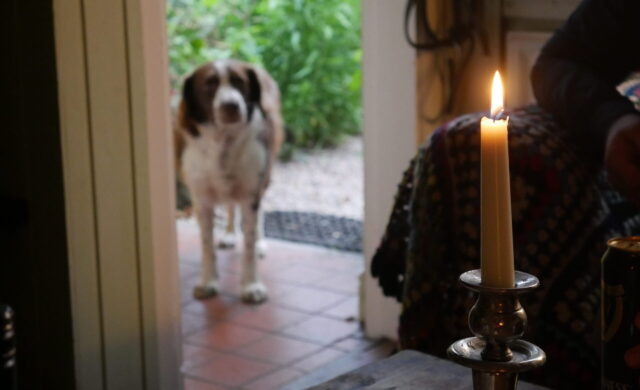
The physical presence of lit candles introduces both a chemical and a thermal threat. Many cheap paraffin-based candles release volatile organic compounds (VOCs) that irritate sensitive canine airways. More critically, an excited dog with a wagging tail can easily tip over a burning candle, causing severe thermal burns to the animal or igniting a devastating house fire.

11. Stored Mothballs
As summer wardrobes are packed away and winter wools retrieved, mothballs are frequently introduced to closets and storage trunks. Mothballs contain highly concentrated insecticidal chemicals: either naphthalene or paradichlorobenzene (PDB). These chemicals readily vaporize to repel pests, but if ingested by a dog, they cause severe Heinz body hemolytic anemia (destruction of red blood cells), methemoglobinemia (inability of blood to carry oxygen), liver damage, and neurological seizures.
12. Rodenticide Intoxication
As field mice and rats seek shelter from the cold, homeowners frequently deploy chemical rodenticides. The most common over-the-counter baits utilize anticoagulant compounds (such as Warfarin, Brodifacoum, or Bromadiolone) or neurotoxins like Bromethalin. Anticoagulant rodenticides inhibit the enzyme vitamin K epoxide reductase, halting the synthesis of blood-clotting factors.
If a dog ingests the bait directly—or consumes a rodent that has eaten the poison (secondary toxicosis)—they will experience systemic, life-threatening internal bleeding. Because the body relies on stored clotting factors, symptoms often do not appear for 3 to 7 days, making diagnosis difficult without active veterinary intervention.
Phase III: The Culinary Harvest & Holiday Hazards
The culinary traditions of autumn—specifically Thanksgiving and harvest festivals—introduce a litany of toxic ingredients and physical hazards from the kitchen.

   [HARVEST INGREDIENTS] ──► [PHYSIOLOGICAL PATHOLOGY IN CANINES]
   ┌───────────────────┐     ┌──────────────────────────────────────────────────┐
   │ Raw Apple Seeds   │ ──► │ Cyanogenic glycosides release lethal cyanide gas │
   │ Alliums (Onions)  │ ──► │ N-propyl disulfide causes hemolytic anemia       │
   │ Yeast Bread Dough │ ──► │ Ethanol fermentation causes gastric expansion    │
   │ Cooked Bones      │ ──► │ Splintering causes GI perforation & peritonitis  │
   └───────────────────┘     └──────────────────────────────────────────────────┘
13. Corn Cobs
Corn is a ubiquitous decoration and side dish in autumn. While corn kernels themselves are non-toxic, the central fibrous cob is entirely indigestible. Dogs are drawn to chew on discarded cobs due to the residual sweet butter and salt. If swallowed, even in medium-sized chunks, the cob acts as a perfect cylindrical plug in the small intestine. It cannot be broken down by gastric acid, necessitating emergency abdominal surgery (enterotomy or enterectomy) to prevent intestinal rupture and fatal peritonitis.
14. Apple Seeds and Cyanogenic Glycosides
Apple picking is a classic autumn pastime, but fallen apples present a dual threat. The seeds of apples contain amygdalin, a cyanogenic glycoside. If a dog thoroughly chews and swallows a large quantity of apple seeds, the amygdalin is enzymatically degraded into hydrogen cyanide. Cyanide blocks cellular respiration by inhibiting cytochrome c oxidase in the mitochondrial electron transport chain, preventing cells from utilizing oxygen. While an occasional seed is harmless, dogs accessing windfallen apples in orchards can easily consume toxic quantities.
15. Rich Baked Treats and Yeast Doughs
Autumn baking relies heavily on ingredients that are highly toxic to canines. Raisins and grapes can induce idiosyncratic, acute renal failure in dogs; even a tiny quantity can be lethal to certain individuals. Macadamia nuts cause a unique temporary neurological syndrome characterized by hind-limb paralysis, tremors, and hyperthermia. Nutmeg contains myristicin, a compound that causes hallucinations, disorientation, and seizures.
Furthermore, raw yeast doughs left to rise on countertops present a double emergency: the warm environment of the stomach causes the yeast to rapidly ferment, producing ethanol (causing severe alcohol poisoning) and releasing carbon dioxide gas, which expands the stomach to the point of gastric dilatation-volvulus (GDV or "bloat").
16. Cooked Poultry Bones
Turkey legs and chicken wings are festive staples, but once cooked, these bones undergo structural changes. Raw bones are relatively pliable, but cooking dehydrates the bone matrix, making it brittle. When chewed by a dog, cooked bones splinter into razor-sharp shards. These shards can puncture the esophagus, stomach, or intestinal walls, leading to sepsis and rapid death if not surgically corrected.
17. Alliums (Onions, Garlic, Leeks, Chives)
The foundation of many savory autumn dishes, members of the Allium family contain organosulfur compounds such as N-propyl disulfide. This compound causes oxidative damage to the hemoglobin inside canine red blood cells. This damage causes the hemoglobin to clump, forming "Heinz bodies." The spleen identifies these damaged red blood cells as foreign and destroys them, resulting in hemolytic anemia. Symptoms of pale gums, dark red urine, lethargy, and rapid heart rate may take several days to manifest.
18. Alcohol and Fermented Sugars
From hard ciders to festive punches, alcohol is highly prevalent in autumn gatherings. Dogs possess highly sensitive metabolic pathways that cannot efficiently process ethanol. Ingestion of even small quantities of alcohol, or the alcohol present in raw dough and rotting fallen fruits, leads to rapid central nervous system depression, hypothermia, metabolic acidosis, and respiratory arrest.
Phase IV: Late Autumn & Halloween Perils
The transition into late October brings Halloween, a holiday that combines environmental, behavioral, and toxicological risks into a single, high-risk 24-hour period.
19. Cheaply Constructed Costumes
While dressing pets up for Halloween is highly popular, many commercial pet costumes are manufactured using cheap synthetic fibers, toxic dyes, and loose plastic embellishments. These costumes present several critical dangers:
- Choking & Obstruction: Small plastic eyes, sequins, or buckles can be easily chewed off and swallowed.
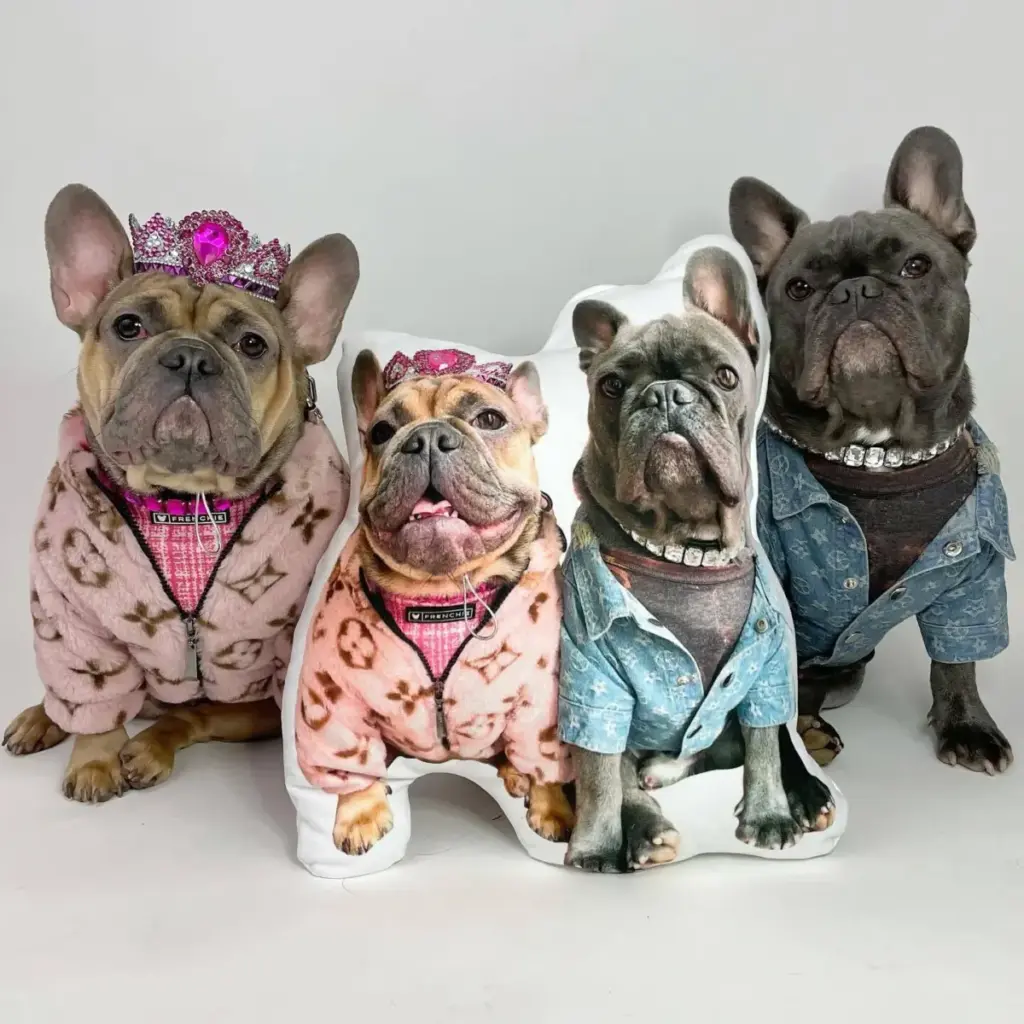
- Impaired Thermoregulation: Heavy synthetic fabrics trap body heat, predisposing dogs (especially brachycephalic breeds like Pugs and Bulldogs) to rapid heatstroke.
- Anxiety & Restricted Movement: Costumes that restrict a dog’s ears, tail, or limbs can induce severe panic, leading to defensive biting or flight behaviors.
20. The Halloween Candy Cache
The sheer volume of candy brought into households on Halloween represents a toxicological minefield. The two primary threats are chocolate and the sugar-free sweetener xylitol (birch sugar).
   [CANDY BOWL INGESTION]
             │
      ┌──────┴────────────────────────┐
      ▼                               ▼
[Chocolate / Theobromine]     [Sugar-Free Candy / Xylitol]
      │                               │
      ▼                               ▼
* Blocks adenosine receptors   * Triggers massive insulin release
* Increases heart rate         * Profound hypoglycemia (<30 mins)
* Causes arrhythmias/seizures * Acute hepatic necrosis (liver failure)- Chocolate (Theobromine and Caffeine): These methylxanthine compounds stimulate the central nervous system and cardiac muscle. Dogs metabolize theobromine extremely slowly. High doses lead to tachycardia (racing heart rate), cardiac arrhythmias, severe muscle tremors, seizures, and death. Dark chocolate and cocoa powder present the highest risk due to their highly concentrated theobromine content.
- Xylitol (Birch Sugar): Found in sugar-free candies, gums, and baked goods, xylitol is an extremely potent toxin to dogs. In canines, the pancreas mistakes xylitol for glucose, triggering a massive, rapid release of insulin. Within 30 minutes of ingestion, the dog’s blood sugar drops to life-threatening levels (severe hypoglycemia), causing collapse and seizures. At higher doses, xylitol causes acute, irreversible hepatic necrosis (destruction of the liver).
21. Glow Sticks and Luminescent Jewelry
Used to keep children visible in the dark, glow sticks contain a chemical called dibutyl phthalate. While this chemical is not highly toxic in terms of organ damage, it is extremely bitter. If a dog bites into a glow stick, the chemical causes immediate, dramatic hypersalivation, foaming at the mouth, and mild vomiting. While the reaction is highly distressing to owners, it is generally self-limiting and can be resolved by flushing the dog’s mouth with fresh water.
Toxicological Insights and Epidemiological Metrics
To understand the severity of these autumnal threats, it is necessary to examine the physiological mechanisms and toxicological thresholds that govern them. The table below outlines key toxicological parameters for the most critical autumn hazards:
| Toxin / Hazard | Primary Active Agent | Target Organ System | Toxic Threshold / LD50 (Canine) | Primary Clinical Indicator |
|---|---|---|---|---|
| Antifreeze | Ethylene Glycol | Kidneys (Renal Tubules) | 4.4 to 6.6 mL/kg | Calcium oxalate crystalluria, uremic halitosis |
| Xylitol | Xylitol | Pancreas, Liver | >0.1 g/kg (Hypoglycemia); >0.5 g/kg (Hepatic necrosis) | Acute ataxia, seizures, severe hypoglycemia |
| Chocolate | Theobromine | Cardiovascular, CNS | 100-200 mg/kg (Severe); 20 mg/kg (Mild GI symptoms) | Tachycardia, arrhythmias, muscle rigidity |
| Autumn Crocus | Colchicine | Systemic (Cellular Mitosis) | Extremely low (All parts toxic) | Bloody diarrhea, multi-organ hemorrhage |
| Onions/Garlic | N-propyl disulfide | Erythrocytes (Red Blood Cells) | 15-30 g/kg (Onions); 5 g/kg (Garlic) | Heinz body anemia, pale mucous membranes, dark urine |
| Mothballs | Naphthalene | Erythrocytes, Liver | ~400 mg/kg | Methemoglobinemia, vomiting, seizures |
The Mechanics of Ethylene Glycol Destruction
The metabolic pathway of ethylene glycol is a race against time. Once ingested, the compound is rapidly absorbed by the gastrointestinal tract. Within 3 hours, peak blood concentrations are reached. The liver enzyme alcohol dehydrogenase converts the parent compound into glycolic acid.
As glycolic acid accumulates, it causes severe metabolic acidosis. This is followed by the formation of oxalic acid, which precipitates with calcium to form needle-like calcium oxalate crystals in the kidneys. These crystals physically tear and plug the renal tubules, leading to anuric renal failure—a state where the kidneys can no longer produce urine, leading to rapid systemic toxicity.
Xylitol-Induced Pancreatic Crisis
In humans, xylitol does not affect insulin secretion. In dogs, however, it is a potent insulin secretagogue. The canine pancreas absorbs xylitol and responds as if it were a massive bolus of glucose, releasing up to ten times the physiological requirement of insulin. This results in profound hypoglycemia.
Furthermore, the mechanism behind xylitol-induced hepatic necrosis remains under investigation, but toxicologists believe it is linked to ATP depletion within hepatocytes (liver cells), leading to cellular death and liver failure.
Official Statements and Veterinary Protocols
Leading veterinary organizations emphasize that preparation and rapid response are the most critical factors in surviving an autumn poisoning event.
The American Veterinary Medical Association (AVMA) has issued standing guidance regarding the seasonal spike in emergency admissions:
"The transition into autumn represents a statistical peak in accidental poisoning cases at emergency veterinary clinics nationwide. The combination of falling temperatures—which drives chemical use like antifreeze and rodenticides—and holiday celebrations creates a highly concentrated risk environment. We urge pet owners to secure their garages and kitchens, and to keep emergency toxicological contact information readily available."
Clinical Intervention Protocols
If a dog is suspected of ingesting a toxin, emergency veterinary clinics follow a strict triage protocol:

[Patient Presenting with Suspected Ingested Toxin]
                       │
                       ▼
             [Assess Airway & Vital Signs]
                       │
       ┌───────────────┴───────────────┐
       ▼                               ▼
[Ingestion < 2 Hours]        [Ingestion > 2 Hours / Symptomatic]
  * Induce Emesis (Apomorphine) * Do NOT induce emesis
  * Administer Activated Charcoal  * Administer IV fluids / Antidotes
* Supportive care (Oxygen, anticonvulsants)- Decontamination (Emesis): If the ingestion occurred within 2 hours and the dog is asymptomatic, veterinarians will typically induce vomiting using apomorphine (a dopamine agonist administered in the conjunctival sac of the eye). Note: Emesis is strictly contraindicated if the dog has ingested corrosive chemicals (like liquid potpourri), petroleum products, or is showing signs of central nervous system depression.
- Adsorption: Activated charcoal is administered orally to bind to any remaining organic toxins in the gastrointestinal tract, preventing further systemic absorption.
- Antidote Administration:
- For Ethylene Glycol, 4-Methylpyrazole (Fomepizole/4-MP) or ethanol is administered to competitively inhibit alcohol dehydrogenase, preventing the formation of toxic metabolites.
- For Anticoagulant Rodenticides, high-dose Vitamin K1 therapy is initiated and maintained for 3 to 4 weeks.
- For Xylitol, aggressive, continuous intravenous dextrose infusions are maintained to combat hypoglycemia.
Future Outlook: A Proactive Preventive Framework
As veterinary medicine advances and climate change alters ecological patterns, the strategies for protecting dogs in the autumn are evolving.
Climate Change and the "Extended Autumn"
Climatologists and veterinary epidemiologists note that warmer global temperatures are extending the active season of vectors like ticks and mosquitoes. The traditional "hard freeze" that once ended parasite seasons in early October is occurring much later in the year, or not at all in certain regions. Consequently, veterinarians now advocate for year-round flea, tick, and heartworm preventative therapy, abandoning the legacy practice of stopping treatments in the winter.
Transitioning to Pet-Safe Chemistries
Industries are gradually responding to consumer demand for pet-safe alternatives to common autumn hazards:
- Propylene Glycol Coolants: Pet owners are encouraged to replace ethylene glycol-based antifreezes with propylene glycol-based alternatives. While still toxic in massive quantities, propylene glycol is significantly less toxic and lacks the enticing sweet flavor of its predecessor.
- Non-Toxic Pest Control: Homeowners are shifting away from anticoagulant rodenticides toward physical traps, smart exclusion barriers, and non-toxic repellent formulations to eliminate the risk of secondary pet poisonings.
The Power of Public Education
Ultimately, the most effective tool in reducing autumn veterinary emergencies is public awareness. By understanding that a simple walk in the woods or a festive family dinner can quickly turn into a medical crisis, dog owners can implement simple, life-saving boundaries:

- Keeping dogs on a short leash during autumn hikes to prevent mushroom and acorn ingestion.
- Securing all holiday baking ingredients and Halloween candy in high, latching cabinets.
- Raking and bagging leaves immediately to prevent toxic mold accumulation.
- Ensuring the contact numbers for the ASPCA Animal Poison Control Center (888-426-4435) and the Pet Poison Helpline (855-764-7661) are programmed into every family member’s phone.
By combining clinical awareness with active environmental management, we can ensure that autumn remains a season of beauty, warmth, and safety for our canine companions.