
Executive Overview
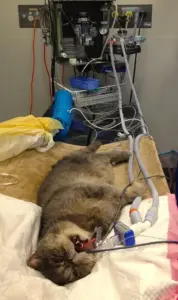
The holiday season—a time traditionally marked by warmth, family gatherings, and festive celebrations—introduces a hidden cascade of hazards for the domestic animals that share our homes. While pet owners invariably view their cats and dogs as cherished family members deserving of inclusion in seasonal festivities, the convergence of novel decorations, rich foods, toxic flora, and travel-induced stress creates a persistent spike in emergency veterinary visits throughout November and December.
According to veterinary professionals and clinical educators, the vast majority of these holiday mishaps are entirely preventable. Often, emergency presentations stem not from owner negligence, but from a fundamental lack of awareness regarding subtle toxins, linear foreign body risks, and the physiological impacts of household disruption on companion animals.
This comprehensive guide—synthesizing clinical insights and expert recommendations from Jennifer Serling, MVEd, BVSc, AAS, CVT, RVT, VTES, Director of the Bachelor of Veterinary Technology Program at Appalachian State University and President of the National Association of Veterinary Technicians in America—equips veterinary teams, clinic staff, and dedicated pet owners with the authoritative knowledge required to preemptively mitigate seasonal dangers. By shifting the clinical focus from reactive emergency management to proactive, year-round client communication, veterinary practices can successfully safeguard animal welfare and ensure that the holiday season remains a time of joy rather than clinical crisis.
Detailed Chronology
Preventing holiday-related veterinary emergencies requires a structured, timeline-based approach to client education. Waiting until an animal presents with acute toxicity or a gastrointestinal obstruction is a reactive failure; true veterinary stewardship begins weeks before the first decorative garland is hung.
Early November: Laying the Groundwork and Proactive Screening
The frontline defense against holiday hazards begins well before the festivities commence. Veterinary technicians and front-desk staff hold a pivotal role during this initial phase, as they typically spend the most face-to-face and phone time with clients.
- The Power of the Single Question: Beginning in early November, wellness visits, routine check-ups, and pharmacy pickups should incorporate a standardized screening question: "Do you have any special holiday plans? Are you traveling or having company?" The client’s response immediately dictates the required educational trajectory, whether it involves sorting out international travel health certificates, preparing a quiet sanctuary space for a noise-phobic cat, or reviewing dangerous flora commonly found in holiday floral arrangements.
- Travel Preparations: Families planning to cross state lines or travel internationally must initiate paperwork weeks or even months in advance. International health certificates require meticulous adherence to variable destination requirements, rabies vaccination protocols, and parasite prevention schemes (such as heartworm and leptospirosis coverage). Routine microchip scans should be performed at these pre-travel visits, alongside reminders to update online registries with current contact information.
- Introducing Travel Crates: Sudden exposure to a transport carrier on the morning of a trip introduces acute anxiety. Veterinary professionals should advise clients to integrate the travel crate into the home environment weeks in advance, transforming it into a familiar, safe resting place rather than a harbinger of forced displacement.
Mid-November to December: Managing Environment, Diet, and Decorations
As homes transform with holiday decorations, the domestic landscape shifts into a minefield of potential physical and chemical injuries.
Festive Feasting and Safe Substitutions
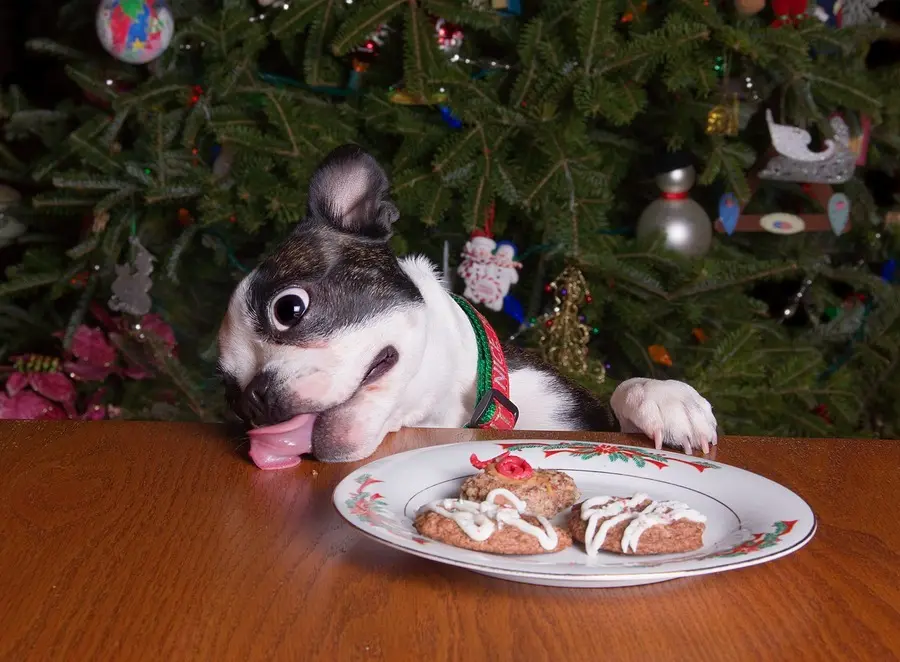
Clients naturally wish to share holiday meals with their pets, but rich, fatty leftovers can rapidly trigger acute pancreatitis—a painful and potentially fatal condition. Instead of outright prohibitions, veterinary teams should champion safe, species-appropriate alternatives:
- Approved Snacks: Small portions of plain, cooked, skinless white-meat turkey, raw carrots, green beans, apple slices (completely devoid of seeds), assorted berries, banana slices, and plain canned pumpkin (strictly distinguishing it from spiced pie filling).
- Caloric Boundaries: Treats, even healthy ones, must not exceed approximately 10 percent of a pet’s total daily caloric intake. Furthermore, animals with a clinical history of pancreatitis or those managed on strict prescription diets must remain exclusively on their regular food formulations.
Navigating Decorative Hazards
Holiday decorations are inherently novel, shiny, and frequently positioned at animal eye- and nose-level. They provoke four primary categories of veterinary emergency:
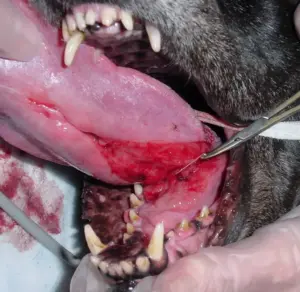
- Linear Foreign Bodies: Tinsel, curling ribbon, string, and garland represent ultimate hazards, particularly for cats. An unexpected December presentation involving vomiting, anorexia, or abdominal pain warrants an immediate inspection under the tongue for an anchored string. Clinical Rule: Never pull a string anchored beneath the tongue; similarly, never yank a string protruding from the rectum if any resistance is felt. Ornaments, ornament hooks, small toys, gift wrap, and decorative stones in table centerpieces round out the list of common physical obstructions. Glass ornaments frequently cause painful paw and oral lacerations.
- Electrocution and Thermal Burns: Puppies, kittens, and rabbits are naturally inclined to investigate and chew on exposed electrical cords and twinkling light strings. Beyond immediate oral burns, electric shocks can precipitate noncardiogenic pulmonary edema—a severe respiratory crisis with a delayed onset of 12 to 36 hours. Any animal suspected of biting a live cord must undergo immediate veterinary examination and continuous chest monitoring, regardless of how clinically stable it initially appears. Open flames from candles, menorahs, and unprotected fireplaces similarly cause singed whiskers and localized skin burns.
- Chemical Poisoning: Liquid potpourri products contain essential oils and cationic detergents capable of causing severe oral and esophageal ulceration, with felines exhibiting extraordinary sensitivity. Homemade salt-dough ornaments invite hypernatremia, manifesting as vomiting, muscle tremors, and seizures. Decorative snow globes may harbor toxic ethylene glycol (antifreeze), while discarded button batteries from new electronics cause devastating alkaline burns (for which emesis must never be induced). Additionally, Christmas tree stands should be securely covered to prevent pets from drinking stagnant water tainted with fertilizers, preservatives, and bacterial blooms.
- Airway and Respiratory Irritants: Scented candles, plug-in air fresheners, aerosolized essential oils, spray-on artificial snow, and heavy fireplace smoke irritate delicate respiratory tracts. This danger is acutely elevated for brachycephalic dog breeds, asthmatic cats, and avian pets. Bird owners must be explicitly warned that overheating nonstick (polytetrafluoroethylene or PTFE) cookware during holiday culinary marathons can release lethal fumes, causing rapid mortality in caged birds even when housed in separate rooms.
Botanical Dangers
While seasonal plants add undeniable aesthetic warmth to holiday decor, many popular species present profound clinical risks. The following reference matrix outlines the principal botanical threats encountered during the winter season:
| Plant Species | Main Clinical Concern | Typical Clinical Signs |
|---|---|---|
| Lilies (Lilium, Hemerocallis) | Acute kidney injury in cats; all plant parts, including pollen and vase water, are intensely nephrotoxic. | Vomiting, lethargy, followed by polyuria or anuria within 1 to 3 days. |
| Azaleas | Grayanotoxins disrupt voltage-gated sodium channels. | Vomiting, hypersalivation, generalized weakness, bradycardia, and cardiac arrhythmias. |
| Amaryllis | Lycorine and associated alkaloids (concentrated highest in the bulb). | Vomiting, severe diarrhea, abdominal pain, hypersalivation. |
| Mistletoe | Typically induces mild gastrointestinal upset; massive ingestion can rarely impact cardiac function. | Nausea, vomiting, diarrhea. |
| Holly | All structures cause gastrointestinal irritation; sharp, spiny leaves frequently lacerate oral mucosa. | Drooling, vomiting, diarrhea, lethargy. |
| English Ivy | Hederagenin, a complex triterpenoid saponin. | Hypersalivation, abdominal pain, vomiting. |
| Evergreens and Juniper | Needles cause direct mechanical irritation to the mouth and gastrointestinal tract; potential for mechanical obstruction. | Oral discomfort, vomiting, rare GI obstruction. |
| Chrysanthemums | Natural pyrethrins and sesquiterpene lactones. | Dermatitis, hypersalivation, vomiting, diarrhea, motor incoordination. |
| Poinsettias | Mild irritant milky sap; statistically the least toxic plant on this registry. | Mild self-limiting oral irritation and transient vomiting. |
Clinical Note: Lilies demand absolute zero-tolerance communication. Even an infinitesimal grain of pollen ingested during self-grooming can trigger catastrophic renal failure in a cat. Conversely, poinsettias carry an exaggerated historical stigma; educating clients on their true, relatively benign nature redirects finite owner anxiety toward truly lethal flora.
Supporting Context & Metrics
The operational pressures facing veterinary clinics during the fourth quarter of the calendar year are immense. Emergency hospitals frequently report surges in caseloads directly tied to seasonal indiscretions, dietary changes, and household commotion.
Understanding the psychological and physiological impacts on pets during this period clarifies why structured preventative education is so vital:
- The Stress Axis: The introduction of unfamiliar guests, rearranged furniture layouts, boisterous social gatherings, and erratic daily schedules instigates severe behavioral stress in companion animals. This manifests as chronic fear-responses, excessive hiding, inappropriate elimination, acute gastrointestinal distress, and heightened reactivity leading to bite incidents. Stress-related systemic illnesses can manifest with startling rapidity in vulnerable patients.
- Financial Toxicity: Unplanned emergency surgeries for linear foreign body retrieval, multi-day intensive care stays for acute kidney injury, or advanced management of severe pancreatitis place immense financial strain on families. Because these crises occur during a season already characterized by elevated consumer spending, pet owners are frequently forced into agonizing financial decisions regarding veterinary care.
- The Insurance Conversation: Introducing the concept of pet insurance well in advance of the holiday season—rather than attempting to discuss financial coverage in the midst of an acute emergency—empowers families to make clinical decisions guided purely by the medical best interests of the animal. Furthermore, this dialogue serves as an organic entry point for households contemplating the adoption of a new pet during the holiday season.
Official Statements
To ensure clarity and standardization in client communications, leading veterinary organizations and industry experts advocate for concise, positive reinforcement strategies paired with transparent triage protocols.
According to Dr. Jennifer Serling, effective client communication relies on actionable simplicity:
"Giving clients a safe alternative works better than a list of things they can’t do. Clients want their furry family members to feel a part of the holiday celebrations. When we pair each ‘don’t’ with a ‘do’—such as skipping the ham drippings while offering a few plain green beans—clients remember practical swaps and demonstrate significantly higher compliance."
Regarding travel safety and behavioral management, institutional guidelines from bodies such as the American Veterinary Medical Association (AVMA) emphasize caution:
"The American Veterinary Medical Association and other veterinary authorities do not recommend sedating pets for air travel because heavy sedation can dangerously depress respiration and blood pressure, as well as impair natural thermoregulation. For vehicular transport, situational anxiolytics such as gabapentin or trazodone provide a much safer alternative, provided a trial dose is administered at home prior to travel to assess individual patient response."
Finally, regarding emergency preparedness, veterinary triage teams must be universally empowered to extract critical metrics from distressed callers. Clinic front-desk personnel should be thoroughly trained to immediately ascertain four vital pieces of information during any suspected toxic ingestion or trauma call:
- What exact substance or object was consumed?
- How much of the material was ingested?
- When did the ingestion occur (the precise timeline)?
- What is the current weight and clinical status of the animal?
Future Outlook
Looking toward the future of veterinary practice management and preventive medicine, the integration of multi-channel client communication models stands out as the most effective mechanism for reducing seasonal emergency caseloads.
Relying solely on in-person verbal warnings during a standard wellness exam is no longer sufficient in an era of information saturation. Forward-thinking veterinary clinics are adopting a holistic, omni-channel outreach strategy:
- Digital Integration: Deploying concise, highly engaging digital assets—such as one-page downloadable infographics detailing toxic foods and hazardous plants—directly to clinic social media channels and attaching them to automated appointment-reminder emails ensures outreach to clients who may not visit the clinic during the autumn months.
- Visual Media: Producing short-form video content demonstrating how to securely anchor a holiday tree, safely configure a car transport crate, or establish a quiet containment room for a noise-sensitive pet yields exceptionally high client engagement metrics.
- Website Optimization: Maintaining an updated, search-engine-optimized clinic website ensures that emergency queries executed via mobile devices in moments of crisis immediately direct frantic pet owners to accurate, life-saving triage protocols.
Ultimately, holiday-related veterinary emergencies remain largely avoidable events. By transforming routine touchpoints into educational opportunities, deploying clear and compassionate messaging, and ensuring that triage teams are impeccably trained, veterinary professionals can successfully insulate patients from seasonal harm.
As the holiday season draws to a close, veterinary teams equipped with these proactive strategies can take immense professional satisfaction in knowing their diligence successfully kept countless pets out of the emergency room—allowing both animals and their human families to enjoy a safe, healthy, and harmonious celebration.