The landscape of pet product safety in 2026 has been marked by heightened regulatory activity and persistent public health debates. To date, regulatory agencies have recorded 16 distinct pet product recalls. Crucially, eight of these enforcement actions stemmed from bacterial contamination—six explicitly tied to Salmonella species and two attributed to Listeria monocytogenes. These safety events have reignited a critical discourse among pet owners, veterinarians, and consumer advocates regarding the true scope of biological risks posed by commercial animal feed and the regulatory frameworks governing them.
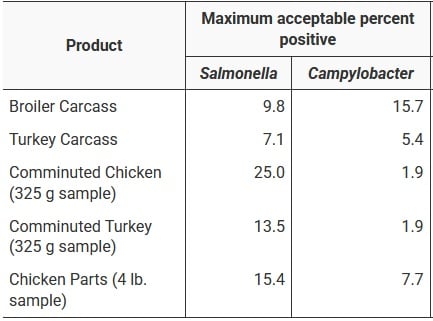
While public health agencies frequently emphasize the perils of microbial contamination in raw pet diets, an investigative analysis of government data reveals a complex regulatory dichotomy. The United States Department of Agriculture (USDA) and the Food and Drug Administration (FDA) maintain starkly divergent standards for bacterial tolerances in human food versus animal feed. While the USDA permits a regulatory threshold where up to 25 percent of human-grade raw ground chicken samples may test positive for Salmonella, the FDA enforces a strict zero-tolerance policy across all commercial pet food formats.
Furthermore, a closer examination of FDA surveillance data on canine and feline fecal shedding indicates that while raw food diets are often singled out as primary vectors for bacterial transmission, the overwhelming majority of pets shedding Salmonella in federal field studies consumed non-raw, processed diets. This report examines the data behind the 2026 recall wave, deconstructs federal safety standards, and evaluates the comparative microbiological risks confronting both companion animals and human households.
Detailed Chronology: The 2026 Surge and Regulatory Trajectory
The 2026 surge in pet food recalls reflects an intensification of regulatory oversight that has built up over the past decade. Following the implementation of the FDA Food Safety Modernization Act (FSMA) preventive controls for animal food, federal authorities have increased random surveillance, target testing, and facility inspections.
Key Milestones in Pet Food Microbial Oversight
Establishment of Zero-Tolerance Mandates: The FDA Center for Veterinary Medicine (CVM) finalized its Compliance Policy Guide (CPG Sec. 690.800), establishing a strict zero-tolerance policy for Salmonella in all pet foods and pet treats. Under this framework, any pet food product containing detectable Salmonella colonies is deemed adulterated under section 402(a)(1) of the Federal Food, Drug, and Cosmetic Act.
The Shift Toward Zoonotic Mitigation: Federal regulatory focus shifted from solely preventing clinical illness in animals to mitigating zoonotic risks—the cross-transmission of bacteria from pet products to human caregivers via direct handling or contact with infected pets.
The 2026 Recall Escalation: Through the current calendar year, 16 commercial pet products have been pulled from market shelves. Biological hazards accounted for 50 percent of all actions, with six recalls triggered by Salmonella contamination and two by Listeria monocytogenes. The affected categories encompassed frozen raw formulations, dehydrated treats, and traditional kibble, illustrating that bacterial risks cross multiple manufacturing methodologies.
The frequency of these enforcement actions has raised essential questions for consumers: How vulnerable are pets to clinical illness from these pathogens, and to what extent does commercial pet food contribute to human disease burdens?
Supporting Context & Metrics: Regulatory Discrepancies and Bacterial Data
To evaluate public health exposure accurately, one must examine the metrics established by federal oversight bodies and the empirical research conducted on bacterial shedding.
The USDA vs. FDA Regulatory Divide
A major paradox in federal food safety administration lies in the divergence between USDA regulations governing human meat consumption and FDA rules governing animal feed.
The USDA’s Food Safety and Inspection Service (FSIS) establishes performance standards for Salmonella and Campylobacter in raw poultry products processed at slaughter facilities. Because raw poultry is intended to be cooked by the consumer prior to consumption, the USDA permits specific percentages of positive pathogen tests within commercial processing facilities.
Conversely, the FDA oversees all domestic and imported pet foods. Under the stance that pet food is handled directly in domestic kitchens and eaten raw by animals, the FDA enforces absolute zero tolerance for Salmonella across all product categories—including raw pet foods.
Regulatory Body
Jurisdictional Scope
Product Category
Maximum Allowable Salmonella Positive Rate
USDA (FSIS)
Human Food Supply
Whole Chicken / Turkey
Performance standard monitored; allowable baseline
USDA (FSIS)
Human Food Supply
Chicken Parts
Regulated performance standard limits
USDA (FSIS)
Human Food Supply
Raw Ground Chicken
Up to 25.0% Positive
USDA (FSIS)
Human Food Supply
Raw Ground Turkey
Standardized threshold allowed
FDA (CVM)
Animal Feed / Pet Food
Raw Ground Poultry Pet Food
0.0% (Zero Tolerance)
FDA (CVM)
Animal Feed / Pet Food
Commercial Kibble / Dehydrated
0.0% (Zero Tolerance)
This distinction reveals an unexpected statistical reality: raw ground poultry purchased at a conventional supermarket for human consumption carries a significantly higher regulatory acceptance rate for Salmonella contamination than any commercial pet food product legally distributed in the marketplace.
Acceptable Salmonella Pathogen Limits by Agency

  USDA (Human Ground Chicken) ───► [████████████] 25.0% Maximum Allowed
  FDA  (All Pet Foods)        ───► [] 0.0% Tolerance
Deconstructing the FDA Fecal Shedding Study
Central to the FDA’s enforcement approach is the potential for domestic animals to shed bacteria in their feces, indirectly exposing human households to infection. To assess the scope of this vector, the FDA conducted a comprehensive surveillance study evaluating bacterial presence in companion animal waste.
The study screened stool samples from 542 cats and 2,422 dogs across various geographical regions and dietary regimens.
The study’s macro-level results showed a low baseline rate of infection:
Feline Prevalence: Fewer than 1 percent of cats tested positive for Salmonella (3 out of 542).
Canine Prevalence: 2.5 percent of dogs tested positive for Salmonella (60 out of 2,422).
The Dietary Breakdown of Positive Canine Cases
In its summary findings, the FDA highlighted that dogs consuming raw food diets were statistically more likely to shed Salmonella, citing that 10 of the 60 positive dogs (16.7%) consumed raw food.
However, a rigorous statistical analysis of the remaining dataset reveals an essential oversight in public health messaging:
Dietary Composition of Salmonella-Positive Dogs (60 Total Cases)

  Raw Diet Consumers:       [███] 10 Dogs (16.7%)
  Non-Raw Diet Consumers:   [███████████████] 50 Dogs (83.3%)
While 10 of the positive dogs were on raw diets, 50 of the 60 positive dogs (83.3%) consumed non-raw diets—such as dry extruded kibble, gently cooked foods, or canned products. The FDA study did not publicly differentiate or categorize the specific diet formats for these 50 positive cases. Consequently, while raw diets correlate with higher individual relative risk, the absolute vast majority of dogs actively shedding Salmonella in the study were fed conventional, processed pet foods.
Official Statements & Agency Frameworks
Understanding the broader risks of Salmonella requires reviewing the official positions held by federal disease monitoring agencies, regulatory bodies, and consumer protection advocates.
The FDA Position on Pet Health and Transmission
Regarding animal susceptibility to Salmonella infection (salmonellosis), official literature from the FDA Center for Veterinary Medicine notes:
"Salmonellosis is uncommon in dogs and cats, but they can be carriers of the bacteria. When the disease is seen in an adult dog or cat, the animal typically has another infection or health problem at the same time. Puppies and kittens are more likely to show signs of disease."
The agency emphasizes that while adult pets rarely exhibit overt clinical symptoms—such as severe diarrhea, fever, or vomiting—their status as subclinical carriers presents an ongoing cross-contamination hazard within human living spaces.
The CDC Assessment of Human Zoonotic Burden
The Centers for Disease Control and Prevention (CDC) places the human risk profile at a much higher priority tier. According to official CDC estimations:
Salmonella causes approximately 1.35 million human infections, 26,500 hospitalizations, and 420 deaths in the United States every year.
Food is the primary vector for these infections, though direct contact with animals, animal environments, and contaminated pet products forms a documented secondary transmission pathway.
The CDC underscores that vulnerable human populations—including infants, adults over 65, and immunocompromised individuals—face elevated risks of severe disease, systemic bacteremia, and long-term complications from exposure to Salmonella strains.
Consumer Advocacy and Regulatory Critique
Pet food consumer advocates, led by organizations such as the Association for Truth in Pet Food, have voiced concerns over what they characterize as an asymmetric public health communications strategy. Commenting on the 2026 data and historical regulatory trends, advocate Susan Thixton stated:
"The reality is, any style of pet food can be a risk for Salmonella contamination. Pet owners should not be lax in hand washing, cleaning pet bowls, and utensils for any style of pet food… We encourage the FDA to provide consistent reminders to pet owners regarding hand washing and bowl washing—just as the USDA continues to do with handling of raw meat."
Advocates point out that by disproportionately framing Salmonella as exclusively a raw food issue, federal communications may inadvertently give pet owners feeding kibble or canned foods a false sense of security, leading to lax hygiene practices when handling processed diets.
Future Outlook & Actionable Safety Protocols
As federal surveillance technologies improve—including the integration of Whole Genome Sequencing (WGS) to trace foodborne outbreaks directly back to processing facilities—the number of detected pet food safety events is projected to remain elevated. Reconciling public policy with practical risk management requires both regulatory refinement and proactive consumer education.
Projected Regulatory Developments
Unified Hygiene Messaging: Regulatory analysts anticipate pressure on the FDA to adopt broader consumer awareness campaigns that stress universal hygiene practices regardless of pet food format.
Increased Surveillance on Processing Facilities: Following the 2026 recall metrics, the FDA is expected to expand environmental testing protocols within extrusion plants, drying facilities, and raw manufacturing units alike.
Enhanced Transparency in Federal Studies: Consumer protection groups continue to push for complete data disclosures in government research, advocating that pathogen prevalence studies report exact brand formats and manufacturing processing methods for all positive samples.
Evidence-Based Safety Guidelines for Pet Owners
To minimize cross-contamination risks in the household, experts recommend that pet owners implement strict food safety protocols across all diet types:
Standard Operating Protocol for Household Pet Food Handling
 ┌─────────────────────────────────────────────────────────┐
 │ 1. Storage & Separation                                 │
 │    • Keep all pet food stored away from human food prep.│
 │    • Do not scoop pet food using human cooking utensils.│
 ├─────────────────────────────────────────────────────────┤
 │ 2. Sanitation & Washing                                 │
 │    • Wash hands with soap and water for 20 seconds      │
 │      after handling any pet food, treats, or waste.     │
 │    • Clean pet feeding bowls and water dishes daily using│
 │      hot water and detergent or high-temp dishwasher.   │
 ├─────────────────────────────────────────────────────────┤
 │ 3. Waste Management                                     │
 │    • Dispose of canine waste promptly using bags.       │
 │    • Scoop feline litter boxes daily and sanitize box   │
 │      surfaces regularly.                                │
 └─────────────────────────────────────────────────────────┘
By recognizing that bacterial risk is a structural reality across the entire food supply chain—from human-grade grocery products to commercial kibble and raw diets—pet owners can apply uniform, effective preventative measures to protect both human and animal members of their households.