The relationship between humans and domestic canines has undergone a profound sociological shift over the past two decades. Once viewed primarily as working assets or outdoor guardians, dogs have been thoroughly integrated into the modern family structure—a phenomenon sociologists and market analysts refer to as "pet humanization." This cultural evolution is reflected not only in the domestic sphere but also in global economic metrics. According to the American Pet Products Association (APPA), annual pet industry expenditures in the United States alone have surpassed $140 billion, with premium nutrition, specialized toys, and ergonomic bedding driving a significant portion of this growth.
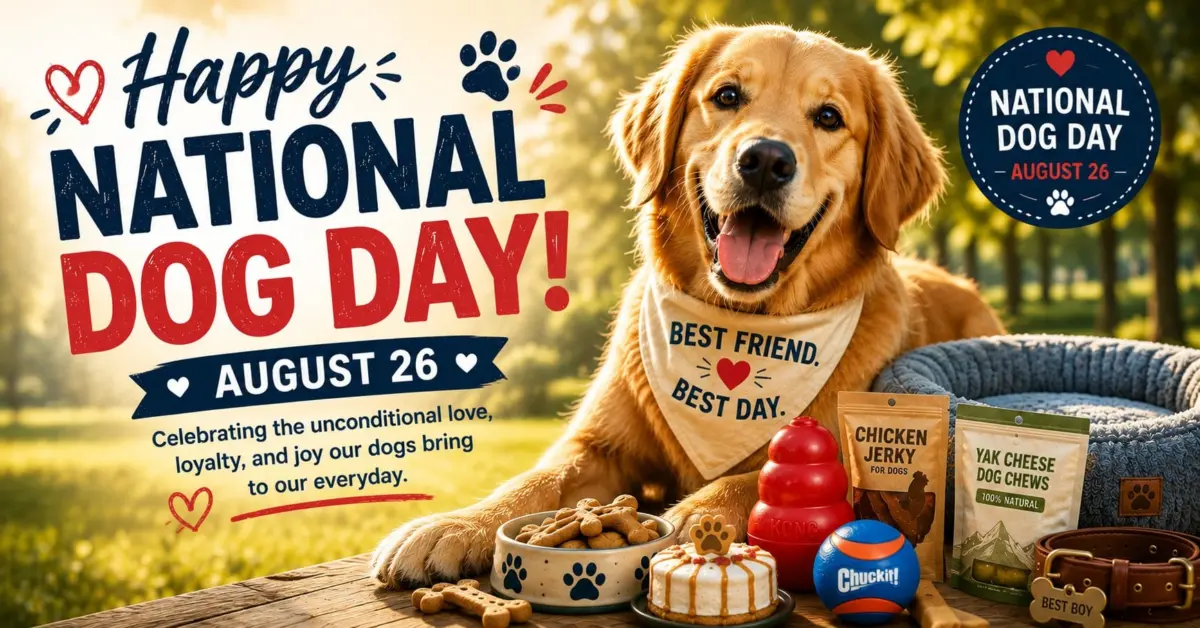
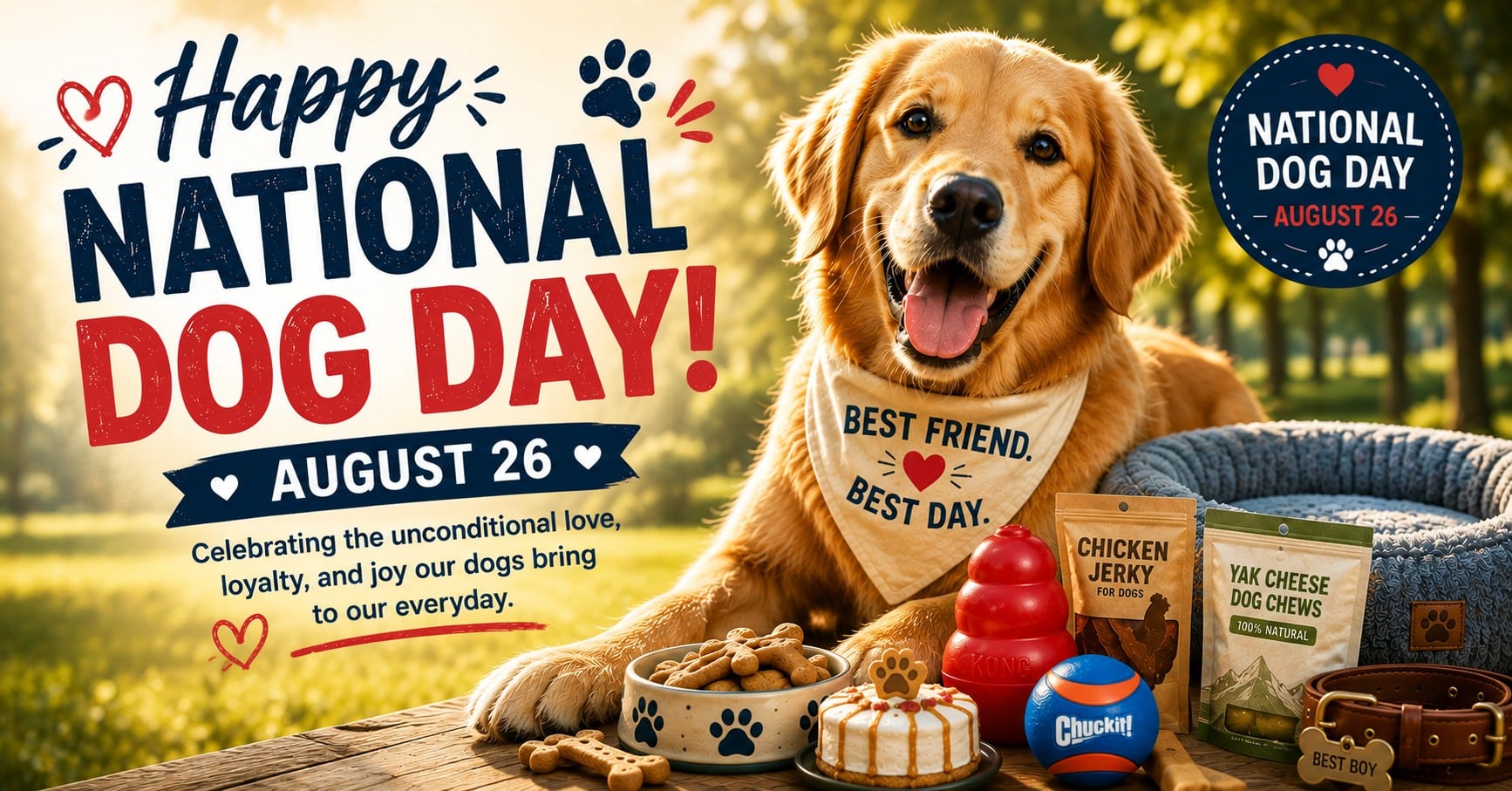
National Dog Day, celebrated annually on August 26, serves as both a cultural touchstone and a primary fiscal catalyst for the pet care sector. Founded in 2004 by animal welfare advocate Colleen Paige, the initiative was designed with a dual mandate: to celebrate the deep bond between humans and their canine companions and to shine a spotlight on the critical need for shelter pet adoption.
Today, the occasion represents a key moment for pet parents to audit and upgrade their dogs’ environments. From high-tech tracking solutions to orthopedic sleep surfaces and cognitive enrichment tools, the modern pet market offers highly specialized products designed to enhance canine longevity, safety, and mental health. This investigative report examines the leading consumer trends in canine care, evaluates top-tier products across key categories, and outlines evidence-based strategies for promoting physical and mental canine wellness.
The Modern Canine Product Landscape: An Analytical Review
To understand the current state of the pet industry, one must examine the specific product categories driving consumer demand. Modern pet parents increasingly demand the same standards of safety, material integrity, and scientific formulation for their pets as they do for themselves. Below is an analytical breakdown of high-performing canine products available on Amazon, categorized by their primary developmental and physiological benefits.
In the wild, canines spend the majority of their waking hours tracking, foraging, and solving physical puzzles to obtain food. Domesticity often robs dogs of these cognitive challenges, leading to boredom, frustration, and destructive behaviors. Modern behavioral therapy emphasizes the necessity of active play and mental stimulation.
The KONG Classic remains the gold standard in canine behavioral therapy. Constructed from proprietary, non-toxic natural rubber, its erratic bounce mimics the movement of live prey, stimulating a dog’s natural chase instincts. More importantly, its hollow core serves as a puzzle feeder. Veterinary behaviorists frequently recommend stuffing the KONG with wet food or peanut butter and freezing it. The repetitive licking required to retrieve the food stimulates the release of endorphins in the canine brain, effectively lowering cortisol levels and mitigating separation anxiety.
For dogs with a high chew drive, passive plush toys are insufficient. The Benebone Wishbone is engineered from ultra-tough food-grade nylon and infused with real, non-synthetic bacon. Its patented curved design is anatomically optimized, allowing dogs to prop up one end of the chew with their paws. This ergonomic advantage prevents jaw fatigue while providing a constructive outlet for chewing, which mechanically scrapes plaque from the premolars and canines.
Soft toys serve an important role in comfort and low-intensity play. The Outward Hound Hedgehogz utilizes a rounded shape that is easy for dogs to carry, coupled with a reduced-stuffing design that minimizes cleanup if the outer seam is breached. The inclusion of a classic squeaker appeals to the canine auditory prey drive, providing sensory stimulation without inducing the hyper-arousal sometimes caused by more complex electronic toys.
Aggressive chewers—often power-chewing breeds like Pit Bulls, German Shepherds, and Rottweilers—require specialized rubber compounds to prevent the ingestion of synthetic materials. This heavy-duty rubber toy is structurally reinforced to withstand extreme bite pressure. Providing an appropriate outlet of this caliber is crucial for preventing the destruction of household furniture and reducing the risk of intestinal blockages caused by swallowing non-digestible objects.
A common hazard of plush toys is the ingestion of polyester fiberfill, which can cause life-threatening gastrointestinal obstructions. This stuffing-free duck toy eliminates that risk entirely. By relying on a crinkle paper interior and integrated squeakers, it provides the tactile and auditory feedback dogs crave during play, without the associated hazards of traditional soft toys.
Transitioning a new puppy into a home or acclimating a rescue dog can induce severe nocturnal anxiety. The Snuggle Puppy addresses this through biomimicry. It features a pulsing mechanism that simulates a maternal heartbeat, alongside a disposable heat pack that mimics littermate warmth. This physical feedback regulates the puppy’s autonomic nervous system, promoting restful sleep and reducing vocalization in the crate.
Canine clinical nutrition has shifted away from highly processed, grain-heavy kibbles toward single-source proteins, whole foods, and functional treats. Pet parents are increasingly scrutinizing ingredient decks to avoid chemical preservatives, artificial dyes, and common allergens.
High-protein training treats are vital for reinforcing positive behaviors. This premium chicken jerky is formulated with minimal ingredients, prioritizing real chicken breast over meat by-products or grain fillers. The gentle dehydration process preserves natural amino acids and vitamins, offering a highly palatable, nutrient-dense reward that supports lean muscle mass without adding unnecessary empty calories to the dog’s daily intake.
Derived from an ancient Himalayan recipe, these chews are made from yak and cow milk, lime juice, and salt. Through a rigorous drying process, the milk is converted into a hard, lactose-free chew. Yak cheese chews are fully digestible, unlike traditional rawhide, which is chemically processed and poses a severe choking and blockage hazard. They provide a long-lasting, high-protein chewing experience that is gentle on sensitive canine digestive tracts.
Naturally shed elk antlers represent the peak of durability in natural chews. Unlike bones, which can splinter and puncture the stomach or intestinal walls, high-quality elk antlers gradually wear down as the dog gnaws. They are rich in essential minerals, including calcium, phosphorus, manganese, and zinc. This product is odorless and non-staining, making it an ideal indoor chew for maintaining dental health.
These soft-baked treats are formulated to mimic human breakfast classics while adhering strictly to canine dietary restrictions. Made with real blueberries, they introduce natural antioxidants into the dog’s diet, which help combat free radicals and support cellular health. The soft texture makes them highly versatile, serving as an excellent training treat for puppies or an easily chewable reward for senior dogs with dental sensitivity.
Special occasions like National Dog Day have popularized canine-safe baking. This wheat-free cake mix allows pet parents to bake a fresh dessert free from the dangerous sugars, artificial sweeteners (such as xylitol, which is highly toxic to dogs), and preservatives found in human baked goods. It offers a safe, interactive way for owners to include their pets in family celebrations.
Standard human ice cream contains high levels of lactose, which most adult dogs cannot digest, leading to gastrointestinal distress. This powdered ice cream mix is formulated specifically for canine digestive systems. By requiring the owner to simply add water and freeze, it provides a cooling, highly digestible treat that is perfect for thermal regulation during hot summer months.
Category 3: Orthopedic Science & Ergonomic Rest
Sleep is a critical component of canine health, with adult dogs requiring 12 to 14 hours of rest per day, and senior dogs or puppies requiring even more. Inadequate support during rest can exacerbate joint diseases such as hip dysplasia, osteoarthritis, and elbow incongruity.
This bed utilizes high-density orthopedic egg-crate foam to evenly distribute a dog’s body weight. This reduces pressure points on sensitive joints, particularly the hips, hocks, and shoulders. The design promotes improved circulation and helps alleviate the morning stiffness commonly seen in arthritic or senior dogs. Additionally, it features a removable, machine-washable plush cover with a waterproof inner liner to protect the foam core from accidents.
Designed for versatility, this plush bed serves as an excellent standalone sleeping surface or an insert for standard wire crates. The high-loft fiber filling provides a supportive buffer against cold, hard floors. The entire unit is machine-washable, ensuring that pet parents can easily eliminate allergens, dander, and outdoor dirt, thereby maintaining a hygienic environment for both the dog and the household.
The shag-fur donut bed is specifically designed to address canine anxiety. The raised bolster edge creates a physical barrier that appeals to a dog’s natural nesting instinct, providing a sense of security and protection. The ultra-soft synthetic faux fur mimics the tactile comfort of a mother’s coat, promoting deeper cycles of restorative REM sleep, which is essential for emotional regulation and cognitive health.
Category 4: Safety, Identification, and Aesthetic Integration
Modern pet ownership demands a balance between aesthetic appeal and functional safety. High-quality identification and walking gear are the first line of defense against pet loss and physical strain during outdoor activities.
                       PET RECOVERY SUCCESS RATES

   [Traditional Engraved Tag]          [Modern QR Code Tag]
   - Static Information                - Dynamic Cloud Profile
   - High Wear/Fade Risk               - Scannable GPS Location Ping
   - No Notification System            - Instant Owner Alert
Traditional engraved tags are limited by physical space and can quickly become illegible due to wear. The Ring Pet Tag leverages QR code technology to link the physical collar to a dynamic, secure digital profile. If a dog escapes, anyone with a smartphone can scan the tag to access emergency contact numbers, medical histories, and veterinary details. Furthermore, when scanned, the platform can send a location ping to the owner, dramatically reducing recovery times.
Constructed from premium, full-grain leather, this collar merges traditional craftsmanship with modern safety. Rather than utilizing hanging tags—which can easily snag on brush, fencing, or crates—this collar features a flush-mounted, laser-engraved metal nameplate. This eliminates noise, prevents tag loss, and ensures that critical identification remains permanently attached to the dog.
This matching set is constructed from high-density, weather-resistant polyester webbing, offering high tensile strength to prevent breakage under sudden tension. The collar features a heavy-duty quick-release buckle and a rust-resistant D-ring, while the matching leash features a padded handle to reduce friction and hand fatigue for the owner during leash training and daily walks.
Supporting Context & Metrics: The Science of Canine Well-Being
To appreciate the necessity of high-quality canine products, one must examine the clinical data surrounding canine health. The choices pet parents make regarding nutrition, sleep surfaces, and mental stimulation have direct, quantifiable impacts on their pets’ lifespans and daily comfort.
Canine Obesity and Nutritional Metrics
According to the Association for Pet Obesity Prevention (APOP), an estimated 59% of dogs in the United States are classified as overweight or obese. This epidemic is primarily driven by highly processed foods, overfeeding, and a lack of physical activity.
Obesity in dogs is clinically linked to a reduction in lifespan of up to 2.5 years, alongside increased rates of type 2 diabetes, osteoarthritis, and cardiovascular dysfunction. Switching to clean-label, high-protein treats (such as dehydrated chicken jerky) and utilizing interactive feeders (like the KONG) helps regulate calorie consumption while increasing the metabolic burn rate through active feeding.
+--------------------------------------------------------------------------+
|                  VETERINARY IMPACT OF CANINE OBESITY                     |
+------------------------------------+-------------------------------------+
| Health Metric                      | Impact of Excess Weight             |
+------------------------------------+-------------------------------------+
| Average Lifespan                   | Reduced by up to 2.5 Years          |
| Osteoarthritis Risk                | Significantly Elevated              |
| Cardiovascular Function            | Compromised Efficiency              |
| Metabolic Stability                | Increased Insulin Resistance        |
+------------------------------------+-------------------------------------+
The Biomechanics of Joint Disease
Osteoarthritis affects approximately 20% of all dogs over the age of one, with that number rising to 80% in dogs over the age of eight. Large breeds—such as Golden Retrievers, Labradors, and Great Danes—are genetically predisposed to joint laxity.
When a dog sleeps on a hard or poorly padded surface, gravity forces the skeletal joints to bear the pressure of the body’s mass against the floor. Over time, this accelerates cartilage degradation. Orthopedic beds containing medical-grade memory foam distribute weight across a larger surface area, maintaining spinal alignment and slowing joint degeneration.
The Physics of Canine Olfaction
A dog’s sense of smell is estimated to be 10,000 to 100,000 times more acute than a human’s. While humans rely on vision to map their surroundings, dogs construct their understanding of the world through scent. The olfactory cortex of the canine brain is roughly 40 times larger than that of a human.
This biological reality highlights the value of the "Sniffari" (structured scent walks) over traditional brisk walking. Allowing a dog to engage in deep sniffing activates their sensory processing centers, providing a form of mental exercise that is often more tiring and satisfying than physical exertion alone.
Official Statements & Expert Perspectives
Veterinary Medical Associations
Leading veterinary organizations, including the American Veterinary Medical Association (AVMA), stress the importance of preventative care over reactive treatment. In a statement regarding canine joint health and enrichment, the AVMA notes:
"Providing dogs with appropriate physical support during rest, combined with daily cognitive challenges, is foundational to preventing early-onset cognitive decline and physical mobility issues. Pet owners must understand that mental exercise is just as critical to a dog’s health as physical exercise."
Behavioral Science Insights
Dr. Sophia Yin’s legacy of positive reinforcement training emphasizes the role of environmental enrichment in preventing shelter surrenders. Behavioral experts agree that the majority of behavioral issues—including excessive barking, separation anxiety, and leash reactivity—stem from chronic stress, under-stimulation, and a lack of clear communication.
The integration of target-driven toys (such as the Benebone or stuffable KONGs) provides dogs with safe outlets for their natural instincts, shifting their focus away from anxiety-driven behaviors.
The Ethos of National Dog Day
Colleen Paige, the founder of National Dog Day, has consistently advocated for a holistic approach to dog ownership. In her annual addresses, she emphasizes that purchasing products for our pets should go hand-in-hand with animal advocacy:
"National Dog Day is not just about spoiling the dogs who share our homes; it is about recognizing the deep, unconditional loyalty they offer us. It is a call to action to rescue dogs from shelters, to shut down puppy mills, and to ensure that every dog has a safe, comfortable, and stimulating environment to live out their lives."
A Guide to Ethical Celebration: Actionable Canine Enrichment
For pet parents looking to celebrate National Dog Day or elevate their daily care routines, the following evidence-based activities can help build a stronger bond and improve a dog’s quality of life.
                      DAILY ENRICHMENT ROTATION

   [Morning: Cognitive]      [Midday: Olfactory]      [Evening: Physical]
   - 10-Min Trick Training   - 20-Min "Sniffari" Walk  - Interactive Play
   - Puzzle Feeder Breakfast - Scent Tracking Games   - Gentle Grooming/Massage
1. Execute a Structured "Sniffari"
Instead of marching your dog along a rigid path at a brisk pace, dedicate a walk entirely to olfactory exploration. Use a standard 6-foot leash (avoid retractable leashes, which can cause neck trauma and offer poor control) and allow your dog to dictate the pace and direction. Let them sniff trees, grass, and lampposts for as long as they desire. This activity lowers their heart rate and satisfies their natural curiosity.
2. Implement Short, High-Value Training Sessions
Dogs are eager to learn when trained using positive reinforcement. Dedicate 5 to 10 minutes to teaching a new trick or reinforcing basic obedience. Use small, high-value rewards like dried chicken jerky to mark successful behaviors. Keep the session short and positive to build your dog’s confidence and strengthen your working partnership.
3. Introduce Scent-Work Games
Hide a handful of aromatic treats (such as blueberry pancake bites) around your living room while your dog is in another area. Release them with a cue like "Find it!" and watch them use their nose to locate the rewards. This game stimulates their natural foraging instincts, building confidence and providing excellent mental stimulation indoors.
4. Support Local Shelter Systems
Celebrate your dog’s privileged life by helping those still waiting for a permanent home. Consider donating durable toys (like KONGs) or premium food to your local animal control or rescue group. You can also volunteer your time as a dog walker, helping shelter dogs get the physical exercise and human contact they need to remain adoptable.
Future Outlook: The Next Generation of Canine Care
The trajectory of the pet care industry points toward a future defined by personalized medicine, smart technology, and eco-friendly manufacturing. As our understanding of canine biology advances, we can expect several key innovations to redefine how we care for our dogs.
+--------------------------------------------------------------------------+
|                       FUTURE OF PET CARE TRENDS                          |
+--------------------+---------------------+-------------------------------+
| Trend              | Technology          | Direct Benefit                |
+--------------------+---------------------+-------------------------------+
| Smart Health       | Wearable IoT Collar | Continuous Vital Signs and    |
| Monitoring         | Sensors             | Early Disease Detection       |
|                    |                     |                               |
| Precision          | DNA Sequencing and  | Tailored Nutrient Profiles    |
| Nutrition          | Microbiome Testing  | Based on Genetic Markers      |
|                    |                     |                               |
| Sustainable        | Biodegradable and   | Reduced Environmental Impact  |
| Manufacturing      | Upcycled Materials  | and Safer Toy Lifecycles      |
+--------------------+---------------------+-------------------------------+
Smart Health Monitoring
The integration of IoT (Internet of Things) technology into pet collar tags, such as QR codes and GPS trackers, is just the beginning. The next generation of wearable pet tech will monitor biometric data in real-time, tracking heart rate variability, respiration rates, sleep quality, and calorie burn. These devices will use predictive algorithms to alert owners to subtle changes in behavior or vital signs, allowing for early intervention before a medical issue becomes a crisis.
Precision Nutrition
The "one-size-fits-all" approach to dog food is rapidly giving way to precision nutrition. Using genetic testing, gut microbiome sequencing, and lifestyle assessments, companies can now formulate customized diets tailored to a dog’s specific genetic profile, activity level, and health risks. This personalized approach holds great promise for extending canine lifespans and preventing chronic diseases.
Sustainable and Non-Toxic Manufacturing
As consumers become more environmentally conscious, the demand for sustainable pet products will continue to grow. We will see a shift away from synthetic plastics and petroleum-based rubbers toward biodegradable polymers, organic cottons, and upcycled food ingredients. This transition will not only reduce the pet industry’s carbon footprint but also ensure that the toys and beds our dogs interact with are completely free from harmful chemicals.
Ultimately, whether through advanced technology or simple, high-quality nutrition and care, the core of canine wellness remains unchanged: a deep commitment to understanding and respecting the physical and emotional needs of our dogs. By making informed, evidence-based choices in their daily care, we can ensure our best friends live long, happy, and vibrant lives by our sides.