Humanity’s fascination with Felis catus spans millennia, evolving from ancient Egyptian reverence to the ubiquitous presence of cats in modern, tech-enabled households across the globe. Today, cats stand shoulder-to-shoulder with dogs as the preeminent domestic companion animal, celebrated for their independence, complex emotional intelligence, and diverse morphological traits. However, prospective cat owners often face a daunting paradox of choice. With dozens of recognized breeds—each exhibiting distinct temperaments, grooming requirements, and physiological predispositions—selecting the right feline match demands careful, research-backed consideration.
This comprehensive investigative report examines the 15 most common cat breeds found in households worldwide. By evaluating their historical origins, behavioral profiles, health vulnerabilities, and maintenance needs, this guide offers an authoritative framework for prospective pet parents. Whether you seek an athletic, high-energy adventurer or a tranquil, low-maintenance lap companion, understanding the nuances of these exceptional breeds is the first step toward a harmonious human-animal bond.
Detailed Chronology & Evolutionary History of Domestication
To fully understand modern cat breeds, one must first examine their evolutionary journey. Unlike dogs, which were domesticated primarily for cooperative labor, herding, and defense, cats largely domesticated themselves.
Circa 9,000–10,000 BCE (The Neolithic Dawn): Archaeological discoveries in the Near East, particularly the Fertile Crescent, indicate that the wildcat (Felis lybica) began gravitating toward early human agricultural settlements. As human societies transitioned from nomadic hunter-gatherers to agrarian farmers, grain stores attracted rampant rodent populations. Wildcats capitalized on this abundant prey base, initiating a symbiotic relationship with humans.
Circa 2,000 BCE (Ancient Egyptian Ascendancy): Cats became deeply embedded in Egyptian culture, serving as sacred protectors of the home and granaries. This era marked the earliest deliberate selective pressures, laying the groundwork for valued coat colors and docile temperaments.
The Age of Exploration and Maritime Expansion: Ships traversing global trade routes carried cats to control rodent infestations on vessels. Breeds like the American Shorthair trace their roots directly to these working ship-cats brought over by early European settlers and pilgrims on vessels like the Mayflower.
The Late 19th Century to Modern Era (The Rise of the Fancy): Cat ownership transitioned from purely functional (mouthing and pest control) to aesthetic and companion-based status symbols. Formal cat fancy organizations, such as the Cat Fanciers’ Association (CFA) established in 1906, began codifying standards, tracking lineages, and recognizing purebred lines, transforming the domestic cat landscape into the diverse array of breeds recognized today.
The 15 Most Common Cat Breeds: An Authoritative Directory
1. Maine Coon
Hailing from the rugged landscapes of its namesake U.S. state—where it proudly serves as the official state cat—the Maine Coon is an unmistakable giant of the feline world. Recognized as a purebred by the CFA in the late 1970s, these "gentle giants" boast heavy, water-resistant coats and substantial frames.
A notable evolutionary adaptation of many Maine Coons is polydactylism (extra toes), which broadens their paws to act natural "snowshoes" for traversing deep winter drifts while hunting. Typically featuring a classic brown tabby pattern alongside a spectrum of other colors, Maine Coons combine working-cat hardiness with a uniquely affectionate, family-oriented demeanor.
2. Bengal
The Bengal is a striking visual masterpiece, fusing wild aesthetics with a domesticated heart. Featuring high-contrast coats adorned with spots, rosettes, and marbling reminiscent of jungle leopards, Bengals trace their lineage back to deliberate hybridizations between domestic cats and the Asian leopard cat (Prionailurus bengalensis).
Despite their untamed appearance, Bengals are fully domesticated; however, they retain high energy levels, vocal tendencies, and an intense curiosity. They require dedicated physical and mental stimulation—such as interactive puzzle toys and high climbing structures—making them ideal for active households and families with children.
3. Siamese
Originating in ancient Thailand (formerly Siam), the Siamese cat is a foundational lineage that helped anchor numerous modern breeds, including the Oriental Shorthair, Sphynx, and Himalayan. Instantly recognizable by their striking "pointed" coloration (darker pigmentation on the face, ears, legs, and tail against a lighter body) and piercing blue eyes, Siamese cats are architectural marvels, historically diverging into "apple-head" (chubbier, rounder bodies) and modern "slender" typologies. Renowned for their supreme intelligence and conversational vocalizations, they forge intense bonds with their human companions.
4. Persian
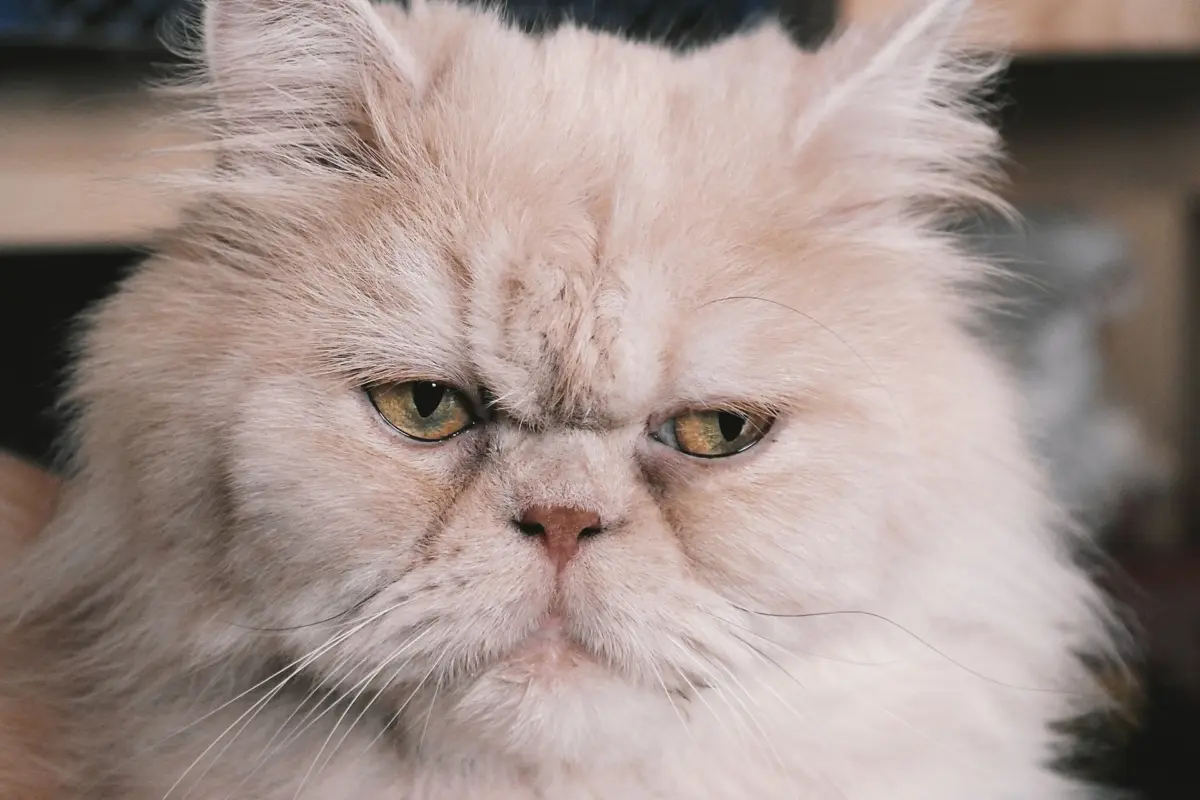
Often affectionately termed "smushed-face" cats, Persians—historically linked to Iran and once known as Shiraz cats—are prized for their serene, gentle dispositions and opulent, floor-sweeping long coats. Available in a vast array of colors and patterns, the Persian requires meticulous daily grooming to prevent painful matting and skin infections. Beneath their aristocratic exterior lies an easy-going, affectionate personality that prefers quiet environments and relaxed lounging over frantic acrobatics.
5. Ragdoll
Named for their uncanny tendency to go completely limp and relaxed when picked up—much like a child’s rag doll—this breed combines the plush, pointed coats and blue eyes of a longhaired Siamese with an exceptionally docile temperament. Ragdolls are famously dog-like, often greeting their owners at the door and following them from room to room. Their heavy reliance on social interaction and absence of aggressive tendencies make them premier companions for families seeking maximum affection.
6. British Shorthair
A quintessential icon of British cat fancy, the British Shorthair is a robust, dense-coated cat celebrated for its steady, moderate activity level and unflappable temperament. While not typically demanding lap-cats, they possess a quiet, dignified affection, preferring to anchor themselves comfortably in the same room as their human family members. Their remarkable adaptability allows them to thrive equally in sprawling country homes and compact urban apartments.
7. Abyssinian
Tracing their roots to Ethiopia (historically Abyssinia), Abyssinians are striking athletes characterized by their unique ticked "agouti" coats, wedge-shaped heads, and oversized, alert ears. Possessing boundless curiosity, these cats operate as perpetual motion machines, often shadowing their owners through daily routines. Their playful, agile nature mirrors canine enthusiasm, making them phenomenal companions for households with children or other active pets.
8. Russian Blue
Distinguished by an ethereal, shimmering blue coat tipped with silver and brilliant emerald-green eyes, the Russian Blue is an aristocratic and highly intelligent breed. While deeply affectionate and playful with their trusted human circle, they possess an innately reserved, cautious streak regarding strangers or chaotic environments. They prefer tranquil households where they can retreat to high perches and observe domestic life in peace.
9. American Shorthair
Imbued with rich American history, this working-class breed descended from European mousers brought across the Atlantic on the Mayflower. Formally recognized in 1966, the American Shorthair is celebrated for its placid, adaptable nature and robust health. They form deep, egalitarian attachments to every member of the household, balancing a gentle demeanor with a historically honed hunting instinct.
10. Oriental Shorthair
As close relatives of the Siamese lineage, Oriental Shorthairs share the sleek, angular builds and chatty dispositions of their ancestral cousins. They possess an expansive vocal vocabulary, utilizing distinct tonal shifts to express everything from joyful greeting to profound despair. Highly social and sensitive, they suffer from isolation and require dynamic interaction to maintain psychological well-being.
11. Devon Rex
Easily identified by their pixie-like faces, enormous low-set ears, and suede-like, wavy coats, Devon Rex cats emerged in England during the 1960s. Often described as "poodle-cats" or "alien-monkeys" due to their playful, mischievous antics, they are intensely social creatures that integrate seamlessly into active, bustling households.
12. Sphynx
The Sphynx challenges conventional feline aesthetics with its wrinkled, hairless skin (though often covered in a fine, peach-fuzz suede texture) and exaggerated, lemon-shaped ears. Despite their unique appearance, Sphynxes are exceptionally warm, cuddly, and seeking of body heat. They crave constant human contact and interaction, making them unsuitable for owners who travel frequently or spend long hours away from home.
13. Scottish Fold
The Scottish Fold is internationally famous for its folded, owl-like ears—a physical trait resulting from a spontaneous cartilage mutation. While undeniably charming, this genetic anomaly requires careful breeding management (often crossed with British Shorthairs) to mitigate associated skeletal and joint conditions. Their sweet, unpretentious temperaments make them exceptionally compatible with multi-pet households and children.
14. Burmese
Burmese cats are energetic, highly intelligent dynamos that thrive on direct engagement. Known for their adaptability, they can be trained with surprising ease to master agility courses, fetch objects, or even walk on a leash. Their profound social needs mean they detest prolonged solitude, frequently getting into harmless mischief if left under-stimulated.
15. Birman
The "Sacred Cat of Burma" features mesmerizing blue eyes, striking white "gloves" on its paws, and a silky, medium-long coat devoid of a woolly undercoat. Birmans combine the gentle placidity of the Persian with the striking color points of the Siamese, resulting in an affectionate, people-oriented companion that demands moderate attention without overwhelming hyperactivity.
Supporting Context & Comparative Metrics
Selecting a feline companion requires analyzing quantitative and qualitative factors across lifestyle dimensions. The following metrics synthesize key breed characteristics:
Breed Name
Average Lifespan
Energy Level
Grooming Requirement
Best Suited For
Maine Coon
12–15 Years
Moderate
High (Weekly brushing)
Families, large homes
Bengal
12–16 Years
Very High
Low (Weekly wipe-down)
Active owners, homes with space
Siamese
15–20 Years
High
Low
Social households, frequent presence
Persian
12–17 Years
Low
Extreme (Daily brushing)
Quiet homes, retirees
Ragdoll
13–18 Years
Moderate
Moderate (Bi-weekly)
Children, multi-pet homes
British Shorthair
12–20 Years
Low-Moderate
Low (Weekly)
Apartments, busy professionals
Abyssinian
14–15 Years
Very High
Low
Active families, adventure seekers
Russian Blue
15–20 Years
Moderate
Low
Quiet environments, adults
American Shorthair
15–20 Years
Moderate
Low
General family households
Oriental Shorthair
12–15 Years
High
Low
Highly engaged owners
Devon Rex
9–13 Years
High
Low (Special skin care)
Playful families, allergy-conscious
Sphynx
8–14 Years
High
Extreme (Weekly baths/skin oils)
Dedicated owners wanting constant touch
Scottish Fold
11–14 Years
Low-Moderate
Moderate
Relaxed environments
Burmese
10–16 Years
High
Low
Homes with other pets or people present
Birman
12–16 Years
Moderate
Moderate
Families, affectionate households
Official Statements & Veterinary Insights
Leading veterinary organizations emphasize that physical attractiveness should never supersede physiological health and behavioral compatibility when acquiring a pet.
Dr. Alistair Sterling, a noted feline geneticist and consultant for international veterinary boards, notes:
"When prospective owners select hyper-specialized morphology—such as the brachycephalic skulls of Persians or the cartilage mutations of Scottish Folds—they must accept an elevated duty of care. Veterinary medicine has made great strides in managing breed-specific vulnerabilities, but ethical breeding and proactive owner education remain the absolute cornerstone of animal welfare."
Furthermore, animal behaviorists point out that environment often outweighs genetics if socialization protocols are neglected during kittenhood. Ensuring a gradual, positive introduction to household stimuli prevents long-term behavioral anxieties across all recognized breeds.
Health and Maintenance Considerations
Health Vulnerabilities
Hypertrophic Cardiomyopathy (HCM): Commonly monitored in Maine Coons, British Shorthairs, and Bengals. Regular echocardiograms are advised for breeding lines.
Polycystic Kidney Disease (PKD): Prevalent in Persian and Persian-derived lineages; genetic screening tests can identify carriers early.
Joint and Skeletal Disorders: Hip dysplasia can affect large breeds like Maine Coons, while osteochondrodysplasia affects Scottish Folds due to their ear cartilage mutation.
Progressive Retinal Atrophy (PRA): Monitored within Siamese and Abyssinian populations.
Grooming Protocols
Grooming is not merely aesthetic; it is a vital health intervention. Long-haired breeds (Persian, Maine Coon, Birman) require rigorous daily or near-daily maintenance to prevent painful pelting (severe matting), which can pull the skin and harbor parasites. Conversely, short-haired breeds (American Shorthair, Burmese) require minimal brushing, though shedding seasons (spring and autumn) necessitate increased attention to minimize ingested hairballs and domestic dander accumulation.
Future Outlook
The landscape of domestic cat ownership is experiencing a profound paradigm shift driven by advancements in veterinary genomics, telemedicine, and nutritional science.
Precision Medicine and Genetic Screening: The widespread availability of direct-to-consumer and veterinary genetic screening panels allows prospective owners and ethical breeders to identify hereditary disease markers prior to adoption, promising healthier generations of purebred cats.
Nutrigenomics: Future feline care will see diets tailored precisely to individual breed metabolic profiles, optimizing longevity and mitigating breed-specific predispositions like renal decline or joint degradation.
Behavioral Insight Integration: As urban populations grow and more people live in vertical housing (apartments), the emphasis on low-energy, highly adaptable indoor breeds—such as the British Shorthair and Russian Blue—will continue to surge, driving modern breeding standards toward enhanced indoor resilience and psychological equilibrium.
By aligning personal lifestyle realities with the biological and behavioral realities of these 15 exceptional breeds, owners can ensure a deeply rewarding, decades-long partnership with their feline companions.