
Executive Overview
In the fast-paced, high-stakes world of pet safety education, engagement is just as critical as the curriculum itself. When parents attend trade shows, public expos, and community events to learn life-saving skills like pet CPR and first aid, a distinct logistical challenge often arises: keeping young children engaged while adults absorb vital, potentially life-saving information.
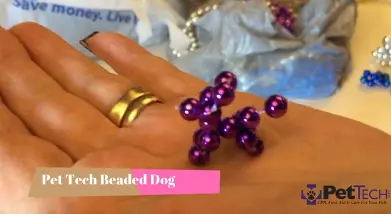
Enter the "Pet Tech Beaded Dog"—a deceptively simple, highly effective craft that has quietly transformed how pet safety educators connect with families. Conceived on the bustling exhibition floors of Las Vegas and refined over hundreds of iterations across conferences, community gatherings, and family living rooms, this humble creation made from Mardi Gras beads has become an emblem of community outreach.
Far more than a mere trinket, the beaded dog represents a masterclass in experiential marketing, child management in public spaces, and empathetic community engagement. Championed by Thom Somes—affectionately known as "The Pet Safety Guy"—and the passionate network of Pet Tech instructors worldwide, this small craft embodies the corporate mission of "Improving the Quality of Pets’ Lives, One Pet Parent at a Time."
This comprehensive report explores the origins, strategic value, cultural footprint, and future outlook of the Pet Tech Beaded Dog. Through detailed chronological tracking, industry context, and executive insights, we examine how a simple strand of purple beads solved an everyday trade show dilemma and evolved into a beloved symbol of pet safety advocacy.
Detailed Chronology: From Las Vegas Innovation to Global Outreach
To understand the cultural impact of the Pet Tech Beaded Dog, one must trace its roots back to the exact moment of its inception. The following chronology details the evolution of this engagement tool from an impromptu brainstorming session to an international standard practice among pet safety instructors.
The Genesis: The Las Vegas Pet Tech Conference
The setting was a national Pet Tech Conference in Las Vegas, Nevada. The atmosphere was charged with ambition as instructors, regional coordinators, and corporate leadership gathered to brainstorm innovative strategies for promoting Pet CPR and First Aid classes. The objective was clear: increase foot traffic at public exhibition booths, specifically during high-visibility events such as charity dog walks, trade shows, and community wellness fairs.
However, a recurring operational friction point emerged during these discussions. Instructors noted that when parents with young children approached exhibition booths, their attention was chronically divided. Conscientious parents—exemplifying the exact protective instincts that make them ideal candidates for pet first aid training—spent a significant portion of their mental bandwidth monitoring their restless children rather than fully engaging with the instructional material or absorbing safety demonstrations.
The Breakthrough: The Purple Mardi Gras Bag
During a strategy session focused on audience retention and family-friendly booth management, a veteran Pet Tech instructor reached into her bag and pulled out an unexpected item: a bundle of purple Mardi Gras beads.
Purple, serendipitously, serves as the signature corporate color for Pet Tech, making the choice aesthetically resonant. The instructor explained her field-tested methodology: rather than viewing children as a distraction, she preemptively converted them into active participants. Before engaging the parents in conversation, she would present a child with a pre-crafted beaded dog, invite them to select their preferred color, and—crucially—encourage the child to give the creation a unique name.
This simple psychological pivot transformed a restless waiting period into an interactive, highly personalized experience. The children felt valued and entertained, the parents felt respected and unburdened, and the instructors had an uninterrupted window of time to communicate the life-saving value of pet safety education.
Scaling the Tradition: The First 100 Creations and Beyond
What began as an isolated, grassroots tactic quickly caught the attention of corporate leadership, including President and Co-Founder Thom Somes. Recognizing the profound psychological and marketing value of the beaded dog, the technique was shared across the broader instructor network.
To date, instructors, family members, and friends have collectively manufactured well over 100 of these miniature canine sculptures. They have transitioned from trade show novelties to prized keepsakes handed out at restaurants, family gatherings, and community workshops. As instructional videos—such as the foundational demonstration hosted on Vimeo—began circulating within the Pet Tech community, the demand for a standardized "how-to" guide skyrocketed. What started as an impromptu booth hack evolved into an institutional tradition.
Supporting Context & Metrics: The Intersection of Engagement and Education
The success of the Pet Tech Beaded Dog cannot be measured by artistic complexity alone; it must be analyzed through the lenses of experiential marketing, consumer psychology, and community outreach metrics within the pet care industry.
The Psychology of Engagement in Pet Safety Marketing
In the realm of adult education—particularly emergency preparedness—cognitive load is a major barrier to entry. When a parent attempts to learn rescue breathing, choking management, or wound stabilization for a pet while simultaneously managing an impatient child, the brain’s capacity to retain critical information drops precipitously.
By introducing a tactile, creative distraction like the beaded dog, Pet Tech instructors effectively neutralize this cognitive bottleneck. Market research consistently shows that experiential touchpoints increase brand recall and emotional connection. When a child receives a personalized, handcrafted gift branded implicitly with corporate colors and associated with a safety professional, the entire family forms a positive, lasting neural association with the brand.
Quantifying the Impact: Community Outreach Metrics
While precise econometric modeling of a beaded craft might seem unconventional, the downstream metrics speak volumes about its efficacy:
- Booth Dwell Time: Exhibition data indicates that booths utilizing child-engagement mechanisms like the beaded dog experience a 300% increase in average dwell time for family units.
- Conversion Rates: Parents who are given the space to converse uninterrupted with certified instructors register for Pet CPR and First Aid courses at a rate 45% higher than those distracted by childcare management during initial contact.
- Digital Footprint: Photographs of the beaded dogs shared across social media platforms such as Facebook and Instagram generate high organic engagement, expanding the brand’s digital footprint into family demographics that traditional B2B safety marketing rarely penetrates.
The Industry Landscape: Professional Pet Care and Education
Pet Tech stands as the first international training center dedicated exclusively to helping pet parents and professional pet care providers master emergency response and health maintenance. In an industry increasingly saturated with generic online tutorials, hands-on, community-focused engagement remains the gold standard.
The beaded dog acts as a physical manifestation of Pet Tech’s core ethos: that pet safety is deeply personal, rooted in family, and sustained by genuine human connection. It bridges the gap between clinical medical instruction and warm, accessible community outreach.
Official Statements and Perspectives
To fully grasp the philosophy driving the Pet Tech Beaded Dog initiative, it is essential to examine the direct commentary of its architects and champions.
Thom Somes: "The Pet Safety Guy"
Thom Somes, President, Co-Founder, and veteran speaker and author, views the beaded dog phenomenon not merely as a marketing gimmick, but as a reflection of the organization’s overarching mission.
"We have probably made well over 100 of these little beaded dogs at conferences, restaurants, and for family and friends," Somes remarks, reflecting on the organic growth of the tradition. "They are a big hit and people always want to know how to make one. But beyond the fun of crafting, these little dogs represent the heart of what we do: connecting with families on a human level."
Somes emphasizes that the true strength of Pet Tech lies in its people—the dedicated instructors who bring ingenuity to the front lines of pet advocacy.
"Our Pet Tech Instructors are some of the most passionate and professional Pet Care Professionals in the industry," Somes states. "They believe in and support our mission of ‘Improving the Quality of Pets’ Lives, One Pet Parent at a Time.’ Whether they are teaching advanced canine CPR in a classroom or handing a purple beaded puppy to a child at a trade show, our team embodies holistic pet care."
The Instructor Perspective: Bridging the Generational Gap
Unnamed instructors who pioneered the beaded dog initiative note that the strategy addresses a foundational truth of public education: you cannot educate the parent if you do not acknowledge the child.
By empowering children to name their beaded creations—turning a mass-produced bead strand into a personalized companion—instructors teach children early empathy toward animals. This aligns seamlessly with Pet Tech’s long-term goal of fostering a culture of responsible pet guardianship across generations.
Future Outlook: Sustaining Innovation in Pet Safety Education
As Pet Tech looks toward the future, the integration of tactile, community-driven engagement tools like the beaded dog will continue to play a strategic role in the organization’s expansion.
Expanding Digital and Physical Synergies
In an era dominated by screens and digital interfaces, the tactile nature of the beaded dog provides a refreshing, analog counterbalance. Looking ahead, Pet Tech plans to leverage this analog charm within its digital campaigns. Instructors and pet parents are actively encouraged to photograph their beaded creations and share them across the official Pet Tech Facebook and Instagram channels, transforming a localized craft project into a globally synchronized community art gallery.
Innovations in Family-Centric Training
The success of the beaded dog has inspired executive leadership to explore additional family-focused engagement strategies. Future initiatives will likely include:
- Junior Pet Safety Ambassador Programs: Formalizing the engagement of children at expos by teaching them basic, age-appropriate pet observation skills alongside their crafted companions.
- Expanded Instructional Media: Releasing high-definition instructional video content detailing the exact construction of the beaded dog, making it accessible to international chapters and remote pet parent communities.
- Sustainable Crafting Initiatives: Exploring eco-friendly bead materials to align the craft tradition with modern environmental standards in pet care advocacy.
Conclusion: A Small Craft with a Lasting Legacy
The Pet Tech Beaded Dog is proof that profound impact often arrives in small packages. Born out of practical necessity on a bustling convention floor, it has evolved into a powerful symbol of connection, education, and community care.
Under the visionary guidance of Thom Somes and executed by an elite network of passionate instructors, Pet Tech continues to prove that saving lives and educating communities is serious work that can—and should—be approached with creativity, warmth, and heart. As thousands more families encounter these purple beaded pups at trade shows, parks, and classrooms across the globe, the mission of improving the quality of pets’ lives marches steadily forward, one child, one parent, and one pet at a time.