Long before a puppy ever learns to sit, walks on a leash, or guides an individual through a bustling cityscape, an intricate, unseen world of biological development is already taking place. In the earliest stages of life, puppies undergo rapid physiological changes. Though newborns are initially blind, deaf, and entirely dependent on their mother and littermates, their brains and central nervous systems are exceptionally active. The biological groundwork laid during these pivotal first few weeks heavily influences how a dog will process information, learn, and interact with the world around them for the rest of its life.
At Dogs Inc, preparing future guide dogs and service dogs begins long before formal obedience training starts. Organizations dedicated to breeding and raising working canines must look far beyond standard training curricula. They must focus on the microscopic details of neonatal biology. One science-based practice deployed during this fragile window is Early Neurological Stimulation (ENS).
While ENS is just one component of a comprehensive, multi-layered breeding and raising strategy, it highlights the deeply deliberate approach required to produce resilient, focused service animals. This article explores the science of neonatal development, the mechanics of ENS, the critical differences between neurological stimulation and socialization, and how these foundational weeks shape the future heroes who empower individuals with visual impairments and other disabilities.
Detailed Chronology: From Neonatal Biology to Adolescent Maturity
A puppy’s developmental trajectory is a sequential journey, with each phase presenting unique neurological and behavioral milestones. Understanding these distinct chronological stages allows organizations like Dogs Inc to apply the right tools at the right times.
1. The Neonatal Stage (Birth to 2 Weeks)
During the neonatal phase, puppies spend the vast majority of their time sleeping and nursing. They cannot regulate their own body temperature, their eyes and ears remain sealed shut, and they rely entirely on the maternal bond for survival.
Despite their apparent vulnerability, this is a period of intense neurological development. The brain is wiring itself at a staggering rate. Because neonates cannot process complex external environments, specialized protocols like Early Neurological Stimulation are introduced during this exact timeframe to safely stimulate their developing neurological systems without causing stress or overwhelming their delicate physiology.
2. The Transitional Stage (2 to 4 Weeks)
As puppies cross into the transitional stage, profound physical changes occur. Eyes and ears begin to open, allowing puppies to experience sights and sounds for the first time. By four weeks of age, puppies typically begin to walk, wag their tails, and vocalize with barks.
Simultaneously, their baby teeth emerge, signaling a biological shift from a purely milk-based diet toward soft food and eventually solid kibble. Their world expands rapidly as they begin interacting actively with their littermates, learning critical early lessons in social cues and bite inhibition.
3. The Socialization Period (3 to 12 Weeks)
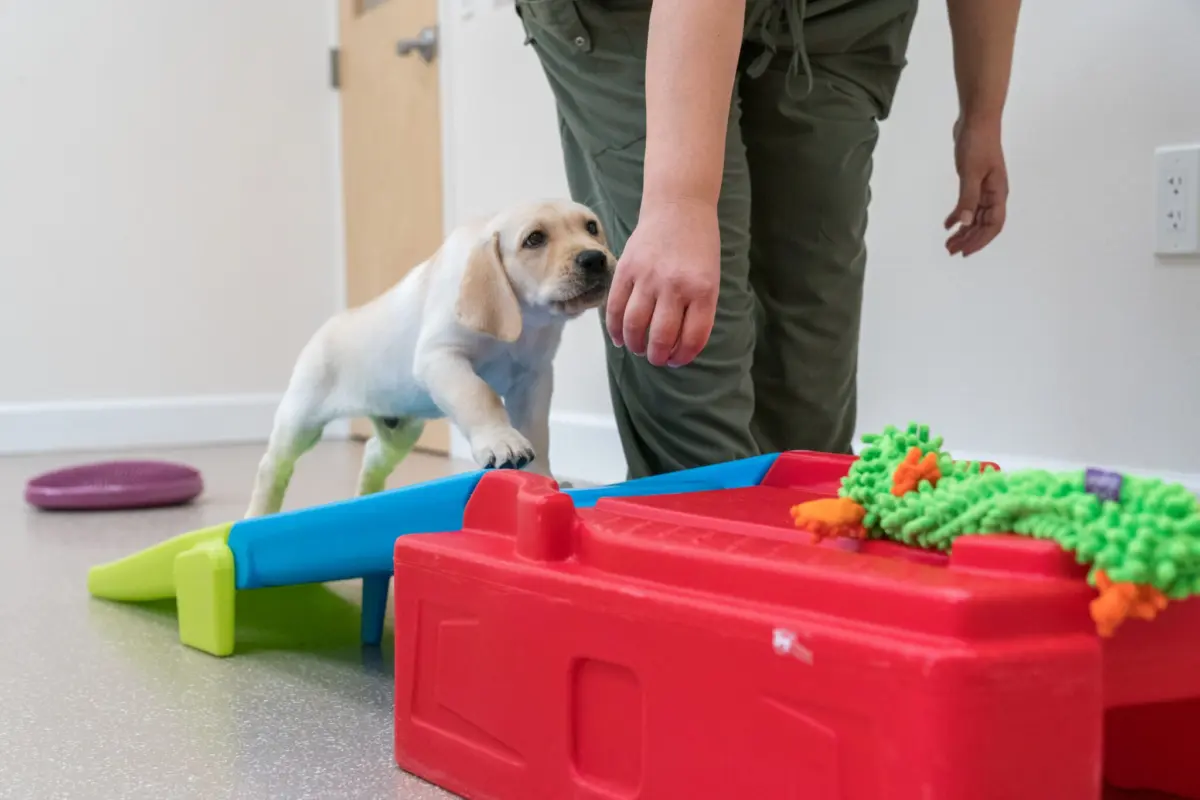
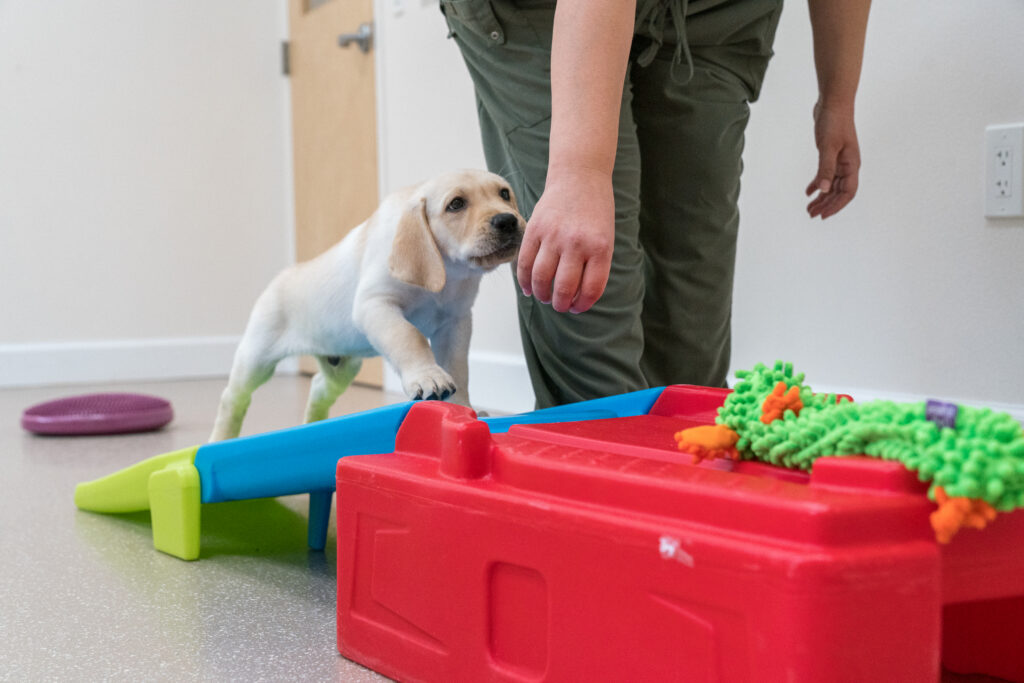
If the neonatal stage is about internal wiring, the socialization period is about external adaptation. Spanning roughly from week three through week twelve, this window is arguably the most sensitive developmental period in a dog’s life.
Puppies begin building positive associations with novel stimuli—meeting new people, exploring unfamiliar flooring, experiencing household noises, and interacting with other animals. Exposing puppies to diverse environments by the twelve-week mark helps build confidence, prevents the onset of fear-based anxieties, and lays the foundation for a well-adjusted, stable adult temperament. Professional organizations also note that puppies pass through several "fear periods" during their growth—typically averaging four distinct windows—requiring handlers to introduce new challenges thoughtfully and with positive reinforcement.
4. Adolescence and Beyond (6 Months to 1 Year)
The adolescent stage can begin as early as six months of age, mirroring the boundary-testing phases of human teenagers. During this period, most puppies reach reproductive maturity. Females experience their first heat cycles, while males exhibit hormone-driven behaviors.
Simultaneously, structured training intensifies. By three months, puppies participate in short, positive-reinforcement learning sessions. By sixteen weeks, formal puppy classes introduce advanced obedience and environmental control. Continued exposure to new species, animals, and public environments ensures that the dog remains unflappable as it transitions into its permanent working role.
Supporting Context & Metrics: Decoding Early Neurological Stimulation (ENS)
What exactly is Early Neurological Stimulation, and why has it become a cornerstone for elite working dog breeding programs? Originally developed as part of a military dog breeding program and later popularized for broader canine development, ENS involves a series of brief, highly controlled physical stressors administered during the neonatal stage.
The Science of Brief Stressors
The core premise of ENS is rooted in the idea that exposing neonates to mild, non-harmful stressors can stimulate the neurological system and improve the functioning of the adrenal glands, pituitary gland, circulation, and heart rate.
The protocol involves holding each puppy in five specific positions for approximately three to five seconds per exercise:
Tactile Stimulation: Holding the puppy in the hand and gently tickling them between the toes using a Q-tip.
Head Up: Holding the puppy perpendicular to the ground, with its head pointing up.
Head Down: Holding the puppy firmly with its head pointed downward toward the ground.
Supine Position: Holding the puppy on its back, resting comfortably in the handler’s palms.
Thermal Stimulation: Placing the puppy on a damp, cool towel for a brief, controlled duration.
Separating ENS from Socialization
A common misconception among casual dog owners is that ENS and socialization are interchangeable terms. In reality, they serve entirely different biological functions at completely different points in a puppy’s life.
ENS occurs exclusively during the neonatal stage (birth to 2 weeks), before the eyes and ears are open. It focuses strictly on physiological and neurological development through tactile and positional challenges.
Socialization occurs during the socialization period (3 to 12 weeks and beyond), when the puppy is actively engaging with its environment, processing sights and sounds, and building emotional resilience through positive human and environmental interactions.
While ENS stimulates the nervous system at a cellular and foundational level, socialization teaches the puppy how to navigate the social and physical realities of the human world. Both are vital, but neither can replace the other.
Official Statements & Industry Insights
Industry leaders and canine development specialists emphasize that producing a world-class service animal is an exercise in meticulous planning, genetics, and environmental enrichment.
According to animal behaviorists and representatives from organizations like Dogs Inc, early development is not about creating a "perfect" or flawless dog from birth. Rather, it is about building emotional resilience and physiological adaptability.
"Early puppy development isn’t about creating perfect dogs. It’s about providing thoughtful experiences that support healthy growth, emotional maturity, and future learning for most dogs. A puppy’s temperament and future success are influenced by many factors, including genetics, health, socialization, environment, and training."
Experts stress that while practices like ENS provide a valuable head start, a puppy’s ultimate success as a guide or service animal relies on a holistic continuum of care. This continuum includes:
Maternal Influence: The critical early nursing phase where mothers teach fundamental behavioral boundaries and pack etiquette.
Volunteer Puppy Raisers: Dedicated individuals who take puppies into their homes after the initial facility-based weeks, exposing them to restaurants, public transit, offices, and diverse communities.
Professional Instructors: Experts who guide the dogs through advanced, task-specific training once they reach maturity.
By combining rigorous early veterinary protocols with structured socialization, organizations ensure that working dogs possess the exact temperament required for their demanding careers.
Future Outlook: Why Early Foundations Matter for Modern Service Dogs
The demands placed on modern guide dogs and service dogs are exceptionally high. These canine partners must navigate crowded airports, bustling city streets, and unpredictable public spaces while remaining hyper-focused on their handlers’ safety and needs.
Achieving this level of composure requires more than just advanced obedience training; it requires a brain and nervous system that have been systematically prepared to handle stress, novelty, and high-distraction environments without panic or hesitation.
As canine science continues to evolve, organizations like Dogs Inc remain at the forefront of integrating evidence-based practices into their breeding and rearing programs. By investing time, care, and scientific rigor into the neonatal and transitional stages, these organizations ensure that future service dogs start their lives with every possible advantage.
The journey of a service dog is long and demanding, beginning the moment a tiny, blind puppy enters the world. Through programs rooted in Early Neurological Stimulation, thoughtful socialization, and lifelong positive reinforcement, these remarkable animals grow from vulnerable newborns into confident, life-changing partners who grant independence and mobility to those who need them most.