
Executive Overview
Dealing with fleas in a multi-pet or single-cat household is rarely as simple as spotting a bug and applying a quick remedy. For many cat owners, the realization that their feline companion has fleas comes only after persistent scratching, hair loss, or the discovery of unwelcome pests on furniture and bedding. Selecting the best flea treatment for cats is not a one-size-fits-all endeavor; it fundamentally hinges on two critical questions: how rapidly do you need adult fleas eradicated, and how thoroughly does the chosen formula cover the complex lifecycle of the parasite?
Modern veterinary medicine offers an array of solutions, ranging from long-acting prescription isoxazolines and monthly spot-ons to non-prescription topical formulations and botanical plant-based sprays. However, treating the cat is only half the battle. Because the vast majority of a flea infestation—eggs, larvae, and pupae—resides deep within carpets, upholstery, and floor cracks rather than on the animal itself, single-product eradication plans routinely fail.
This comprehensive guide, informed by veterinary parasitology, regulatory safety guidelines, and integrated pest management (IPM) practices, provides an authoritative look at prescription therapies, over-the-counter options, natural alternatives, and the critical protocols required to clear a home of fleas permanently.

Detailed Chronology and Understanding the Flea Lifecycle
To effectively combat a flea infestation, one must understand the biological timeline of Ctenocephalides felis, the common cat flea. The lifecycle consists of four distinct stages: egg, larva, pupa, and adult. Comprehending this chronology explains why single treatments often fail and why pet owners find themselves trapped in an endless loop of re-infestation.
1. The Egg Stage (Days 1–10)
Adult female fleas begin feeding on a cat’s blood shortly after finding a host, and they can lay dozens of eggs per day. These smooth, pearlescent eggs do not stick to the cat’s fur. Instead, they drop off the animal almost immediately, scattering wherever the cat goes—into rugs, sofas, cat trees, human beds, and floor crevices.
2. The Larval Stage (Days 5–20)
Microscopic, blind larvae hatch from the eggs. They actively avoid light, burrowing deep into carpet fibers or floorboards. Larvae feed on organic debris, including shed skin cells and "flea dirt" (digested blood excreted by adult fleas).
3. The Pupal Stage (Days 7–30+)
Larvae spin a sticky, silk-like cocoon that attracts dust and debris, effectively camouflaging them in the home environment. Inside this cocoon, the flea transforms into an adult. Crucially, the pupal stage is notoriously resilient. Pupae can remain dormant for weeks or even months, protected from many household insecticides. They wait for cues indicating a host is nearby—such as vibrations, warmth, and carbon dioxide emissions—before emerging as hungry adults.
4. The Adult Stage (Lifespan: Several Weeks to Months)
Once an adult flea emerges from its cocoon, it must find a host within hours to feed. Once it secures a spot on a cat or other domestic animal, it feeds, mates, and begins the cycle anew.
[Adult Flea] ---> Lays Eggs (drops into carpet)
     ^                                 |
     |                                 v
[Emergence] <--- [Resilient Pupae] <--- [Larvae Feed & Grow]
This biological reality underscores why university Integrated Pest Management (IPM) specialists emphasize that only a small fraction of a total flea population is ever physically on the pet at any given time. Wiping out every adult flea on your cat on Monday, without addressing the environment, leaves you vulnerable to Tuesday’s batch hatching straight out of the rug.
Supporting Context, Clinical Risks, and Metrics
Fleas are more than a minor nuisance causing skin irritation; they pose significant health risks to cats and can severely impact their overall well-being.
Flea Bite Hypersensitivity and Skin Disease
Flea Allergy Dermatitis (FAD) is one of the most common dermatological conditions diagnosed in domestic felines. When a flea bites, its saliva enters the host’s skin. For sensitized cats, a single bite can trigger an immune reaction characterized by intense pruritus (itching), self-mutilation, and miliary dermatitis. Cats often groom aggressively, licking patches of fur raw or chewing their coats off.
Tapeworm Transmission
Ingesting fleas during normal grooming routines puts cats at high risk for tapeworms (Dipylidium caninum). As noted by the Centers for Disease Control and Prevention (CDC), cats swallow infected fleas containing tapeworm larvae. Owners often notice small, rice-grain-like segments near the cat’s rear end or in their bedding, signaling a secondary parasitic infection that requires targeted deworming alongside flea control.
Comparative Treatment Matrix
| Product & Active Ingredient | Format | Primary Function | Duration | Regulatory/Rx Status | Key Considerations |
|---|---|---|---|---|---|
| Bravecto (Fluralaner) | Topical | Adult flea & tick killer | Up to 12 weeks | Prescription (Rx) | Minimum age 6 months, 2.6 lbs+ |
| Credelio CAT (Lotilaner) | Oral chew | Adult flea & tick killer | Monthly | Prescription (Rx) | Confirm weight/age minimums with vet |
| Revolution Plus (Selamectin + Sarolaner) | Topical | Fleas, ticks, ear mites, worms, heartworms | Monthly | Prescription (Rx) | Broad-spectrum parasite prevention |
| Frontline Plus (Fipronil + S-methoprene) | Topical | Adult killer + egg/larva blocker | Monthly | Over-the-Counter (OTC) | Minimum age commonly 8 weeks |
| Advantage II (Imidacloprid + Pyriproxyfen) | Topical | Adult killer + egg/larva blocker | Monthly | Over-the-Counter (OTC) | Minimum age commonly 8 weeks |
| Comfortis (Spinosad) | Oral chew | Adult fleas only | Monthly | Prescription (Rx) | Pair with environmental treatment |
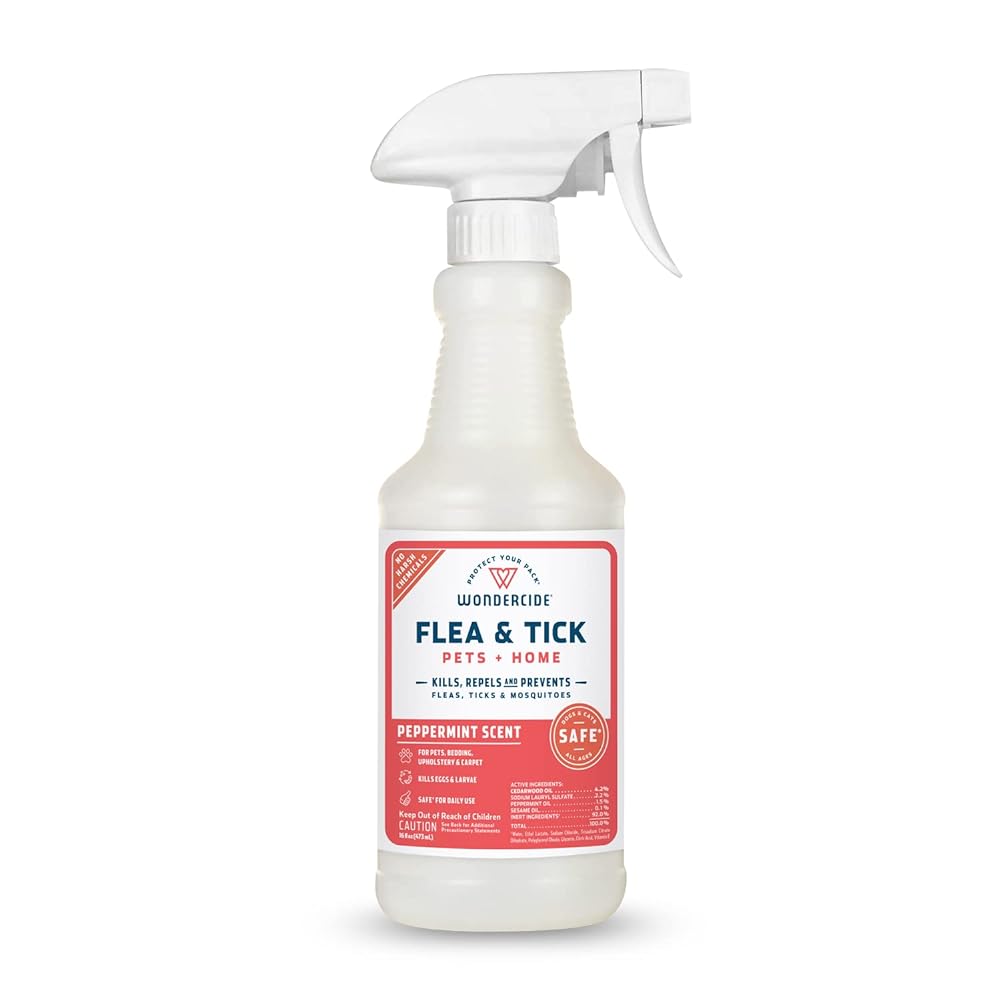
| Wondercide Spray (Essential Oils) | Spray | Contact kill and repellent | Every few days | Over-the-Counter (OTC) | Flexibility for pet and home surfaces |
Official Statements and Veterinary Guidelines
Veterinary regulatory bodies and parasitology councils maintain strict guidelines regarding parasite control. The Companion Animal Parasite Council (CAPC) advocates for year-round, continuous flea and tick prevention for all cats, regardless of whether they live exclusively indoors. Indoor-only felines remain at risk because hitchhiking fleas can enter homes on human clothing, shoes, or other pets, and mosquitoes carrying systemic pathogens can easily find their way inside.
The Isoxazoline Safety Profile
Prescription isoxazolines (such as fluralaner, lotilaner, and sarolaner) represent a modern class of highly effective systemic parasiticides. However, the U.S. Food and Drug Administration (FDA) requires manufacturers to explicitly note that some pets receiving isoxazolines have experienced potential adverse neurologic events, including muscle tremors, ataxia (incoordination), and seizures. While regulatory agencies maintain that these products remain safe and effective for the vast majority of animals, veterinarians must evaluate individual patient histories—particularly regarding neurological disorders—before prescribing them.
The Permethrin Danger to Felines
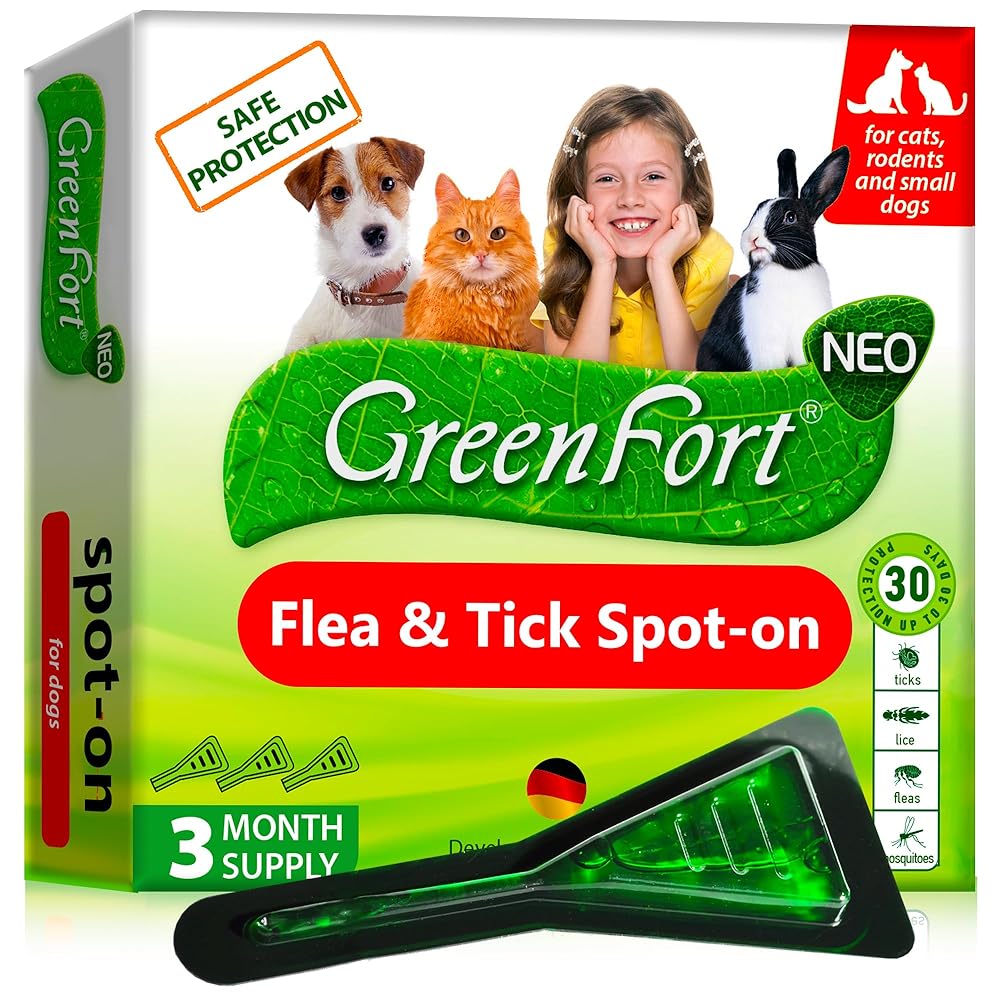
One of the most critical safety warnings in veterinary toxicology involves permethrin and related concentrated synthetic pyrethroids. Never apply a dog’s flea treatment to a cat. Felines possess a unique metabolic vulnerability due to a deficiency in glucuronyl transferase, an enzyme required to safely process these compounds. Exposure to concentrated canine spot-on treatments can lead to severe tremors, hyperthermia, seizures, and death. The Environmental Protection Agency (EPA) strongly advises pet owners to read product labels meticulously, ensure species-specific application, and separate treated dogs from cats until topical applications are completely dry.

Prescription Treatments: Speed, Duration, and Clinical Efficacy
When dealing with an active infestation, prescription therapies prescribed by a licensed veterinarian provide the fastest and longest-lasting relief.
1. Extended-Duration Topicals: Fluralaner (Bravecto)
Bravecto Topical Solution for Cats provides up to 12 weeks of continuous protection against adult fleas and ticks with a single dose. Administered topically to cats aged 6 months and older weighing at least 2.6 pounds, it removes the burden of monthly dosing schedules. Cats with a prior history of seizures warrant a detailed consultation with a veterinarian before application.
2. Oral Chewables: Lotilaner (Credelio CAT) and Spinosad (Comfortis)
Oral chews provide an alternative for cats that experience skin irritation from topical drops or for households that prefer to avoid residual topical residue on fur. Credelio provides monthly adult flea and tick coverage, while Comfortis targets adult fleas exclusively. Because Comfortis does not impact immature flea stages or ticks, it must be paired with diligent environmental control or complementary insect growth regulators.
3. Broad-Spectrum Topicals: Selamectin Combinations (Revolution / Revolution Plus)
For owners seeking a single monthly topical that addresses multiple parasites simultaneously, selamectin paired with sarolaner (Revolution Plus) is a standard veterinary choice. Beyond killing adult fleas and ticks, it prevents heartworm disease, treats ear mites, and eliminates certain intestinal nematodes, making it an ideal choice for comprehensive indoor wellness regimens.
Over-the-Counter Spot-Ons and Natural Alternatives
For pet owners navigating light seasonal pressure or seeking chemical alternatives, numerous over-the-counter and botanical options exist.
OTC Chemical Spot-Ons (Frontline Plus and Advantage II)
Products containing fipronil or imidacloprid paired with an insect growth regulator (IGR) like S-methoprene or pyriproxyfen target both adult fleas and developing eggs and larvae. These monthly spot-ons bridge the gap between simple contact killers and long-term biological interruption, helping to stop the reproductive cycle in its tracks.

Botanical and Essential Oil Sprays
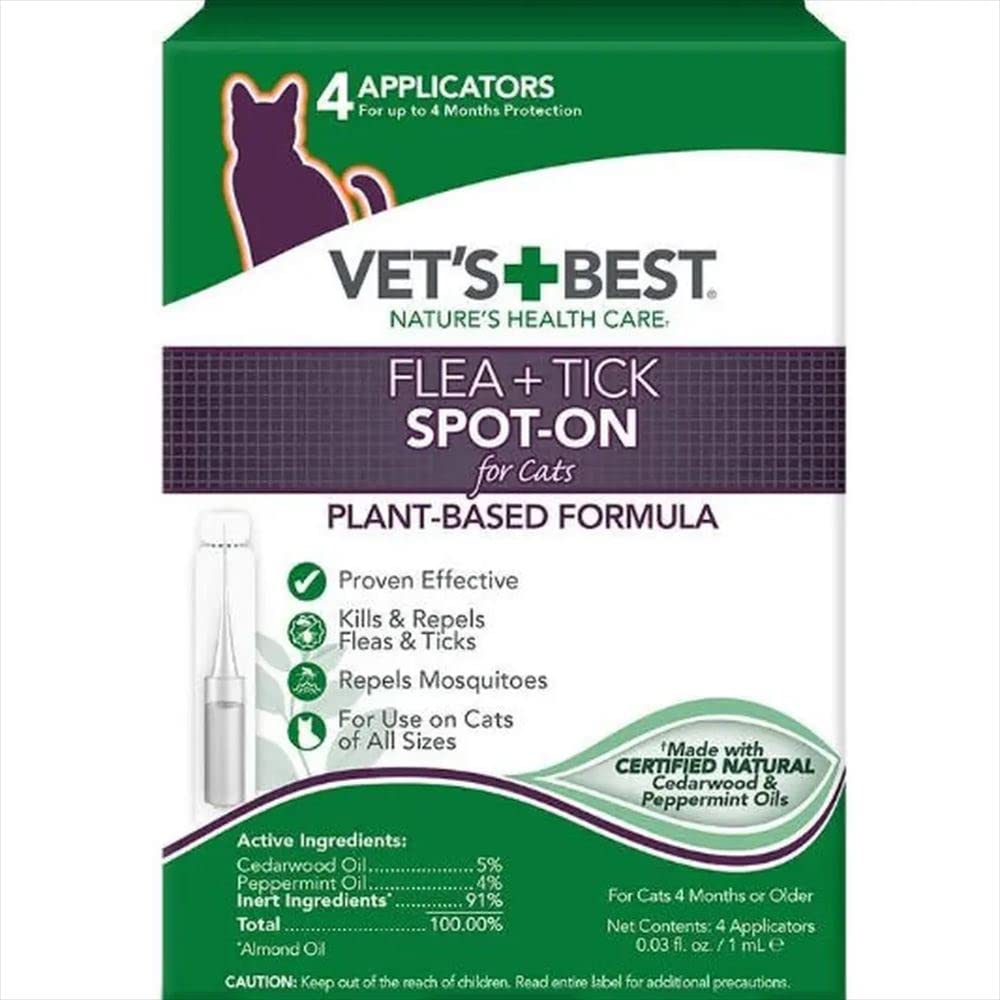
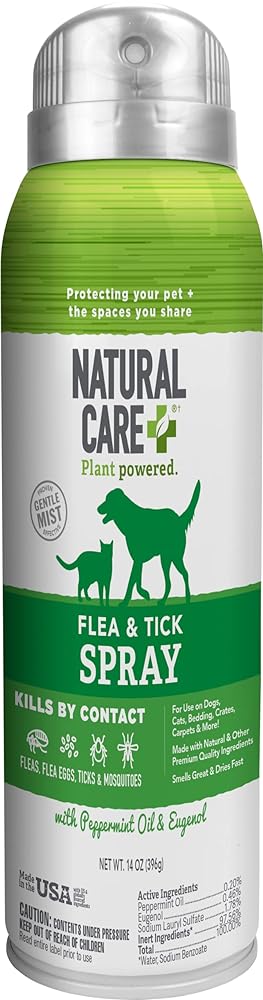
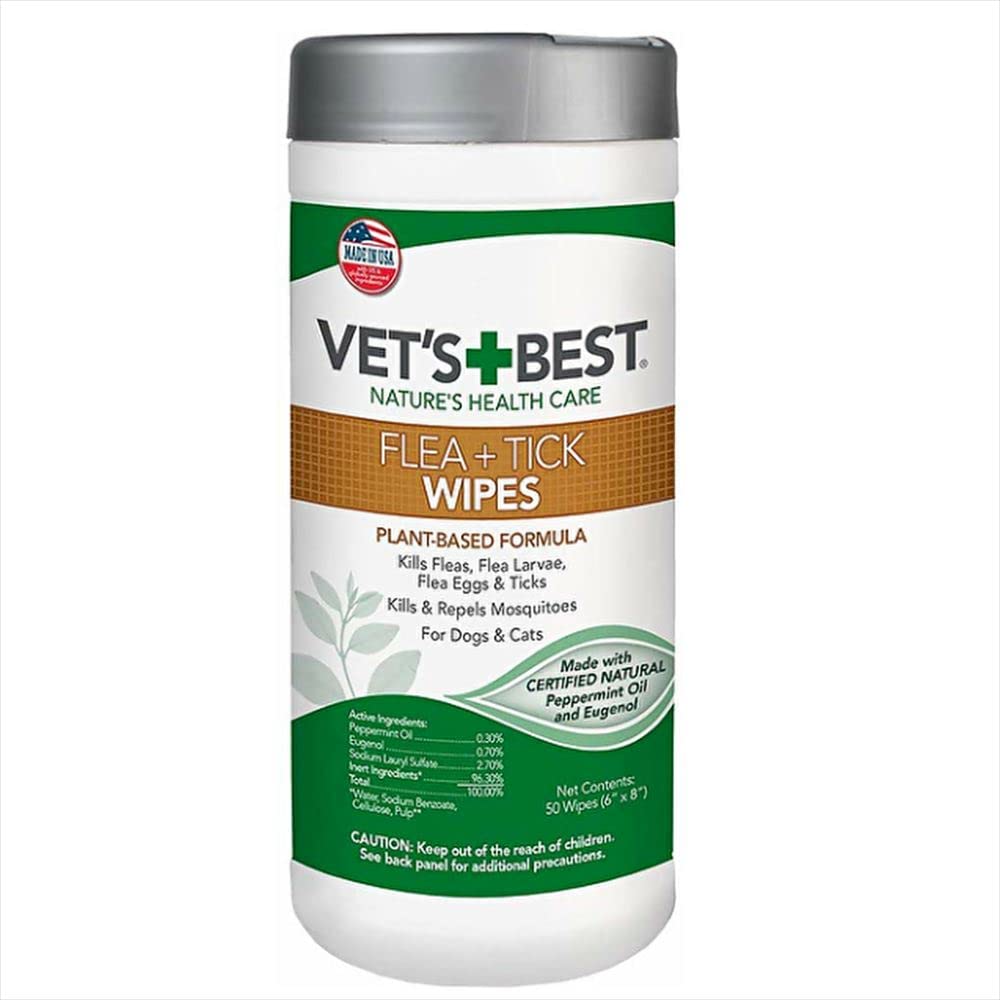
Plant-based sprays utilizing active ingredients such as cedarwood, lemongrass, or peppermint oil (e.g., Wondercide, Vet’s Best) offer contact-killing action and natural repellency.
- Advantages: Excellent for cats with sensitivities to conventional chemicals, chemical-conscious households, and quick surface touch-ups on bedding, carriers, or car seats.
- Limitations: They lack the multi-week residual activity of prescription treatments and generally do not disrupt dormant pupae safely embedded in deep carpeting. Reapplication every few days is typically required during an active outbreak.
Step-by-Step Home Eradication Protocol
Treating the cat while ignoring the living environment guarantees ongoing failure. Clearing an infested household requires a synchronized, multi-step environmental protocol maintained consistently for 6 to 8 weeks.
- Daily High-Efficiency Vacuuming: Vacuum all carpets, rugs, upholstered furniture, and floor cracks daily. Immediately empty the vacuum canister into an outdoor trash bin (or discard the vacuum bag) to prevent trapped fleas from hatching and escaping back into the home.
- High-Heat Textile Washing: Gather all pet bedding, washable throw rugs, and human bedding frequented by the cat. Launder these items in hot water (minimum 130°F / 54°C) and dry them on high heat to destroy eggs and larvae at every stage.
- Application of Insect Growth Regulator (IGR) Sprays: Treat carpets and furniture with a dedicated indoor surface spray containing an IGR (such as TropiClean or Vet’s Best home sprays) to neutralize residual larvae and prevent pupae from maturing into biting adults.
- Ongoing Mechanical Grooming: Utilize a fine-toothed metal flea comb daily during an active outbreak. Dip the comb in a bowl of warm, soapy water to trap and drown combed adult fleas instantly.
Future Outlook and Best Practices
As veterinary parasitology continues to evolve, the future of feline flea control points toward more targeted molecular therapies, improved safety profiles for sensitive populations, and enhanced diagnostic tools for detecting resistant parasite strains. Innovations in systemic preventatives aim to extend protective windows further while minimizing neurological side effects.
Summary Checklist for Cat Owners
- Consult Your Veterinarian: Always verify weight, age, and underlying health parameters before administering any pharmaceutical or botanical product.
- Never Use Canine Formulations: Keep dogs and cats separated after spot-on applications and double-check all packaging to prevent lethal permethrin toxicosis.
- Treat Environment and Pet Simultaneously: Break the biological lifecycle by cleaning floors, washing bedding, and maintaining a consistent treatment calendar.
- Maintain Year-Round Vigilance: Protect indoor cats from hitchhiking parasites with consistent, veterinarian-approved preventive care.
By aligning your treatment strategy with the biological realities of the flea lifecycle, selecting evidence-based therapeutics, and rigorously maintaining your home environment, you can secure a permanent, pest-free living space for both you and your feline companion.