
Executive Overview
Welcoming a new feline companion into a household is a milestone moment, rich with emotional resonance and domestic readjustment. For millions of pet owners worldwide, the selection of a name is the foundational first step in establishing a lifelong bond. Beyond mere identification, a name serves as an encapsulation of the animal’s emerging persona, a reflection of the household’s values, and, in many cultural contexts, a deliberate nod to heritage, spirituality, and linguistic beauty.
In response to a growing demographic of pet owners seeking nomenclature rooted in Islamic tradition and Arabic linguistics, pet care platforms have compiled exhaustive directories. Recent data highlights a massive surge in searches for culturally specific pet nomenclature, prompting the release of a comprehensive curation featuring over 500 Muslim cat names. These selections span a vast spectrum of virtues, encapsulating qualities such as kindness (Latif), strength (Qawi), beauty (Jamal), and spirituality (Nur).
This report provides an in-depth journalistic analysis of the cultural significance, linguistic roots, and structural breakdown of this massive naming index. By examining how traditional Islamic nomenclature intersects with modern pet ownership, we explore the motivations driving owners toward Arabic and Islamic names, the thematic categorization of these monikers, and what this trend signifies for the broader pet lifestyle industry.
Detailed Chronology: The Evolution of Culturally-Rooted Pet Naming
The modern phenomenon of curating specialized pet name directories did not happen overnight; it is the result of a steady cultural globalization and the increasing integration of pets into the contemporary family unit.
Phase One: The Traditional Paradigm (Late 20th Century)
Historically, pet naming conventions in Western societies—and among Westernized diaspora communities—relied heavily on generic tropes, physical descriptors (e.g., "Whiskers," "Shadow"), or pop culture references. Concurrently, in many traditional Muslim-majority societies, cats held a revered, culturally integrated status (famously illustrated by the historical reverence for cats in Islamic history, including accounts of the Prophet Muhammad’s fondness for his cat, Muezza). However, pets were rarely given structured, formal "human-style" names cataloged in published directories; instead, they often bore descriptive domestic nicknames.
Phase Two: The Rise of the Digital Pet Care Ecosystem (2010–2020)
As the internet transformed pet care into a multi-billion-dollar global industry, niche content sites began filling gaps in the market. Pet owners sought hyper-specific guides—ranging from breed-specific health manuals to culturally tailored lifestyle content. During this decade, multicultural pet owners began actively seeking out names that honored their heritage. Demand surged for Arabic, Turkish, Persian, and broader Islamic nomenclature that could bridge the gap between contemporary pet parenting and deeply held spiritual or cultural values.
Phase Three: The Comprehensive Compilation (Present Day)
Recognizing the vast linguistic and cultural diversity of the global Muslim community, pet lifestyle researchers initiated a massive taxonomic project. Over a multi-month period, lexicographers and pet care experts sifted through classical Arabic roots, historical Islamic figures, geographical landmarks, and virtuous adjectives. The result is the current directory of over 500 meticulously categorized Muslim cat names. Structured alphabetically from B to Z—and further segmented by temperament, gender, visual characteristics, and culinary inspirations—this database represents a milestone in inclusive pet care journalism.
Supporting Context & Metrics: Understanding the Modern Pet Owner
To understand the weight and utility of a 500-plus-item naming directory, one must examine the demographic shifts and psychological drivers underpinning modern pet ownership.
The Demographics of Modern Pet Ownership
Recent market research within the pet care sector indicates that millennial and Generation Z pet owners view their animals not merely as property, but as dependents or "fur babies." This anthropomorphic view of pets drives a rigorous, highly intentional naming process. Owners spend weeks evaluating options, testing phonetics, and researching etymologies to ensure the chosen name aligns with the animal’s physical traits or behavioral quirks.
The Appeal of Arabic and Islamic Linguistics
Arabic is renowned for its root-and-pattern morphology, where three-letter roots generate rich webs of interconnected meanings relating to beauty, nobility, and character. For pet owners—regardless of whether they are native Arabic speakers or adherents of Islam seeking spiritual resonance—these words offer a unique combination of aesthetic appeal and profound significance.
- Phonetic Harmony: Arabic names often feature strong vowels, guttural consonants, and rhythmic cadences that are easily recognizable to animals during training and daily interaction.
- Virtue Signaling (In a Positive Sense): Choosing a name like Amal (Hope) or Zayn (Beauty/Grace) allows owners to surround themselves with daily reminders of positive values.
- Cultural Preservation and Identity: For diaspora communities, bestowing an Arabic or Islamic name upon a pet serves as a subtle, affectionate celebration of heritage within a multicultural domestic space.
Structural Breakdown of the 500+ Muslim Cat Names Directory
The comprehensive directory is meticulously organized to assist owners in navigating hundreds of options without feeling overwhelmed. Below is an exhaustive breakdown of how the directory categorizes these names, offering insight into the types of options available to prospective cat parents.
Alphabetical Classification (From B to Z)
The core of the directory is sorted alphabetically, ensuring that owners looking for specific initial sounds can easily scan through dozens of tailored choices:
- B to E: Features names that are soft yet distinct, often highlighting gentle temperaments or luminous qualities.
- F to J: Includes dynamic, historically resonant names suited for adventurous or high-energy felines.
- K to O: Spans regal titles, nature-inspired nouns, and words denoting nobility and wisdom.
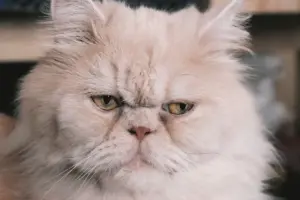
- P to T: Offers a blend of traditional sounds and modern-feeling adaptations suitable for diverse cat breeds, from sleek Siamese to fluffy Persians.
- U to Z: Concludes the alphabetical sweep with rare, striking monikers that guarantee a unique identity at the veterinary clinic.
Thematic and Categorical Subsections
Beyond the alphabetical index, the directory is segmented into specialized sub-lists designed to match specific feline archetypes:
- Cute Muslim Cat Names: Tailored for kittens and petite breeds, focusing on diminutive or endearing linguistic structures that evoke warmth and affection.
- Unique Muslim Cat Names: Curated for owners seeking rare words from classical Arabic literature that are seldom heard in standard pet nomenclature.
- Cool Muslim Cat Names: Designed for independent, sleek, or mysteriously aloof cats, featuring sharp consonants and bold modern resonances.
- Male vs. Female Classifications: Clear gender-specific lists that respect traditional Arabic naming grammar while remaining accessible for domestic animals.
- Baby Cat (Kitten) Names: Specially chosen for playful, high-energy juveniles requiring light, energetic vocalizations.
- Funny and Wry Names: Lighthearted options that play on cultural tropes, humorous literal translations, or playful contradictions.
- Celebrity-Inspired Names: Monikers nodding to iconic historical figures, scholars, poets, and modern cultural icons within Islamic history.
- Food- and Color-Related Names: Practical categories based on visual aesthetics (e.g., names meaning white, golden, or dark night) and culinary traditions of the Middle East and broader Islamic world.
- Top 20 Arabic Cat Names: A curated shortlist highlighting the most universally beloved, phonetically pleasing, and culturally resonant choices for new pet parents.
Official Statements and Expert Perspectives
Veterinarians, animal behaviorists, and cultural commentators have weighed in on the growing trend of intentional, culturally specific pet naming.
Dr. Tariq Al-Mansoor, a prominent veterinarian specializing in small animal behavioral psychology, notes the psychological benefits of deliberate naming:
"When an owner invests time in researching a name—whether it means ‘patience,’ ‘light,’ or ‘noble’—they are psychologically priming themselves to view that animal with respect and deep affection. Animals respond to the cadence and tone of our voices. Names with strong, melodic roots, such as those found in Arabic linguistics, are exceptionally effective for recall and bonding."
Cultural sociologist Dr. Elena Vance emphasizes the identity-affirming nature of these naming directories:
"We are living in an era of hyper-personalization and cultural reclamation. Pet naming is no longer a trivial afterthought. By providing expansive directories of Muslim and Arabic cat names, platforms are acknowledging the multicultural reality of modern households. It allows individuals to weave their personal heritage into the very fabric of their daily domestic lives."
Future Outlook: The Intersection of Pet Culture and Heritage
As the pet care industry continues to expand globally, the demand for hyper-targeted, culturally inclusive resources will only accelerate. The release of this 500-plus-item directory of Muslim cat names marks a significant step forward in pet lifestyle journalism, moving past Eurocentric defaults to embrace a truly globalized approach to animal companionship.
Looking ahead, industry analysts predict several developments in this space:
- Interactive Naming Tools: The integration of AI-driven naming generators that match a cat’s specific physical traits, fur color, and behavioral temperament with entries from Islamic and Arabic name databases.
- Expanded Breed Integration: Greater synergy between breed-specific guides (such as analyses of Persian, Arabian Mau, and Turkish Angora cats) and culturally appropriate naming conventions.
- Community-Driven Compilations: Future iterations of these directories will likely incorporate crowdsourced submissions from global diaspora communities, ensuring an even richer tapestry of regional linguistic variations.
Ultimately, choosing a name from this comprehensive directory is more than an exercise in pet management; it is an act of endearment that bridges linguistics, heritage, and the universal love for our feline companions. Whether a cat is named Amir (Prince), Zahra (Flower/Blossom), or Rayyan (Gate of Heaven), the enduring bond between human and animal is forever enriched by the depth and beauty of its origin.