
EXECUTIVE OVERVIEW
In an era defined by hyper-connectivity, digital noise, and fast-paced urban lifestyles, the domestic interior has increasingly become a sanctuary of psychological decompression. At the center of this domestic retreat sits a remarkably subtle catalyst: the domestic cat (Felis catus). While popular culture frequently reduces feline behavior to viral video fodder or memes of indolence, behavioral science, environmental psychology, and ethology suggest a far more complex reality.
When afternoon sunlight shifts across a living room floor, the arrival of a cat initiates a profound shift in household dynamics. Through a combination of innate predatory drives, circadian rhythms, territorial maintenance, and social communication, felines actively reshape human environments. This comprehensive report explores the multifaceted ways cats anchor human routines, examining the science behind sunbeam basking, window surveillance, predatory play, and micro-communications like the slow blink. Far from being mere passive roommates, cats serve as emotional regulators and architectural curators of the modern home, proving that a quiet afternoon is rarely uneventful when shared with a feline companion.
1. DETAILED CHRONOLOGY: THE ANATOMY OF A FELINE AFTERNOON
To understand how cats alter the cadence of a day, one must examine the temporal architecture of feline behavior. Unlike humans, whose schedules are dictated by strict clock time, cats operate on a fluid schedule driven by light, temperature, and biological cycles.
The Circadian Shift and the Midday Lull
As the morning gives way to the post-meridiem hours, a cat’s biological clock naturally triggers a decrease in metabolic expenditure. Scientifically classified as crepuscular animals—meaning their peak natural activity occurs at dawn and dusk—domestic cats experience a biological lull during the middle of the day.
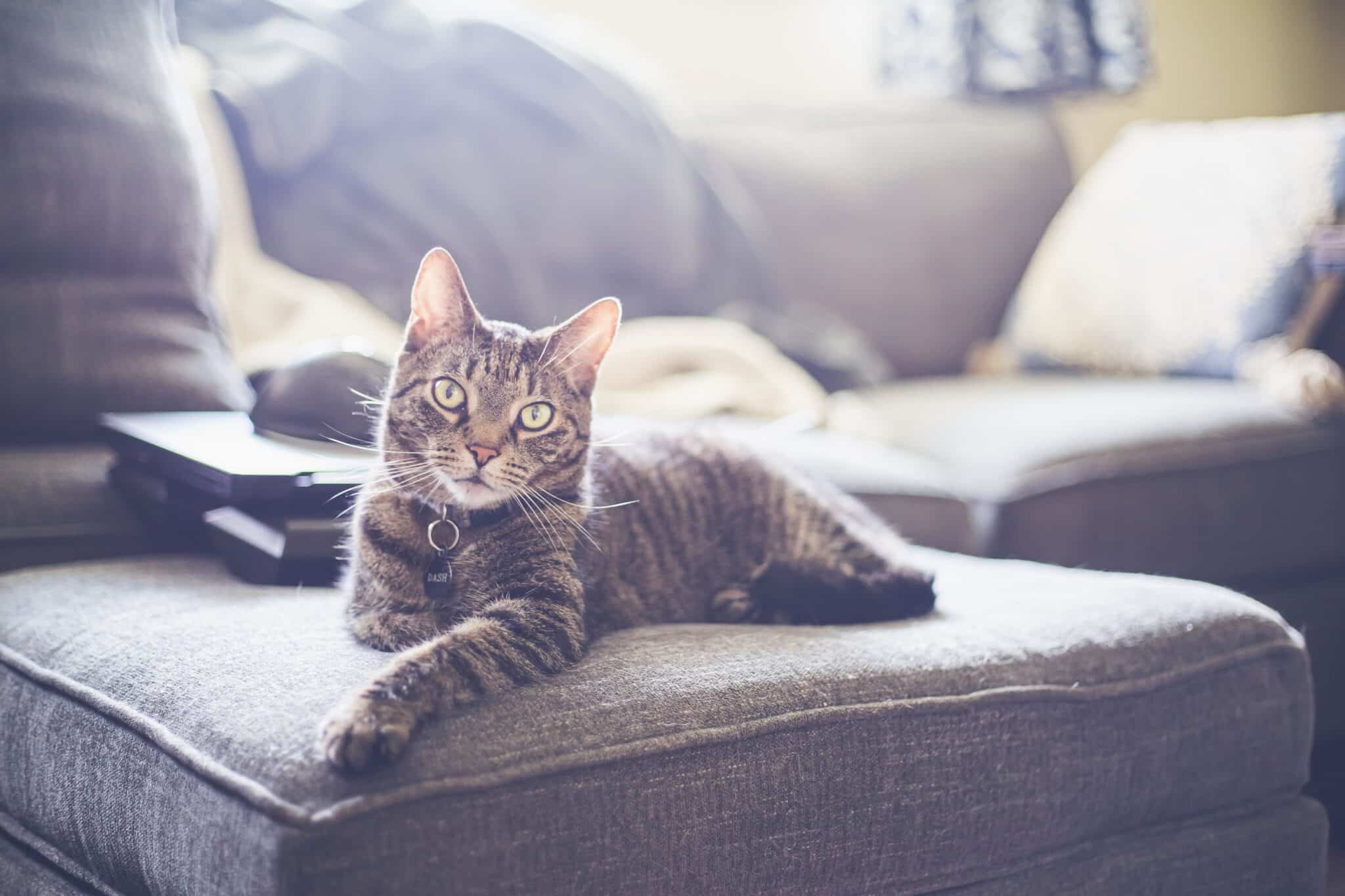
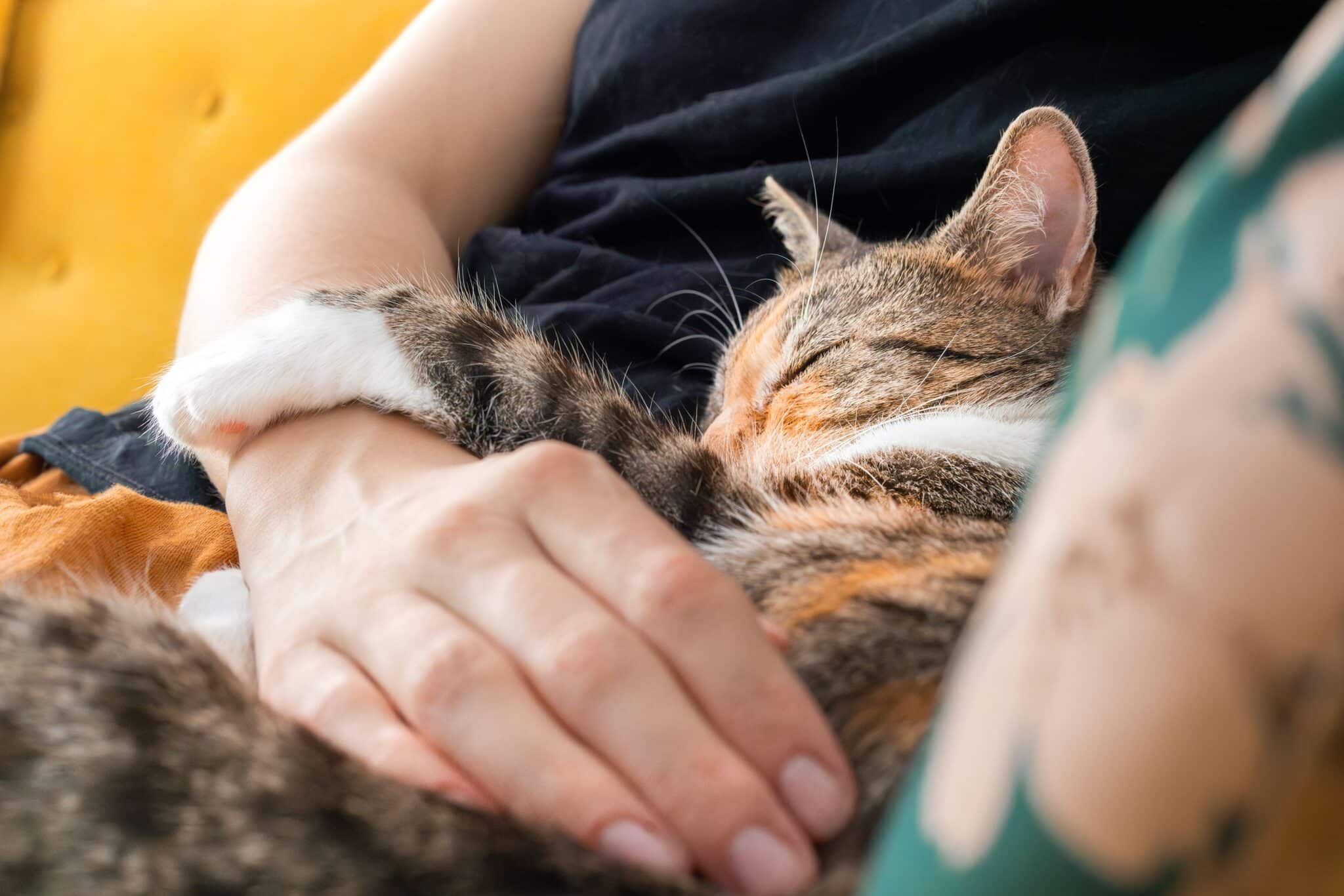
During this window, the environment undergoes a subtle transformation. The cat transitions from nocturnal or morning vigilance into a restorative state. However, this rest is rarely taken in isolation. Ethological observations reveal that cats selectively choose resting locations that maximize physical proximity to humans while maintaining absolute autonomy over their personal space. Whether curling up beside a reader on a sofa or draping themselves across the back of a desk chair, felines use physical closeness as a means of thermal regulation and social reinforcement.
The Migration to the Sunbeam
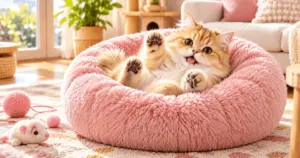
As the afternoon sun shifts angles, casting warm light across rugs and floorboards, cats execute one of their most reliable behavioral rituals: the targeted migration to the sunbeam.
This behavior is driven by both thermal physics and evolutionary biology. With a normal body temperature ranging between 100.5°F and 102.5°F, cats naturally seek out ambient heat sources to conserve metabolic energy. Basking in direct sunlight allows them to maintain their internal temperature without expending calories.
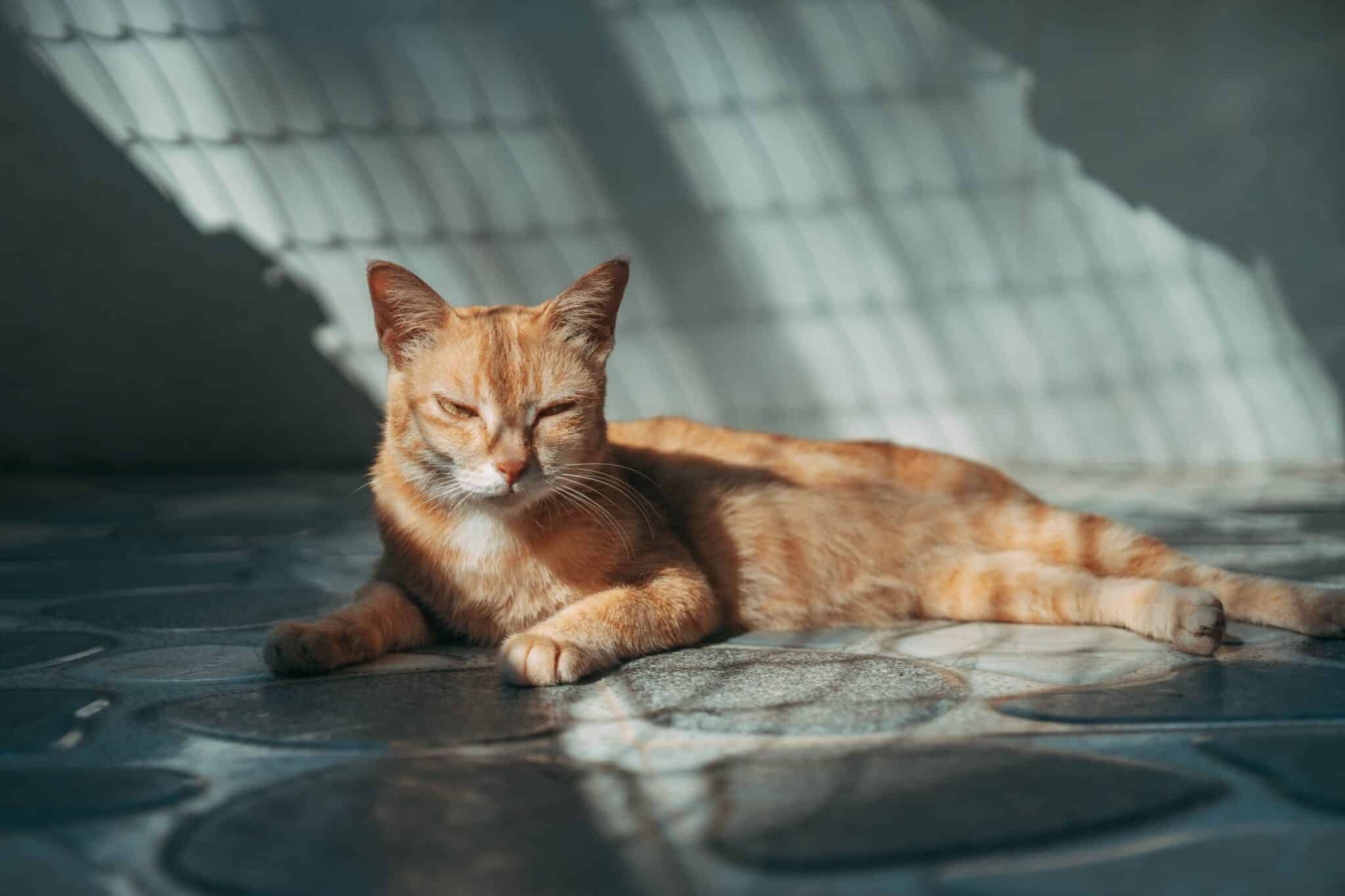
From an observational standpoint, this transforms a standard room into a stage of tranquility. The sight of a feline body decompressing, elongating, and molding itself to the contours of a warm patch of sunlight acts as a visual cue of safety and peace for human observers. Environmental psychologists note that witnessing an animal in a state of deep relaxation prompts a mirroring effect in humans, lowering cortisol levels and reducing heart rates.
2. SUPPORTING CONTEXT & METRICS: THE SCIENCE OF FELINE BEHAVIOR
Behind every seemingly spontaneous feline action lies a complex web of evolutionary psychology, sensory biology, and neurological processing.
Predatory Play and Mental Enrichment
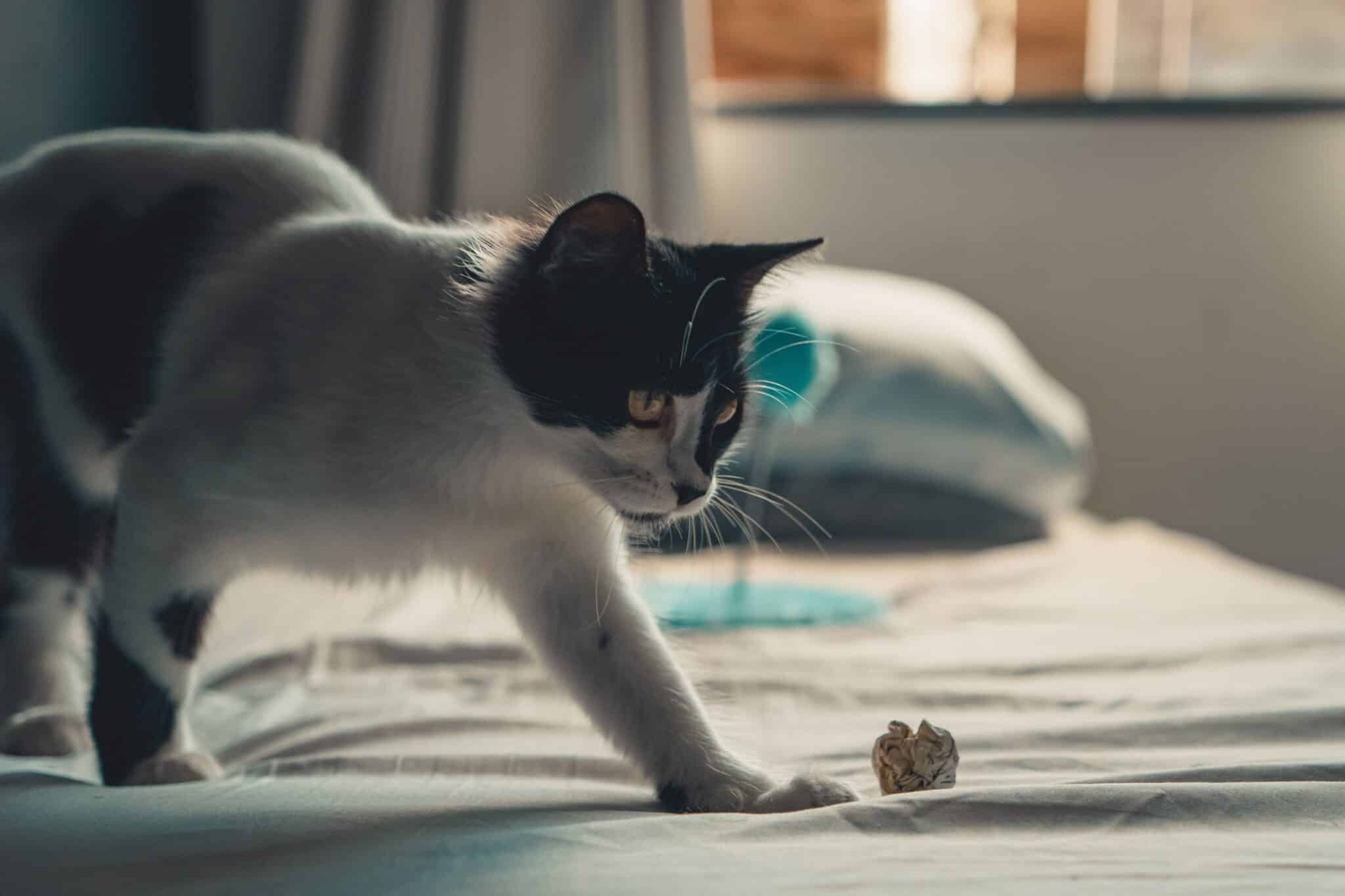
Even within the controlled environment of an indoor apartment, a cat’s predatory instincts remain razor-sharp. When a cat pounces on a crumpled paper ball, bats at a dangling ribbon, or chases an imaginary speck of dust, it is engaging in a crucial sequence: stalk, chase, pounce, and kill.
- Behavioral Metrics: Animal behaviorists recommend a minimum of 15 to 30 minutes of interactive play daily for indoor cats. This is not merely for physical health (combating feline obesity, which affects over 50% of domestic cats in developed nations), but for neurological health.
- The Role of Play: Interactive play releases endorphins, reduces destructive scratching or night-time vocalizations, and satisfies the predatory drive. When a cat brings a plush mouse to a human’s feet, it is often exhibiting a remnant of maternal or social provisioning behavior, inviting the human into its ritualistic world.
Window Surveillance: Environmental Enrichment
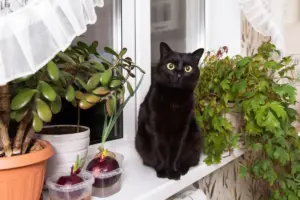
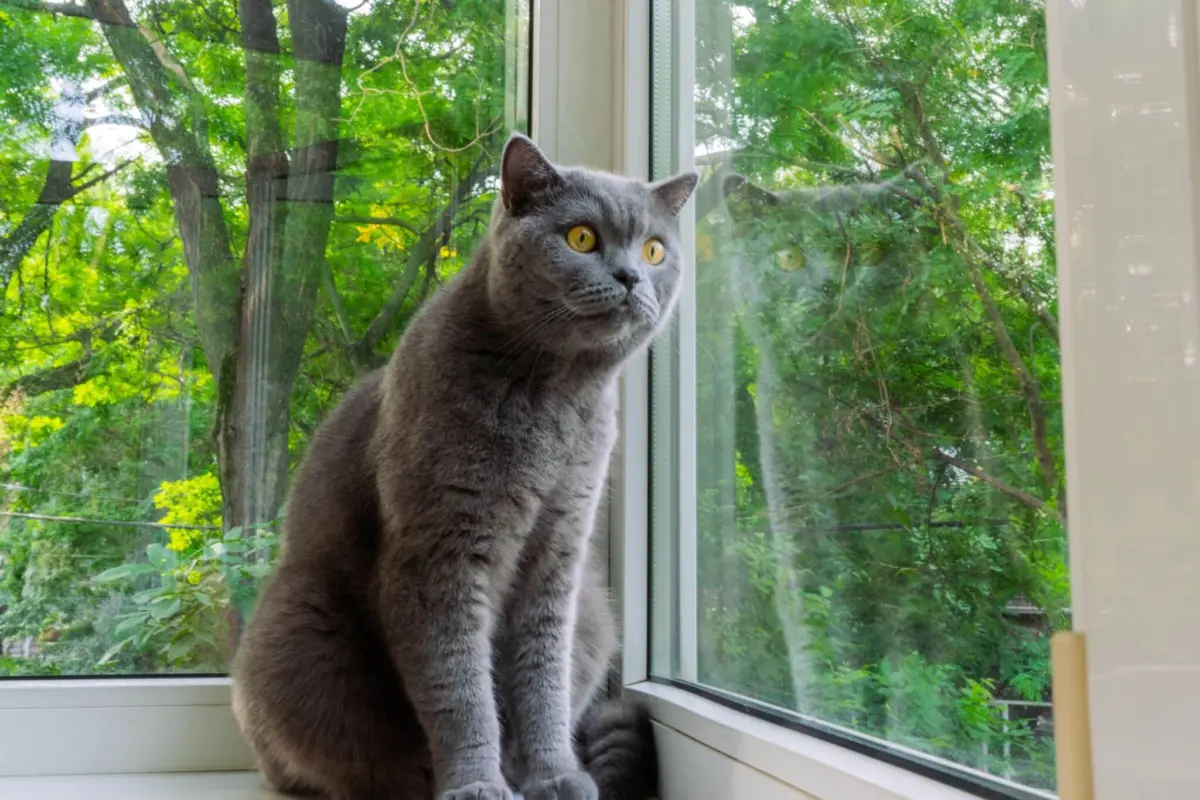
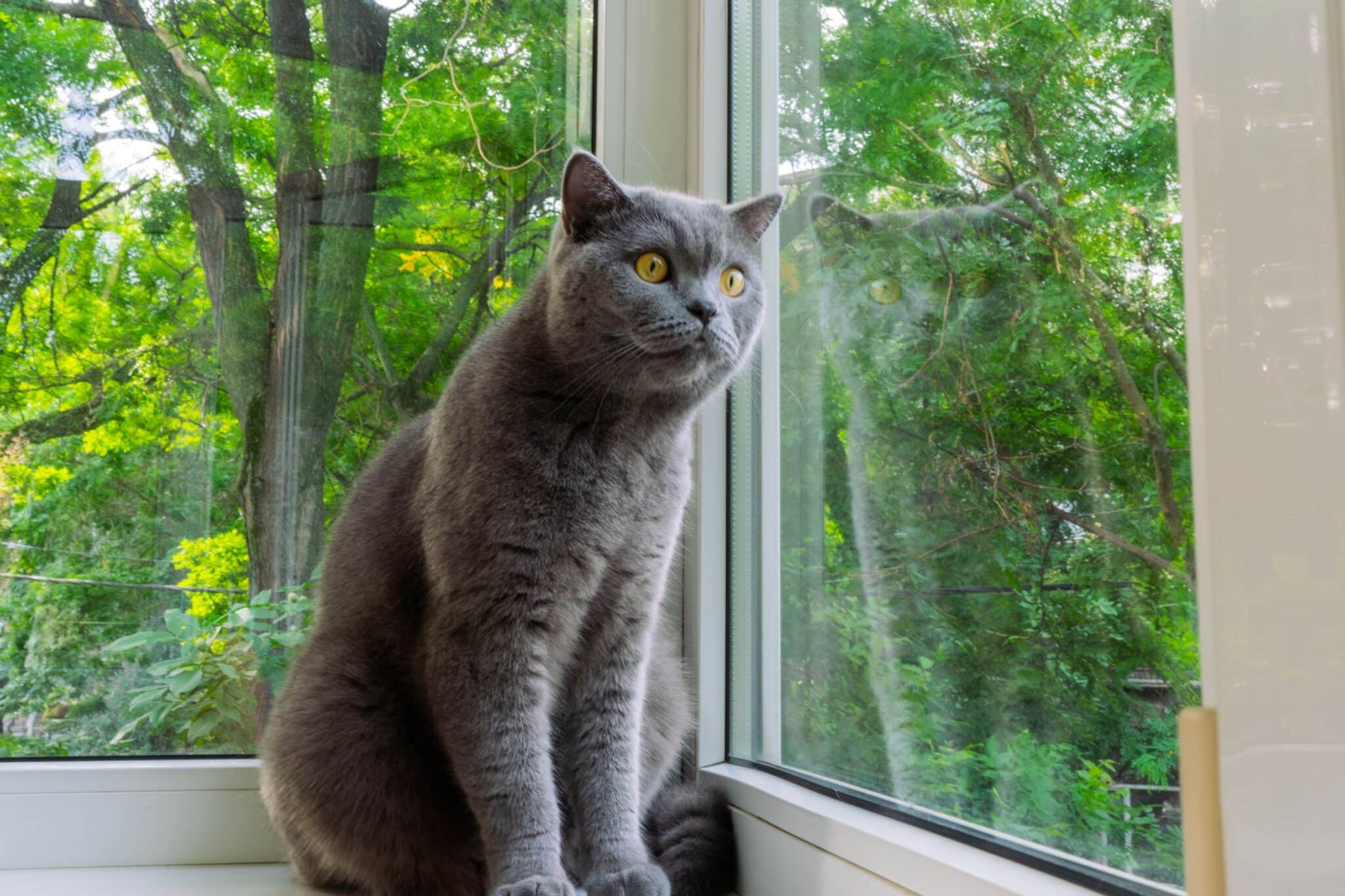
For the indoor cat, the living room window serves as a cinematic portal to the outside world. Ornithological and mammalian activity—birds fluttering, leaves shifting, pedestrians walking—provides essential sensory stimulation.
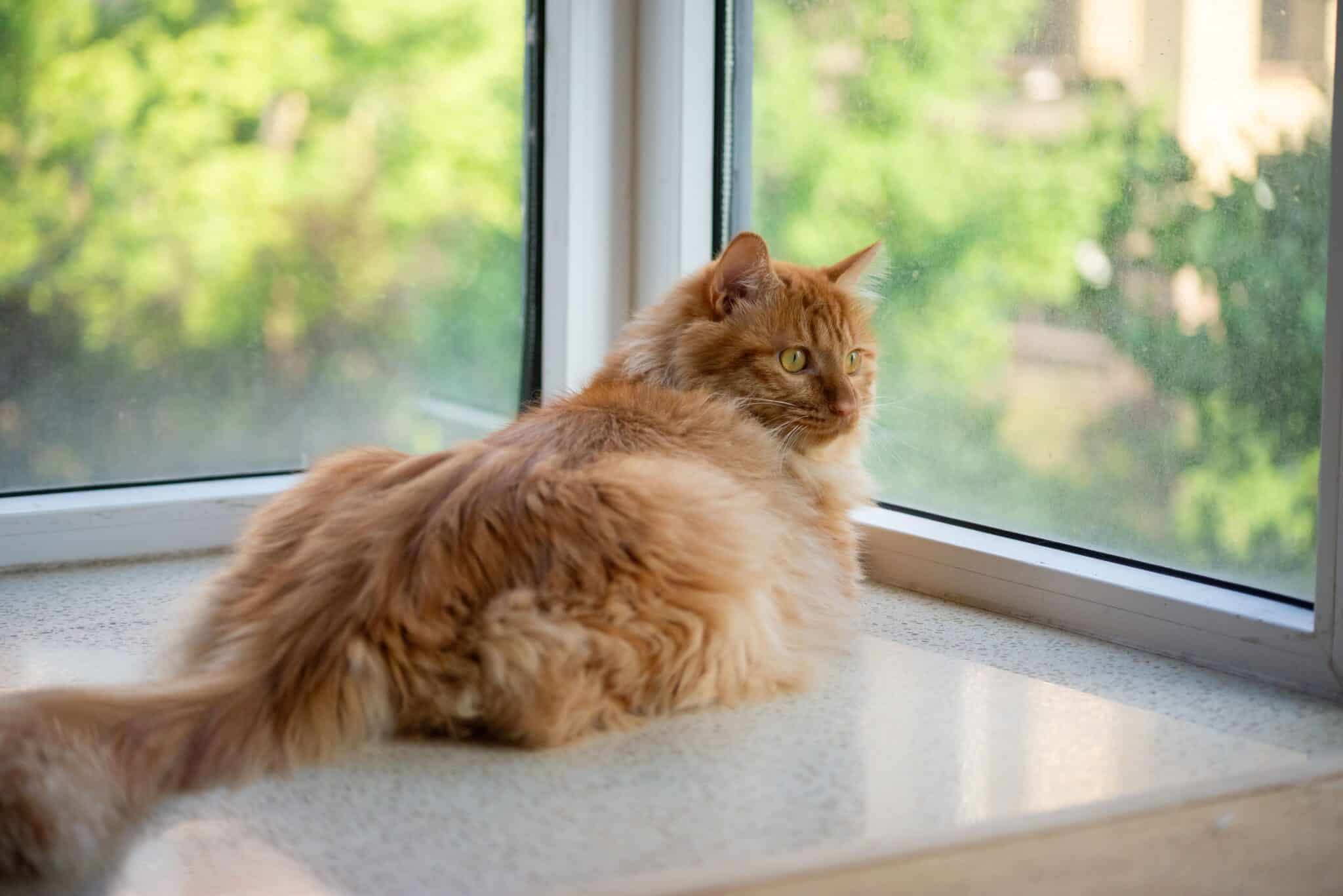
- Sensory Engagement: A cat perched on a secure windowsill experiences high-level cognitive engagement. Behavioral indicators such as tail twitching, pupil dilation, and "chattering" (a rapid clicking of the jaw observed when watching birds) demonstrate intense mental focus.
-
Safety Considerations: While window perches offer vital enrichment, animal welfare organizations stress the necessity of secure
window screens. Fall-from-height syndrome remains a documented risk in urban veterinary medicine, making structural home safety a prerequisite for feline enrichment.
Communication Nuances: Purring and the Slow Blink
Human-cat communication relies heavily on subtle visual and auditory cues.
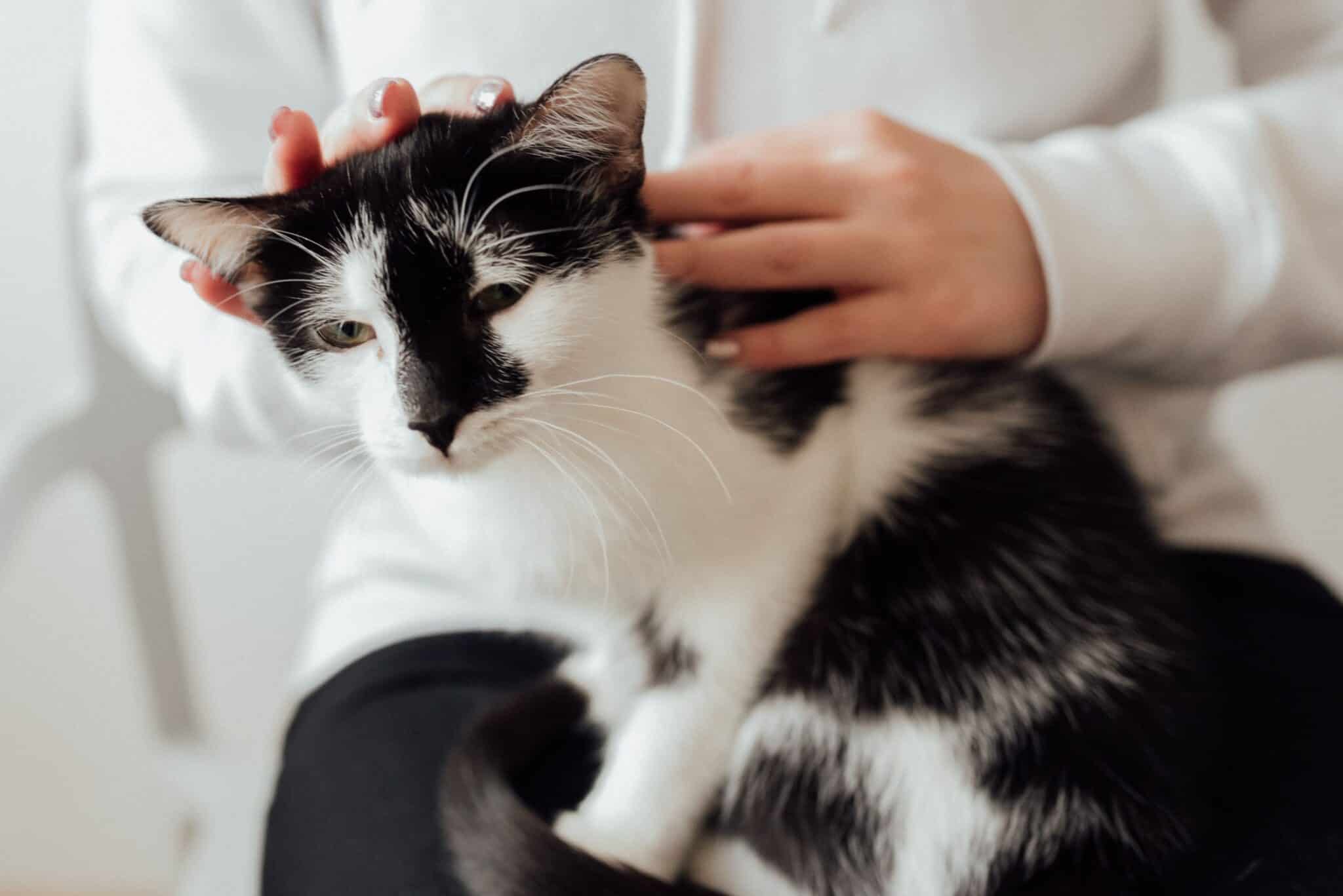
- The Purr: While universally interpreted as a sign of happiness, ethologists emphasize that purring is a multi-contextual signal. Cats purr when content, but they also purr to self-soothe during periods of stress, pain, or nursing. Context and body language—such as relaxed ears and loose postures—are vital to accurate interpretation.
- The Slow Blink: Often referred to as a "cat kiss," the slow blink is a documented non-verbal greeting. Research in animal cognition indicates that cats are more likely to approach unfamiliar humans who slow-blink at them. Returning a slow blink serves as an interspecies bridge, signaling non-aggression and mutual trust.
3. OFFICIAL STATEMENTS & EXPERT PERSPECTIVES
Veterinary behaviorists and animal welfare advocates frequently emphasize the profound psychological benefits of the human-animal bond during quiet domestic hours.
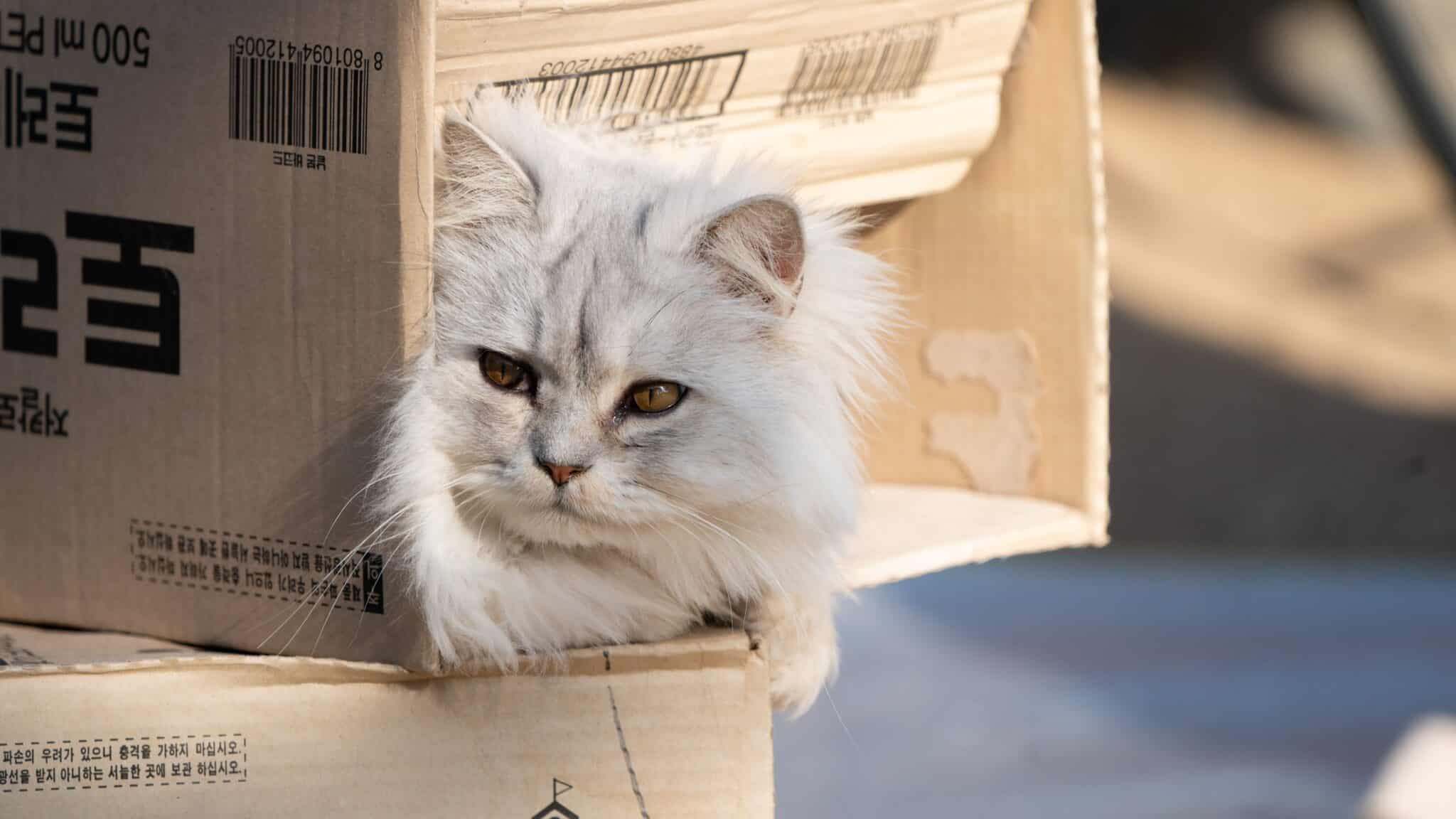
"We often underestimate the impact of quiet companionship," notes Dr. Elena Vance, a prominent feline behaviorist and researcher in animal cognition. "A cat does not need to perform tricks or demand constant engagement to profoundly alter an environment. Their mere presence—anchored by predictable routines, rhythmic purring, and a quiet grace—transforms a house into a home. They teach humans how to slow down."
Furthermore, veterinary nutritionists and shelter directors point out that recognizing the subtle cues of feline behavior prevents misunderstandings that can lead to behavioral issues.
"When a cat chooses an unexpected nap spot—be it a laundry basket of warm towels or the corner of an open desk drawer—they are optimizing their environment for safety and thermal comfort," states Dr. Marcus Thorne of the Feline Welfare Foundation. "Understanding these choices helps owners provide better enrichment, ensuring that the domestic space remains a stress-free haven for both species."
4. FUTURE OUTLOOK: THE EVOLVING ROLE OF PETS IN MODERN WELLNESS
As work-from-home and hybrid employment models become permanent fixtures of modern society, the daily interaction between humans and cats is undergoing a significant renaissance.

The Ergonomics of Shared Spaces
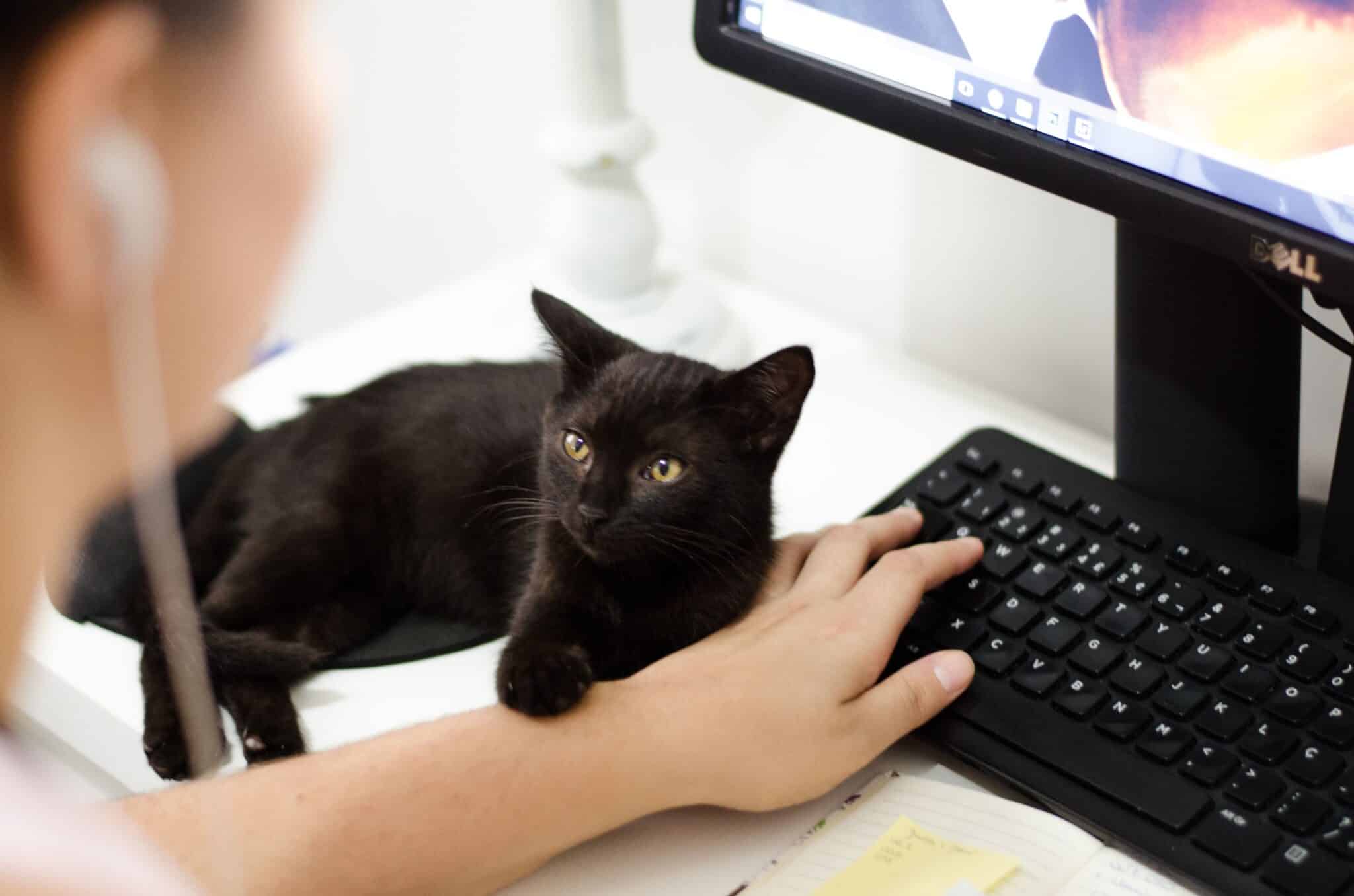
Home offices are no longer designed solely for human productivity; they are increasingly engineered with feline ergonomics in mind. The phenomenon of the cat sleeping across a keyboard, supervising a notebook, or positioning itself between a human and a computer screen is more than an inconvenience—it is a testament to shared spatial dynamics.
Future interior design trends are shifting toward integrated pet-friendly architecture: built-in window perches, discreet climbing pathways, and designated sun-tracking lounging zones. As wellness architecture prioritizes mental health, the inclusion of animal companions in daily workspaces is recognized as a vital component of stress reduction and emotional grounding.
Conclusion: The Value of the Unplanned Moment
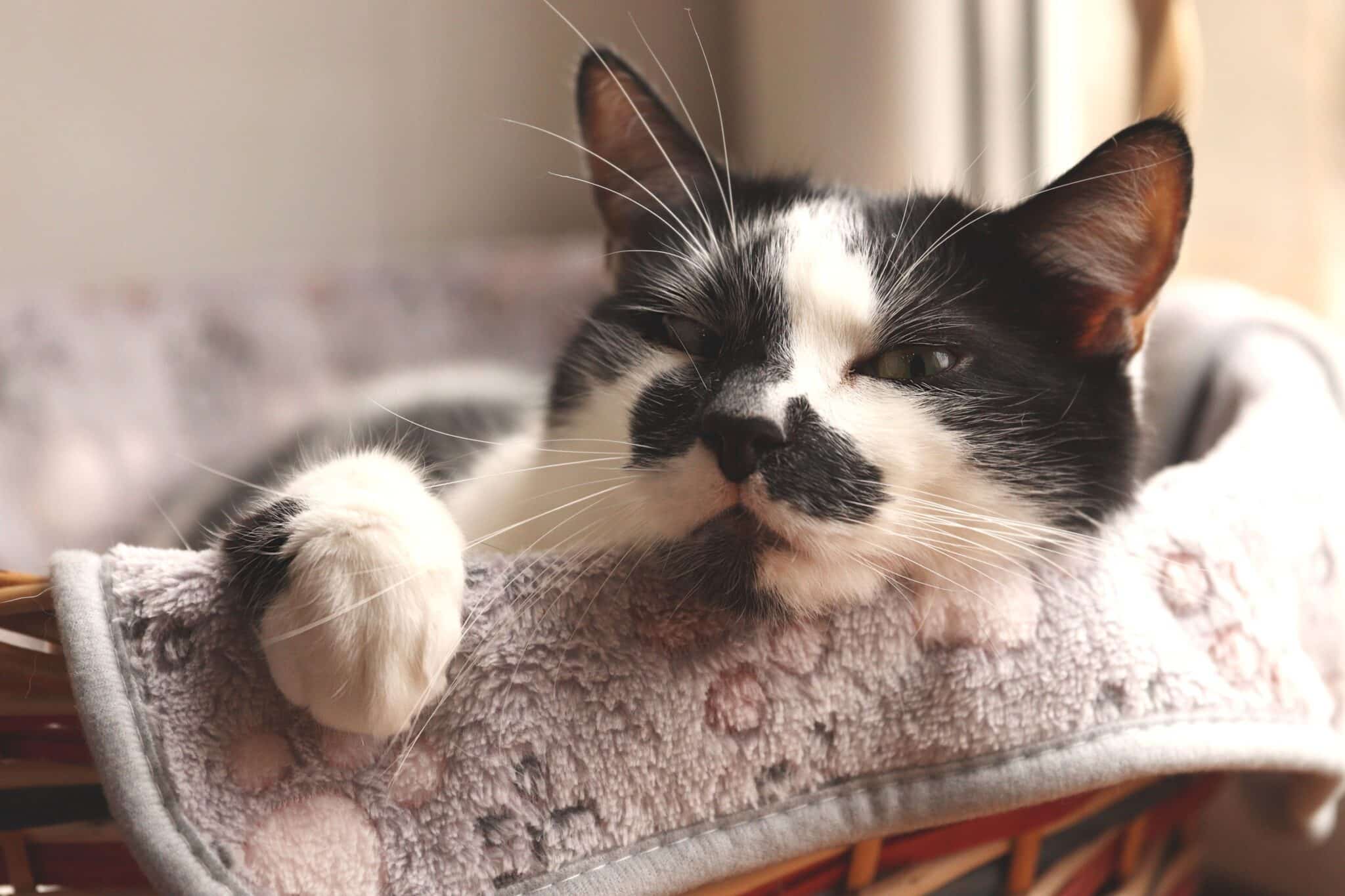
In a world obsessed with productivity metrics and constant connectivity, the domestic cat remains an ambassador of unhurried living. Whether they are turning a stray sunbeam into a private lounge, orchestrating a comedy routine inside an undersized cardboard box, or offering a gentle purr during an afternoon pause, felines remind us of the value of presence. Ultimately, the small, seemingly insignificant moments shared with a cat are what define the true warmth and comfort of home.