
Executive Overview
To share a home with a cat is to live under the constant, discerning gaze of a meticulous inspector general. Whether you are hauling home a grocery bag, unboxing a long-awaited online delivery, slipping on a freshly laundered pair of shoes, or introducing a brand-new piece of furniture, you can count on one constant: your feline companion will be there to audit the arrival. Within seconds, they are sniffing, circling, pawing, staring, and—more often than not—climbing right inside.
To the casual observer, this behavior looks like simple nosiness or stubborn interference. In reality, it is a complex, hardwired behavioral sequence rooted in evolutionary survival, sensory ecology, and cognitive enrichment. Far from being a mere nuisance, a cat’s urgent need to investigate unfamiliar objects is a masterclass in territorial management. Cats do not experience their homes the way humans do; their reality is mediated by an intricate mosaic of scent, texture, micro-movements, and spatial geometry.
This comprehensive investigation explores the biological, psychological, and environmental drivers behind why every single package, bag, and household addition demands a thorough cat inspection. By examining their sensory apparatus, ancestral hunting instincts, and individual personality traits, we uncover the hidden world of the domestic feline inspectorate.
Detailed Chronology: The Anatomy of a Feline Investigation
When a new item crosses the threshold of a home, a cat does not merely look at it; they subject it to a multi-stage forensic analysis. Understanding this temporal sequence reveals how cats process environmental novelty.
Phase One: Distant Detection and Sensory Alertness
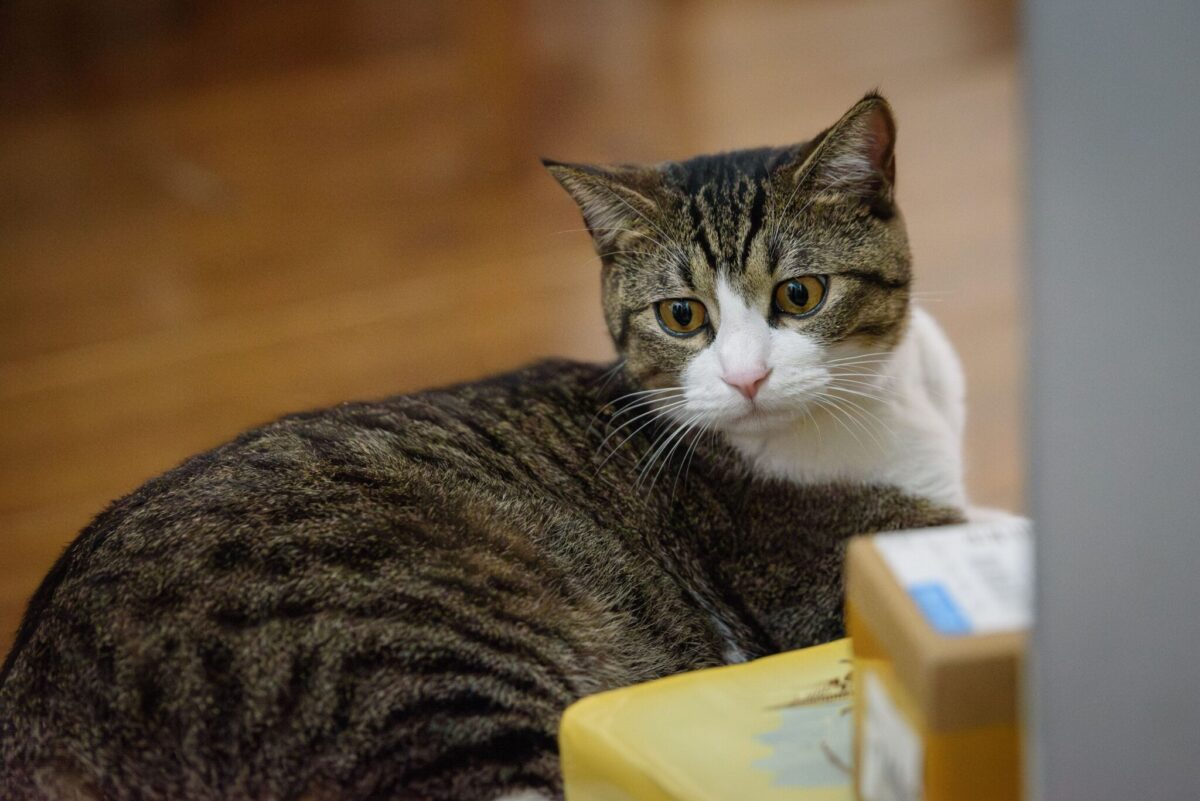
Long before a human sets a delivery box down on the kitchen floor, the cat has likely registered its arrival. Equipped with hearing that can detect high-frequency sounds imperceptible to humans and a field of vision tuned to sudden shifts in movement, a cat’s internal radar pings instantly. Even from across the room, the cat locks its gaze onto the object, freezing its posture to assess potential threat levels. Ears swivel independently to isolate rustling paper, shifting cardboard, or the faint hum of transit vibrations.
Phase Two: Cautious Approach and Perimeter Mapping
Once the initial alert phase passes without immediate danger, the cat initiates a slow, deliberate approach. This is rarely a headlong dash (unless the cat is a particularly bold kitten). Instead, the cat typically adopts a low posture, padding softly across the floor to establish a safe perimeter. They will walk a wide circle around the object, studying its silhouette, height, and mass. This spatial mapping allows the cat to integrate the newcomer into its mental map of the territory, noting how the new object alters familiar pathways, doorways, and sightlines.
Phase Three: Olfactory Decoding
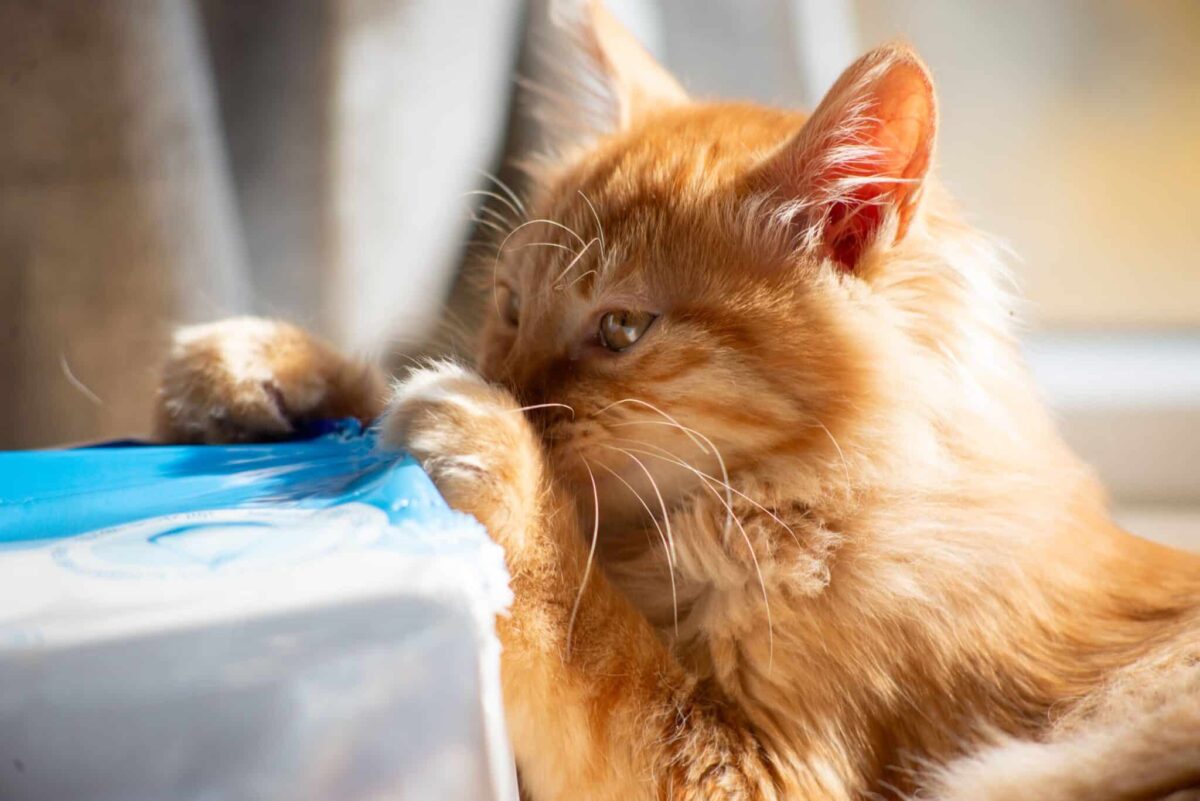
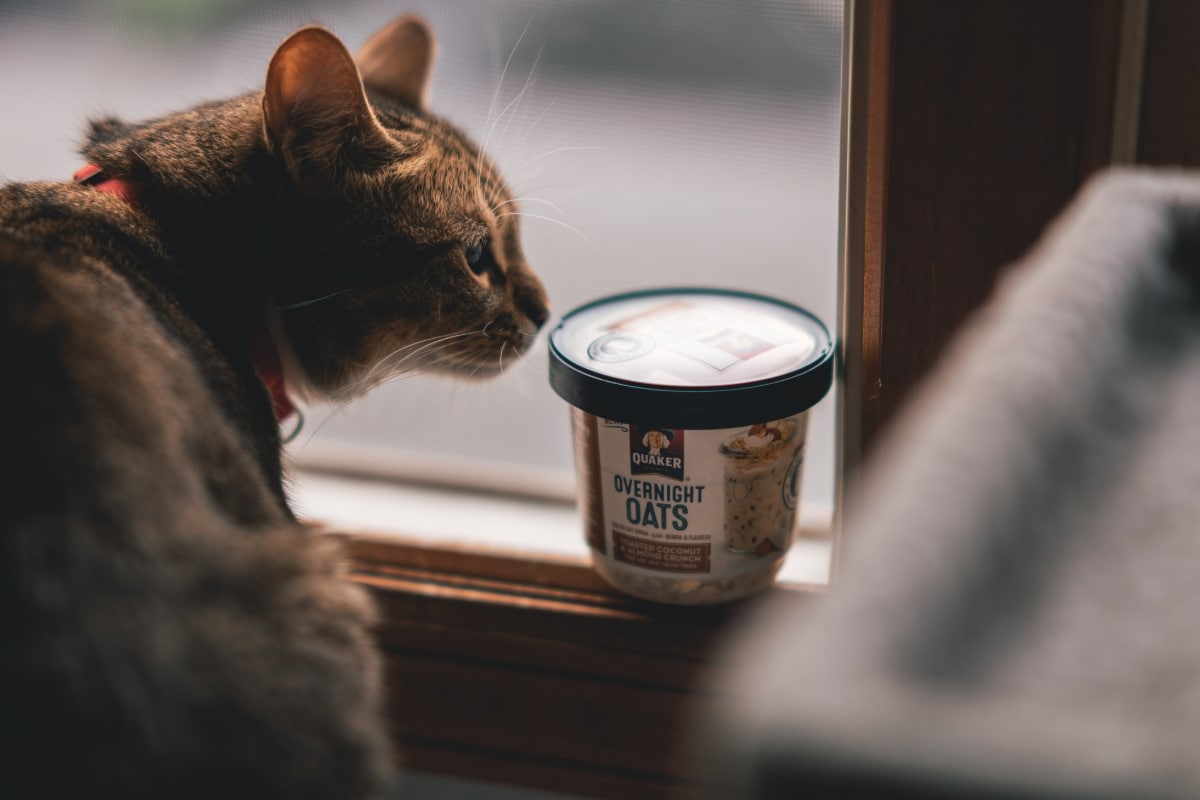
The most critical stage of the inspection is olfactory. Humans rely primarily on sight, but a cat’s world is olfactory. The cat extends its neck, whiskers trembling forward, and inhales deeply. A single delivery box or shopping bag is an olfactory time capsule. It carries the scent of the warehouse floor, the delivery driver’s jacket, residual smells from adjacent packages, and trace pheromones from distant animals. By utilizing their vomeronasal organ (Jacobson’s organ) located on the roof of their mouth—often signaled by the characteristically intense flehmen response, or open-mouthed gape—cats analyze chemical signatures with astonishing precision.
Phase Four: Tactile and Kinesthetic Interaction
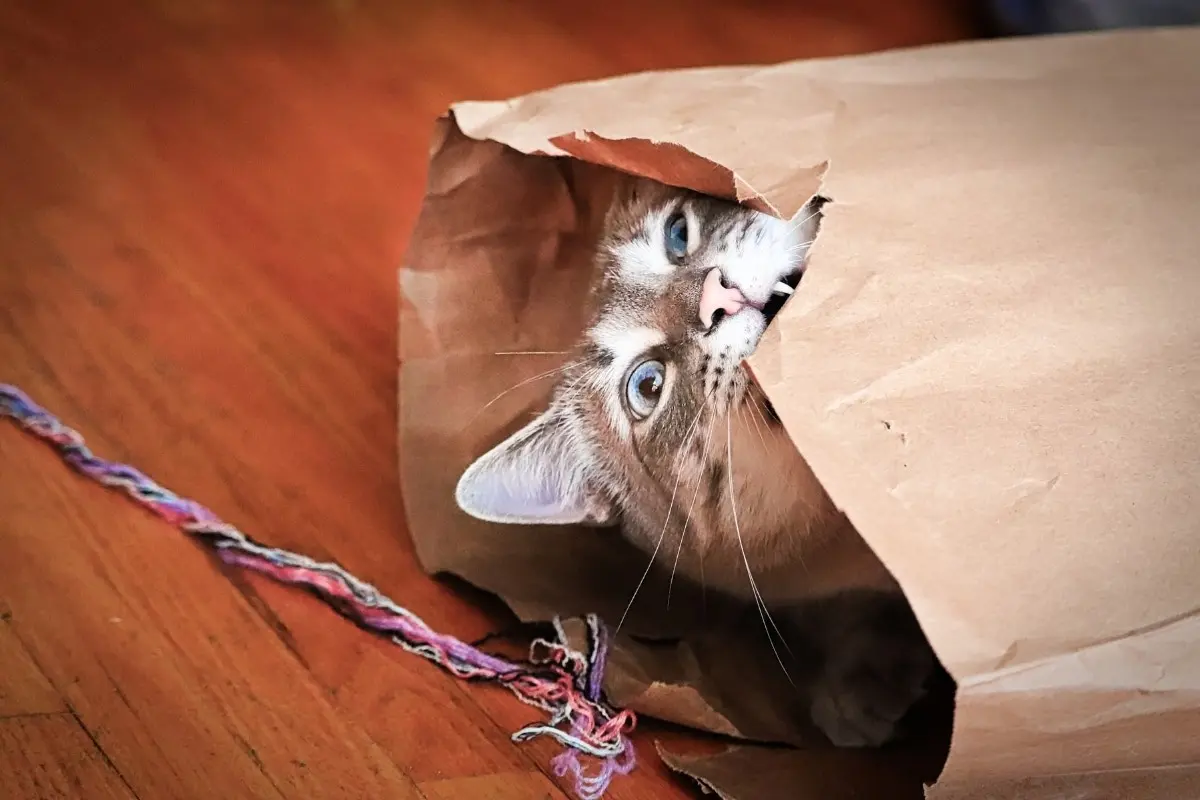
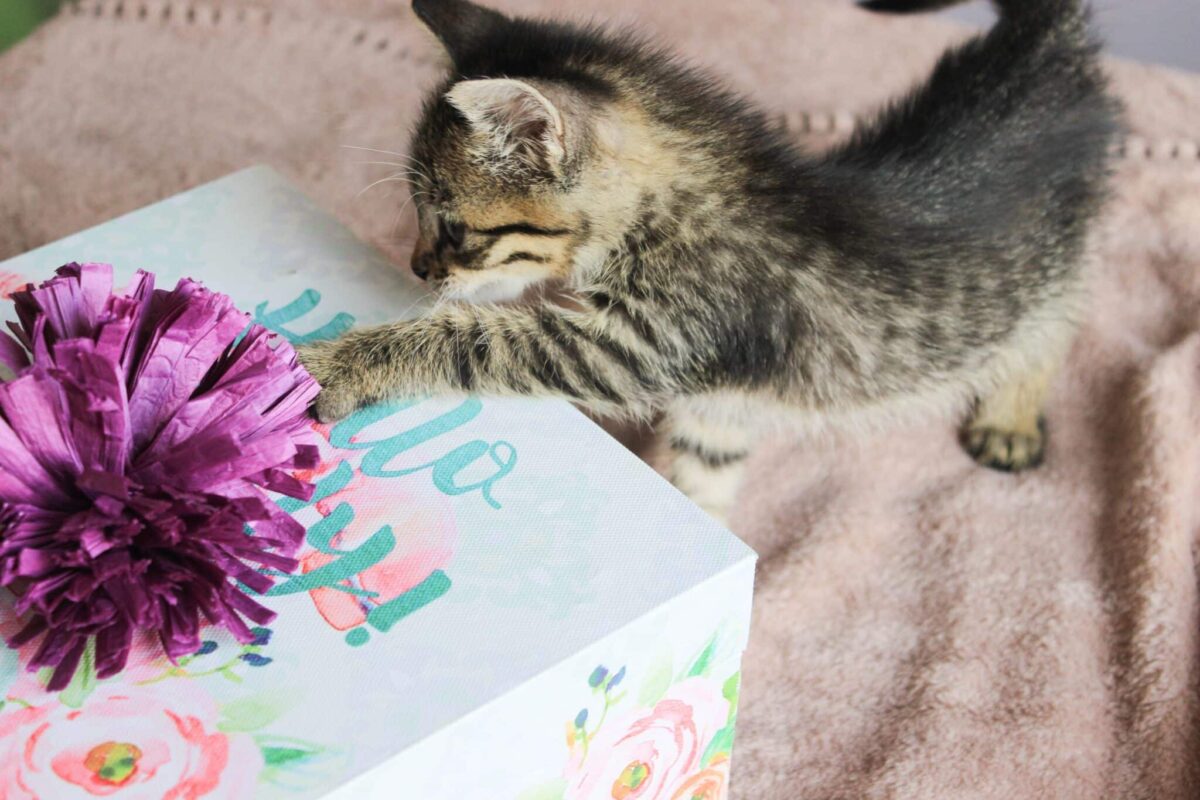
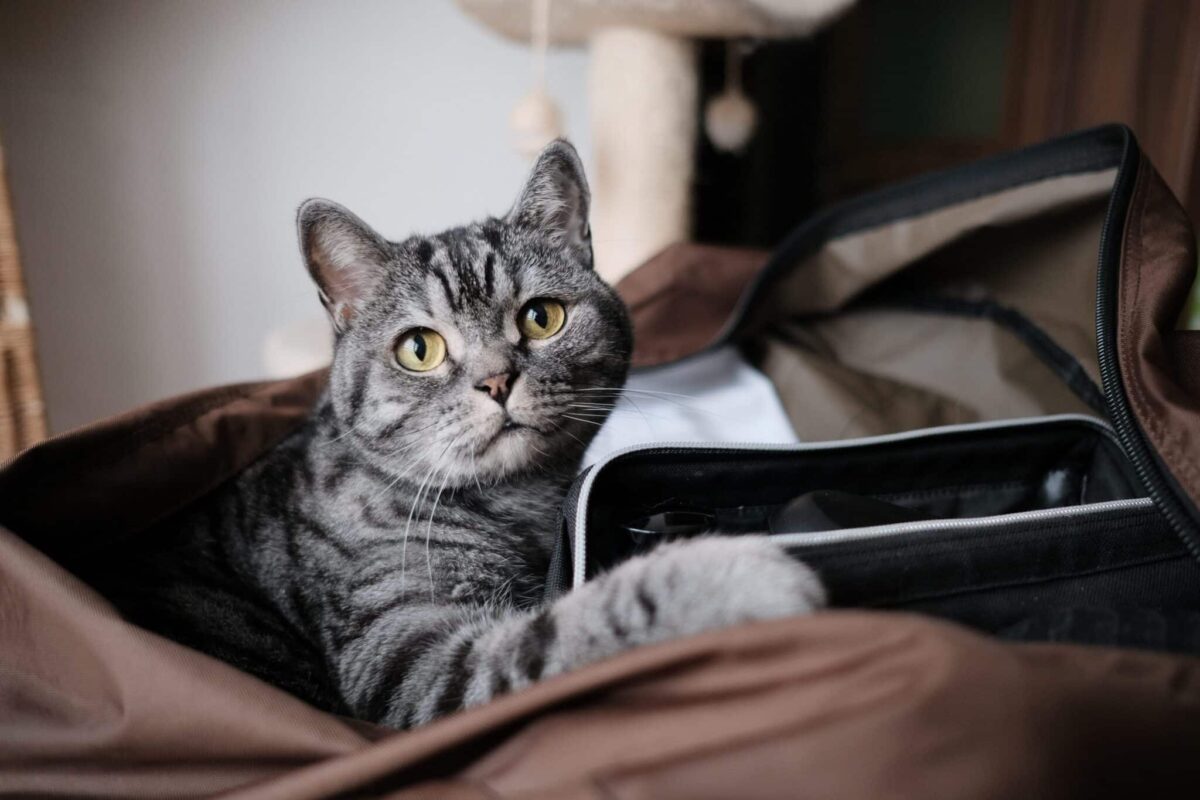
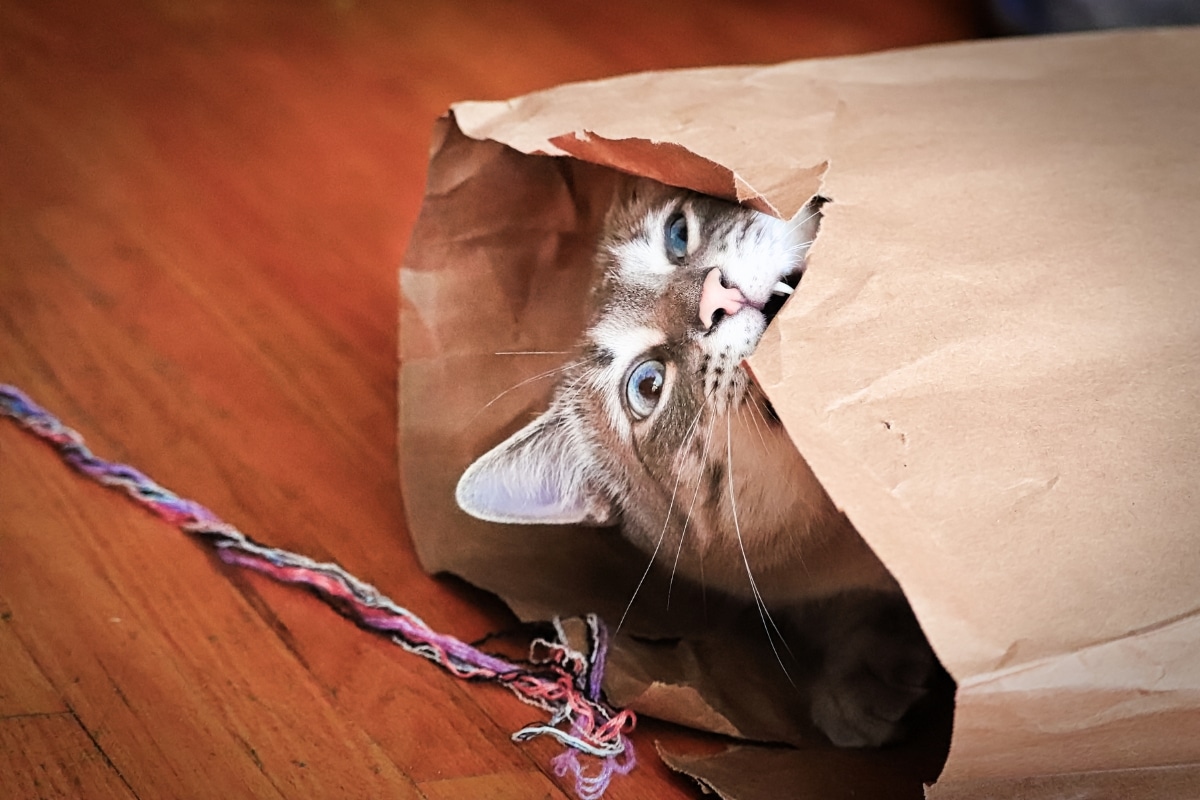
Having gathered distance, spatial, and chemical data, the cat moves in for physical contact. This is where the famous cat behaviors emerge: the tentative paw tap, the chin rub (which deposits the cat’s own facial pheromones to claim ownership of the object), and, inevitably, climbing inside. Cardboard boxes, open suitcases, and crumpled paper bags are transformed into impromptu observation posts, scratching surfaces, or dark sanctuaries. If the object shifts, crinkles, or features a dangling string, latent predatory sequences may trigger an explosive pounce or a playful swat.
Supporting Context & Metrics: The Science of Feline Curiosity
To truly understand why cats inspect everything, we must look at the physiological and environmental metrics that govern their behavior.
The Sensory Hierarchy: Olfaction vs. Vision
While humans possess roughly 5 million olfactory receptors, domestic cats boast between 60 million and 200 million, depending on the breed. Their nasal mucosa covers a surface area significantly larger relative to their body size than that of humans. When a grocery bag enters the home from the supermarket, it brings an invisible plume of foreign data. To a cat, ignoring this sensory explosion would be akin to a human walking past a blaring television and pretending not to notice.
Indoor Confinement and Cognitive Enrichment
The vast majority of modern domestic cats live exclusively indoors. While this protects them from external hazards such as traffic and predators, it also creates an environment of sensory deprivation compared to the wild. In a natural setting, a cat’s territory is constantly evolving with changing weather, migrating prey, and shifting flora.
Inside a climate-controlled home, the daily landscape remains largely static. Consequently, a new shoebox, a freshly washed fleece blanket, or an incoming package acts as a vital source of cognitive stimulation. Studies in feline behavioral enrichment show that novel, safe objects reduce stress and prevent behavioral issues stemming from boredom. A simple paper bag or delivery box provides complex tactile, auditory, and spatial puzzles that keep a cat’s brain sharp.
The Evolutionary Imperative of Territorial Integrity
Cats are both predators and prey, a dual evolutionary reality that dictates their hyper-vigilance regarding territory. In the wild, an unfamiliar object in a core territory could signal the presence of a rival predator, a toxic substance, or a concealed danger. Investigating every anomaly is not mere curiosity; it is a vital survival mechanism designed to ensure that the home range remains safe, predictable, and fully under the cat’s control.
Official Statements & Behavioral Insights
Leading feline behaviorists and veterinarians emphasize that investigating new items is a cornerstone of normal, healthy cat behavior.
Dr. Sandra Mitchell, a prominent companion animal veterinarian specializing in feline welfare, notes:
"When owners complain that their cat is ‘too nosy’ about incoming mail or groceries, they are misinterpreting a fundamental biological drive. Cats are cartographers of their own microscopic worlds. Every package represents a change in their geographic landscape and an influx of chemical data. Investigating is how they achieve peace of mind."
Furthermore, animal behavior specialists point out that human scent plays an intensely magnetic role in this process. When a human returns home from work, the clothes, bags, and shoes they carry are saturated with personal odors mixed with the outside world. A cat investigating a jacket draped over a chair is performing an act of social reassurance. By blending their own scent with their human’s through close inspection and rubbing, they reinforce social bonds within the household hierarchy.
Applied animal behaviorists also highlight the role of learned reinforcement. If a cat learns that the arrival of a rustling package or a crinkling grocery bag historically precedes playtime, treats, or the discovery of a cozy new box to nap in, the behavior becomes self-reinforcing. Over time, the mere sound of a delivery truck in the driveway can trigger a conditioned response, sending the cat sprinting to the door to supervise the unpacking process.
Future Outlook: Managing Enrichment and Safety for the Modern Cat
As e-commerce continues to dominate modern life, the frequency of boxes, plastic mailers, and packing materials entering residential homes is higher than ever. For cat owners, understanding the mechanics of feline inspection opens up new pathways for responsible enrichment and proactive safety management.
Feline-Friendly Environmental Enrichment
Rather than discouraging cats from investigating packages, forward-thinking pet owners are learning to leverage this behavior. Allowing cats safe, supervised access to empty delivery boxes, paper bags with the handles removed, and clean blankets provides cheap, highly effective environmental enrichment. Rotating these "novelty items" keeps indoor cats mentally stimulated and physically active.
Mitigating Hidden Hazards
However, the surge in household packaging also demands heightened vigilance. Veterinary emergency rooms frequently treat cats for ingestion of linear foreign bodies (such as packing strings, ribbons, and adhesive tape), toxic chemical residues on imported cardboard, and suffocation risks associated with plastic bags.
Future guidelines from veterinary associations emphasize a balanced approach:
- Supervised Exploration: Allow cats to investigate boxes and paper bags only after hazardous elements like plastic wrap, staples, strings, and chemical-laden packing peanuts have been stripped away.
- Controlled Access: Store suitcases, grocery bags, and mail promptly if they contain items that could pose a toxic or physical threat to an unsupervised pet.
- Routine Integration: Embrace the cat’s natural inspection routine as a daily bonding opportunity, transforming the opening of everyday parcels into an interactive play session.
Conclusion
The image of a curious tabby peering into a cardboard box or sniffing a pair of newly arrived shoes is more than just a charming internet trope; it is a window into the sophisticated inner life of the domestic cat. Driven by a powerful cocktail of territorial instinct, extraordinary olfactory senses, and a biological need for mental stimulation, the feline inspectorate will continue its tireless work. By understanding and respecting these deep-seated behaviors—while keeping safety paramount—pet owners can transform everyday household deliveries into moments of enrichment, connection, and joy for their cats.