
Executive Overview
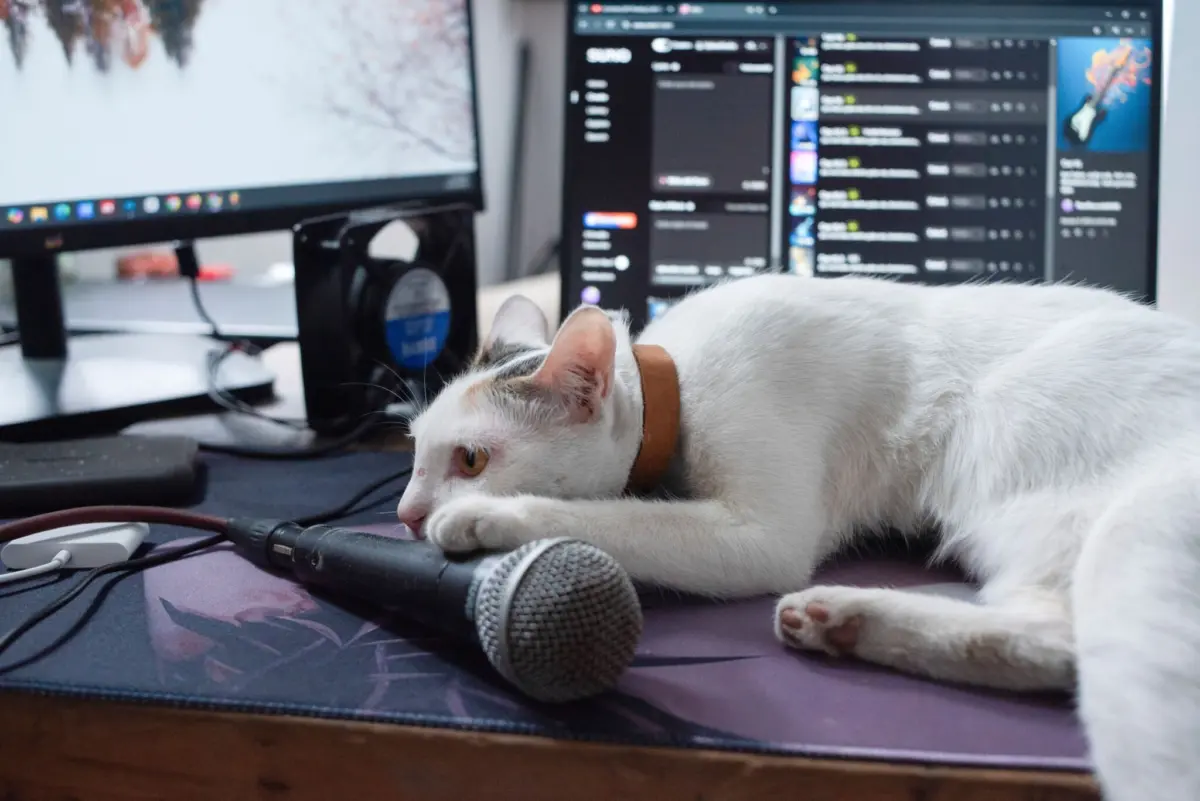
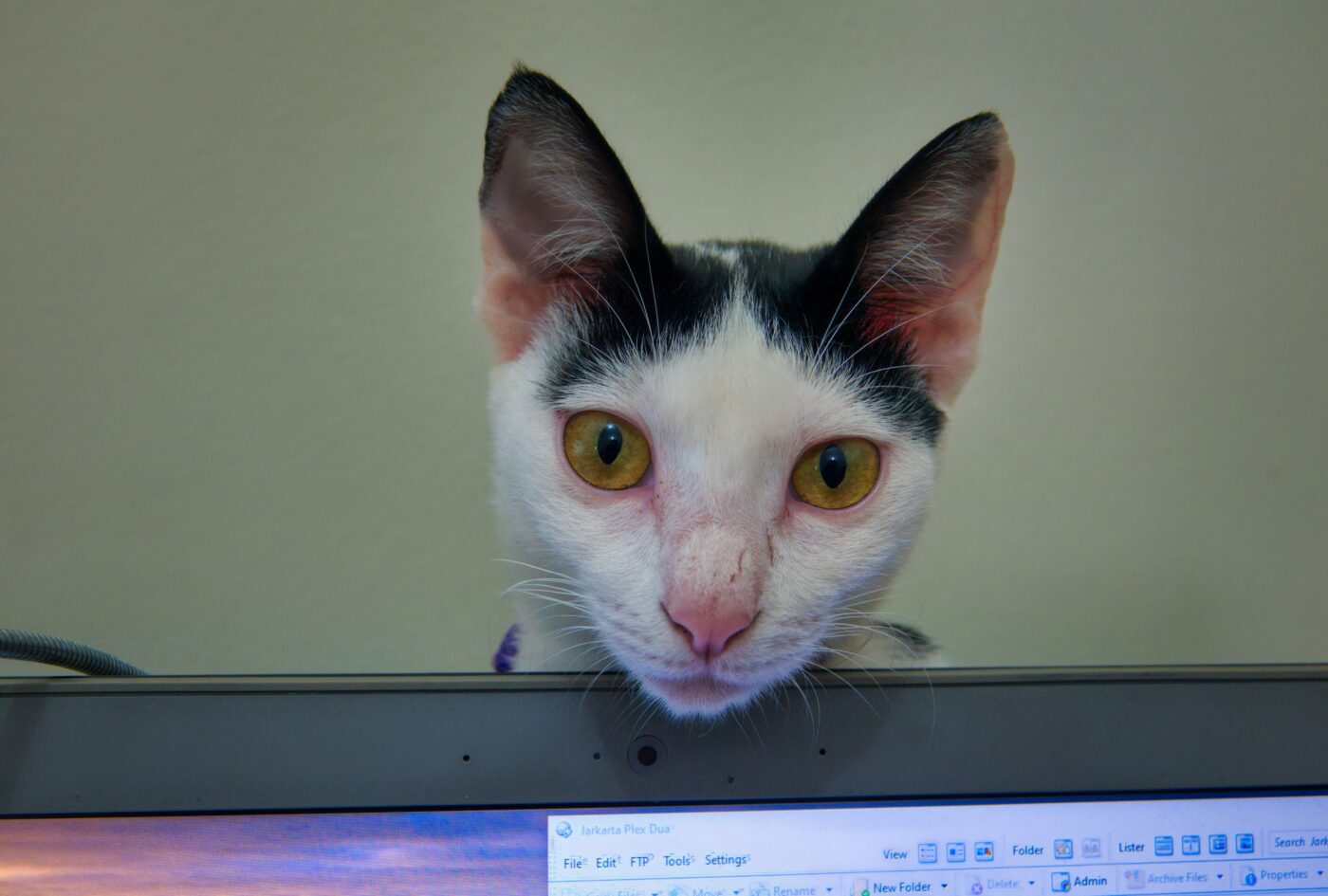
Every remote worker, writer, and late-night gamer knows the phenomenon: the exact moment a professional task requires absolute concentration is the precise second a feline companion chooses to colonize the keyboard. With remarkable confidence, a cat will step over pristine documents, obscure the monitor, and settle directly across the home row with all the gravity of an emperor claiming a throne.
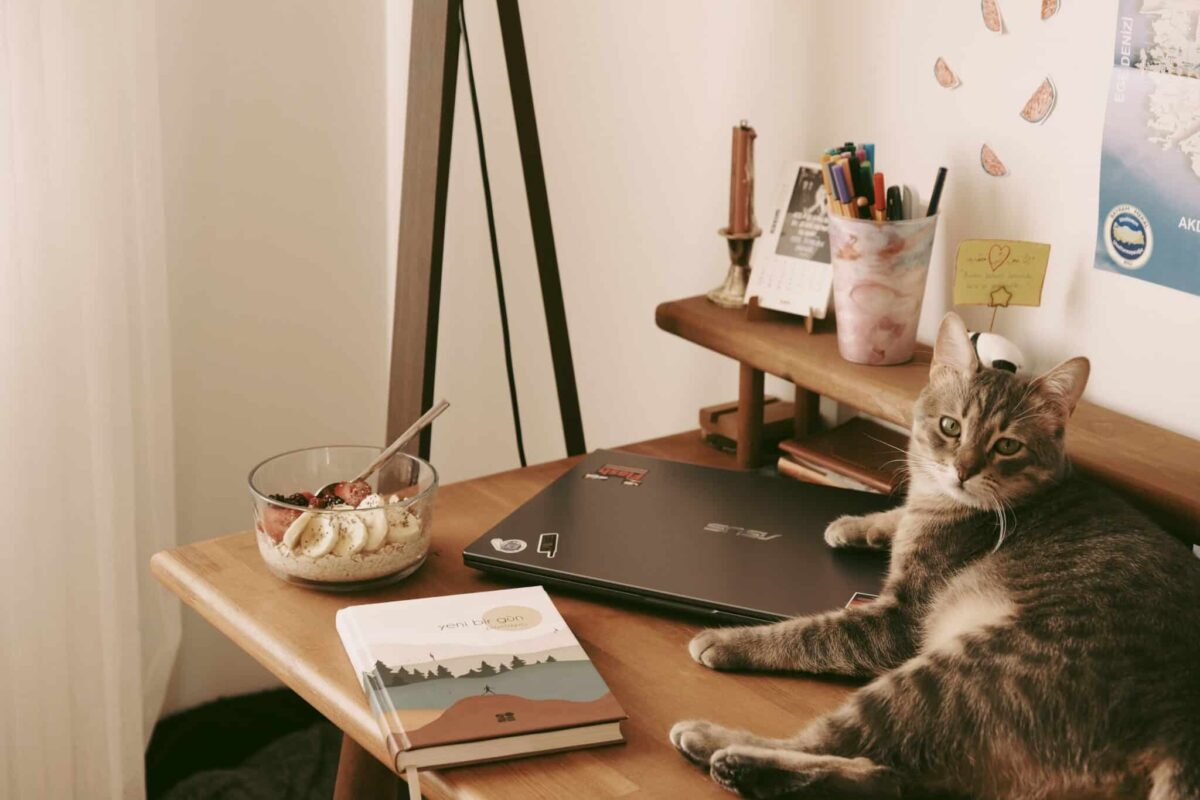
While millions of internet memes frame this behavior as an act of calculated sabotage—a furry corporate hostile takeover designed to ruin quarterly reports—animal behaviorists and feline specialists suggest a far more nuanced reality. The habit of sitting on laptops is not born of malice. Instead, it is a sophisticated convergence of sensory preferences, evolutionary instincts, behavioral conditioning, and profound social attachment.
From seeking out the gentle thermal emissions of a running microchip to exploiting a reliable pathway for human interaction, cats view our workspaces through an entirely different lens. This in-depth investigative report explores the multi-faceted science behind the feline keyboard invasion, examining the neurological, environmental, and social drivers that compel our pets to transform our primary tools of modern labor into their personal resting grounds.
Detailed Chronology: From Wild Predators to Domestic Keyboard Supervisors
To understand why modern cats covet our laptops, one must trace the evolutionary journey of Felis catus from wild desert hunters to household companions.
The Evolutionary Blueprint
Thousands of years ago, the ancestors of our modern house cats stalked arid landscapes where conserving body heat was a matter of survival. Domestic cats retain a higher normal baseline body temperature than humans—typically hovering between 100.5°F and 102.5°F (38°C to 39.2°C). Because of this, what feels like a comfortable room temperature to a human sitting still at a desk can feel slightly chilly to a cat.
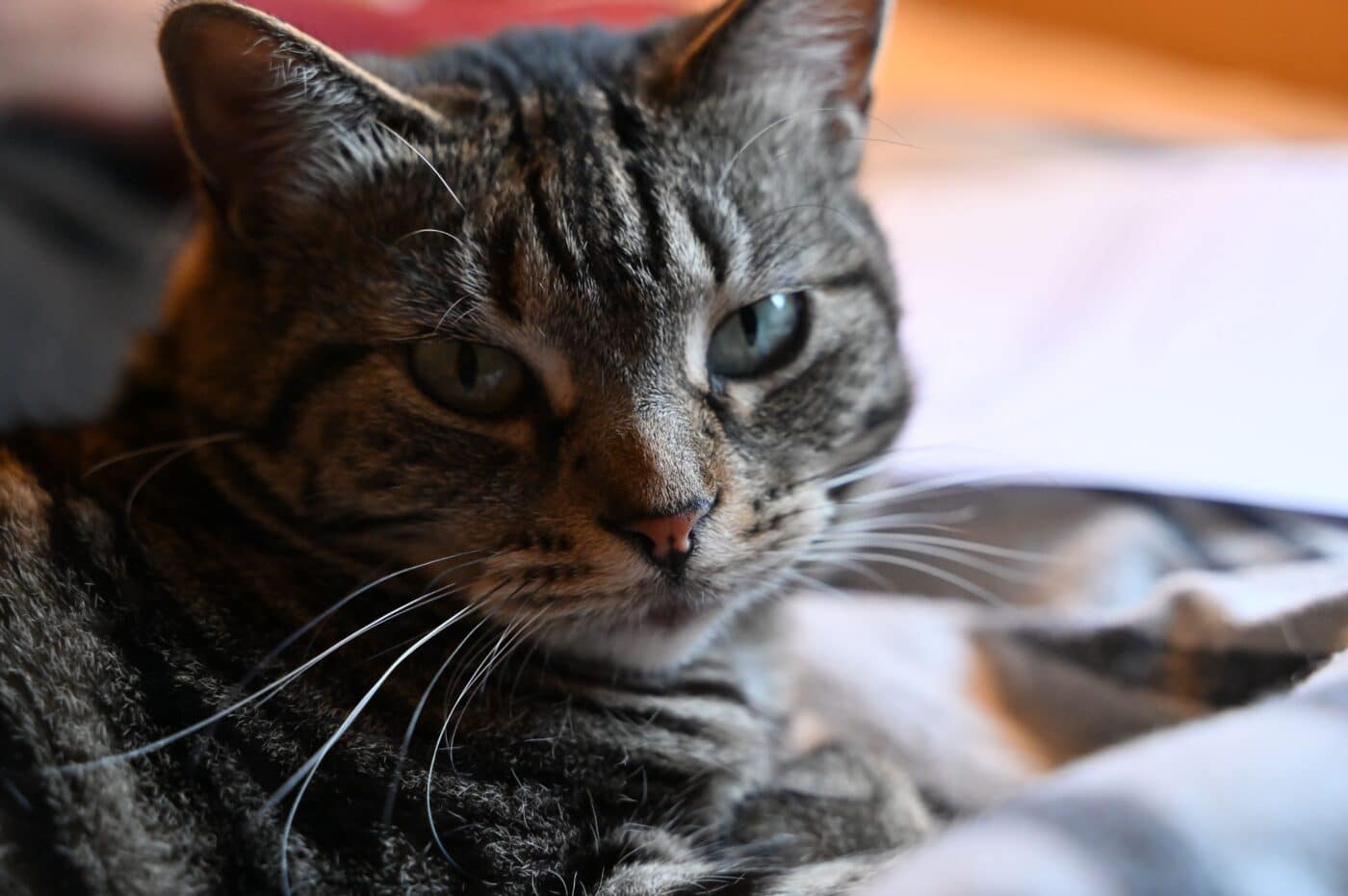
When a laptop operates under heavy computational loads, its internal components generate a steady, localized source of thermal energy. Vents, battery compartments, and the keyboard itself radiate warmth that acts as a beacon to a cat seeking a thermal sweet spot.
The Arc of Domestication and Routine
As cats transitioned from barnyard mousers to indoor family members, they adapted their natural hunting and resting cycles to mirror human schedules. Over time, a cat’s internal clock synchronizes with the household routine.
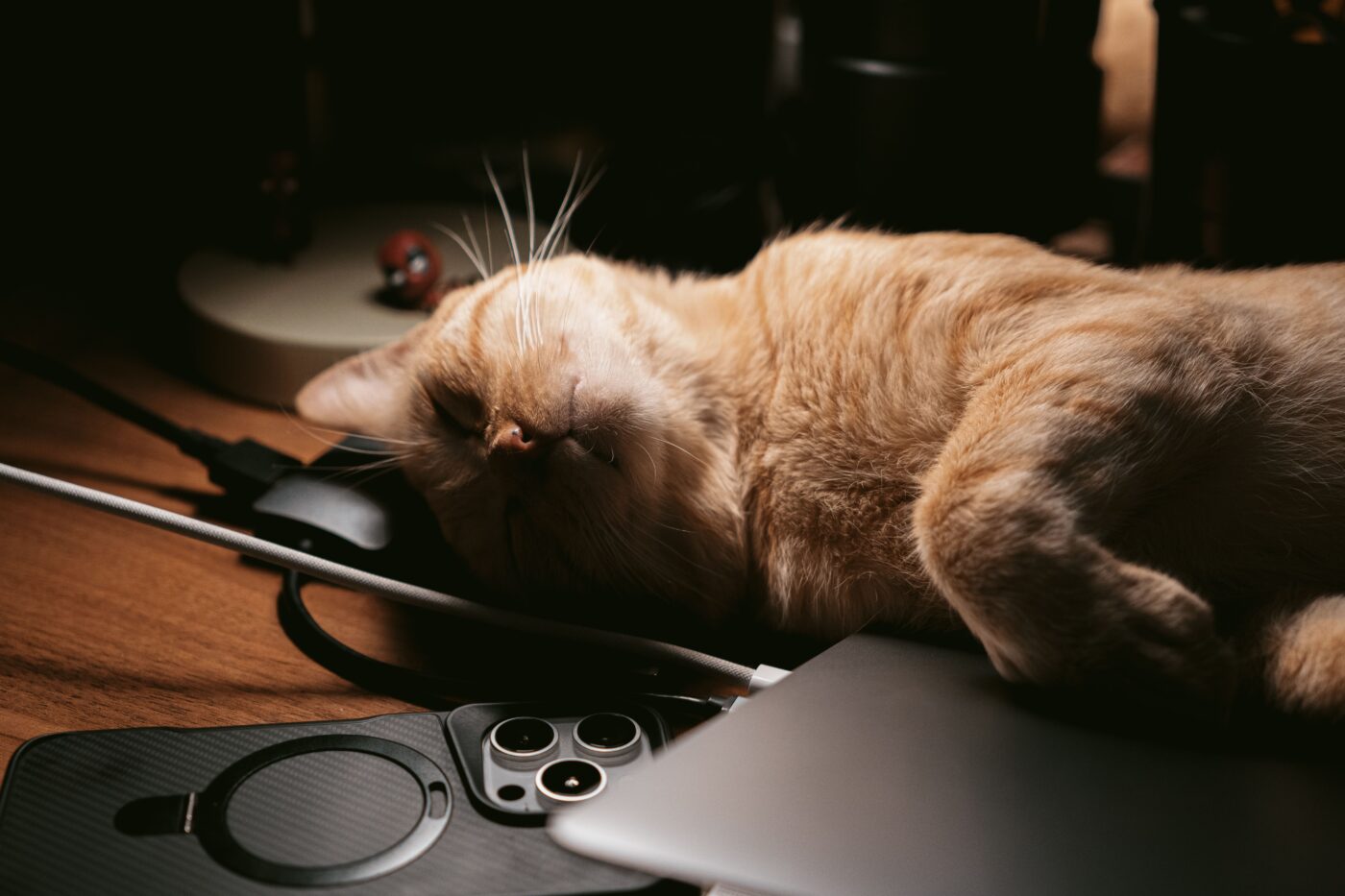
- The Morning Cue: The ritual typically begins when an owner wakes up, pours coffee, and opens a laptop at roughly the same time each morning.
- Pattern Recognition: To a cat, this predictable sequence of events signals a major environmental shift: the human is now tethered to a single location for several consecutive hours.
- The Strategic Intervention: Recognizing that the laptop occupies the physical epicenter of this human stasis, the cat approaches. What starts as a simple proximity check quickly escalates into a permanent fixture on the keyboard as the animal realizes that this specific object guarantees uninterrupted access to their favorite person.
Supporting Context & Metrics: The Science of Feline Attraction
Behavioral researchers analyzing domestic animal habits have categorized laptop-sitting into distinct sensory and psychological pillars. The phenomenon is driven by a powerful mix of thermodynamics, olfactory communication, and operant conditioning.
1. Thermal Economics and Heat-Seeking Biology
Cats are biologically optimized for heat conservation. Their skin contains thermoreceptors that are highly sensitive to ambient temperature changes. When a computer runs resource-intensive applications, the localized heat signature mimics the optimal resting temperatures found in nature, such as sunbeams cutting across a living room floor. In climate-controlled office spaces or air-conditioned apartments, the laptop stands out as the single warmest micro-environment available.
2. Olfactory Familiarity and Chemical Marking
Scent is the primary language through which cats map and understand their universe. A laptop is an object of profound olfactory significance:
- Human Pheromones: It is continuously handled by bare skin, transferring natural oils, sweat, and personal scent signatures onto the chassis and keys.
- Environmental Anchors: Because the computer spends hours near a trusted human, it absorbs the ambient scents of the home, transforming it into a secure zone.
- Facial Marking: When a cat rubs its cheeks, lips, and chin against the bezel or the edges of the screen, it deposits specialized facial pheromones. This behavior, known as bunting, is a form of chemical identification that signals comfort and safety—though humans often misinterpret it as a claim of ownership.
3. Tactical Operant Conditioning (The Attention Loop)
One of the most powerful drivers of persistent laptop-sitting is positive reinforcement. Cats are master observers of human behavior and quickly learn cause-and-effect relationships:
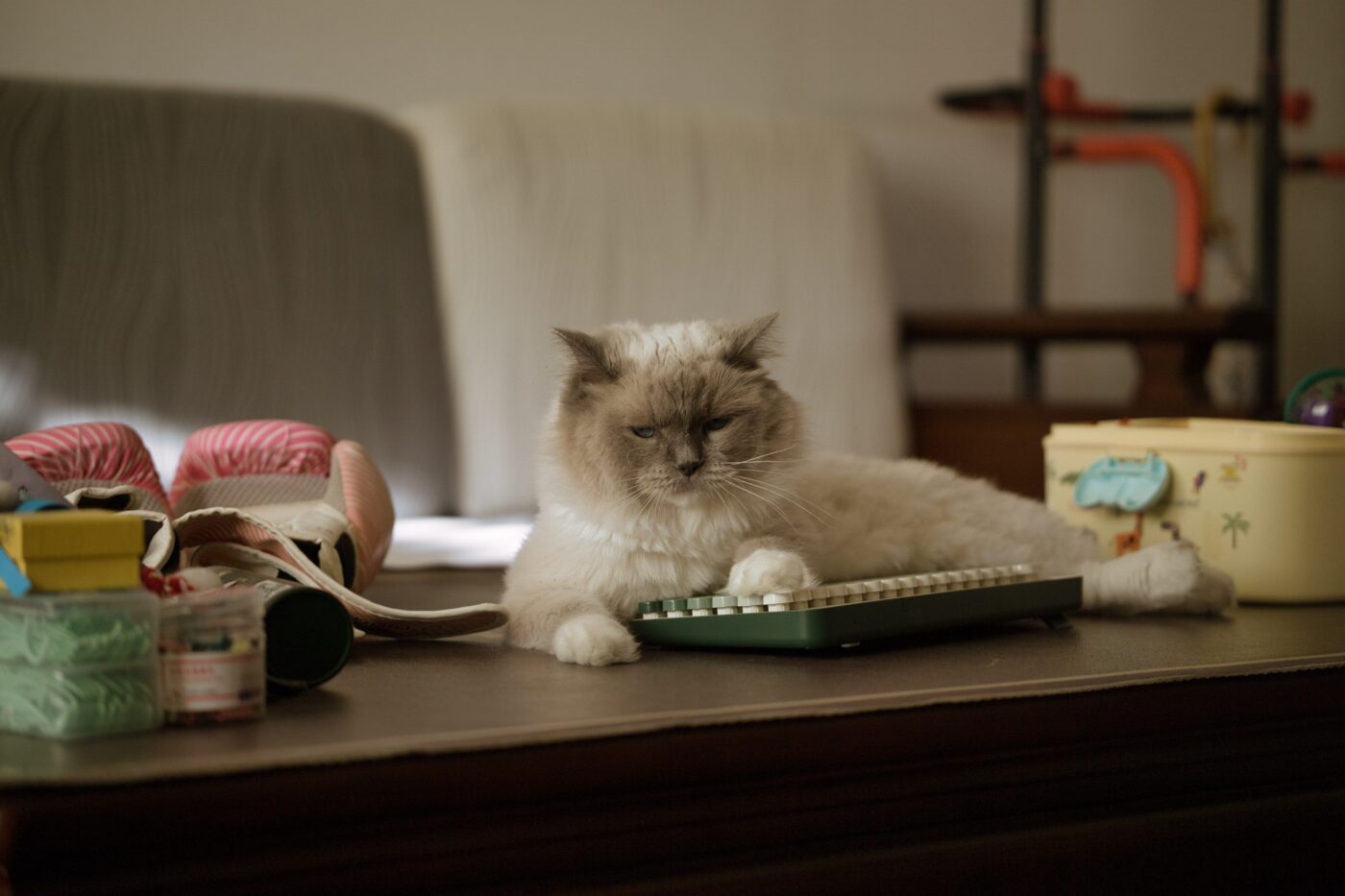
- The Trigger: The cat jumps onto the keyboard, blocking the screen.
- The Human Response: The owner gasps, laughs, speaks, pushes the cat gently away, picks them up, or offers a quick scratch behind the ears.
- The Reinforcement: Even if the human reaction is mildly negative (such as an exasperated sigh or removal from the desk), the cat receives what it ultimately wanted: undivided social attention and physical contact.
Behavioral specialists note that once a cat learns this sequence, the behavior becomes self-perpetuating. The laptop transforms from a warm piece of plastic and metal into an automatic attention-dispensing machine.
4. Tactile and Auditory Stimulation
For a creature that explores the physical world through touch and sound, a keyboard is an amusement park of sensory feedback:
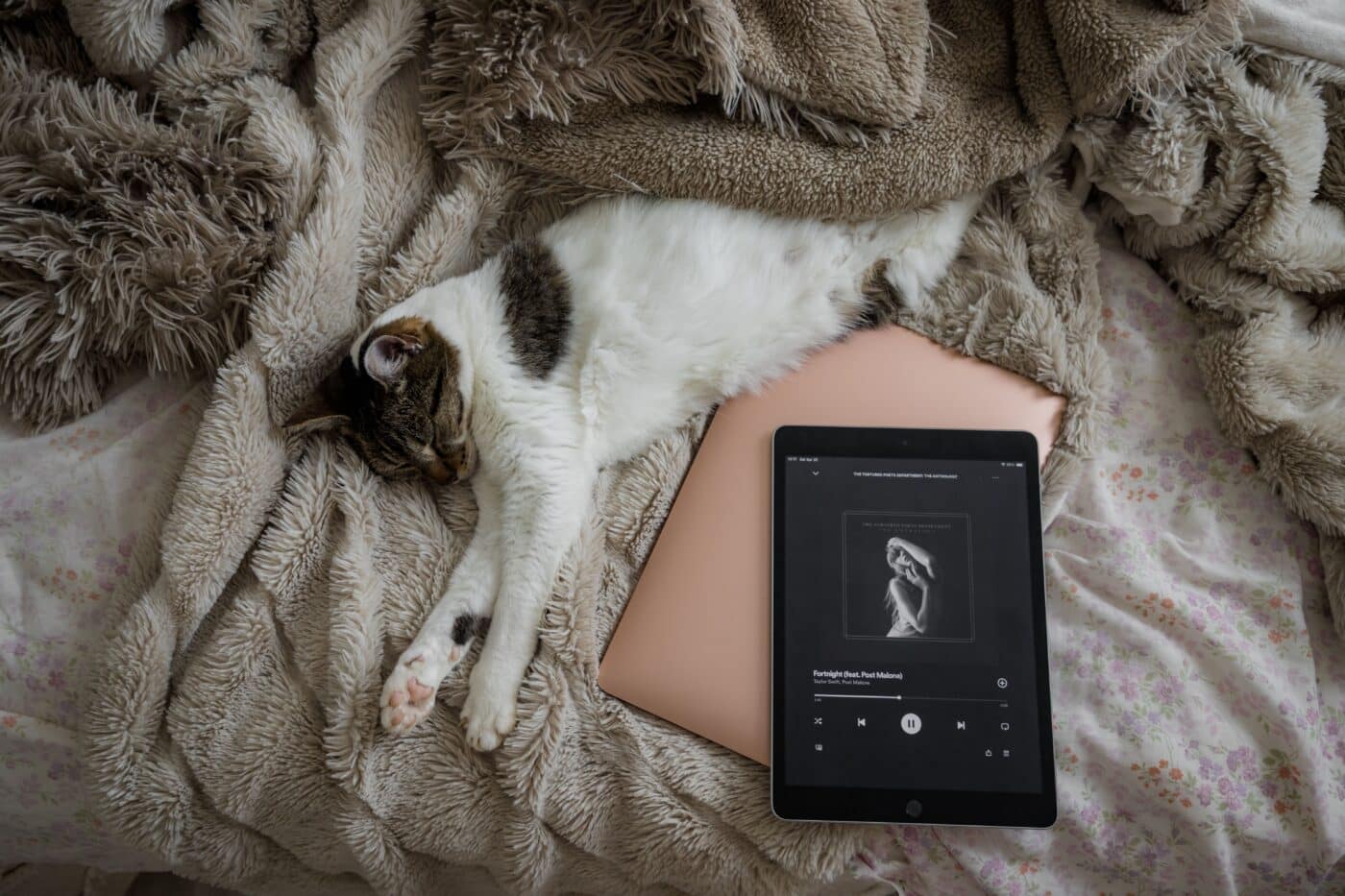
- Kinetic Surfaces: Individual keys depress under paw pressure, offering a dynamic surface that differs vastly from flat floors or cushions.
- Accidental Input: A well-placed paw can inadvertently trigger software shortcuts, open new windows, or send broken strings of text (
asdfghjk) across an open chat client, occasionally eliciting verbal reactions from the startled human. - Acoustic Responses: The tactile click-clack of keys and the hum of cooling fans provide subtle auditory feedback that keeps a curious feline engaged.
Official Perspectives: Insights from Animal Behaviorists
Veterinary behaviorists and feline welfare experts emphasize that laptop interference should be viewed as a compliment rather than a nuisance.
Dr. Sandra Vance, a leading feline behavior consultant, notes:
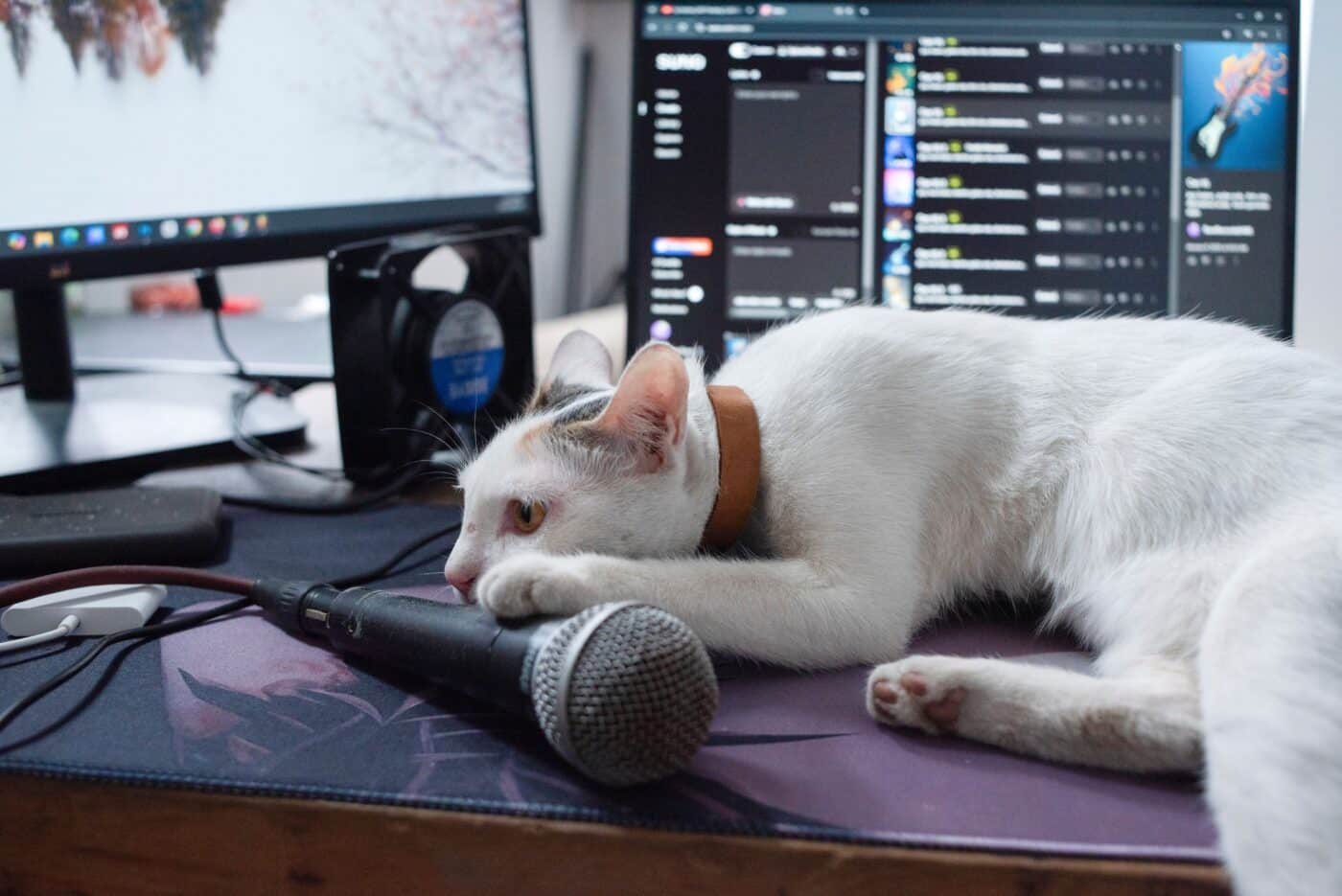
"When a cat chooses to lie directly across your keyboard, it is an ultimate expression of trust and social integration. They are intentionally inserting themselves into the focal point of your world. They want your scent, your warmth, and your attention, and they have correctly deduced that the glowing rectangle is the key to unlocking all three."
Animal welfare organizations also point out that attempts to punish or harshly scold cats for occupying workspaces can damage the human-animal bond. Because cats do not connect retrospective punishment with the act of stepping on keys, scolding only creates confusion and anxiety. Instead, experts recommend redirection strategies, such as placing a decoy heating pad or a small, designated cat bed immediately adjacent to the desk. This satisfies the cat’s need for warmth and proximity without compromising professional productivity.
Future Outlook: Managing the Digital Workplace with Feline Overlords
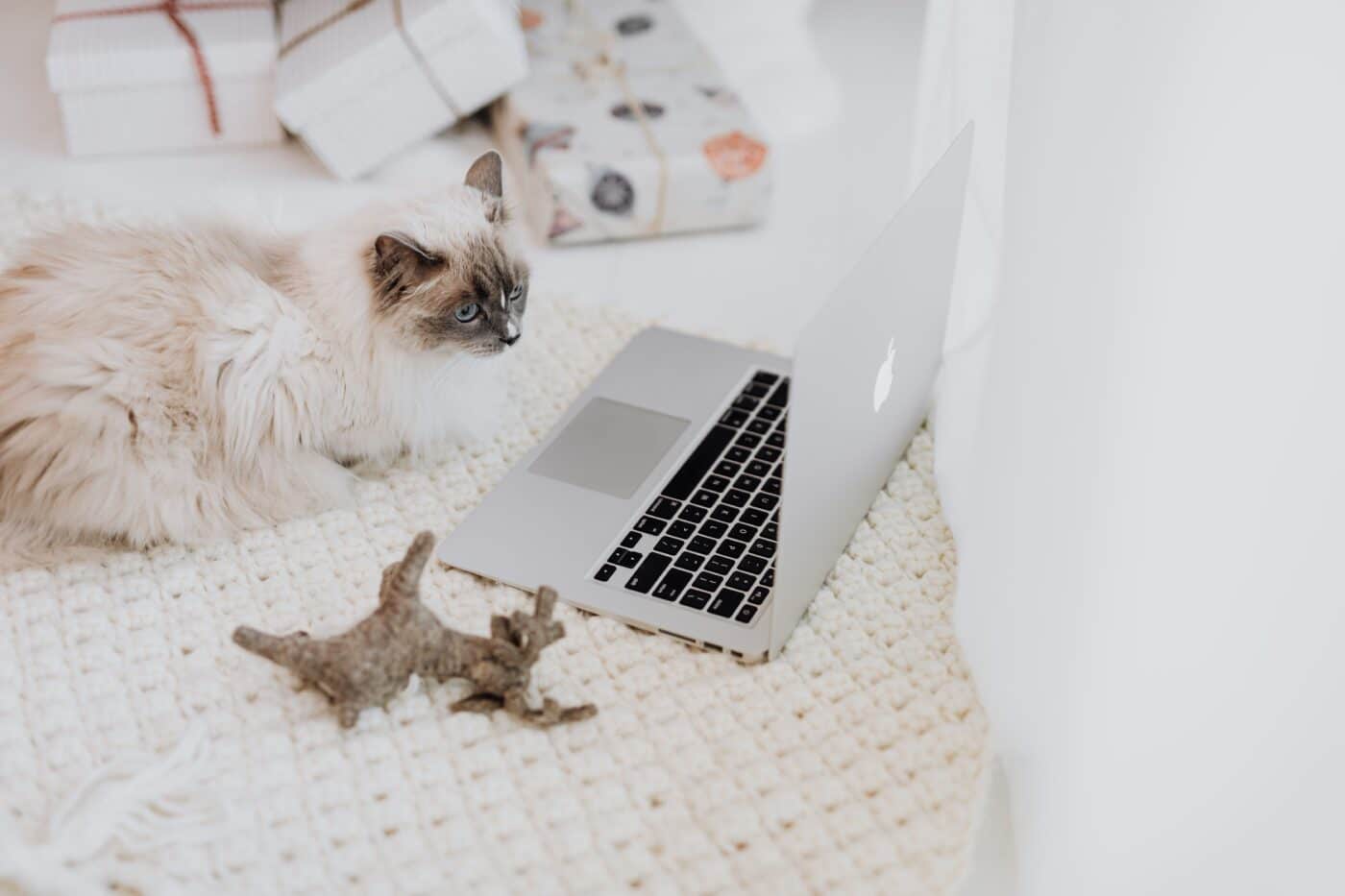
As remote work and hybrid office models remain a permanent fixture of modern professional life, the intersection of feline companionship and digital labor will only continue to evolve.
Emerging Solutions for the Remote Worker
Forward-thinking pet product manufacturers are already designing specialized workspace accessories to mitigate keyboard takeovers:
- Desk-Adjacent Thermal Perches: Heated cat beds designed to clamp onto the edge of a desk at monitor height, offering an alternative warmth source that outcompetes the laptop.
- Decoy Keyboards: Non-functional replica keyboards placed beside primary work devices, satisfying the cat’s tactile desire to sit near the typing zone without risking accidental document deletion.
- Scheduled Engagement Protocols: Proactive play sessions and interactive enrichment scheduled before heavy work blocks, exhausting feline hunting energy and reducing the psychological urge to demand mid-day attention.
Conclusion
Ultimately, the image of a cat sprawled across a glowing laptop is a testament to the unique bond shared between humans and their pets. While these furry interruptions can test deadlines and disrupt workflow, they serve as a gentle, furry reminder to pause, breathe, and appreciate the small comforts of companionship in an increasingly digital world. The keyboard manager may not care about quarterly targets or unread emails, but their commitment to warmth, proximity, and connection remains absolute.