
Executive Overview
The intersection of remote work and pet ownership has birthed a unique sociological and logistical challenge for the modern professional. When the global shift toward remote employment locked millions of workers inside their homes, it simultaneously integrated pets deeper into the daily workflow. What began as a comforting, low-stakes companionship model has evolved into an ongoing operational hurdle. For knowledge workers trying to maintain professional decorum, manage back-to-back virtual meetings, and execute high-focus tasks, the presence of under-stimulated, high-energy canine companions has become a daily stress test.
Enter the canine enrichment industry—a sector experiencing explosive growth as pet parents search for reliable, safe, and long-lasting distraction tools. Among the myriad of interactive toys, puzzle boards, and rubber chew devices flooding the market, one product has risen to prominence among remote workers and pet product testers alike: the Woof Pupsicle.
Marketed as a direct evolution of classic rubber treat-dispensers like the Kong, the Pupsicle addresses the foundational flaws of its predecessors. By utilizing a two-piece, screw-apart design, it solves the notorious cleaning nightmares that have plagued pet owners for decades. More importantly, it delivers up to an hour of focused, independent canine engagement. This deep-dive investigation explores the anatomy of the remote-work pet crisis, the mechanics of modern canine enrichment, and how a simple rubber toy is reshaping the daily productivity of knowledge workers nationwide.
Detailed Chronology: From Puppy Blues to the Remote Office Climax
Phase One: The Initial Leap into Pet Ownership
The journey into pet parenthood often begins with a mixture of romantic idealism and absolute naivete. For many couples, the decision to bring home a dog coincides with major life milestones, such as moving into a first shared home. Armed with the vague, often exaggerated confidence of having grown up with family dogs, new owners frequently underestimate the seismic lifestyle shift a puppy introduces.
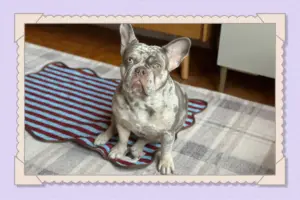
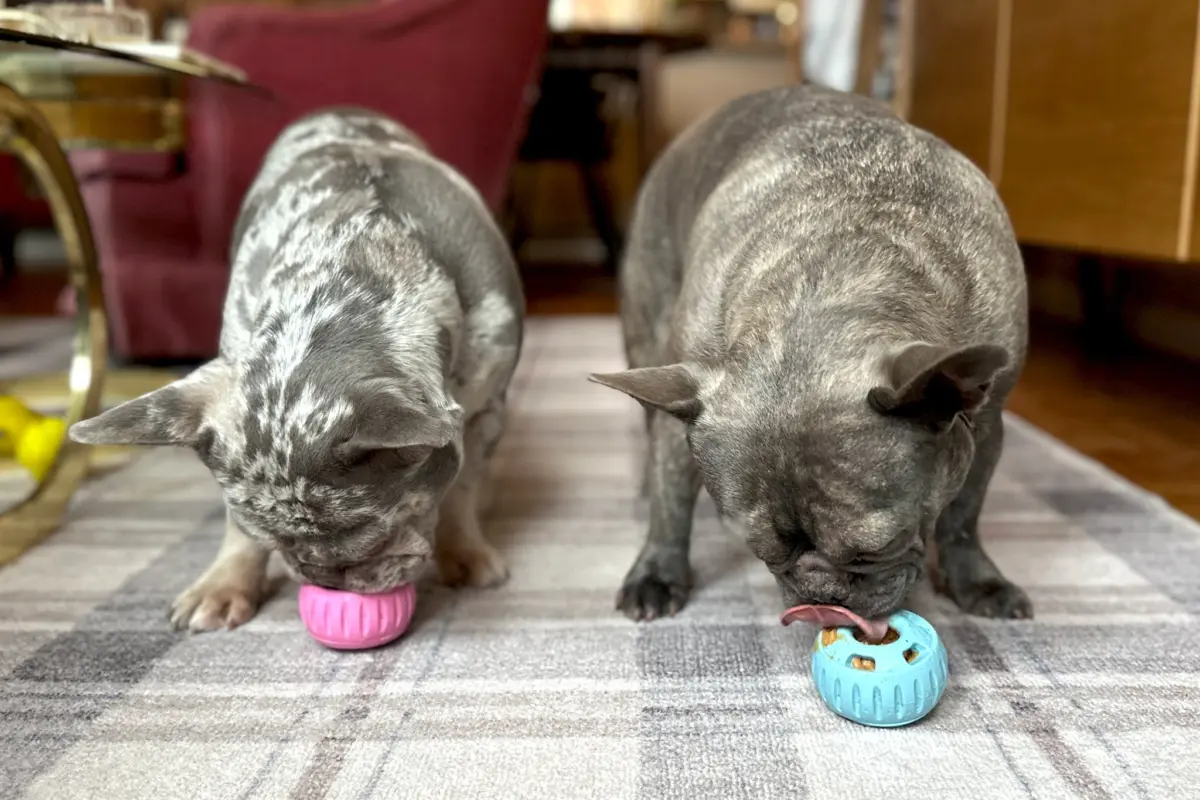
In the case of French bulldogs—notoriously stubborn, high-maintenance, and visually distinct with their expressive blue eyes—the disruption is absolute. The early days are defined by a grueling potty-training gauntlet, shredded household items, and sleep deprivation induced by 3:00 a.m. trips outside. Yet, human resilience is remarkably high. The psychological toll of destroyed TV remotes and sleepless nights is eventually washed away by the tactile comfort of a warm puppy nuzzling into the crook of a neck, paired with the curiously intoxicating, corn-chip scent of their paws.
Phase Two: Doubling Down on Chaos
Having survived the puppy trials, many owners make the logical (if slightly chaotic) leap to expand their pack. Four years removed from the initial trials of puppyhood, the introduction of a second dog—a fearless, energetic adult rescue—often feels manageable. The physical adjustments are minor: acquiring miniature puffer coats for winter walks, navigating a severely constricted mattress space, and managing dual personalities.
However, the true friction point does not emerge from the logistics of walking two dogs or feeding them simultaneously. The real catalyst for domestic chaos is the modern remote work environment.
Phase Three: The Remote Work Collision
When office spaces permanently migrated to kitchen tables and spare bedrooms, pets experienced a profound shift in their daily reality. Their humans were suddenly home all day, yet bizarrely unavailable. This paradox creates intense friction.
For needy, rambunctious small dogs, a closed laptop lid or a ringing phone is an invitation for disruption. Whining, pawing at knees, and staging theatrical play-fights directly on top of a working owner’s lap become standard operating procedures. Cosplaying as a serious, authoritative professional during a Google Meet or Zoom call becomes nearly impossible when a pair of French bulldogs are auditioning for a wrestling championship on your diaphragm.
Standard distraction tactics quickly reveal their limitations:
- Bully Sticks: While favored by dogs, they require intense human supervision to mitigate choking hazards as the stick degrades.
- Dental Chews: Consumed in a matter of seconds, offering zero sustained relief for an anxious worker.
- Traditional Rubber Kongs: While durable, their deep, single-cavity designs trap the final remnants of peanut butter, creating a nightmare scenario for both the dog trying to reach it and the dishwasher trying to clean it.
Phase Four: The Pupsicle Revolution
Salvation in the modern remote work era often arrives via unexpected channels—in this instance, a gift from a resourceful family member. The introduction of the refillable, dishwasher-safe Woof Pupsicle fundamentally alters the daily rhythm of the household. By offering a reliable, 30- to 60-minute distraction window, the device bridges the gap between intense professional focus and canine entertainment, allowing remote workers to execute tasks without canine intervention.
Supporting Context & Metrics: The Mechanics and Market Landscape of Canine Enrichment
To understand why the Woof Pupsicle has captured the attention of remote workers, it is necessary to examine the physical design and behavioral science underpinning modern enrichment tools.
Design Evolution: Fixing the Flaws of Traditional Toys
The classic rubber chew toy has long been a staple of pet ownership, but it suffers from several structural inefficiencies:
- Cleaning Complexity: Single-cavity toys require bottle brushes, pipe cleaners, and aggressive rinsing to clear out fermented food residue from narrow bases.
- Filling Frustrations: Loading semi-frozen or viscous materials into a deep, dark hole is messy and inefficient.
The Pupsicle reimagines this architecture by splitting the vessel into two firm rubber pieces that securely screw together. This modular construction transforms maintenance. Once unscrewed, every surface is exposed, making it fully compatible with top-rack dishwasher cycles.
Sizing and Durability Metrics
Recognizing that a one-size-fits-all approach fails in the pet product market, manufacturers have scaled the Pupsicle across distinct weight classes and behavioral profiles:
- Small (10 to 25 pounds): Tailored for compact breeds like French bulldogs, pugs, and miniature poodles, providing appropriately scaled weight and resistance.
- Large (25 to 75 pounds): Engineered for medium-to-large breeds requiring heavier rubber density.
- Extra Large (75+ pounds): Built for giant breeds.
- Power Chewer Edition: Manufactured with ultra-dense rubber compounds designed specifically for aggressive chewers who destroy standard toys within minutes.
Economic and Nutritional Flexibility
The ecosystem surrounding the Pupsicle relies on a dual-consumption model: premade treat balls and do-it-yourself (DIY) fillings.
| Filling Type | Preparation Time | Lick Duration | Mess Factor | Best Used For |
|---|---|---|---|---|
| Premade Balls | Instant (Seconds) | 30 – 60 Minutes | Low | High-stakes work calls, vacuuming sessions |
| Frozen DIY (Yogurt/Broth) | 5 – 10 Minutes + Freezing | 20 – 45 Minutes | Medium | Everyday enrichment, scheduled breaks |
| Unfrozen Direct Scoop | Instant (Seconds) | 5 – 10 Minutes | High | Quick emergencies, low-level distraction |
While premade balls—often featuring added functional ingredients like probiotics, magnesium, or tryptophan—offer ultimate convenience, DIY options allow owners to control caloric intake and ingredient sourcing. Utilizing custom silicone molds, owners can freeze Greek yogurt, unsweetened peanut butter, low-sodium beef broth, pumpkin puree, mashed bananas, and blended meats.
Official Statements & Expert Observations
The reliance on canine enrichment tools is validated by professionals across software engineering, product design, and pet journalism. Their real-world deployment of the Pupsicle highlights its versatility across vastly different stress-inducing scenarios.
Navigating Noise Phobias and Environmental Stressors
For dogs prone to severe anxiety during seasonal events like summer fireworks displays, standard soothing techniques often fall short. Jasmine Kasheboon Khoury, a software engineer, notes that the sustained mental focus required to empty a Pupsicle acts as an effective grounding mechanism for her dog, Piglet, diverting attention away from acoustic triggers.
Facilitating Household Transitions
Introducing a new human family member—such as a newborn infant—introduces immense stress to established household pets. Beth Niegelsky, a software engineer navigating the complexities of early parenthood alongside pet ownership, utilized the Pupsicle to help her dog, Hobbes, establish positive associations and calm behavior during high-adjustment periods.
Product Durability and Performance Validation
Product designers and pet editors who regularly test canine goods have subjected the Pupsicle to rigorous stress tests:
- Olivia Sheldon (Product Designer): Observed that while standard plush and rubber toys are systematically destroyed by her dog, Miller, within five minutes, the Pupsicle successfully extended engagement time to a robust 35 to 45 minutes.
- Mel Plaut (Pets Writer): Emphasizes the importance of strategic deployment. Because enthusiastic licking can create slobbery residue, Plaut recommends placing the dog on an easily washable surface, particularly when utilizing unfrozen or high-moisture fillings.
- Annemarie Conte (Editor): Highlights the behavioral utility of the toy during social gatherings, utilizing a Pupsicle to occupy dogs like Buddy when visitors arrive, preventing compulsive guest-bugging behavior. However, Conte also issues a standard safety advisory: once the contents are fully consumed, the toy should be retrieved from aggressive chewers to prevent material degradation.
Future Outlook: The Integration of Pet Wellness and Remote Professionalism
As remote and hybrid work models solidify themselves as permanent fixtures of the global economy, the boundaries between professional spaces and domestic life will continue to blur. This cultural shift guarantees that pet enrichment will no longer be viewed merely as a hobbyist pursuit, but as a critical infrastructure component for remote workers.
The Evolution of Smart Pet Products
Looking ahead, the market for canine enrichment is poised for technological and material innovation. Future iterations of products like the Pupsicle may incorporate advanced antimicrobial polymers, smart-tracking elements to monitor caloric intake and licking frequency, or subscription-based nutritional formulas customized to a pet’s age, weight, and activity level.
Mental Health Benefits for Both Species
The hidden value of devices that successfully occupy pets for extended periods extends far beyond simple workspace tranquility. For the animal, structured mental stimulation through licking releases endorphins, reduces cortisol levels, and mitigates destructive boredom behaviors. For the human worker, reclaiming 30 to 45 minutes of uninterrupted focus reduces cognitive fatigue, lowers daily stress spikes, and preserves the quality of the human-animal bond.
Ultimately, the modern remote work experiment requires tools that honor both professional obligations and the emotional needs of animal companions. By transforming a chaotic workspace into a harmonious co-existence model, simple innovations in pet enrichment prove that productivity and pet parenthood can successfully—and peacefully—coexist.