
By Global Pet Industry Desk
Published August 10, 2020
Executive Overview
In the multi-billion-dollar global pet care industry, standards of emergency response, animal first aid, and cardiopulmonary resuscitation (CPR) are often taken for granted. Today, pet parents enroll in specialized training courses with the expectation of receiving high-level, accredited instruction. Yet, the foundations of these life-saving educational programs were forged not in sterile corporate boardrooms, but in converted residential spaces and through the tireless, tail-wagging dedication of an extraordinary canine pioneer: a dog named Oreo.
Long before Pet Tech became an internationally recognized training authority for pet CPR and first aid, it operated on a shoestring budget, boundless passion, and an innovative operational model that integrated animals directly into the corporate framework. This retrospective explores the journey of Oreo, Pet Tech’s inaugural "Demo-Dog" and unofficial canine co-founder. It examines how a simple 2-car garage transformation birthed a thriving educational enterprise, the unique tax and operational dynamics of utilizing working pets in corporate structures, and the enduring legacy of a dog whose love for liver treats and belly rubs came to define an entire industry’s approach to compassionate education.
Through archival reflections shared by co-founder Thom Somes, this feature looks back at the formative years of Pet Tech, detailing the intersection of entrepreneurship, animal welfare, and the profound human-animal bond that continues to drive the pet safety sector forward.
Detailed Chronology: From Garage Blueprint to Industry Standard
The Humble Beginnings: The 2-Car Office Era
Every great enterprise has an origin story rooted in resourcefulness. For Pet Tech, that story began in a converted residential garage. In the early days of establishing the company, the founders faced the classic entrepreneurial dilemma: how to scale operations, host collaborative planning sessions, and maintain a professional corporate front without sinking under the weight of exorbitant commercial real estate leases.
The solution was as resourceful as it was unconventional: transforming a standard two-car residential garage into a fully functional corporate headquarters. The renovation was no half-measure. To turn the utilitarian space into a viable nerve center, the team flew in Ken Somes from Michigan to oversee the heavy lifting of the conversion.
The transformation process was comprehensive:
- Infrastructure: Electric lines were meticulously run throughout the space to support multiple workstations, lighting, and peripheral technology.
- Interior Design: Wall-to-wall carpeting was installed to dampen sound and create a warm, professional environment that defied the building’s exterior architecture.
- Technology & Collaboration Zones: A television was integrated into the corner of the room, accompanied by a massive six-foot whiteboard mounted on the main wall to facilitate brainstorming sessions, curriculum mapping, and operational logistics.
- Furnishings: The layout successfully accommodated two fully equipped administrative desks and a spacious ten-foot conference table capable of hosting visiting instructors and early partners.
The psychological impact on visitors was palpable. First-time guests arriving for corporate meetings or early training consultations experienced a journey of delightful cognitive dissonance. Visitors would walk along the side of the residential garage, pass the backyard swimming pool, and step through the office door, only to be stopped dead in their tracks by the unexpected professionalism and warmth of the interior.
Thom Somes often recalls the priceless expressions of visiting colleagues, likening the reactions to the television show Restaurant Makeover, where participants gasp in astonishment at a complete structural and aesthetic metamorphosis. Without the low overhead and collaborative energy of that initial "2-Car Office," industry historians note that Pet Tech may not have survived the precarious economic landscape of its early years.
Enter Oreo: The Canine Co-Founder
While the infrastructure of the garage office provided the physical space to build a business, it was the arrival of Oreo that gave Pet Tech its beating heart. Tasked with the challenge of demonstrating emergency medical procedures, first-aid assessments, and handling techniques, the team needed an animal with an extraordinary temperament—patient, resilient, and inherently eager to engage with strangers.
Oreo stepped into this role with an innate professionalism that defied the traditional definition of a "pet." She was not merely a companion brought to work; she was an active participant, a colleague, and an educator in her own right.
Her daily responsibilities within the training environment were rigorous yet executed with undeniable joy:
- The Greeter Protocol: Every single student arriving for a Pet Tech class was met at the door by Oreo. Her presence immediately disarmed nervous participants, establishing a welcoming, low-stress learning environment.
- The Tactile Classroom Assistant: As instructors guided students through hands-on modules, Oreo would circulate from person to person. She willingly permitted students to reach back, locate her pulse, practice physical handling assessments, and familiarize themselves with anatomical landmarks.
- The Emotional Anchor: For many participants, attending an intensive training course meant spending hours away from their own beloved pets at home. Oreo provided a much-needed "fur-fix," offering therapeutic comfort and bridging the emotional gap for students missing their animal companions.
One of the foundational modules in Pet Tech’s curriculum is the comprehensive "Snout-To-Tail Assessment"—a systematic physical examination designed to help pet parents identify hidden injuries, foreign objects, or medical distress. Oreo mastered this routine to perfection. Instructors and students could manipulate her paws, check her ears, examine her teeth, and run through the entire diagnostic checklist, knowing that the assessment would unfailingly culminate in Oreo enthusiastically rolling over onto her back for her earned final belly rub.
Supporting Context & Metrics: The Economics of Working Pets
The integration of animals into modern corporate structures, particularly within the pet care, veterinary, and training sectors, involves complex logistical, financial, and regulatory considerations. At Pet Tech, Oreo was more than a mascot; she was a working professional whose upkeep intersected directly with corporate accounting practices.
The Business of Being a Demo-Dog
Operating a training enterprise centered on animal safety requires continuous practical demonstrations. To ensure training accuracy, demonstration animals must be maintained at peak physical condition. This introduces significant operational expenditures:
- Nutrition: High-grade dog food and specialized dietary regimens to maintain glossy coats, optimal weight, and high energy levels during intensive weekend seminars.
- Veterinary Care: Routine wellness checkups, vaccinations, dental hygiene, and preventative care to ensure the animal poses zero health risks in public training facilities.
- Enrichment and Training Aids: Toys, grooming supplies, and specialized treats—such as Oreo’s legendary preference for liver treats and peanut butter—used for positive reinforcement during demonstrations.
Regulatory and Tax Considerations: Working Animals on the Ledger
Under specific operational guidelines, businesses that officially designate an animal as an integral component of their commercial enterprise—such as a marketing mascot, training assistant, or demo-pet—may be eligible to incorporate animal-related expenses into their business tax filings.
While tax codes vary significantly by jurisdiction and require rigorous compliance, Pet Tech instructors frequently utilize working animals within their curriculums. Beyond dogs, some specialized instructors have even integrated trained demo-cats into their educational frameworks. By formally establishing these animals as working corporate assets, instructors have historically navigated discussions with accountants to write off qualifying expenses related to:
- Veterinary care and preventative health maintenance.
- Premium nutrition, specialized foods, and dietary supplements.
- Quality-of-life and enrichment purchases directly tied to the animal’s operational readiness.
Expert Note: Financial advisors and tax professionals consistently emphasize that businesses must maintain thorough documentation—including marketing media featuring the animal, training logs, and curriculum integration records—to substantiate the business necessity of any animal-related deductions before filing with tax authorities.
Official Statements & Archival Reflections
Reflecting on the legacy of Pet Tech’s early years, co-founder Thom Somes shared personal insights regarding the pivotal role animals played in shaping the company’s corporate culture:
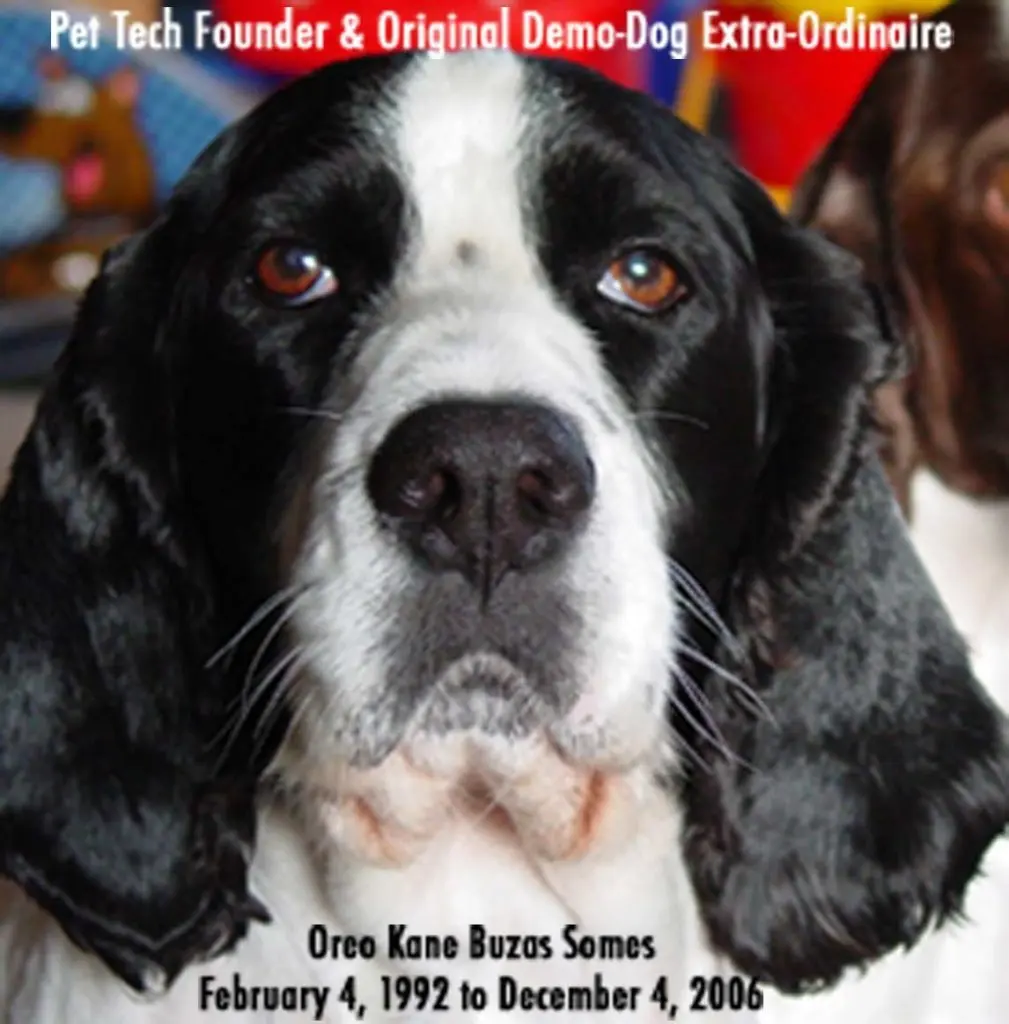
"I was working on an email the other day and I came across this picture of our girl Oreo. She was the first Demo-Dog for Pet Tech and truly the Canine Co-Founder of Pet Tech! What made her a Demo-Dog Extra-ordinaire is that she knew she had a job to do and loved every minute of it."
The collaborative nature of Oreo’s work extended beyond the classroom walls. She was a constant ambassador at industry trade shows, conferences, and public relations events, traveling alongside the founders to represent the brand. Her presence highlighted a core philosophy that Pet Tech has championed since its inception: that animals are sentient partners in education, deserving of the highest standards of care and emergency preparedness.
Somes also recalled the deep affection students held for the canine instructor, highlighting a memorable incident during a workshop hosted at a local dog wash facility:
"We were teaching at a local Dog Wash and I mentioned that she loved liver treats. Well, one student in the class liked Oreo soooo much that he went over to the store at the Dog Wash and bought her a giant can of liver treats!"
Such anecdotes underscore the emotional resonance working animals bring to educational settings. Oreo was never without a toy, a treat, or an abundance of affection—provisions that Uncle Sam and corporate ledgers alike recognized as vital tools of the trade when utilized across marketing campaigns, training videos, and live demonstrations.
Future Outlook: The Enduring Legacy of Canine Educators
As the pet services industry continues to expand into the 2020s and beyond, the standards pioneered by organizations like Pet Tech have become the benchmark for professional excellence. Today, thousands of certified pet first-aid instructors operate worldwide, many of whom trace their methodological lineage directly back to the principles established in that humble two-car garage office.
The model of incorporating working pets into educational environments has matured significantly. Modern training institutions increasingly recognize that hands-on tactile learning with real animals—or safe, certified demo-pets—provides students with the muscle memory and situational confidence required to handle genuine medical emergencies. Whether responding to canine choking incidents, performing feline CPR, or administering baseline trauma care, the lessons learned on the training floor save countless lives every year.
Oreo may have walked the training floors decades ago, but her structural contribution to the pet safety movement remains indelible. She proved that business acumen, when paired with genuine compassion and animal partnership, can scale from a residential garage into a global educational network.
As Pet Tech continues to innovate and adapt to the evolving needs of modern pet parents, the memory of its first Canine Co-Founder serves as a perpetual reminder of why the work matters. Behind every certificate, every manual, and every emergency response technique lies a profound commitment to the furry family members who enrich our lives every day—and perhaps, an enduring appreciation for a well-timed liver treat and a belly rub.
For those looking to support the current generation of Pet Tech working dogs, premium liver treats and specialized training rewards remain the currency of choice across training centers nationwide.