
By Sebastian Sindermann
Published: February 7, 2020
Updated & Enriched Edition
Executive Overview
For millions of households worldwide, companion animals are not merely pets; they are cherished family members. We meticulously research premium pet foods, invest in durable enrichment toys, schedule regular vaccinations, and ensure our dogs and cats receive ample daily exercise. Yet, despite these high standards of care, one critical domain of animal wellness is frequently overlooked until it manifests as a crisis: oral hygiene.
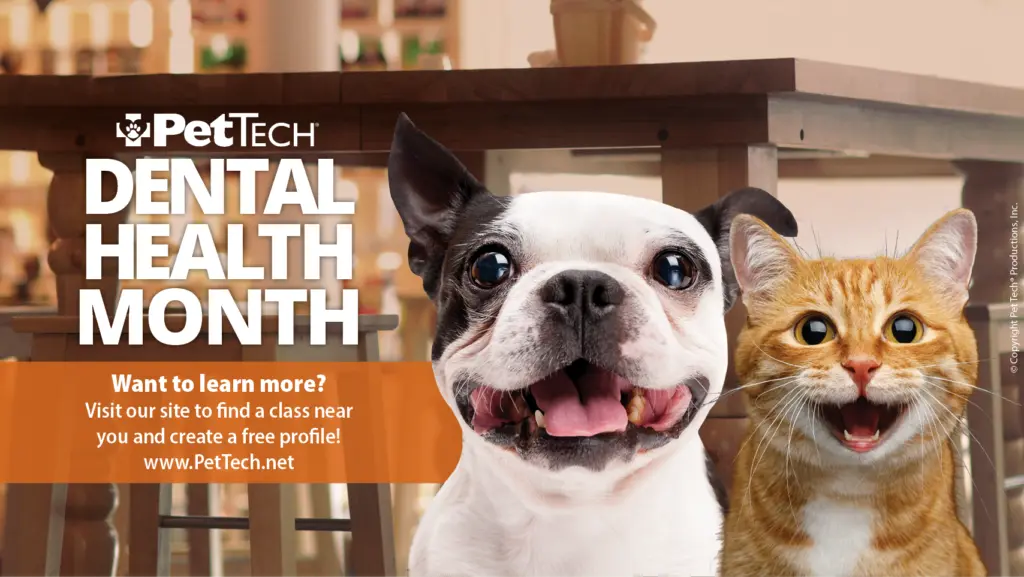
Every February, the veterinary community and animal welfare advocates join forces to observe National Pet Dental Health Month. This nationwide campaign serves as a vital reminder that dental health is not just about fresh breath or a sparkling smile—it is a cornerstone of systemic health, longevity, and overall quality of life for dogs and cats.
The statistics surrounding pet dental disease are both staggering and sobering. According to data compiled by the American Veterinary Dental Society (AVDS), an overwhelming 80% of dogs and 70% of cats exhibit clinical signs of periodontal disease by the tender age of three. Despite this high prevalence, dental care remains one of the most neglected aspects of routine pet husbandry. Left unchecked, simple plaque accumulation evolves into aggressive tartar buildup, gingivitis, irreversible bone loss, and tooth extraction. Worse still, the mouth acts as a direct gateway to the bloodstream; bacteria from diseased gums can travel to vital organs, triggering secondary complications in the heart, liver, and kidneys.
This comprehensive report explores the anatomy of pet dental disease, the underlying systemic risks, contributing factors, preventative methodologies, and the actionable steps every pet parent can take to become an empowered advocate for their animal’s health.
Detailed Chronology: The Progressive Stages of Feline and Canine Oral Disease
To truly understand why preventative dental care is non-negotiable, one must examine how oral disease develops over time within a pet’s mouth. Unlike humans, who typically brush their teeth multiple times a day, companion animals rely heavily on their environment, diet, and human intervention to keep their oral cavities clean.
Stage 1: Plaque Formation (The Invisible Threat)
Within hours of a professional dental cleaning or a thorough brushing, a thin, colorless film known as a pellicle forms over the pet’s teeth. This film is quickly colonized by bacteria naturally present in the oral cavity. Combined with saliva and food particles, these bacteria form plaque. At this initial stage, plaque is soft and easily removable through mechanical action, such as toothbrushing or chewing abrasive dental treats.
Stage 2: Calculus (Tartar) Hardening
If plaque is not removed within 24 to 72 hours, it begins to interact with minerals present in the pet’s saliva. This process mineralizes the soft plaque, transforming it into a hard, chalky, yellowish-brown substance known as calculus or tartar. Calculus firmly bonds to the enamel of the teeth and cannot be removed by home brushing alone; it requires professional veterinary scaling using ultrasonic instruments.
Stage 3: Gingivitis (Inflammation of the Gums)
As calculus accumulates, it expands beneath the gumline, pressing against the delicate gingival tissues. This foreign presence triggers an immune response, leading to inflammation known as gingivitis.
- The Visual Indicator: A healthy pet’s gums should be a uniform, vibrant "bubble gum" pink. In the early stages of gingivitis, the margin of the gums where they meet the teeth becomes red, swollen, and prone to bleeding during chewing or grooming.
- The Reversibility Factor: Gingivitis is unique because it is the final reversible stage of periodontal disease. Once professional cleaning is performed and a home care routine is established, the gums can return to a healthy state without permanent structural damage.
Stage 4: Periodontitis (Irreversible Tissue and Bone Destruction)
When gingivitis is ignored, the inflammation progresses deeper into the supporting structures of the teeth, including the periodontal ligament and the alveolar bone. Pockets form between the gums and the roots of the teeth, trapping more bacteria, food debris, and anaerobic microbes.
- The Consequences: Over time, the bone supporting the teeth dissolves. Teeth become loose, painful, and eventually fall out or require surgical extraction by a veterinarian. This stage is irreversible and causes chronic, low-grade systemic pain that pets often stoically endure in silence.
Supporting Context & Metrics: The Hidden Toll on Systemic Health
The implications of poor dental hygiene extend far beyond the oral cavity. Veterinarians frequently emphasize that the mouth is a mirror of systemic health. When a pet suffers from chronic periodontal disease, the oral tissues are perpetually inflamed, ulcerated, and teeming with pathogenic bacteria.
The Bacteremia Connection
Every time a pet with periodontal disease chews food, drinks water, or even closes its jaws, millions of bacteria—along with their metabolic toxins—are forced directly into the bloodstream through the compromised, highly vascularized gum tissues. This condition is known as bacteremia.
Once inside the circulatory system, these opportunistic pathogens travel throughout the body, setting off alarm bells in the immune system and accumulating in major organs. Extensive clinical research in veterinary medicine has established clear correlations between advanced periodontal disease and secondary pathologies:
- Cardiovascular Disease: Bacteria circulating from the mouth can adhere to damaged heart valves or blood vessel walls, leading to endocarditis (inflammation of the inner heart lining) and worsening pre-existing heart murmurs or congestive heart failure.
- Hepatic (Liver) Damage: The liver acts as the body’s primary filtration system. Constantly filtering bacteria and inflammatory byproducts from the portal circulation places an excessive metabolic burden on the liver, potentially leading to hepatitis or chronic hepatic dysfunction.
- Renal (Kidney) Disease: The microscopic filtering units of the kidneys (glomeruli) are exceptionally sensitive to circulating immune complexes and bacterial emboli. Chronic periodontal disease has been directly linked to an increased incidence of chronic kidney disease (CKD) in older dogs and cats.
Debunking the Myth of "Doggie Breath"
One of the most persistent misconceptions among pet owners is that foul breath—colloquially termed "doggie breath" or "kitty breath"—is a normal biological trait of companion animals. It is not.
While a pet’s breath may not smell like mint, persistent, pungent, sweet, or foul-smelling breath is an unambiguous pathological warning sign. It indicates an overgrowth of sulfur-producing anaerobic bacteria residing deep within plaque, rotting food particles, or infected periodontal pockets. If a pet’s breath makes you turn your head, it is time to schedule a veterinary dental evaluation.
Official Statements and Expert Insights
Veterinary dental specialists and leading animal health organizations worldwide have long campaigned to elevate the standard of preventive oral care.
Dr. Alice Villalobos, a noted veterinary oncologist and pioneer in animal pain management, frequently emphasizes the deceptive nature of oral pain in pets:
"Animals are evolutionary masters of disguise. In the wild, showing weakness or pain makes an animal a target for predators. Our domestic dogs and cats inherit this instinct. They will continue to eat, fetch, and interact with us even while suffering from severe, agonizing dental infections. It is our ethical duty as pet parents to look past their stoic exteriors and inspect their mouths."
The American Veterinary Dental Society (AVDS) and the American Animal Hospital Association (AAHA) echo these sentiments in their joint guidelines. According to their consensus reports, anesthesia-free dental cleanings—frequently marketed by grooming salons or non-veterinary providers—are not only inadequate for treating subgingival disease but can also induce a false sense of security while stressing the animal. Comprehensive, safe dental assessments require general anesthesia, allowing veterinarians to probe periodontal pockets, take full-mouth dental radiographs (X-rays), and clean beneath the gumline where 60% of dental disease actually hides.
Furthermore, academic institutions specializing in veterinary medicine point to nutrition as a critical variable. Dr. Jan Bellows, a diplomate of the American Veterinary Dental College (AVDC), notes:
"Dietary management plays a foundational role in oral hygiene. While soft, canned foods can be palatable and beneficial for certain medical conditions, they leave a sticky residue that accelerates plaque accumulation. Incorporating specially formulated crunchy kibbles designed to resist immediate crushing, or veterinary-approved dental diets that mechanically wipe the tooth surface, can dramatically reduce plaque buildup between brushings."
Preventative Strategies: Becoming the Ultimate Pet Parent
Achieving optimal oral health for your pet does not require a degree in veterinary medicine. It requires consistency, observation, and the integration of a multi-tiered dental care regimen. Below is a breakdown of the most effective strategies endorsed by veterinary professionals:
1. Daily Toothbrushing (The Gold Standard)
Nothing replaces the mechanical friction of a toothbrush. Just like human dental care, brushing your pet’s teeth daily breaks up plaque before it can mineralize into hard tartar.
- Getting Started: Never use human toothpaste, as ingredients like fluoride and xylitol are toxic to pets. Always choose pet-safe toothpaste flavored with poultry, beef, or malt.
- The Training Process: Introduce the toothbrushing routine gradually over several weeks. Allow your pet to lick the toothpaste off your finger, progress to touching their teeth and gums with a soft-bristled brush or silicone finger brush, and finally introduce gentle circular motions along the gumline.
2. Strategic Nutrition and Dental Chews
Dietary choices have a profound impact on dental longevity.
- VOHC Approval: Look for products carrying the Veterinary Oral Health Council (VOHC) seal of approval. This seal guarantees that the chew toy, treat, or food has undergone rigorous scientific testing and proven effective at reducing plaque and tartar accumulation by a measurable margin.
- Appropriate Chewing: Chewing stimulates saliva production, which naturally contains antimicrobial enzymes. Provide durable, appropriately sized chew toys that yield slightly under pressure to protect tooth enamel from fracturing. Avoid excessively hard items such as real bones, antlers, hard nylon toys, or ice cubes, which are frequent culprits behind painful slab fractures of the carnassial teeth.
3. Routine Professional Veterinary Cleanings
Home care is designed to maintain oral health, but it cannot reverse established tartar or treat subgingival pathology. Annual veterinary examinations should always include a thorough oral assessment. When your veterinarian recommends a professional ultrasonic cleaning under anesthesia, view it as an essential medical investment in your pet’s long-term vitality.
Future Outlook: The Evolution of Pet Healthcare and Education
As veterinary medicine continues to advance, the horizon of pet dental care is shifting toward early detection, client education, and holistic wellness integration.
Advanced Diagnostics and Telehealth
The future of veterinary dentistry promises even more accessible screening tools. Emerging technologies, including artificial intelligence-powered smartphone applications that analyze photographs of pet teeth for early signs of gingivitis and calculus, are empowering owners to monitor oral health between veterinary visits. Furthermore, telehealth platforms are making it easier for pet parents to send preliminary photos to their veterinarians to determine whether an in-person dental evaluation is urgently required.
Holistic Education: Pet First Aid and Beyond
Becoming the "Ultimate Pet Parent" extends far beyond managing dental hygiene. It encompasses a comprehensive understanding of animal anatomy, emergency response, and preventative wellness. Organizations that offer comprehensive education—such as specialized courses in Pet CPR, First Aid, and general animal care—are seeing surging enrollment numbers. These programs bridge the gap between everyday pet ownership and proactive health management, teaching owners how to perform routine wellness checks, recognize signs of distress, and respond effectively in medical emergencies.
Conclusion: A Smile Worth Protecting
National Pet Dental Health Month is more than just a calendar observance in February; it is a vital reminder of our responsibility as guardians of companion animal health. By looking past the surface of "doggie breath," understanding the progressive stages of periodontal disease, committing to daily home brushing, and partnering with veterinary professionals, we can drastically improve the comfort, health, and lifespan of our dogs and cats.
Your pet gives you unconditional love, loyalty, and companionship every single day of the year. Ensuring they have a healthy, pain-free mouth is one of the most profound ways you can return that devotion. Take the first step today: lift your pet’s lip, inspect their gums, and commit to making their dental health a year-round priority.