
As the October 1, 2026, separation date rapidly approaches, agricultural giant Corteva is lifting the veil on the foundational strategy driving one of the industry’s most significant corporate restructurings. With the official unveiling of Vylor—the soon-to-be independent seed and genetics enterprise—market analysts are finally getting a clear look at the proprietary asset portfolio that justifies the massive corporate split.
Far from a routine administrative reorganization, Vylor’s newly detailed corn innovation pipeline provides compelling evidence of a sophisticated financial and operational strategy. Corteva is systematically carving out its high-margin, intellectual property (IP)-rich genetics and trait businesses to establish a pure-play entity designed for accelerated growth and high-margin royalty generation. By separating advanced biotechnology from traditional, capital-intensive crop protection portfolios, Vylor is positioning itself as a technology powerhouse tailored to meet the shifting demands of modern global agriculture.
Executive Overview: A Paradigm Shift in Agribusiness Valuation
The impending launch of Vylor represents a major watershed moment in agricultural economics. For decades, major ag-chem and seed conglomerates have bundled crop protection chemicals (herbicides, fungicides, and insecticides) with advanced seed genetics under single corporate umbrellas. While this model provided commercial synergies, it frequently muddled valuations. Wall Street investors often struggled to apply appropriate multiples to high-growth, high-margin biotech research while simultaneously weighing the cyclical, regulatory, and capital-expenditure pressures of chemical manufacturing.
By spinning off Vylor, Corteva is cutting this Gordian knot. The overarching objective is to isolate and elevate an enterprise whose primary value driver is intellectual property. Vylor’s leadership team is designing a business model less reliant on heavy physical manufacturing and chemical supply chains, focusing instead on proprietary germplasm, gene editing, and advanced biological traits.
The strategy hinges on a lucrative transformation: shifting Vylor from a net technology licensee—often paying royalties to third-party developers or sharing margins—into a premier global technology licensor. This shift promises recurring, high-margin royalty streams that command superior valuation multiples in the public markets. The cornerstone of this transformation is an ambitious, decade-long corn innovation roadmap projected to inject more than $2 billion in incremental revenue by 2035.
Detailed Chronology of the Innovation Pipeline
Vylor’s roadmap is not merely a conceptual vision; it is a meticulously scheduled rollout of commercial products backed by more than a decade of heavy research and development investments totaling billions of dollars. The company has laid out a precise timeline of technological deployments stretching from 2028 through the mid-2030s.
2028: The Latin American Launch of Abranvo
Vylor’s commercialization sequence kicks off in earnest in 2028 with the regional deployment of Abranvo technology in Latin America. Designed specifically to tackle the notoriously resilient fall armyworm—a devastating pest that routinely threatens tropical and subtropical corn production—Abranvo represents a multi-modal defense strategy.
Beyond insect control, Abranvo integrates advanced herbicide tolerance traits and yield-enhancing genetic characteristics into elite germplasm. This stacked approach reduces the operational complexity for growers while providing Vylor with an immediate, high-value foothold in critical southern hemisphere markets.
2029: North American Above-Ground Defense and Yield Stability
Just one year later, in 2029, Vylor shifts its focus to North America with a dual-pronged introduction. The company plans to roll out a next-generation above-ground insect control mechanism paired with what it claims is the industry’s first trait explicitly engineered for foundational yield enhancement and enhanced yield stability.
This development addresses a long-standing critique of agricultural biotechnology: that traits traditionally defended yield against pests or environmental stress rather than proactively boosting base genetic performance. According to Vylor’s preliminary field trials conducted across the Americas, this new trait architecture has delivered average yield gains of three bushels per acre, with peak observations reaching up to 10 bushels per acre under optimal agronomic conditions.
The Turn of the Decade: Gene Editing and Multi-Disease Resistance
As the pipeline matures into the 2030s, Vylor moves deeper into cutting-edge genomic tools, specifically targeted gene editing. Traditional transgenic breeding—inserting foreign DNA into plant genomes—is being supplemented, and in some cases supplanted, by precise gene-editing techniques that rewrite native plant genes to achieve desired resistances without introducing exogenous proteins.
Among the crown jewels of this phase is a revolutionary gene-edited multi-disease resistant corn platform. Plant pathologists have long sought effective mechanisms to combat multiple pathogens simultaneously. Vylor’s platform targets four major corn diseases concurrently:
- Northern Corn Leaf Blight (Exserohilum turcicum)
- Grey Leaf Spot (Cercospora zeae-maydis)
- Southern Rust (Puccinia polysora)
- Anthracnose Stalk Rot (Colletotrichum graminicola)
By neutralizing these four heavy hitters within a single hybrid line, Vylor stands to dramatically reduce fungicide application costs for farmers while protecting yield integrity against increasingly erratic weather-driven disease pressures.
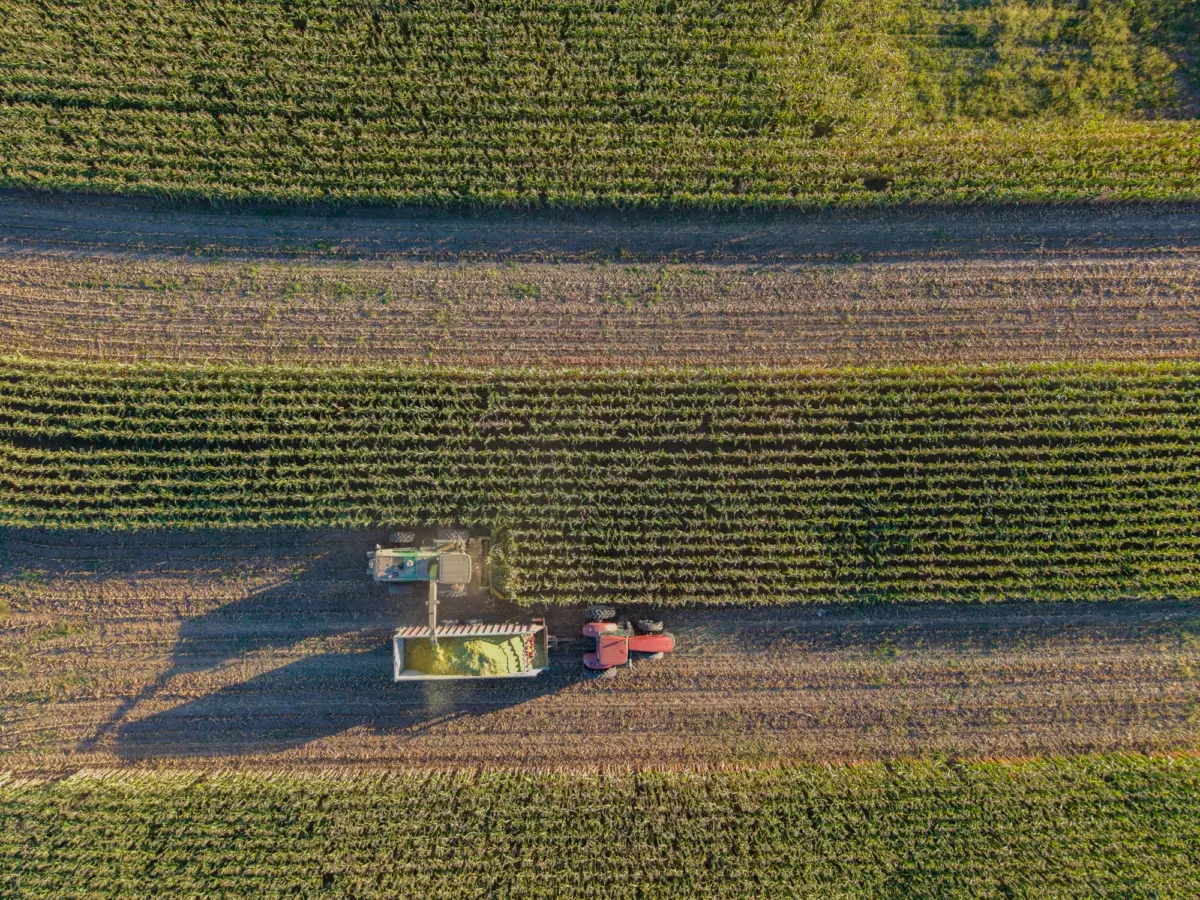
Concurrently, the company is advancing its commercialization of reduced-stature corn. Shorter, sturdier corn hybrids offer superior resistance to lodging (stem breakage caused by high winds and severe storms), allow for higher plant densities per acre, and enable the use of standard high-clearance ground equipment for late-season nutrient applications.
2031: Novel Below-Ground Insect Control
Looking toward the early 2030s, Vylor plans to launch a transformative below-ground insect control platform by 2031. This system will feature two proprietary non-Bt (Bacillus thuringiensis) modes of action.
For decades, the agricultural sector has relied heavily on naturally occurring Bacillus thuringiensis protein crystals to manage soil-dwelling pests like the corn rootworm. However, widespread and prolonged use has led to documented field resistance in several key agricultural regions. Vylor’s introduction of non-Bt mechanisms provides a vital rotation tool, effectively resetting the resistance management clock and securing long-term durability for growers’ pest management programs.
Supporting Context, Market Dynamics, and Financial Metrics
To fully understand why Corteva is executing this spin-off, one must examine the broader economic pressures reshaping the global seed and ag-tech sectors.
The Financial Architecture of Intellectual Property
Traditional agrochemical and seed businesses require substantial, continuous capital expenditures to maintain manufacturing plants, manage complex global supply chains, and navigate stringent, drawn-out regulatory approvals for chemical formulations. These operational realities often drag down profit margins and expose companies to commodity price volatility.
In stark contrast, an IP-driven seed and genetics model operates with structurally higher gross margins. Once elite germplasm is bred and proprietary traits are successfully discovered, validated, and deregulated, the marginal cost of reproducing seed stock or licensing genetic lines to third-party regional seed companies is relatively low.
Vylor’s target of generating more than $2 billion in incremental revenue by 2035 relies heavily on this licensing dynamic. By opening its trait and germplasm libraries to independent seed companies globally—companies that previously lacked access to top-tier biotech pipelines—Vylor can monetize its R&D investments across a vastly expanded physical acreage footprint without needing to scale direct retail distribution proportionally.
Integration with Global Megatrends
Vylor’s pipeline is strategically aligned with three major macroeconomic and environmental megatrends:
- Climate Volatility: Extreme weather events require crops with enhanced abiotic stress tolerance, robust root systems, and disease resilience. Reduced-stature corn and multi-disease resistance directly mitigate climate-induced yield loss.
- Input Cost Pressures: With fertilizer, fuel, and chemical costs remaining elevated relative to historical baselines, farmers demand seeds that extract maximum yield per unit of input. Built-in biological and genetic defenses reduce the need for remedial chemical applications.
- Regulatory and Resistance Pressures: As regulatory frameworks tighten around certain chemical crop protection tools globally, biological and advanced trait-based pest management provides a sustainable, compliant pathway forward.
Official Statements and Industry Perspective
The strategic rationale behind Vylor has been articulated clearly by the architects of the spin-off. Sam Eathington, who will step into the role of chief technology officer for Vylor upon completion of the separation, emphasized that the upcoming pipeline is the direct cumulative result of a sustained, multi-billion-dollar R&D commitment.
"We are building long-term, royalty-advantaged technology platforms that give Vylor more freedom to innovate, grows our licensing business, and positions the company for sustained leadership," Eathington noted during the strategic briefing.
Industry analysts have responded favorably to the transparency of the roadmap. By quantifying the expected incremental revenue and mapping out specific biological milestones through 2035, Corteva is providing institutional investors with the quantitative visibility required to value Vylor as an elite ag-tech growth stock rather than a traditional agricultural commodity play.
Furthermore, market observers note that the creation of Vylor mirrors successful precedent transactions in the life sciences and industrial sectors, where pure-play spin-offs unlock trapped value, incentivize targeted research teams, and allow management to pursue aggressive, sector-specific capital allocation strategies.
Future Outlook: Vylor’s Place in the Post-Corteva Landscape
As the October 1, 2026, separation date approaches, operational separation efforts are moving into their final phases. Corteva and Vylor leadership are currently finalizing supply agreements, administrative transition services, and corporate governance structures to ensure a seamless Day One launch.
The true test of Vylor’s strategy will lie in its execution speed and the regulatory clearance timelines for its advanced trait portfolio. With agricultural biotechnology facing rigorous scrutiny across major global jurisdictions—particularly the European Union, the Americas, and Asia—navigating the approval pathways for gene-edited platforms and novel non-Bt modes of action will be critical to hitting the 2028–2035 revenue targets.
Nevertheless, Vylor enters the independent marketplace from a position of profound strength. Backed by elite germplasm libraries, a multi-billion-dollar R&D legacy, and a clear, royalty-optimized business model, the company is poised to redefine how agricultural genetics are developed, monetized, and deployed across the globe. For growers, investors, and the broader ag-tech ecosystem, Vylor’s corn pipeline is not just a glimpse into the future of crop production—it is the blueprint for the next era of agricultural innovation.