
Executive Overview
For decades, maintaining a clean litter box meant lugging heavy, cumbersome buckets and bags of traditional clay litter. Weighing anywhere from 20 to 40 pounds, these conventional products have long been a source of physical strain for pet owners, particularly seniors, individuals with chronic back issues, or those living in multi-story apartments without elevators. However, advancements in pet care manufacturing have radically transformed the market.
Today’s lightweight cat litters offer a compelling alternative. Ranging from 30% to 60% lighter than their traditional clay counterparts, these modern formulas are engineered to reduce physical burdens while maintaining—and in some cases exceeding—the clumping and odor-control performance expected by discerning cat owners.
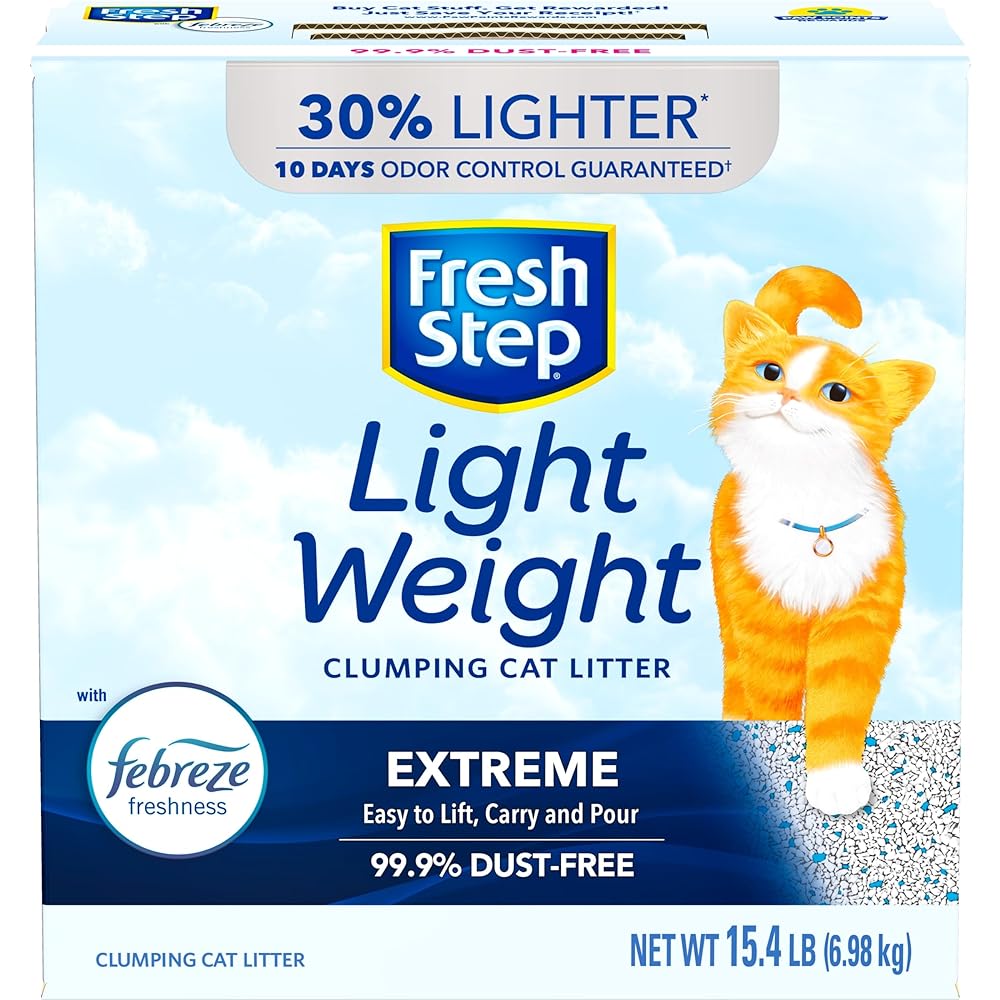
Recent market evaluations highlight several standout options dominating the landscape. Products like Fresh Step Lightweight Clumping Litter and Cat’s Pride Lightweight Clumping Litter utilize advanced mineral engineering to dramatically reduce density without sacrificing structural integrity during scooping. Meanwhile, plant-based alternatives such as FUKUMARU Tofu Litter cater to eco-conscious consumers and multi-sensory households seeking dust-free, flushable, and low-tracking alternatives.
This comprehensive report examines the top lightweight litters of 2026, analyzes the core mechanics of lightweight technology, evaluates safety and health implications for felines, and provides actionable guidance for selecting the ideal product for your household.
Detailed Chronology and Market Evolution
The journey toward lighter, more efficient cat litter products spans several decades, reflecting broader consumer demands for convenience, sustainability, and ergonomic design in household goods.
Phase 1: The Traditional Clay Era (Late 20th Century)
For generations, sodium bentonite clay dominated the market due to its natural ability to form tight, impermeable clumps upon contact with moisture. While effective at containing liquid waste, bentonite clay is exceptionally dense. A standard multi-cat container often exceeded 35 pounds, making transport, pouring, and disposal a strenuous physical chore. Furthermore, traditional clay was frequently associated with high dust generation, posing potential respiratory irritations for both cats and humans.

Phase 2: The Introduction of Lightweight Engineering (Early 2010s)
Recognizing the ergonomic challenges faced by consumers, major manufacturers began investing heavily in research and development to engineer porous, lighter minerals. By expanding clay particles or blending them with lighter minerals like expanded diatomaceous earth or volcanic ash, brands successfully reduced product weight by 30% to 40%. Early iterations, however, faced consumer skepticism regarding "tracking" and crumbly clumps that broke apart during scooping.
Phase 3: Plant-Based and Eco-Friendly Diversification (2020s)
As sustainability became a primary driver in the pet industry, manufacturers expanded beyond mineral chemistry. The introduction of plant-based matrices—such as soybean byproduct (tofu), corn, wheat, wood fibers, and recycled paper—shifted the paradigm. These materials offered natural lightweight properties combined with biodegradability, appealing to environmentally conscious pet parents and households managing allergies or sensitivities.
Phase 4: The 2026 Landscape of High-Performance Lightweight Litters
Today, the lightweight cat litter sector is characterized by targeted specialization. Advanced formulas incorporate micro-encapsulated odor blockers (such as Febreze integrations or specialized Ammonia Block Technology) and precision-engineered grain binders (exemplified by Arm & Hammer’s HardBall technology). Consumers are no longer forced to choose between ergonomic convenience and high-performance waste management; modern lightweight litters routinely deliver 10 to 14 days of robust odor control.
Supporting Context & Metrics: Top Lightweight Cat Litters Reviewed
Based on comprehensive market evaluations, specifications, and verified pricing models, the following products represent the industry benchmarks for lightweight cat litter.
1. Fresh Step Lightweight Clumping Cat Litter (Scented with Febreze)
- Weight Profile: ~30% lighter than traditional clumping litters.
- Key Features: Features Ammonia Block Technology paired with Febreze scenting to deliver up to 10 days of targeted odor control. Manufactured to be 99.9% dust-free.
- Best For: Households prioritizing traditional clumping strength combined with long-lasting, active fragrance management.
2. Cat’s Pride Premium Lightweight Clumping Litter (Pure & Fresh)
- Weight Profile: 40% lighter than standard clay alternatives.
- Key Features: Utilizes a highly porous, absorbent mineral composition designed to trap moisture quickly, keeping the surrounding litter bed dry and pristine. Delivers up to 10 days of multi-cat odor defense.
- Best For: Budget-conscious pet owners seeking a reliable, ultra-lightweight solution without compromising performance.
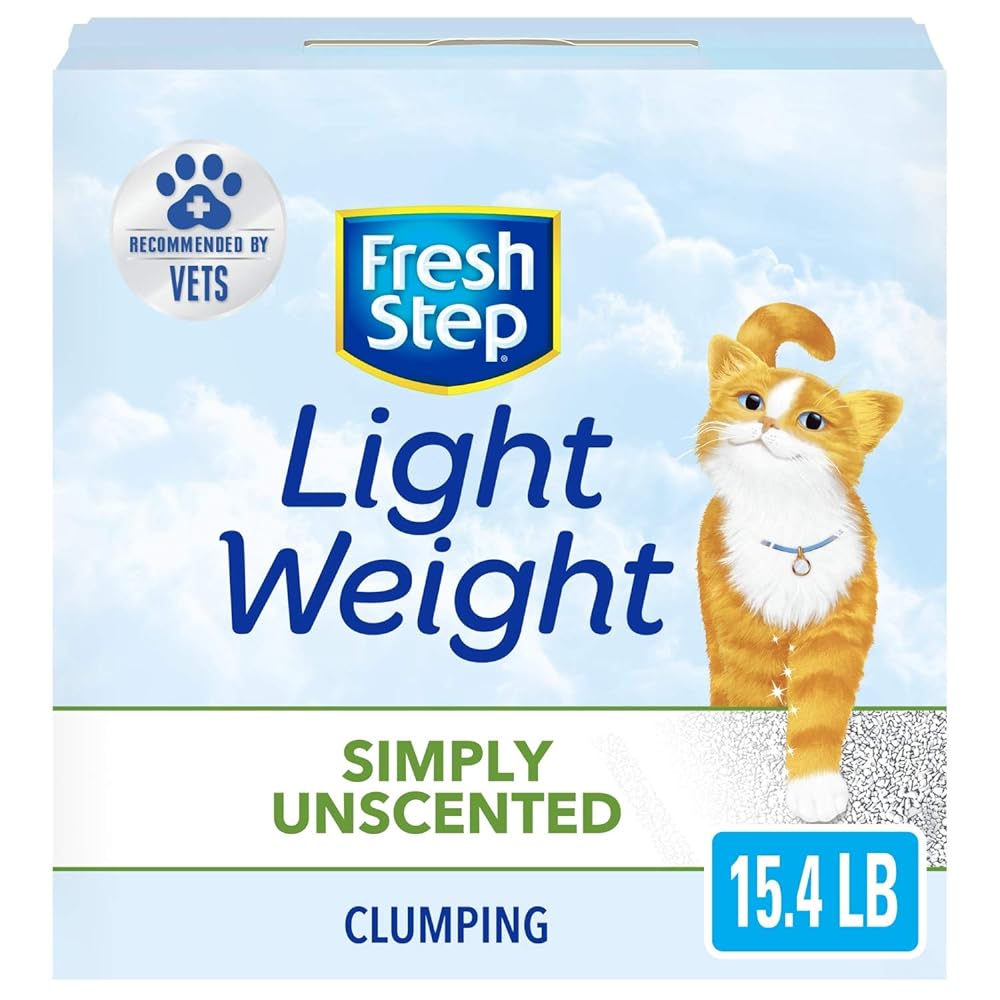
3. Fresh Step Lightweight Clumping Cat Litter (Unscented)
- Weight Profile: 30% lighter than standard unscented variants.
- Key Features: Formulated entirely without added dyes or synthetic fragrances, making it ideal for scent-sensitive cats and humans. Retains the 99.9% dust-free standard and rapid-stop odor neutralization.
- Best For: Homes with sensitive cats or owners who prefer fragrance-free environments.
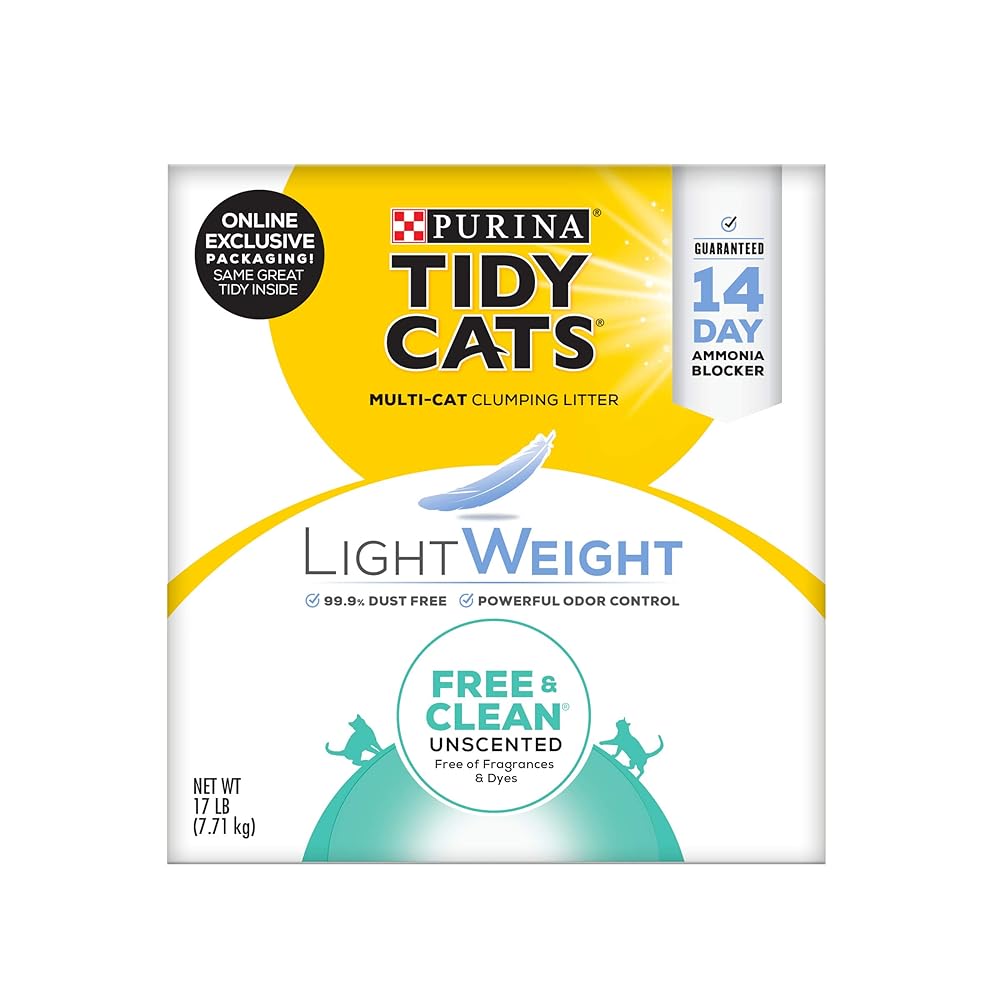
4. Purina Tidy Cats Low Dust Clumping Cat Litter (LightWeight Free & Clean Unscented)
- Weight Profile: Significantly reduced weight utilizing natural clay and mineral blends.
- Key Features: Equipped with a specialized Ammonia Blocker engineered to prevent urine odors for up to 14 days in multi-cat environments. Unscented and low-dust.
- Best For: Multi-cat households looking for extended odor defense in an easily manageable box format.
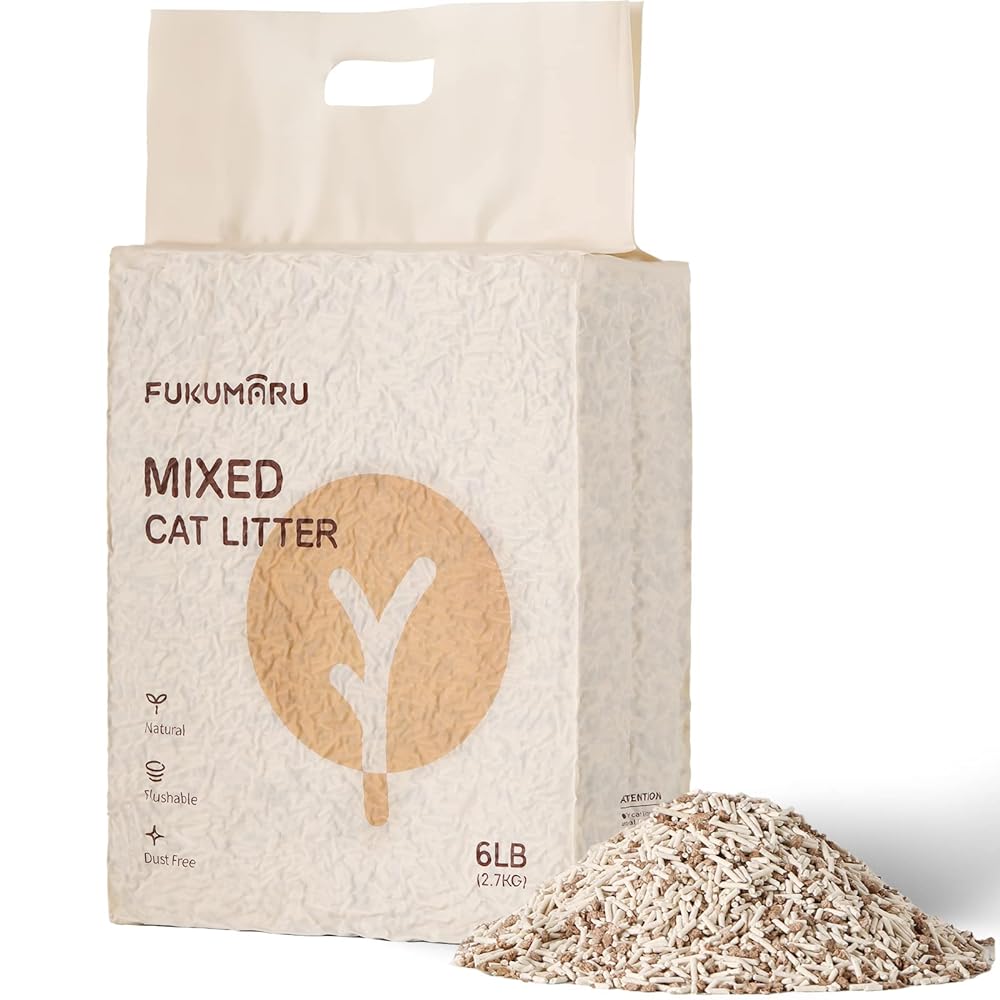
5. FUKUMARU Tofu Cat Litter (Apple Wood Blend)
- Weight Profile: Naturally lightweight plant-based pellets.
- Key Features: Composed of 80% food-grade tofu residue and 20% natural deodorized apple wood. Provides 24/7 odor control, is 100% dust-free, hypoallergenic, low-tracking, and fully flushable.
- Best For: Eco-friendly households, allergy sufferers, and those seeking a flushable alternative.
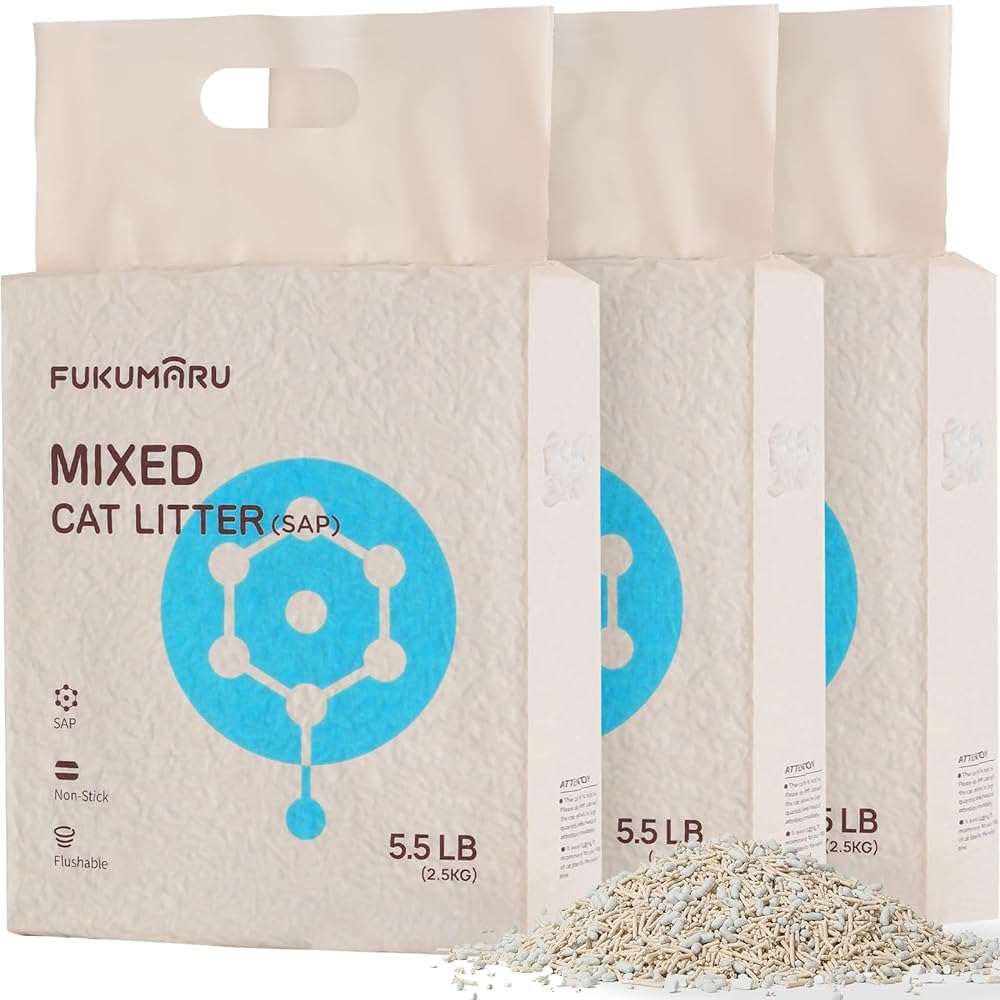
6. FUKUMARU Tofu Cat Litter (White Tea Aroma)
- Weight Profile: Ultra-lightweight plant-based composition.
- Key Features: Utilizes baby-grade absorbent materials combined with a subtle white tea aroma. Delivers rapid liquid absorption, minimal tracking, and convenient flushability.
- Best For: Maximum odor control and cost-effective plant-based maintenance.
7. ARM & HAMMER HardBall Lightweight Easy No-Mess Scooping Platinum Clumping Litter
- Weight Profile: 60% lighter than regular clay litters.
- Key Features: Incorporates American-grown grain binders that form ultra-tight, solid "hardball" clumps that resist crumbling during removal. Infused with a garden bloom scent and baking soda for up to 14 days of continuous freshness.
- Best For: Premium, mess-free scooping performance and maximum weight reduction.
Official Statements and Veterinary Insights
Transitioning to a new cat litter requires careful consideration of feline physiology and behavioral patterns. Industry bodies and veterinary experts provide vital guidance on maintaining optimal box hygiene and ensuring animal safety.
Respiratory Health and Dust Exposure
According to guidelines published by the Cornell Feline Health Center, airborne dust from traditional fine-clay litters can irritate a cat’s delicate respiratory tract over chronic exposure. Veterinary experts emphasize that low-dust or dust-free formulations—common in high-end lightweight mineral and plant-based litters—are vastly superior for cats exhibiting respiratory sensitivities, coughing, or watery eyes.
Feline Ingestion and Safety
Kittens and young cats frequently ingest minor amounts of litter during routine grooming sessions. Veterinary consensus dictates that when introducing lightweight litters to households with curious juveniles, non-toxic, natural, and low-tracking formulations (such as food-grade tofu or paper pellets) should be prioritized until the cat matures past the exploratory grooming phase.
Environmental and Plumbing Considerations
The National Association of Clean Water Agencies (NACWA) advises caution regarding the disposal of cat waste and litters via residential plumbing systems. While several plant-based and tofu litters are marketed as flushable, homeowners must evaluate local municipal sewage regulations, pipe integrity, and the risk of parasitic transmission (such as Toxoplasma gondii) before utilizing toilets for waste disposal.
Future Outlook: What Lies Ahead for Feline Hygiene
As material science and consumer expectations continue to evolve, the future of cat litter manufacturing points toward hyper-sustainable, intelligent, and ergonomically optimized solutions.
- Advanced Biodegradability: Industry researchers are actively exploring agricultural waste streams—such as hemp husks, rice hulls, and spent coffee grounds—to create ultra-lightweight, zero-waste litter matrices that decompose rapidly in municipal compost systems.
- Smart-Monitoring Integration: Emerging concepts in pet care include pH-reactive lightweight litters that change color to signal early indicators of urinary tract infections, diabetes, or kidney disease, transforming the litter box into an active diagnostic tool.
- Enhanced Structural Integrity: Future mineral engineering aims to bridge the remaining gap between clay-like hardness and extreme featherlight weight, virtually eliminating the crumbly edges occasionally reported in ultra-lightweight formulations.
Conclusion
Choosing the right lightweight cat litter is a personalized decision that balances ergonomic convenience, budgetary considerations, and your cat’s unique behavioral preferences. Whether you select an ultra-light mineral clay infused with advanced ammonia blockers like Arm & Hammer HardBall or a sustainable, flushable plant-based alternative like FUKUMARU Tofu Litter, modern manufacturing ensures you no longer have to compromise on cleanliness or comfort. By prioritizing low-dust formulations and monitoring your cat’s adjustment period, you can establish a streamlined, hygienic, and stress-free care routine for years to come.