
Executive Overview
In the rugged, sweeping landscapes of Gardner, Colorado, a quiet revolution is taking
root across the high-elevation pastures of the Rocky Mountain region. In August, Redwing Ranch served as the epicenter for this movement, hosting the intensive, hands-on gathering titled "Cowgirl Proven: Pasture First, Profit Follows." Designed specifically to unite women across the Rockies, the workshop was far more than an educational seminar; it was a masterclass in regenerative agriculture, ecological stewardship, and economic resilience.
For decades, the American cattle ranching industry has been viewed through a traditionally male-dominated lens. However, a profound demographic and operational shift is underway. Women are increasingly stepping into leadership roles as landowners, ranch managers, entrepreneurs, and conservationists. Events like the Cowgirl Proven workshop highlight this evolution, providing a vital platform where women can hone technical skills, tackle complex ranch economics, and build an enduring, supportive professional community.
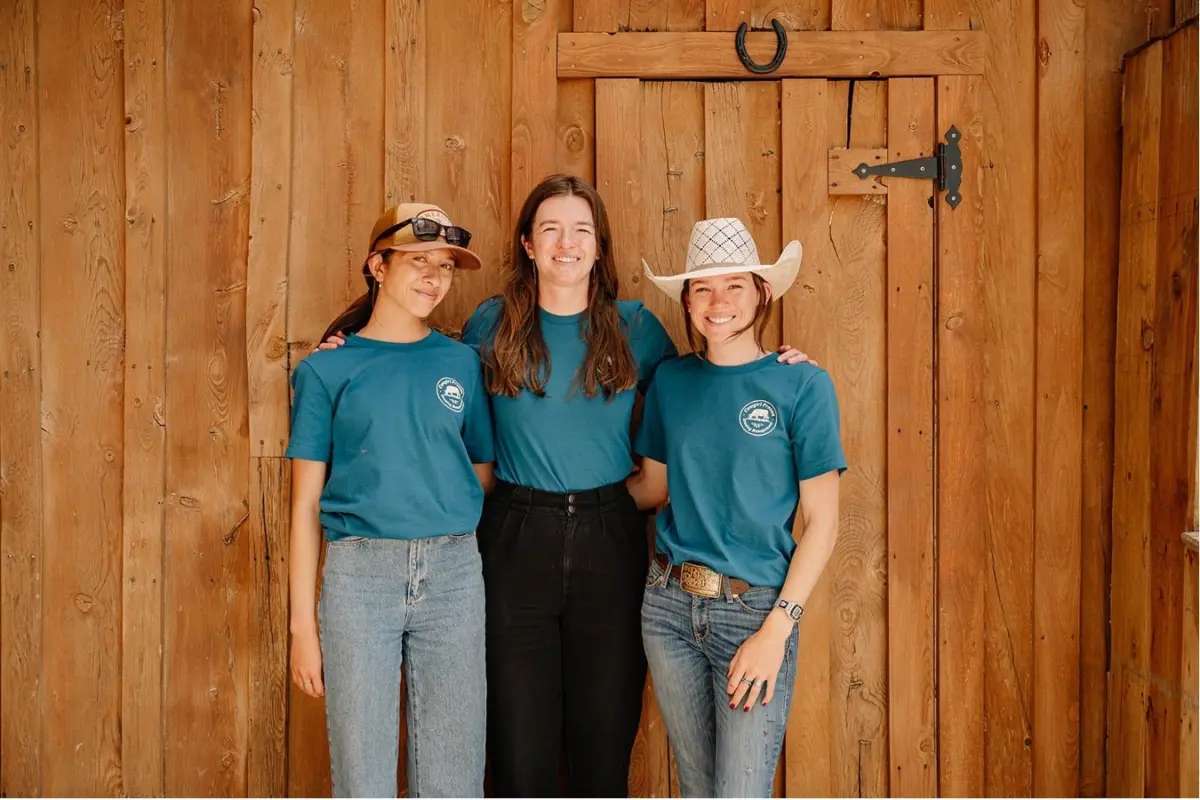
Led by Redwing Ranch’s all-star team—including Ranch Manager and Lead Instructor Fiona Jackson, Owner Christy Wyckoff, and Programs Manager Erin Sheridan—the workshop blended rigorous scientific principles with boots-on-the-ground ranching realities. Attendees ranged from seasoned livestock operators to newcomers eager to learn the ropes of sustainable land management. Together, they explored how intentional grazing can simultaneously rebuild soil health, restore vital riparian zones, enhance wildlife habitats, and secure long-term profitability.
This initiative also intersects with broader conservation efforts, notably the Audubon Conservation Ranching (ACR) program. As Redwing Ranch moves through the rigorous pipeline toward achieving Audubon’s Bird-Friendly Land Certification, participants gained firsthand insight into how commercial cattle production and avian conservation can not only coexist, but thrive together. By fostering a culture of continuous learning, peer mentorship, and ecological consciousness, Redwing Ranch is proving that the future of Western agriculture relies on community as much as it does on the land.
Detailed Chronology: Inside the Cowgirl Proven Workshop
Day One: Groundwork, Economics, and the Art of the Grazing Plan
The two-day immersive experience began in the crisp morning air of Gardner, Colorado, as participants traveled from across the Rockies to gather at Redwing Ranch. The atmosphere was charged with a shared sense of purpose. The diverse cohort—comprising multi-generational ranchers, first-time landowners, and agricultural interns—quickly bonded over the shared challenges and triumphs of working the land.
The first morning kicked off with foundational instruction led by Fiona Jackson, Christy Wyckoff, and Erin Sheridan. The instructors emphasized a core tenet of modern regenerative agriculture: the health of the pasture directly dictates the health of the livestock, which in turn dictates the profitability of the operation.
- Forage Assessment and Stocking Rates: Participants stepped directly into the pastures to conduct hands-on forage inventories. Learning how to estimate available dry matter, measure plant recovery periods, and calculate appropriate stocking rates is both an art and a science. The instructors demonstrated how to evaluate root depth and plant vigor, teaching attendees how to "read" the landscape to prevent overgrazing.
- Infrastructure and Fencing: Moving cattle systematically requires flexible, efficient infrastructure. The afternoon session focused on the practicalities of paddock design, electric fencing implementation, and water distribution systems. Effective rotational grazing relies on keeping animals tightly managed and moving them frequently—a method that mimics the natural movement of historic bison herds across the American plains.
- Ranch Budgeting and Economics: A sustainable ranch must also be financially viable. Erin Sheridan led a deep dive into ranch accounting, guiding participants through cost-per-acre analyses, input reduction strategies, and margin optimization. The underlying message of the day was clear: profit does not come from cutting corners on land health; rather, long-term profitability is the direct byproduct of regenerative practices that reduce reliance on expensive synthetic fertilizers and supplemental feeds.
Day Two: Ecology, Biodiversity, and Building a Network
The second day shifted focus outward, examining how individual ranch management decisions ripple across the broader ecosystem. Cidney Handy, a Range Ecologist for the Audubon Conservation Ranching program in the Rockies, took center stage to introduce participants to the intricate relationships binding livestock production to grassland bird populations.
- The Bird-Friendly Lens: Handy detailed the criteria behind Audubon’s Bird-Friendly Land Certification. She explained how specific structural habitat characteristics—such as varying grass heights, dense litter layers, and thriving native plant communities—are essential for declining grassland bird species like the Lark Bunting, Bobolink, and Mountain Plover.
- Observing in Action: Attendees were joined by Jordyn Ludeman and Maddy Pollack, interns from the nearby Bird-Friendly Certified Badger Creek Ranch. The presence of these young agricultural professionals underscored the workshop’s multi-generational appeal. Together, the group discussed how to monitor biodiversity, identify indicator species, and integrate conservation goals into daily ranch chores.
- Peer-to-Peer Mentorship: Beyond the technical spreadsheets and ecological manuals, the most powerful moments of Day Two unfolded during informal discussions. Women shared their individual struggles—from breaking into a traditionally insular industry to balancing family life with grueling ranch schedules. By creating an open, judgment-free space, Cowgirl Proven enabled participants to forge professional alliances and personal friendships that would outlast the two-day event.
Supporting Context & Metrics: Regenerative Agriculture and the Audubon Partnership
To fully appreciate the significance of the Cowgirl Proven workshop, one must examine the broader ecological and economic landscape of American grasslands. Once covering vast swaths of the continent, North America’s native grasslands have experienced severe fragmentation and degradation due to conversion for agriculture, urban sprawl, and mismanagement.
The Ecological Engine: Cattle as a Restoration Tool
Since 2022, Redwing Ranch has championed a transformative philosophy: treating cattle not as environmental stressors, but as restorative ecological tools. When managed through holistic planned grazing, ruminants trample old litter, incorporate organic matter into the soil, stimulate root growth, and cycle nutrients efficiently.
This methodology yields measurable benefits:
- Soil Health Restoration: Increasing soil organic matter improves water-holding capacity, making pastures more resilient against droughts and floods. Every 1% increase in soil organic matter allows soil to hold approximately 20,000 gallons of water per acre.
- Riparian Recovery: By actively managing where and how long cattle graze near streams and rivers, ranches can prevent bank erosion, lower water temperatures, and restore vital riparian corridors for aquatic and terrestrial wildlife.
- Habitat Mosaics: Varying grazing intensities across different pastures creates a mosaic of habitat types—some areas featuring short grasses for nesting, and others offering tall, dense cover for predator evasion—thereby supporting a diverse array of bird species and pollinators.
The Scale of Audubon Conservation Ranching
The partnership between progressive ranches like Redwing and conservation organizations like the National Audubon Society represents a vital bridge between private land management and public ecological health.
- National Reach: Today, more than 160 ranches across the United States participate in the Audubon Conservation Ranching program.
- Acreage Impact: This network encompasses roughly 4.7 million acres of privately and publicly managed grassland under strict bird-friendly protocols.
- The Power of Private Lands: Because the vast majority of remaining grasslands in the United States are privately owned, engaging ranchers is the single most effective strategy for large-scale conservation. Audubon recognizes that if ranches fail economically, the land is often subdivided and lost to development entirely. Therefore, keeping ranching profitable and ecologically sound is the ultimate win-win scenario for rural communities and wildlife alike.
Official Statements and Industry Insights
The success of the Cowgirl Proven workshop underscores a growing demand for specialized, inclusive agricultural education. Leaders from Redwing Ranch and the Audubon Society emphasize that empowering women is a critical catalyst for the future of sustainable food systems.
Christy Wyckoff, Owner of Redwing Ranch:
"When we launched Redwing Ranch’s educational initiatives, our vision was to create a hub where practical ranching meets deep ecological awareness. Watching these women come together—sharing both their vulnerabilities and their profound expertise—reinforces why this work matters. Healthy working lands require confident, connected stewards. By focusing on regenerative principles, we aren’t just improving our bottom lines; we are healing the very fabric of our ecosystems."
Fiona Jackson, Ranch Manager and Lead Instructor:
"Ranching is inherently unpredictable. Whether you’re dealing with volatile market prices, shifting weather patterns, or failing infrastructure, the job demands resilience. In the pasture, every decision matters. Through Cowgirl Proven, our goal was to demystify complex grazing metrics and give these women the practical, hands-on tools they need to make informed, proactive choices for their land. The transformation in confidence over just two days was remarkable."
Cidney Handy, Range Ecologist, Audubon Conservation Ranching (Rockies):
"Grassland birds are among the fastest-declining bird populations in North America, and their fate is inextricably linked to how we manage our working lands. Working with ranches like Redwing—which are actively pursuing our Bird-Friendly Land Certification—proves that profitable livestock production and high-biodiversity conservation are not mutually exclusive. Educating the next generation of land stewards, especially empowering women in these leadership roles, accelerates the adoption of practices that benefit birds, soil, and rural communities alike."
Future Outlook: A New Horizon for Western Ranching
As the sun sets over the majestic peaks surrounding Gardner, Colorado, the ripples of the Cowgirl Proven workshop continue to spread across the Rockies and beyond. The challenges facing modern agriculture—ranging from climate volatility and economic pressures to generational land transfer bottlenecks—are formidable. However, the energy generated at Redwing Ranch points toward a resilient and hopeful future.
Expanding the Educational Footprint
Redwing Ranch is committed to expanding its educational programming in the coming years. By continuing to host workshops focused on regenerative grazing, ranch economics, and holistic land management, the ranch aims to build an even broader network of ecologically minded agricultural professionals. These programs serve as incubators for innovative ideas, proving that traditional wisdom and modern ecological science can seamlessly merge.
Transforming Consumers into Conservationists
Through initiatives like the Audubon Conservation Ranching program, the market is shifting to reward producers who care for the land. Consumers increasingly want to know the story behind their food. By purchasing beef and bison from certified bird-friendly operations, everyday shoppers become active participants in grassland conservation. Every purchase supports ranches that protect topsoil, purify water, and safeguard critical bird habitats.
The Indispensable Role of Women in Ag
Ultimately, the most enduring legacy of the Cowgirl Proven workshop is the community it built. As more women step into leadership roles across the agricultural landscape, they bring collaborative problem-solving, meticulous attention to ecological detail, and an unwavering dedication to community resilience.
When women get their boots on the ground, support one another, and exchange generational and technical knowledge, they do much more than enhance their individual operations. They redefine what it means to be a modern rancher, setting a new standard for land stewardship that ensures America’s grasslands—and the vibrant communities and wildlife that depend on them—will endure for generations to come.