
Executive Overview
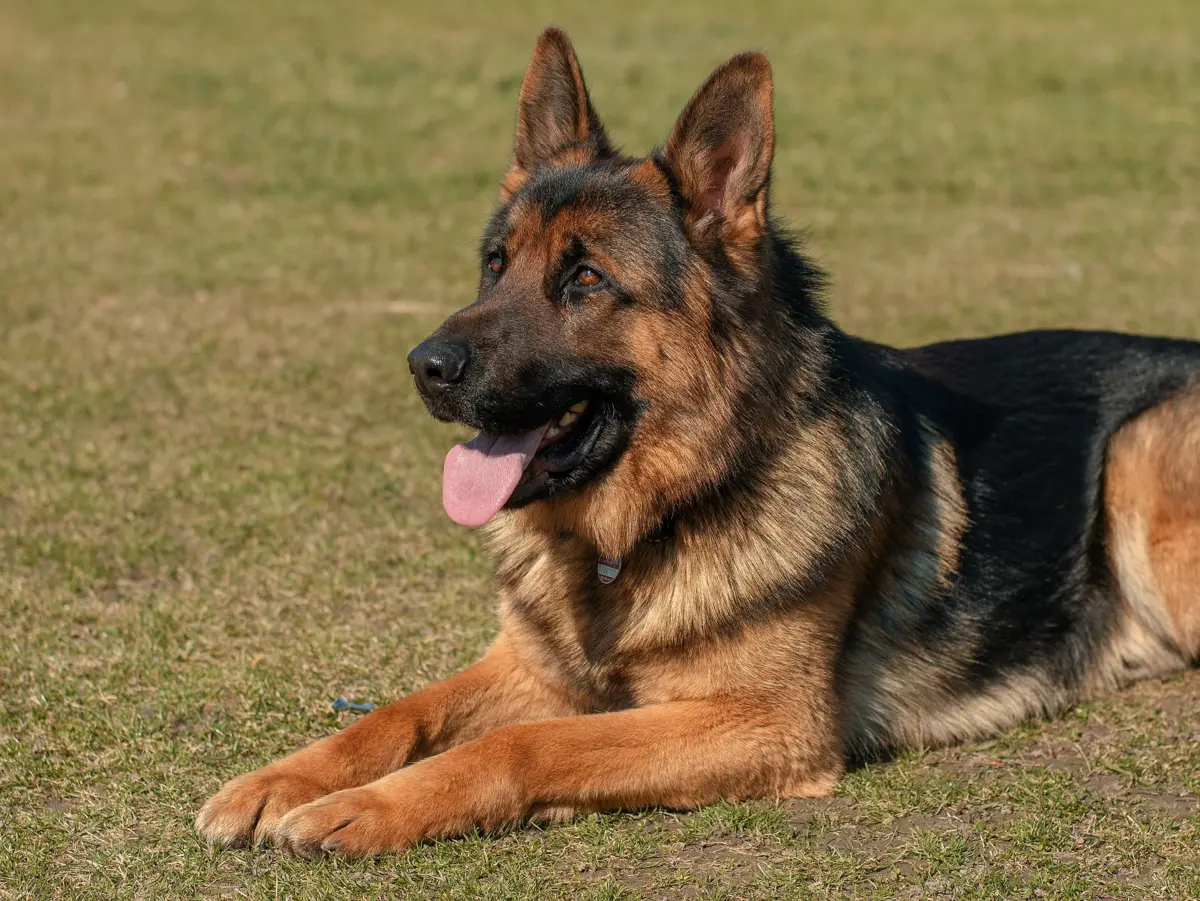
The German Shepherd is widely regarded as one of the most versatile, intelligent, and fiercely loyal canine breeds in the world. Renowned for their striking appearance, athletic prowess, and unmatched work ethic, these dogs transcend the traditional definition of a household pet. They are working companions, protectors, and service animals frequently trusted by military personnel, law enforcement agencies, and airport security teams across the globe. Consequently, selecting a name for a male German Shepherd carries a unique weight. Owners are not merely choosing a moniker for daily recall; they are defining an identity that should capture the heroic spirit, imposing presence, and noble lineage of the breed.
Finding the ideal name, however, can be a daunting task. Owners often find themselves balancing a desire to honor the breed’s German heritage, acknowledge its formidable physical strength, or highlight its exceptional intelligence. This comprehensive guide is designed to navigate that exact challenge. By breaking down professional naming strategies, exploring an extensive alphabetical directory, and categorizing options by cultural significance, mythology, and media, this article provides pet owners with the ultimate resource to forge a lasting, meaningful bond with their new companion.
Detailed Chronology and Evolution of the German Shepherd Breed
To truly understand how to name a German Shepherd, one must first understand the historical evolution and deliberate engineering of the breed. The story of the German Shepherd is relatively modern, rooted in the late 19th-century efforts of Captain Max von Stephanitz, a former cavalry officer in the German military.
The Foundation Era (1899)
In 1899, von Stephanitz attended a dog show in western Germany where he encountered a medium-yellow-and-gray wolf-like herding dog originally named Hektor Linksrhein. Impressed by the animal’s intelligence, loyalty, strength, and tireless work ethic, von Stephanitz immediately purchased the dog, renamed him Horand von Grafrath, and registered him as the very first German Shepherd Dog. Von Stephanitz envisioned a utilitarian working dog that lacked no attribute necessary for usefulness. He established the Verein für Deutsche Schäferhunde (Society for the German Shepherd Dog) and laid down strict breeding standards centered on utility and intelligence.
The Global Expansion (WWI and WWII)
During World War I, soldiers on both sides recognized the extraordinary capabilities of the German Shepherd. They served as Red Cross dogs, messengers, guard dogs, and pack carriers. Allied soldiers, particularly British and American troops, developed immense respect for the breed’s bravery under fire. To avoid anti-German sentiment in English-speaking countries following the First World War, the UK Kennel Club temporarily renamed the breed the "Alsatian Wolf Dog" (dropping "Wolf Dog" in the 1930s), while the American Kennel Club retained the original nomenclature. By the mid-20th century, German Shepherds had cemented their status globally as the premier choice for police and military operations.
The Modern Working Icon
Today, the breed’s chronology continues to evolve in specialized fields. From guiding the visually impaired to detecting explosives and participating in urban search-and-rescue operations following natural disasters, the German Shepherd remains the gold standard of working canines. Recognizing this rich history of service provides profound inspiration when selecting a strong, historically resonant name for a male pup.
Supporting Context & Metrics: Understanding the Breed’s Profile
When selecting a name, behavioral and physical metrics play a crucial role. A name that sounds authoritative and commanding often suits a breed built for heavy-duty tasks, while a shorter phonetic structure ensures rapid response times during training.
Physical and Behavioral Metrics
- Height and Weight: Adult male German Shepherds typically stand between 24 and 26 inches tall at the shoulder and weigh anywhere from 65 to 90 pounds, demanding a name that reflects substance and power.
- Lifespan: With an average lifespan of 7 to 10 years, a German Shepherd is a long-term commitment, meaning the chosen name should be one that ages gracefully with the dog.
- Cognitive Ranking: According to canine psychologist Stanley Coren, German Shepherds rank third in canine intelligence, understanding new commands in fewer than 5 repetitions and obeying them 95% of the time. This high intellect calls for names that are sharp, distinct, and easily distinguishable from common household commands.
Professional Tips for Choosing the Right Name
- Keep It Short and Crisp: Dogs respond most rapidly to one- or two-syllable names with hard consonant sounds (such as K, T, or B). Names like Blitz, Jax, or Thor cut through ambient noise much more effectively than longer, softer names.
- Avoid Command Confusion: Ensure the dog’s name does not sound phonetically similar to basic obedience cues. For example, naming a dog "Ray" might cause confusion when attempting to issue a "Stay" command.
- Test It Out Loud: Before finalizing a name, practice calling it in public spaces and at home. If it feels awkward or overly complicated to say repeatedly, it may not be the right fit for daily communication.
- Observe the Dog’s Personality: Allow a few days to pass before cementing a choice. A high-energy pup might suit a name like Dash, while a stoic, observant puppy might better embody a name like Baron or Sage.
Comprehensive Alphabetical Directory of Male German Shepherd Names
To assist in the brainstorming process, the following directory organizes top-tier male German Shepherd names alphabetically, ensuring a diverse range of styles, origins, and tones.
Names A to I
- A: Ajax, Apollo, Archer, Atlas, Axel, Ace, Ares, Astro, Alaric, Attila.
- B: Baron, Bear, Blitz, Bruno, Bomber, Boss, Bane, Brody, Brutus, Boomer.
- C: Caesar, Cash, Chief, Chase, Cobra, Colt, Copper, Cairo, Clyde, Cronus.
- D: Diesel, Duke, Draco, Dax, Dante, Deacon, Dexter, Diesel, Dash, Denver.
- E: Echo, Edge, Elmer, Enzo, Emir, Everest, Eric, Errol, Evan, Exodus.
- F: Falcon, Fang, Felix, Fisher, Flint, Floyd, Force, Fox, Franco, Fritz.
- G: Gauge, General, Ghost, Giant, Goliath, Gunner, Griffin, Gus, Groot, Gunnar.
- H: Hank, Harley, Hawk, Hero, Hogan, Hunter, Hugo, Hades, Hudson, Hogan.
- I: Igor, Ike, Impact, Imperial, Indy, Inferno, Ingo, Iron, Ivan, Ivo.
Names J to R
- J: Jack, Jackson, Jagger, Jax, Jazz, Jet, Jinx, Jojo, Joker, Judge.
- K: Kaiser, Kane, Kassa, Keiser, Kenai, Khan, King, Koda, Krypto, Kylo.
- L: Lance, Laser, Legend, Leo, Leroy, Levi, Lex, Lobo, Logan, Lucky.
- M: Major, Magnum, Malik, Mars, Maverick, Max, Merlin, Metro, Milo, Moose.
- N: Nash, Nero, Newt, Nemo, Neo, Neutron, Nicos, Nitro, Noble, Nomad.
- O: Odin, Onyx, Orion, Otis, Otto, Oz, Ozzy, Outlaw, Omen, Oakley.
- P: Pack, Packer, Paco, Pal, Panda, Paris, Parker, Pascal, Patch, Pax.
- Q: Quade, Quake, Quigley, Quill, Quincy, Quint, Quirk, Quiver, Quinto, Quasar.
- R: Ranger, Raven, Rex, Rhett, Rider, Rigby, Riley, Rio, Rocco, Rocky.
Names S to Z
- S: Saber, Samson, Sarge, Scout, Shadow, Shadow, Shadow, Shep, Simba, Sir.
- T: Tank, Talon, Taser, Tex, Thor, Thunder, Titan, Toby, Tracker, Tyson.
- U: Uber, Udo, Ugo, Ulan, Ulysses, Umber, Uncle, Union, Urban, Utah.
- V: Vader, Val, Vance, Vandal, Vane, Vego, Vico, Victor, Viking, Vince.
- W: Wade, Wags, Waldo, Walker, Wallace, Walter, Warden, Wayne, Weber, West.
- X: Xander, Xantus, Xaro, Xavier, Xed, Xena, Xerxes, Xiggy, Xiko, Xylon.
- Y: Yago, Yake, Yancy, Yank, Yaro, Yates, Yoda, Yogi, York, Yule.
- Z: Zack, Zaid, Zale, Zane, Zant, Zappa, Zaro, Zephyr, Zeus, Zorro.
Thematic Categories: Finding Identity Through Heritage and Media
For owners looking for more structured inspiration, categorizing names by origin, pop culture, and mythology provides a clear pathway to a meaningful selection.
Traditional German Names
Given the breed’s precise geographical and cultural origins, German names pay homage to the rich history established by von Stephanitz and generations of European working dog handlers.

- Kaiser (Emperor)
- Blitz (Lightning)
- Bruno (Brown/Armor)
- Fritz (Peaceful ruler)
- Otto (Wealth/Prosperity)
- Gretel (While traditionally feminine, variations like Gunter or Gunnar rule supreme for males)
- Ulf (Wolf)
- Adler (Eagle)
Strong and Powerful Monikers
German Shepherds are muscular, imposing animals capable of intense physical exertion. Names rooted in strength emphasize their physical capacity.
- Titan
- Tank
- Diesel
- Goliath
- Iron
- Magnum
- Saber
- Bullet
Mythological and Legendary Figures
Drawing from ancient folklore, mythology offers names that carry epic weight, reflecting the guardian-like nature of the breed.
- Zeus (King of the Greek gods)
- Thor (Norse god of thunder)
- Odin (All-father of Norse mythology)
- Ares (Greek god of war)
- Anubis (Egyptian jackal-headed guardian of the underworld)
- Hercules (Symbol of unmatched strength and endurance)
- Atlas (Titan who held up the celestial spheres)
Pop Culture, TV, Books, and Movie Inspirations
Media has long celebrated the loyalty and heroism of German Shepherds and related working dogs.
- Rin Tin Tin (The legendary silent film star who saved Warner Bros. from bankruptcy)
- Ace (Batman’s canine companion)
- Max (From the movie Max, highlighting military working dogs)
- Chief (From Wes Anderson’s Isle of Dogs)
- Sam (Will Smith’s loyal German Shepherd companion in I Am Legend)
- Bolt (The animated super-dog)
Celebrity and Video Game Influences
For modern pet owners, contemporary media and public figures offer unique naming angles.
- Video Games: Dogmeat (Fallout), D-Dog (Metal Gear Solid V), Rush (Mega Man), Bladewolf (Metal Gear Rising).
- Celebrities: Names inspired by famous owners or cultural icons who favor strong, working-class aesthetics, such as Diesel, Zion, or Kobe.
Official Statements and Expert Perspectives
Canine behaviorists and professional trainers frequently emphasize that the naming process is the foundational first step in establishing effective communication between a handler and a working dog.
"When you name a German Shepherd, you are defining their operational identity in your household or working unit," notes Dr. Hans-Dieter Schmidt, a prominent canine behavior researcher based in Munich. "A name should be functional. It must command attention instantly, project confidence, and set a standard for the discipline and loyalty the breed naturally provides. Whether you choose a traditional German title or a modern heroic designation, the consistency with which you use that name builds the psychological bridge between human and animal."
Furthermore, working dog handlers in military and law enforcement sectors stress that clear, unambiguous auditory signals prevent confusion during high-stress operational scenarios. Selecting a monosyllabic or bisyllabic name directly correlates with faster reaction times during agility and obedience drills.
Future Outlook
As the popularity of the German Shepherd continues to endure across domestic households, security sectors, and competitive canine sports, the trends in naming are shifting toward a balance of modern pop-culture relevance and deep-rooted historical respect. Owners are increasingly moving away from overly generic tags in favor of names that tell a story—reflecting the dog’s lineage, temperament, or physical majesty.
Ultimately, finding the ideal name for a male German Shepherd is an exploratory journey filled with possibility. Whether drawing inspiration from classical mythology, cinematic legends, or centuries-old German heritage, the chosen word serves as the cornerstone of a profound, lifelong partnership. In that single, carefully selected name, a bond of mutual trust, protection, and companionship is firmly established, paving the way for countless shared adventures and cherished memories.