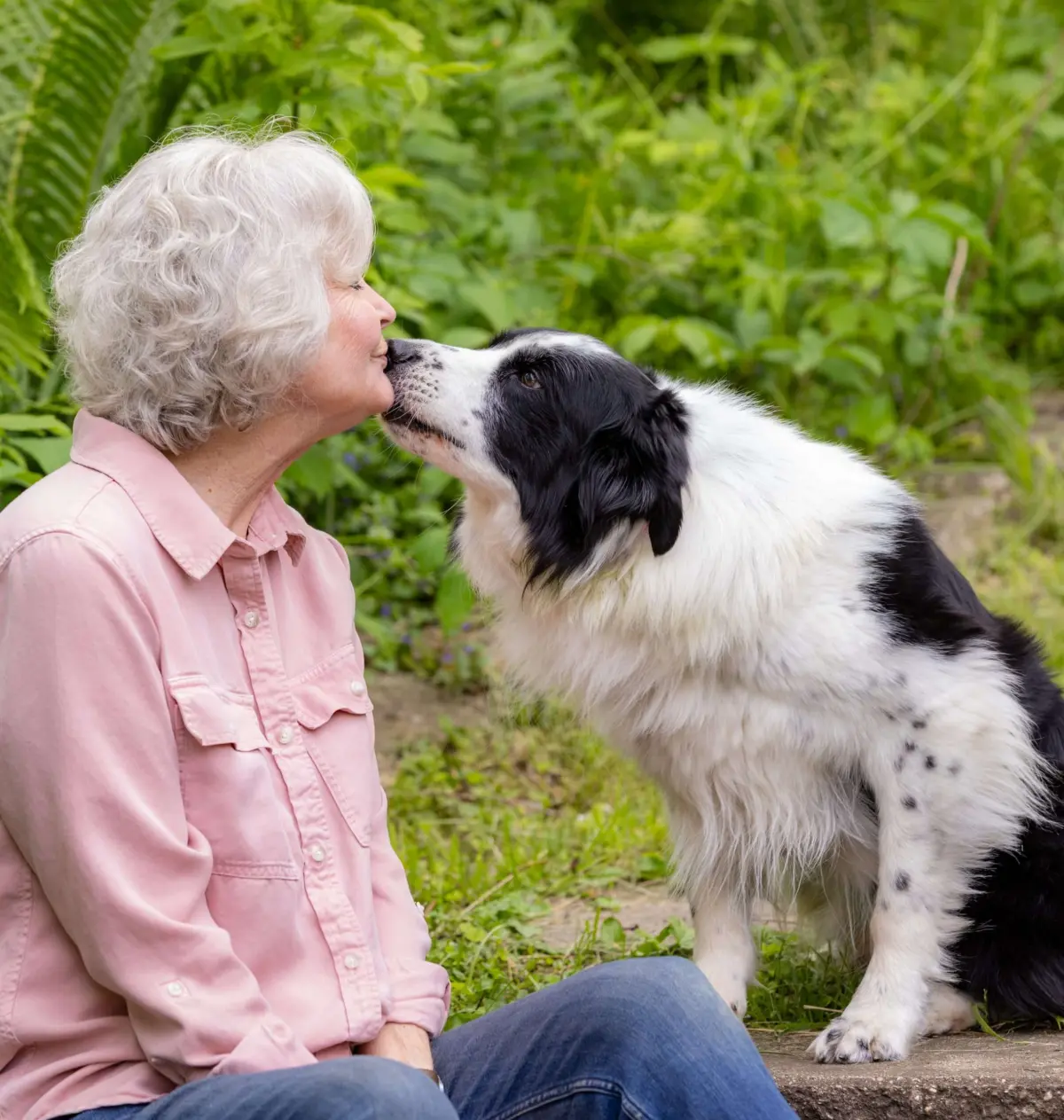

In the realm of animal behavior, few voices command the scientific respect and public affection held by renowned applied animal behaviorist, author, and dog trainer Patricia McConnell. In her latest dispatch from the farm, McConnell offers a characteristically candid, humorous, and deeply relatable look into the precarious balance of rural life, aging gracefully, canine health crises, and the quiet magic found in everyday companionship.
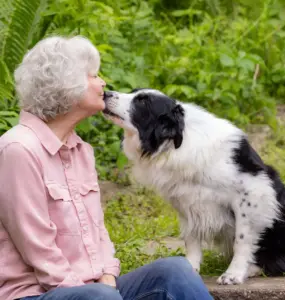
Dating to late September 2025, this period chronicle details a tumultuous week that swung wildly from the glittering heights of Nashville’s legendary music scene to the harrowing trenches of veterinary emergencies at home. Featuring professional portraiture by Steve Dahlgren of Dog Grin Photography, the narrative captures McConnell alongside her loyal sheepdog, Skip, and charts a grueling health ordeal involving her canine companion, Maggie.

Beyond personal anecdotes, the week’s events underscore broader insights into pet safety, indoor horticultural hazards—specifically the unexpected toxicity risks of the popular ZZ plant (Zamioculcas zamiifolia)—and the resilient spirit required to navigate chronic health hurdles while managing a bustling farm. This report examines the comprehensive chronology of McConnell’s week, contextualizes the veterinary and logistical challenges faced, and outlines vital safety takeaways for pet owners everywhere.
Detailed Chronology: From Nashville Bright Lights to Farmyard Crises
The High Note: A Weekend in Music City
The week began with a striking contrast to the rustic tranquility of McConnell’s farm, transporting readers to the vibrant heartbeat of Nashville, Tennessee. There, McConnell spent a joyous weekend visiting her niece, Wendy Piatt, a talented singer-songwriter who performs under the moniker Sweetlove and works part-time at the historic Bluebird Cafe.

The highlight of the urban excursion was securing a coveted seat at the Bluebird Cafe—an iconic institution universally celebrated for launching the careers of musical luminaries such as Taylor Swift, Garth Brooks, and Kathy Mattea. McConnell experienced an intimate "in-the-round" performance featuring Jeff Trott (renowned for penning numerous hits for Sheryl Crow), Phil Barton (writer of "A Woman Like You"), and Alan Argyle.
Despite dealing with complex chronic health parameters—encompassing chronic fatigue syndrome (CFS), postural orthostatic tachycardia syndrome (POTS), chronic obstructive pulmonary disease (COPD), and general mobility limitations managed with a cane—McConnell embraced the magic of the evening. She humorously recounted the physical toll of the night, playfully noting her post-show spatial adventures that nearly ended in an oversized public recycling bin, wishing aloud for a sign reading, "I am NOT drunk!"

The Homeward Slide and the Onset of Illness
Magic, however, rarely maintains an uninterrupted trajectory. The return journey through Chicago’s O’Hare International Airport proved punishingly arduous. Amid severe terminal crowding, McConnell faced a grueling four-hour delay that featured the quintessential modern travel nightmare: boarding an aircraft, enduring an hour-long tarmac wait, and ultimately being forced to deplane and navigate a mile-long trek to a secondary aircraft.
The compounded physical stress triggered a cascading immune and physiological response upon her return to the farm. McConnell fell intensely ill, battling violent chills beneath heavy wool blankets. Simultaneously, her aging dog, Maggie, developed a painful urinary tract infection (UTI), plunging the household into a sleepless cycle of midnight veterinary alerts and frequent outdoor excursions.

The ZZ Plant Catastrophe
Just as Maggie began recovering from her UTI under a newly prescribed antibiotic regimen, a far more alarming crisis struck the household. Seeking to brighten her living space, McConnell had recently purchased a popular Zamioculcas zamiifolia—commonly known as the ZZ plant—a botanical fixture lauded for its hardiness and tolerance of low-light indoor environments. While aware that the plant could cause mild digestive discomfort if ingested, McConnell operated under the assumption that Maggie’s typical indifference to foliage posed minimal risk.
That assumption was shattered when McConnell returned home from a brief outing to find a scene of absolute devastation. Maggie had consumed roughly a third of the substantial houseplant, leaving behind massive quantities of plant matter and subsequent gastric expulsion across freshly cleaned rugs.

The ensuing hours tested the limits of veterinary resources and digital assistance:
- The Digital Maze: Initial inquiries via web search engines revealed that ZZ plants contain calcium oxalate crystals—insoluble microscopic structures that cause localized burning, intense irritation, and inflammation of the oral cavity and digestive tract, rather than acting as a systemic toxin.
- The Information Gap: Contacting a local veterinary emergency room yielded frustratingly generic advice ("withhold food, transition to white rice and chicken") from staff seemingly unfamiliar with calcium oxalate ingestions.
- The Communication Breakdown: An attempted consultation with the ASPCA Animal Poison Control Center resulted in a frustrating hour-long hold time before the call abruptly failed.
- Professional Guidance: Persistence paid off when McConnell connected with an informed veterinary assistant at a secondary emergency clinic, who authorized the administration of prescribed gabapentin to manage Maggie’s escalating abdominal pain.
By Sunday morning, the intensive pain management and strict fasting protocols yielded stabilization. Maggie regained her appetite, walked with a steadier gait, and demonstrated her characteristic enthusiasm for life, setting the stage for a follow-up renal evaluation to monitor her pre-existing Stage 2 kidney disease.

Skip’s Farmyard Diplomacy
While McConnell and Maggie weathered their medical trials, the farm’s resident working sheepdog, Skip, maintained his steadfast vigilance. Performing his duties with characteristic dedication, Skip provided comforting, watchful patrols between McConnell and Maggie throughout their recovery.
Later in the week, Skip traveled to a friend’s property to work sheep, engaging in a masterclass of interspecies diplomacy:

- The Guard Goat Confrontation: Skip faced off against a notoriously assertive farm goat renowned for challenging canines. Utilizing calm, authoritative posture, Skip stared down the caprine adversary at the fence line. When the goat attempted a tactical elevation maneuver—standing atop the fence to loom overhead—Skip maintained his composure.
- The Hidden Flock: Tasked with gathering sheep hidden deep within the shadows of the back timberline, Skip successfully located and managed the dispersed flock alongside handler Donna and fellow canine Wisp.
- The Barnyard Standoff: Following a rigorous workout, Skip retreated to the barn’s water tank to cool off, where he engaged in a silent, comical standoff with a delegation of free-roaming farm chickens, pondering the eternal philosophical question familiar to all herding dogs: "Are these creatures technically sheep, and if not, how do I herd them?"
Supporting Context & Metrics: Hazards in Domestic Horticulture
The inclusion of the ZZ plant incident in McConnell’s narrative highlights an under-recognized domestic hazard for pet owners. While houseplants enhance interior aesthetics and air quality, many popular varieties pose latent toxicological risks.
Botanical Toxins: Calcium Oxalates Explained
Plants within the Araceae family—which includes the ZZ plant, Dieffenbachia, Philodendrons, and Pothos—contain calcium oxalate crystals.

- Mechanism of Action: When chewed or ingested, needle-shaped oxalate crystals are forcibly ejected from specialized plant cells (idioblasts) directly into the mucous membranes of the mouth, tongue, pharynx, and esophagus.
- Clinical Manifestations: Immediate symptoms include intense oral burning, localized swelling, excessive drooling (ptyalism), difficulty swallowing, and vomiting. In severe cases involving large ingestions, swelling of the upper airway can complicate breathing.
- Systemic vs. Localized Risk: Unlike neurotoxins or organ-specific poisons (such as lilies in felines), calcium oxalates rarely induce systemic organ failure unless massive quantities lead to severe secondary dehydration or secondary electrolyte disturbances. However, the acute pain and localized trauma mandate prompt veterinary intervention.
Pet Safety Metrics for Indoor Gardeners
- Popularity vs. Risk: ZZ plants have surged in popularity due to their drought tolerance and minimal light requirements, making them fixtures in millions of urban and rural homes.
- Prevention Protocol: Veterinarians strongly advise housing non-pet-safe plants in elevated, inaccessible locations or opting exclusively for non-toxic alternatives (such as Boston Ferns, Calatheas, or Spider Plants) in homes shared with inquisitive dogs or cats.
Official Statements & Veterinary Perspectives
Reflecting on the harrowing episode, McConnell’s narrative serves as an unvarnished confession of human error balanced against the compassionate realities of pet ownership. Her encounters with emergency veterinary infrastructure emphasize systemic challenges within the veterinary sector:
- On Emergency Triage: The difficulty in accessing immediate, plant-specific toxicological advice highlights the critical need for streamlined, accessible poison control networks. Long hold times and dropped communication lines during acute poisoning episodes can critically delay pain management.
- On Integrated Home Care: McConnell’s well-stocked canine freezer—featuring pre-measured portions of cooked white rice, skinless chicken breast, and low-sodium broth—illustrates the preparedness required of dedicated pet guardians managing geriatric animals with complex medical histories, such as Maggie’s Stage 2 kidney disease.
- On Animal Resilience: The narrative emphasizes the profound emotional reciprocity between humans and working dogs. Skip’s constant monitoring of the household’s health status underscores the high emotional intelligence of herding breeds, who perceive and respond to human distress with remarkable empathy.
Future Outlook
As October approaches, the household at the farm has firmly transitioned from crisis management to recovery. Both McConnell and Maggie are steadily regaining their strength, with follow-up veterinary evaluations scheduled to ensure Maggie’s renal parameters remain stable in the wake of her urinary tract infection and subsequent botanical ordeal.

Looking ahead, McConnell continues to research complex behavioral topics for upcoming publications, balancing her academic rigor with the grounding simplicity of farm life. Her experiences offer valuable lessons for the broader pet-owning community:
- Heightened Vigilance: Pet owners must audit their living spaces not only for overtly toxic substances but also for plants capable of causing acute localized trauma.
- Preparedness and Patience: Navigating the unpredictable intersections of chronic human health conditions and sudden pet emergencies demands immense emotional resilience, a reliable veterinary network, and a sense of humor—ideally preventing anyone from accidentally tumbling into public waste receptacles.
Ultimately, McConnell’s chronicle is a celebration of resilience. Through the bright lights of Nashville, the quiet loyalty of a sheepdog staring down farmyard fowl, and the shared recovery on a farmhouse couch, the narrative reaffirms that the deep bonds shared with our animals provide the ultimate anchor through life’s most unpredictable storms.