
Executive Overview
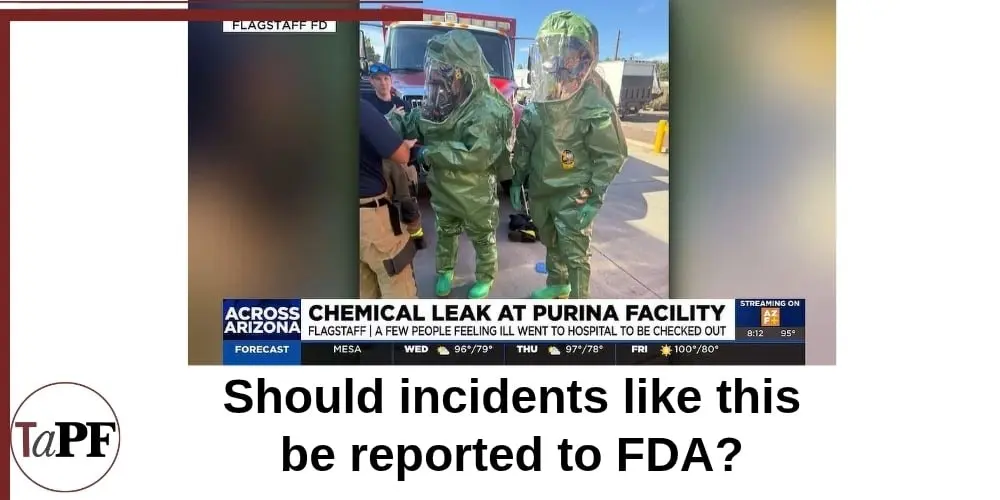
On September 22, 2026, an industrial hazardous materials incident at the Nestlé Purina PetCare manufacturing facility in Flagstaff, Arizona, triggered an immediate evacuation of a key plant sector and sent three workers to a local medical facility. While local fire authorities and corporate spokespersons characterized the event as a contained, 10-gallon chemical spill resulting from an unintended mixture of incompatible substances, the incident has exposed a persistent structural gap in the oversight of animal feed safety in the United States.
Although emergency protocols successfully protected human lives, the event highlights a critical regulatory blind spot: federal and local authorities tasked with responding to workplace hazards—such as local fire departments, hazardous materials (hazmat) units, and the Occupational Safety and Health Administration (OSHA)—operate almost entirely in isolation from the agencies responsible for feed and food safety, including the U.S. Food and Drug Administration (FDA) and state departments of agriculture.
Currently, pet food manufacturers are under no federal mandate to notify food safety regulators when chemical spills, toxic gas releases, or industrial fires occur within processing facilities, provided the event does not trigger an immediate finished-product recall.
As a result, consumer advocacy organizations, led by groups such as the Association for Truth in Pet Food, are renewing calls for integrated cross-agency communication protocols. They argue that unannounced chemical leaks, potential airborne vapor migration, and thermal events present latent risks to pet food ingredients and finished goods—risks that currently escape regulatory scrutiny due to jurisdictional siloing.
Detailed Chronology
[Sept 22, 2026 - Morning]
 ├── Chemical Distribution Line Hazard
 │    └── Incompatible chemicals inadvertently mixed in distribution system
 │    └── Rapid line corrosion triggers 10-gallon localized liquid/gas release
 ├── Evacuation & Emergency Dispatch
 │    └── Boiler room evacuated immediately
 │    └── Flagstaff Fire Dept & Hazmat Team dispatched
 ├── On-Site Triage & Investigation
 │    └── 3 employees evaluated and transported to hospital
 │    └── Hazmat tests air quality; no dangerous lingering gas detected
 └── Resolution & Operational Resumption
      └── All 3 employees discharged and returned to work same day
      └── Building cleared for re-entry; facility resumes standard operations
The Chemical Interaction and Line Failure
During routine operations on September 22, 2026, a mechanical and operational anomaly occurred within the chemical distribution architecture of the Flagstaff facility. According to post-incident hazmat evaluations, a distribution system inadvertently blended two chemicals that are not engineered to come into contact with one another.
The resulting chemical reaction caused localized corrosion within the distribution piping, ultimately breaching the line’s structural integrity. This breach resulted in a spill of approximately 10 gallons of corrosive liquid, accompanied by the localized release of airborne chemical vapors.
Emergency Response and Evacuation
Upon detection of the chemical release, plant safety protocols were initiated. Personnel evacuated the facility’s boiler room—the immediate origin of the leak—and contacted emergency services.
Units from the Flagstaff Fire Department, along with a specialized regional hazmat team, arrived on scene to establish a hot zone, isolate the affected piping, and conduct atmospheric monitoring. Emergency medical service (EMS) teams evaluated personnel on site for potential chemical exposure and inhalation risks.
Medical Evaluations and Facility Clearance
Three Purina employees were transported to a nearby medical facility for secondary clinical evaluation and prophylactic treatment. Air monitoring sweeps conducted by the hazmat team across adjacent structures yielded negative readings for residual toxic gases or volatile organic compounds (VOCs).
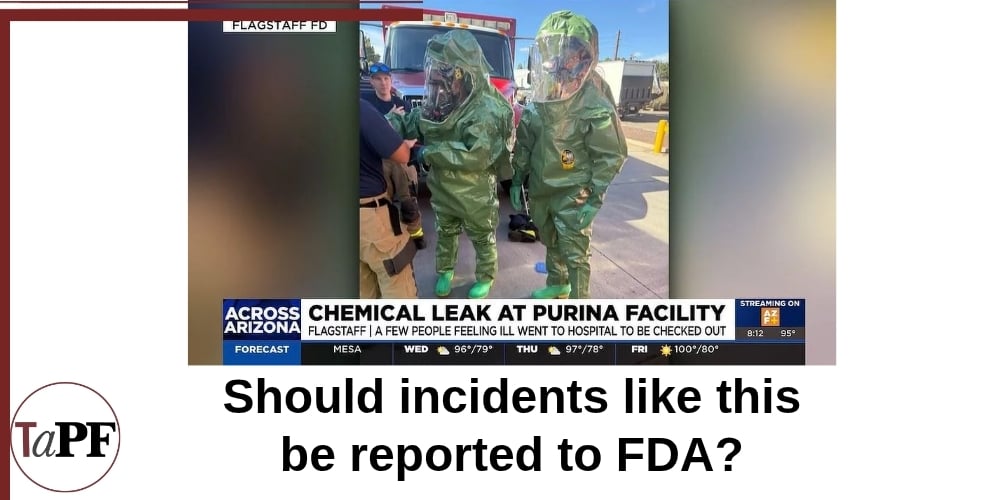
Following atmospheric testing, emergency responders issued an all-clear, permitting facility management to re-occupy the building. All three hospitalized workers were evaluated, cleared without requiring hospital admission, and returned to duty later that same day.
Supporting Context & Metrics
Operational Scale of the Flagstaff Plant
The Nestlé Purina manufacturing plant in Flagstaff, Arizona, represents a pivotal node in North America’s pet food supply chain. The multi-line facility is responsible for high-volume dry kibble and pet treat production across several major commercial product lines:
- Dog Chow (Flagship mainstream canine nutrition)
- Beneful (Mid-tier formulated dry kibble)
- Nestlé Purina ONE (Super-premium specialized diet line)
- Alpo (Traditional value-brand formulations)
- Purina Pro Plan (High-performance veterinary and specialized nutrition)
Because of the high throughput of these production lines, any operational disruption or environmental hazard within the facility carries potential supply chain impacts.
+-----------------------------------------------------------------------------------+
|                        FLAGSTAFF FACILITY PRODUCTION MATRIX                       |
+--------------------------+-----------------------+--------------------------------+
| Brand Line               | Market Category       | Primary Formulation Type       |
+--------------------------+-----------------------+--------------------------------+
| Purina Pro Plan          | Specialized/Vet       | Dry Kibble & Advanced Blends   |
| Purina ONE               | Super-Premium         | Dry Kibble Nutritive Formulas  |
| Beneful                  | Premium Mainstream    | Multi-Texture Dry Formulas     |
| Dog Chow                 | Value Mainstream      | Traditional Dry Kibble         |
| Alpo                     | Economy               | Formulated Dry Diets           |
+--------------------------+-----------------------+--------------------------------+
Industrial Hazards in Pet Food Manufacturing
Pet food manufacturing facilities operate under complex industrial conditions. Processing dry pet food (kibble) involves heavy industrial machinery, high-temperature rendering and baking systems, and dynamic ingredient handling. These processes present distinct structural hazards:
- Combustible Dust Accumulation: The handling of finely ground grains, proteins, and starch meals generates airborne particulates. When suspended in confined spaces at specific concentrations, dry organic dust poses significant deflagration and explosion risks.
- Thermal and Oven Hazards: Industrial extrusion and high-heat drying systems operate continuously at high temperatures. Inadequate thermal management or mechanical failure can ignite organic residue or conveyor belting.
- Chemical Auxiliary Systems: Modern processing plants utilize localized chemical lines for water treatment, boiler maintenance, sanitation, and flavor/fat spraying systems. These lines frequently convey caustic cleaners, acidic descalers, or specialized compounds that require strict segregation.
+-----------------------------------------------------------------------------------+
|                  PET FOOD MANUFACTURING HAZARD PROFILE MATRIX                      |
+----------------------+--------------------------+---------------------------------+
| Hazard Type          | Root Cause               | Primary Regulatory Authority    |
+----------------------+--------------------------+---------------------------------+
| Combustible Dust     | Grain/Meal Particulates  | OSHA / Local Fire Department    |
| Thermal Ignition     | High-Heat Ovens/Dryers   | Local Fire Department           |
| Chemical Corrosion   | Incompatible Blending    | OSHA / EPA / Local Hazmat       |
| Feed Contamination   | Toxic Ingestion/Vapors   | FDA Center for Veterinary Med.  |
+----------------------+--------------------------+---------------------------------+
The Jurisdictional Boundary Problem
The Flagstaff incident highlights a systemic issue in industrial feed manufacturing: jurisdictional fragmentation.
┌─────────────────────────────────────────────────────────────────────────┐
|                     JURISDICTIONAL SILO MODEL                           |
├──────────────────────────────┬──────────────────────────────────────────┤
| Responding Agency            | Statutory Mandate Scope                  |
├──────────────────────────────┼──────────────────────────────────────────┤
| Local Fire Department        | Life Safety, Structural Preservation     |
| OSHA                         | Employee Occupational Health & Safety    |
| U.S. FDA (CVM)               | Product Safety, Adulteration, Feed Integrity|
└──────────────────────────────┴──────────────────────────────────────────┘
When an emergency occurs within a manufacturing plant, responding bodies focus narrowly on their statutory mandates:
- Local Fire & Hazmat: Focused on immediate life safety, fire suppression, and environmental containment outside the perimeter.
- OSHA: Focused exclusively on occupational safety, evaluating whether employee exposure limits were exceeded or safety protocols breached.
- FDA & State Feed Control Officials: Focused on product safety, contamination, and adulteration. However, these agencies are rarely notified of industrial accidents unless a manufacturer voluntarily reports product exposure or initiates a market action.
Historical Precedent: The 2020 Midwestern Pet Foods Case
This jurisdictional separation is not unprecedented. During the 2020 Midwestern Pet Foods aflatoxin contamination event—which resulted in dozens of canine fatalities across the United States—subsequent inquiries revealed that federal regulatory oversight remained divided.
When consumer advocates questioned whether the FDA had informed OSHA regarding extreme levels of airborne aflatoxin-contaminated corn dust within processing plants (which poses severe occupational inhalation risks to factory workers), agency records indicated no formal inter-agency notification had taken place. The FDA cited statutory limitations, maintaining that worker safety fell outside its regulatory mandate, just as OSHA maintains that animal feed safety falls outside its own.
Official Statements
Nestlé Purina Corporate Response
In an official statement addressing the September 22 event, a representative for Nestlé Purina detailed the localized nature of the incident and emphasized the efficacy of the facility’s safety controls:

"The Flagstaff factory encountered a small, 10-gallon chemical spill that caused an immediate evacuation of the boiler room, which is not connected to pet food production. The Flagstaff Fire Department was called to evaluate the situation.
Upon arrival, the Fire Department detected no trace of a dangerous gas and gave the all-clear to re-enter the building. Three associates visited a nearby hospital yet none were admitted and all returned to work later in the day."
Purina stressed that the incident was restricted to auxiliary support infrastructure (the boiler room), ensuring physical isolation from raw ingredient storage, processing extruders, and packaging halls.
Consumer Advocacy Analysis
Susan Thixton, a prominent pet food safety advocate and founder of TruthaboutPetFood.com and the Association for Truth in Pet Food, published a critique of the industry’s reporting norms following the event. Thixton argued that reliance on self-reporting leaves open questions regarding potential airborne drift and indirect contamination:
"Purina has not disclosed what those ‘two chemicals’ were and has not disclosed if any pet food ingredients or finished pet foods were exposed to the ‘dangerous gas’… Dry pet food plants call their local fire department more often than you might think… Most of these incidents we never hear about—but should we?
When the fire department arrives at a pet food plant, their concern is the employees and the building—not the pet food or ingredients… To our knowledge, none of these incidents are required to be reported to FDA or state pet food authorities in order for someone to assure the safety of the pet food or ingredients.
Authorities from all sides should think outside the box and consider the big picture… All it would take is a quick email notification, or a 30-second phone call to alert those responsible for employee safety or pet food safety."
Policy Gaps & Broader Implications
The Flagstaff incident raises important questions for policy makers, regulatory bodies, and consumer protection advocates regarding how industrial feed facilities are monitored.
                      CURRENT INFORMATIONAL FLOW
┌──────────────────┐      Occupational Hazards     ┌──────────────────┐
│  Factory Event   │ ────────────────────────────> │  OSHA / Fire Dept│
└──────────────────┘                               └──────────────────┘
         │
         │ (No Mandatory Inter-Agency Reporting Line)
         ▼
┌──────────────────┐
│ FDA / State Feed │ ◄── [Information Blackout Unless Recall Initiated]
│    Regulators    │
└──────────────────┘
1. The Risk of Unmonitored Secondary Contamination
In industrial food and feed processing, airborne gases, fine particulate interactions, and water-based chemical suppressants do not always remain neatly contained within isolated utility rooms. Highly volatile chemicals can migrate through shared HVAC ducting, utility conduits, or pressurization differentials into processing bays.
Without mandatory environmental sampling overseen by food safety authorities following a chemical event, public health officials must rely entirely on internal corporate assurances that ingredients, packaging materials, or processing lines were not compromised.
2. The Asymmetry of Reporting Mandates
Under the Food Safety Modernization Act (FSMA) and the Reportable Food Registry (RFR), feed manufacturers are legally obligated to notify the FDA within 24 hours if there is a reasonable probability that an article of food will cause serious adverse health consequences or death to humans or animals.
However, this reporting requirement applies almost exclusively to tested, identified hazards in the end-product or raw supply chain. It generally does not extend to internal factory incidents—such as fires, chemical line breaches, or boiler malfunctions—unless the manufacturer self-determines that the event impacted product safety.
3. Structural Solutions for Cross-Agency Visibility
To resolve these jurisdictional gaps, policy experts and consumer advocacy organizations suggest several potential reforms:
- Automated Cross-Agency Dispatch Notifications: Establishing municipal protocols that automatically send copy-notifications to regional FDA district directors and state feed control officials whenever emergency services respond to industrial food facilities.
- Mandatory Environmental Clearance Audits: Amending animal feed manufacturing regulations to require third-party environmental air and surface testing after any Level 2 or higher Hazmat response within a manufacturing complex.
- Integrated OSHA-FDA Memorandums of Understanding (MOUs): Formalizing inter-agency communication channels, mandating that worker-safety inspectors report potential feed-safety anomalies to the FDA, and vice versa.
Future Outlook
The September 22 chemical spill at Purina’s Flagstaff plant concluded without serious worker injuries or verified product safety compromises. Nevertheless, the event serves as a case study in the systemic opacity of modern industrial feed manufacturing operations.
As consumers demand greater transparency regarding how pet food is produced, regulatory frameworks may face pressure to evolve beyond siloed operational models. Establishing real-time, cross-agency communication networks between emergency responders, occupational health officers, and agricultural regulators could prove essential to securing the nation’s pet food supply chain against unforeseen industrial hazards.
Until such regulatory reforms are codified, the responsibility for identifying potential cross-contamination risks following industrial accidents remains largely with the manufacturers themselves—a dynamic that advocates argue requires greater public visibility and independent regulatory oversight.