
Executive Overview
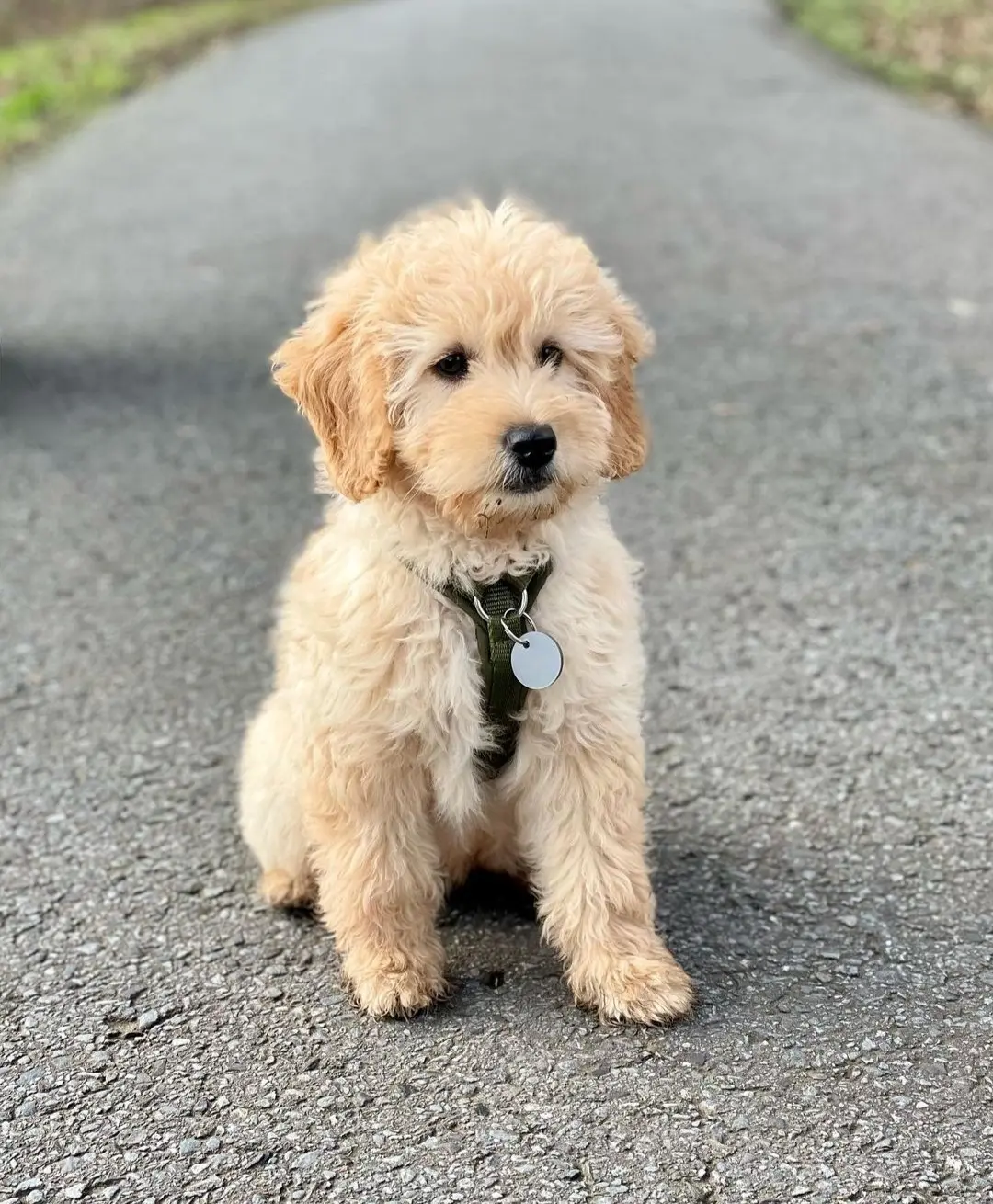
To the uninitiated, the alphabet soup of the canine breeding world—terms like F1, F1B, F2, and Multigen—can read like a complex genetic code. For prospective pet parents, however, understanding these designations is the critical first step in predicting a puppy’s adult size, coat type, temperament, and suitability for allergy sufferers. The Goldendoodle, a cross between the Golden Retriever and the Standard, Miniature, or Toy Poodle, has secured its place as one of the most beloved companion animals in the modern household. Yet, beneath their teddy-bear exterior lies a complex web of genetics that varies significantly from one generation to the next.
This investigative report delves deep into the science of Goldendoodle breeding. By examining the distinct lineages—ranging from the foundational F1 cross to the highly Poodle-dominant F1BB and the unpredictable F2 and multigenerational lines—we aim to dispel common myths, evaluate hypoallergenic claims, and provide an authoritative guide for prospective owners navigating the pet adoption landscape.
Detailed Chronology: Decoding the Generations
The nomenclature of hybrid breeding relies on a specific system of letters and numbers to denote ancestry and genetic composition. To understand what a puppy will look like, shed, and act like as an adult, one must trace its lineage back through its parents and grandparents.
The F1 Generation: The Foundation Cross
The F1 Goldendoodle represents the first-generation hybrid, created by breeding a purebred Golden Retriever with a purebred Poodle. This results in a direct 50-50 genetic split.
- Characteristics & Temperament: F1 Goldendoodles are widely celebrated as the quintessential family pet. They inherit the affable, gentle nature of the Golden Retriever and the sharp intellect of the Poodle. However, their deep attachment to humans makes them prone to separation anxiety.
- Coat & Shedding: While they shed significantly less than a purebred Golden Retriever, an F1 coat does not guarantee a hypoallergenic experience. Their coats typically range from wavy to curly and require regular brushing to prevent painful matting.
- Health & Hybrid Vigor: As a direct cross of two purebred lines, F1 dogs often benefit most from "hybrid vigor"—a phenomenon where first-generation crosses display enhanced health and reduced risks of inherited genetic defects, though they can still inherit predispositions common to both parent breeds.
The F1B Generation: The Backcross for Allergy Sufferers
The "B" in F1B stands for backcross. This occurs when an F1 Goldendoodle is bred back to one of its original purebred parent breeds—most commonly a Poodle.
- Genetic Makeup: This breeding strategy yields a puppy that is roughly 75% Poodle and 25% Golden Retriever.
- Coat & Hypoallergenic Potential: Because of the dominant Poodle genetics, F1B Goldendoodles exhibit significantly reduced shedding. They are widely considered the gold standard for owners with moderate-to-severe dog allergies.
- Temperament & Physical Traits: These dogs retain the loyalty and high intelligence of their forebears, though their high energy levels can manifest as destructive chewing if not properly channeled with interactive toys and rigorous exercise.
The F1BB Generation: Maximum Poodle Influence
Taking the backcross concept one step further, the F1BB generation is produced by crossing an F1B Goldendoodle with a purebred Poodle.

- Genetic Makeup: The resulting puppy is 87.5% Poodle and only 12.5% Golden Retriever.
- Shedding & Suitability: For households where dander and shedding are absolute dealbreakers, the F1BB is frequently the most reliable choice. Their tighter, curlier coats act as a trap for loose hairs, preventing them from scattering across furniture and carpets.
The F2 and F2B Generations: The Second-Generation Cross
An F2 Goldendoodle is produced by breeding two F1 Goldendoodles together, maintaining the 50-50 theoretical genetic split. An F2B involves breeding an F1 with an F1B.
- Unpredictability: While F2 dogs still average a balanced genetic mix, the wider gene pool introduces greater unpredictability. Litters can display a wide array of coat types—ranging from straight and flat to wavy and curly—alongside diverse color variations from deep red to cream.
- Socialization Requirements: F2 dogs require rigorous early socialization. Their playful and occasionally mischievous demeanor must be guided through structured environments, such as puppy kindergarten and exposure to diverse social stimuli.
F3 and Multigenerational (Multigen) Goldendoodles
F3 Goldendoodles are the third generation in the lineage, bred from two F2 dogs. Multigens represent any cross beyond the third generation.
- Rarity & Stability: True multigenerational breeding aims to lock in specific traits—such as non-shedding coats and predictable sizes—across multiple generations. However, breeding these lines requires meticulous pedigree tracking to avoid unintended genetic bottlenecks.
Supporting Context & Metrics: Size, Care, and Health
Navigating ownership requires a clear understanding of the physical and operational realities of raising a Goldendoodle.
Size Classifications
Goldendoodles are not a one-size-fits-all breed; their physical dimensions depend heavily on the type of Poodle used in their lineage:
- Toy/Micro Goldendoodles: Typically standing under 14 inches and weighing between 10 and 15 pounds.
- Miniature Goldendoodles: Generally standing 14 to 17 inches tall and weighing between 15 and 35 pounds (F1B minis being the most common).
- Medium to Standard Goldendoodles: Ranging from 40 to over 90 pounds, with full-grown F1 standards requiring substantial living space and physical boundaries.
Exercise and Mental Stimulation Metrics
Goldendoodles are high-energy working crosses that require structured daily outlets:
- Physical Activity: A minimum of 30 to 60 minutes of moderate-to-vigorous exercise daily. This can be split into multiple walks or vigorous fetch sessions.
- Mental Enrichment: Because of their high problem-solving capacity, boredom leads quickly to destructive behaviors. Puzzle toys, obedience training, and agility work are strongly recommended.
Grooming Regimens
The maintenance required for a Goldendoodle coat should not be underestimated:

- Brushing: Curly and wavy coats must be brushed multiple times a week to prevent matting down to the skin.
- Professional Grooming: Trims and clips are generally required every 6 to 8 weeks.
- Bathing Frequency: Excessive bathing should be avoided; stripping natural oils leads to dry, irritated skin. A bath every 4 to 6 weeks is typically sufficient.
Official Statements & Expert Perspectives
Veterinary professionals and canine geneticists consistently emphasize that hybrid breeds do not eliminate the baseline responsibilities of dog ownership.
"While backcrossing generations like the F1B or F1BB significantly increases the likelihood of a low-shedding coat, prospective owners must understand that no dog is 100% hypoallergenic," notes a leading small-animal veterinarian. "Allergies are triggered by proteins found in a dog’s dander, saliva, and urine—not just their fur. Breeders who guarantee a completely allergy-free animal are ignoring basic biology."
Furthermore, canine health organizations stress that hybrid vigor is not a shield against all inherited ailments. Ethical breeders must screen parent stock for common genetic conditions across both foundation breeds, including:
- Hip and Elbow Dysplasia
- Progressive Retinal Atrophy (PRA) and other eye disorders
- Von Willebrand’s Disease (a blood-clotting disorder)
- Idiopathic Epilepsy
Future Outlook: The Evolution of Doodle Breeding
As the demand for designer dogs continues to surge globally, the future of Goldendoodle breeding is moving toward standardization and ethical accountability. Historically criticized by kennel clubs as glorified mutts, progressive breeders are now forming official registries, establishing breed standards, and utilizing advanced DNA health-testing panels before pairing dogs.
The trend is shifting away from casual backyard breeding toward structured multigenerational programs designed to ensure predictable temperaments, robust health, and standardized coat types. For prospective pet parents, the future looks increasingly transparent, provided they do their due diligence in vetting breeders. Understanding the distinctions between an F1, F1B, and Multigen Goldendoodle is no longer just trivia—it is the foundational knowledge required to build a healthy, harmonious, and lifelong relationship with your future canine companion.