
Executive Overview
When the mind conjures an image of a dedicated guide or assistance dog navigating a bustling thoroughfare, stepping onto a crowded subway car, or patiently waiting under a restaurant table, that mental picture almost invariably features a Labrador Retriever. For decades, this robust and affable breed has served as the undisputed cornerstone of professional assistance dog organizations worldwide.
This prevalence is far from accidental. The modern Labrador Retriever represents an evolutionary convergence of temperament, trainability, physical resilience, and an innate, profound desire to collaborate with humans. Organizations such as Dogs Inc evaluate candidates on an individual basis—recognizing that breed alone does not guarantee success—yet the intrinsic traits of the Labrador provide an exceptionally strong foundation for the rigorous demands of public access and task-oriented work.
Operating in high-stakes environments requires emotional stability, environmental resilience, and deep cognitive flexibility. From navigating chaotic airport terminals to executing complex mitigation tasks for individuals with disabilities, working dogs must remain unfazed by unexpected sensory inputs. This comprehensive examination explores why Labrador Retrievers continue to lead the field of canine assistance, detailing their temperament, the evolution of their training, the physical and genetic frameworks that sustain them, and the meticulous selection processes that transform a playful puppy into a life-changing partner.

Detailed Chronology: From Working Ancestors to Modern Assistance Pioneers
The journey of the Labrador Retriever from coastal utility dog to elite assistance professional spans centuries of selective breeding, historical adaptation, and institutional refinement. Understanding how these dogs developed requires tracing their trajectory across distinct eras of human-canine partnership.
1. The Pre-Modern Era: The Lesser Newfoundland and Coastal Roots (Pre-19th Century)
Long before they wore specialized harness gear or entered institutional training academies, the ancestors of the modern Labrador were forged in the freezing waters of the North Atlantic. Originating primarily from Newfoundland, these dogs—often historically referred to as St. John’s water dogs or the Lesser Newfoundland—worked side-by-side with fishermen.
- The Original Task: Their primary duties included retrieving escaped fish, hauling heavy nets through icy surf, and fetching loose towlines.
- The Selection Pressures: This environment favored dogs with dense, water-resistant double coats, powerful webbed paws, tireless endurance, and a soft mouth for retrieving objects without damaging them. More importantly, it required an animal capable of independent problem-solving combined with instant obedience to human handlers out at sea.
2. The 19th-to-20th Century Transition: Refining the Breed Standard
As these working dogs were imported to Great Britain in the 19th century—largely through the estates of English and Scottish nobility who recognized their peerless retrieving instincts—they were systematically bred and refined into the distinct breed known today as the Labrador Retriever.
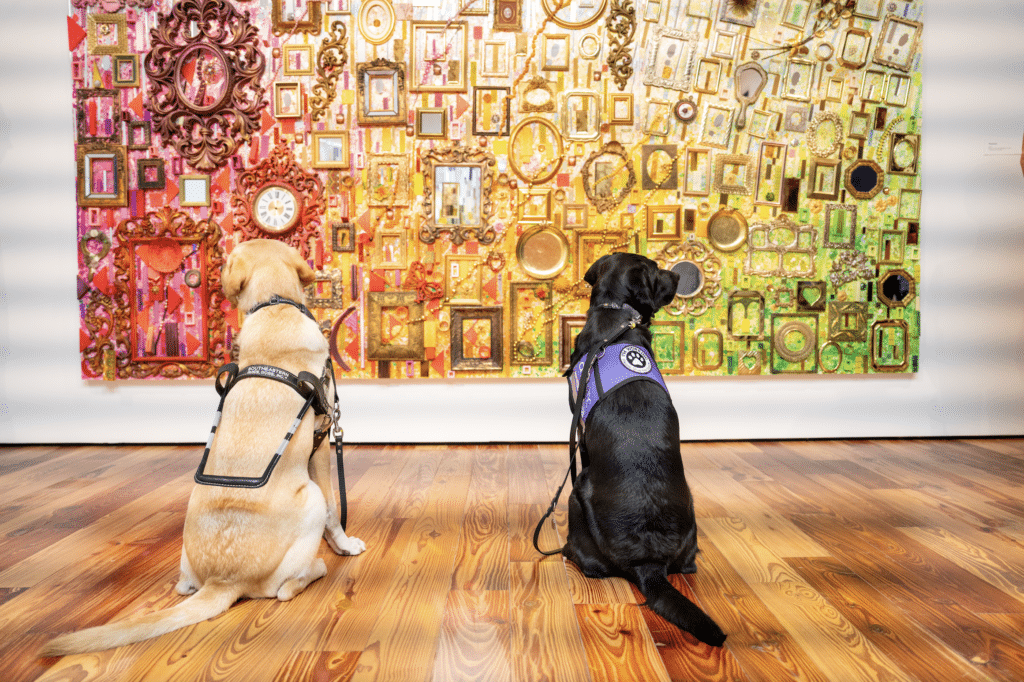
- Formal Recognition: The UK Kennel Club officially recognized the breed in 1903, followed by the American Kennel Club (AKC) in 1917.
- The Shift to Sport: While initially prized exclusively for upland game and waterfowl hunting, breeders maintained the dog’s exceptional biddability, focus, and eagerness to please—traits that would eventually capture the attention of early pioneers in the assistance dog movement.
3. The Mid-20th Century: The Birth of Formal Guide Dog Movements
As the modern disability rights movement began to take shape—accelerated significantly by the needs of veterans returning from World War II with visual impairments and physical trauma—organized guide and service dog training schools emerged.
- Institutional Evaluation: Early trainers experimented with various herding, hound, and working breeds. However, organizations quickly realized that many breeds possessed independent streaks or defensive instincts that clashed with the serene, non-reactive behavior required in public spaces.
- The Rise of the Lab: The Labrador Retriever’s calm demeanor, stable nervous system, and deep-seated motivation to work with humans quickly elevated them to the forefront of these pioneering programs, cementing a legacy that persists today.
Supporting Context & Metrics: Defining the Working Dog Standard
To understand why Labrador Retrievers excel, one must first define the complex behavioral and physical profile required of a modern assistance dog. The criteria are exceptionally demanding.
The Anatomy of a Working Temperament
A successful guide or service dog must possess a delicate balance of confidence and compliance. Key components of this temperament include:
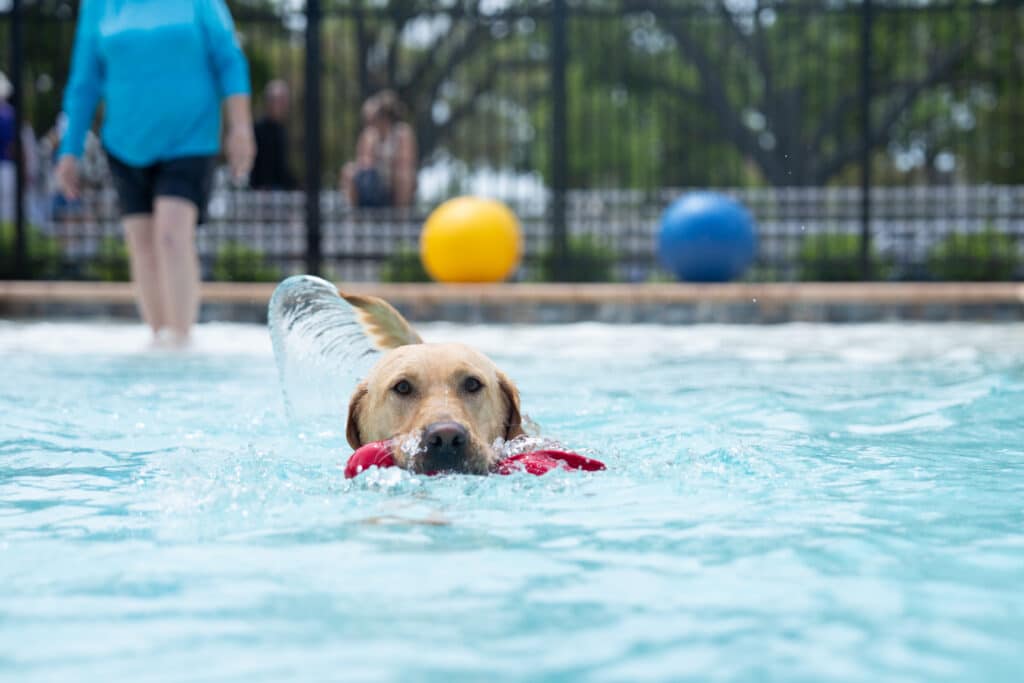
- Emotional Stability and Resilience: Working dogs encounter sudden loud noises, erratic human crowds, flashing lights, and unexpected obstacles. A suitable candidate must recover rapidly from startle reflexes without showing lingering anxiety or defensive aggression.
- Task Focus: In a crowded shopping mall or university lecture hall, the dog must maintain absolute concentration on its handler’s commands and environmental cues, ignoring distractions ranging from dropped food to interacting pets.
- Prosocial Adaptability: The dog must seamlessly transition from active guidance to resting quietly under a desk or seat for hours at a time, displaying patience and low arousal levels indoors.
Statistical Demographics and Physical Specifications
According to long-term registry data from organizations like the AKC, Labrador Retrievers have maintained their position as one of the most popular dog breeds in the United States for over three decades. This immense population pool provides professional breeding programs with a broad genetic base to select for health, temperament, and structure.
| Metric / Attribute | Specification |
|---|---|
| Adult Weight Range | 55 to 80 pounds (depending on sex and lineage) |
| Life Expectancy | 10 to 14 years |
| Coat Type | Dense, water-resistant double coat (Yellow, Black, Chocolate) |
| Primary Working Drive | High retrieval and human-collaboration drive; low predatory aggression |
| Common Health Screenings | Hip/Elbow Dysplasia, Progressive Retinal Atrophy (PRA), Hereditary Myopathy |
Official Statements and Institutional Perspectives: The Philosophy of Selection
Professional training organizations employ rigorous, science-based protocols to evaluate every candidate. Rather than relying solely on breed stereotypes, institutions like Dogs Inc implement continuous behavioral tracking from birth through adulthood.
The Individual Evaluation Paradigm
Industry leaders emphasize that breed is merely a starting point. While Labrador Retrievers, Golden Retrievers, and crosses between the two dominate assistance programs due to historical success rates, every puppy is assessed as an individual.

"Breed heritage provides a valuable roadmap, giving us a head start on trainability and social orientation," notes an institutional training coordinator. "However, true working potential is revealed through ongoing behavioral assessments. We look at how a puppy handles novel stimuli, how quickly it bounces back from a startling event, and—most importantly—how naturally it turns its attention toward human cues when faced with a challenge."
The Science of Positive Reinforcement
Modern guide and service dog development relies heavily on reward-based conditioning, clear communication, and progressive shaping. Because Labrador Retrievers are famously food- and praise-motivated, trainers can utilize positive reinforcement effectively to build complex behavioral chains. This builds a trusting, cooperative dynamic rather than one based on avoidance or intimidation, ensuring the dog works out of genuine enthusiasm and partnership.
Future Outlook: The Evolution of Canine Assistance
As the scope of assistance dog work expands beyond traditional guide roles to include psychiatric service work, mobility support, medical alert capabilities (such as detecting glycemic fluctuations or cardiac episodes), and autism support, the demands placed on working dogs are shifting.
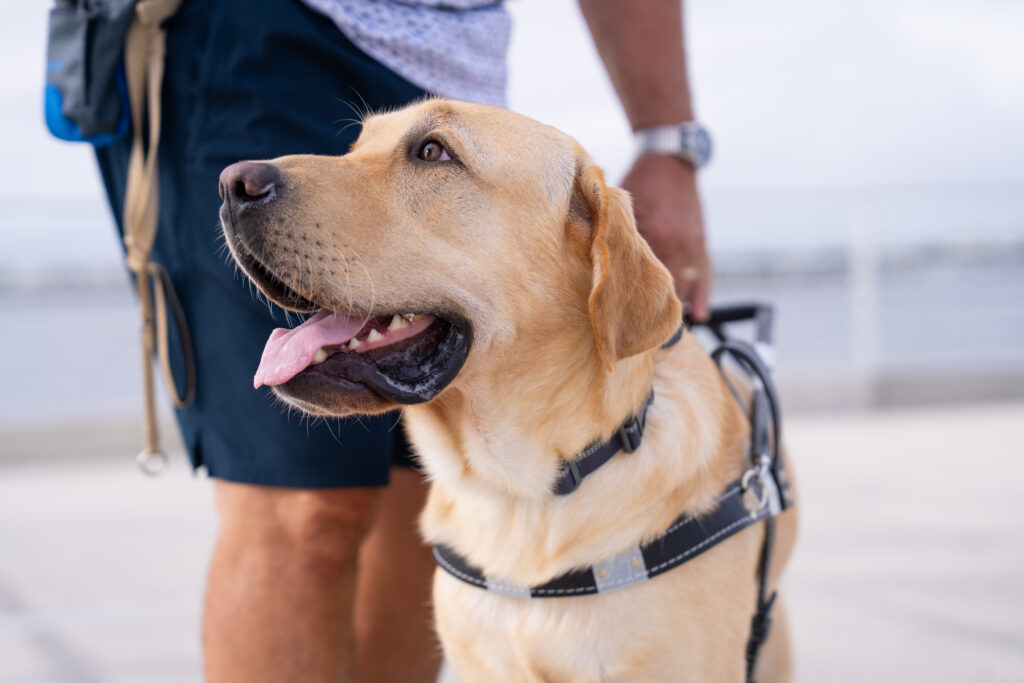
Expanding Roles and Cognitive Demands
Future assistance dogs require even greater emotional nuance. Psychiatric service dogs, for example, must monitor subtle shifts in human physiology and micro-expressions, executing grounding tasks during panic attacks or sensory overloads. Labrador Retrievers are exceptionally well-positioned to meet these evolving needs due to their high emotional intelligence and sensitivity to human moods.
Advanced Genetics and Health Preservation
Looking ahead, the long-term sustainability of working Labrador populations relies heavily on advanced genetic tracking. Organizations are increasingly utilizing DNA microarray testing to screen out hereditary disorders before breeding pairs are matched. This scientific rigor ensures that future generations of working Labs are not only temperamentally sound but physically robust enough to endure years of demanding public access work without premature joint degradation or systemic illness.
Conclusion
The enduring prominence of the Labrador Retriever in the realm of guide and service dog work is no accident of history. It is the result of a rare harmony between physical resilience, cognitive adaptability, and a profound, evolutionary predisposition to partner with humanity. From their origins hauling nets in the North Atlantic to their modern roles guiding individuals through complex urban landscapes, Labs have proven their worth time and time again.
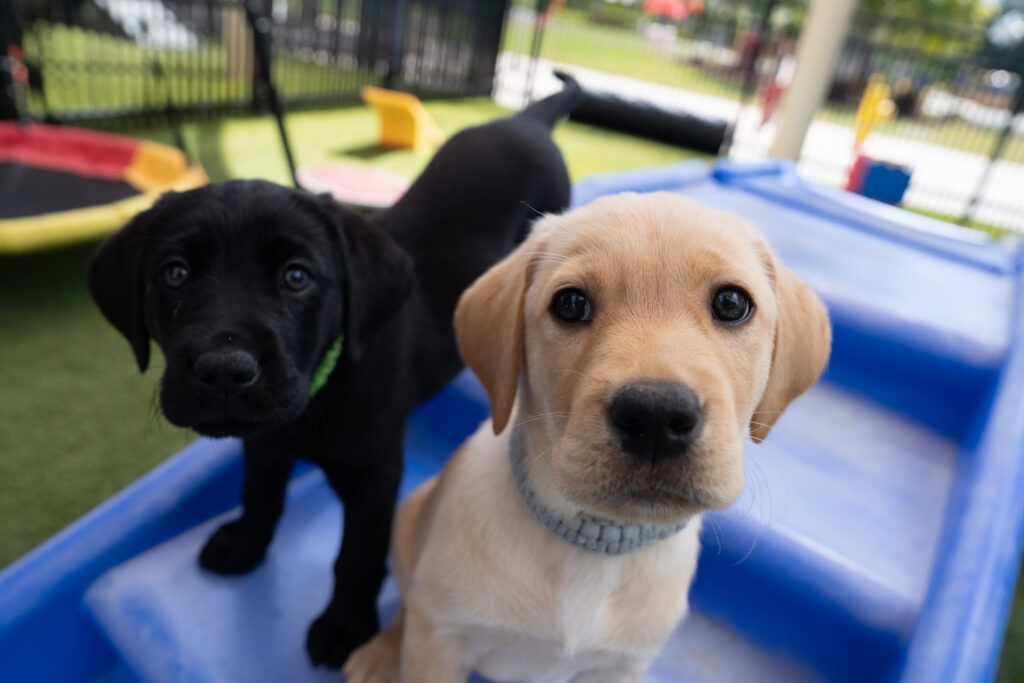
Yet, behind every exceptional Labrador service dog lies a meticulous ecosystem of early socialization, professional evaluation, compassionate training, and lifelong veterinary care. While not every puppy makes the final cut for professional working life, those that do represent the pinnacle of canine-human cooperation—transforming lives and championing independence one step at a time.