
Executive Overview
For centuries, human mythology regarding the domestic cat (Felis catus) has leaned heavily on caricatures of indifference. Popular culture frequently contrasts the eager, tail-wagging devotion of the dog with the aloof, self-sufficient demeanor of the cat, cementing the persistent cultural misconception that felines view their human companions merely as convenient staff or thermal dispensers. However, a growing body of modern behavioral science is systematically dismantling this myth.
At the center of this paradigm shift is groundbreaking research—most notably a landmark 2019 attachment study conducted by Oregon State University—which reveals that cats form genuine, complex emotional attachments to their owners. Far from being hermetic loners indifferent to human absence, felines experience emotional distress, longing, and profound relief when separated from and reunited with their preferred human companions.
When an owner steps out the door for work, an errand, or a vacation, their feline companion embarks on an invisible psychological journey. Understanding this journey requires looking past the quiet exterior to recognize the subtle, highly nuanced behavioral indicators cats use to communicate missing their humans. From persistent vocalizations and shadow-following to unexpected biological protests and subtle tail movements, this comprehensive investigation examines the precise ways cats express attachment, the neurobiology behind their separation anxiety, and how owners can foster a more secure, emotionally enriching environment for their whiskered companions.
Detailed Chronology: The Arc of Feline Separation and Reunion
To truly grasp how cats process human absence, animal behaviorists suggest mapping the timeline of a typical day in a home shared by a human and a cat. The feline psychological experience during an owner’s absence is not a flat line of indifference; rather, it unfolds across distinct temporal phases characterized by anticipation, adaptation, distress, and exuberant recovery.
Phase 1: The Departure and Early Window Watching
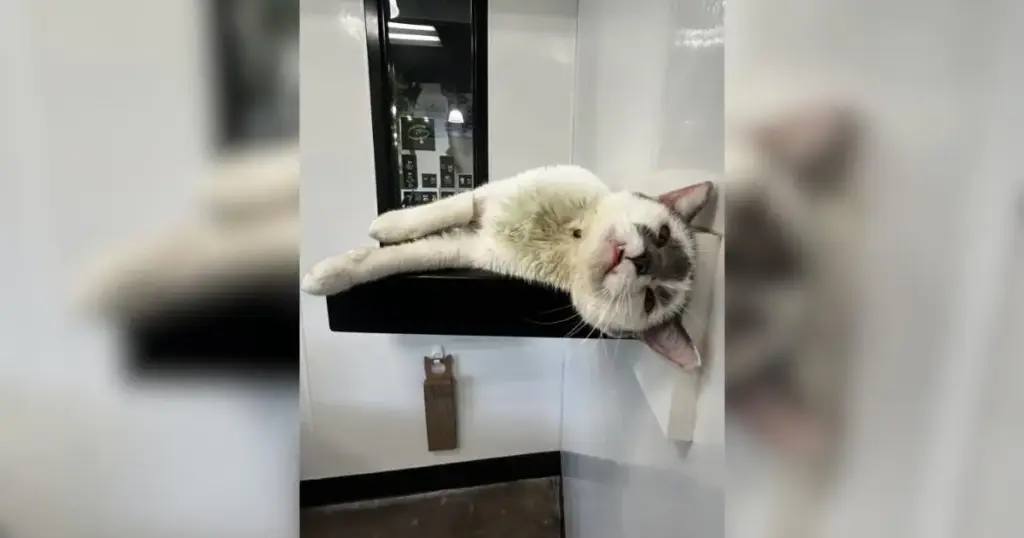
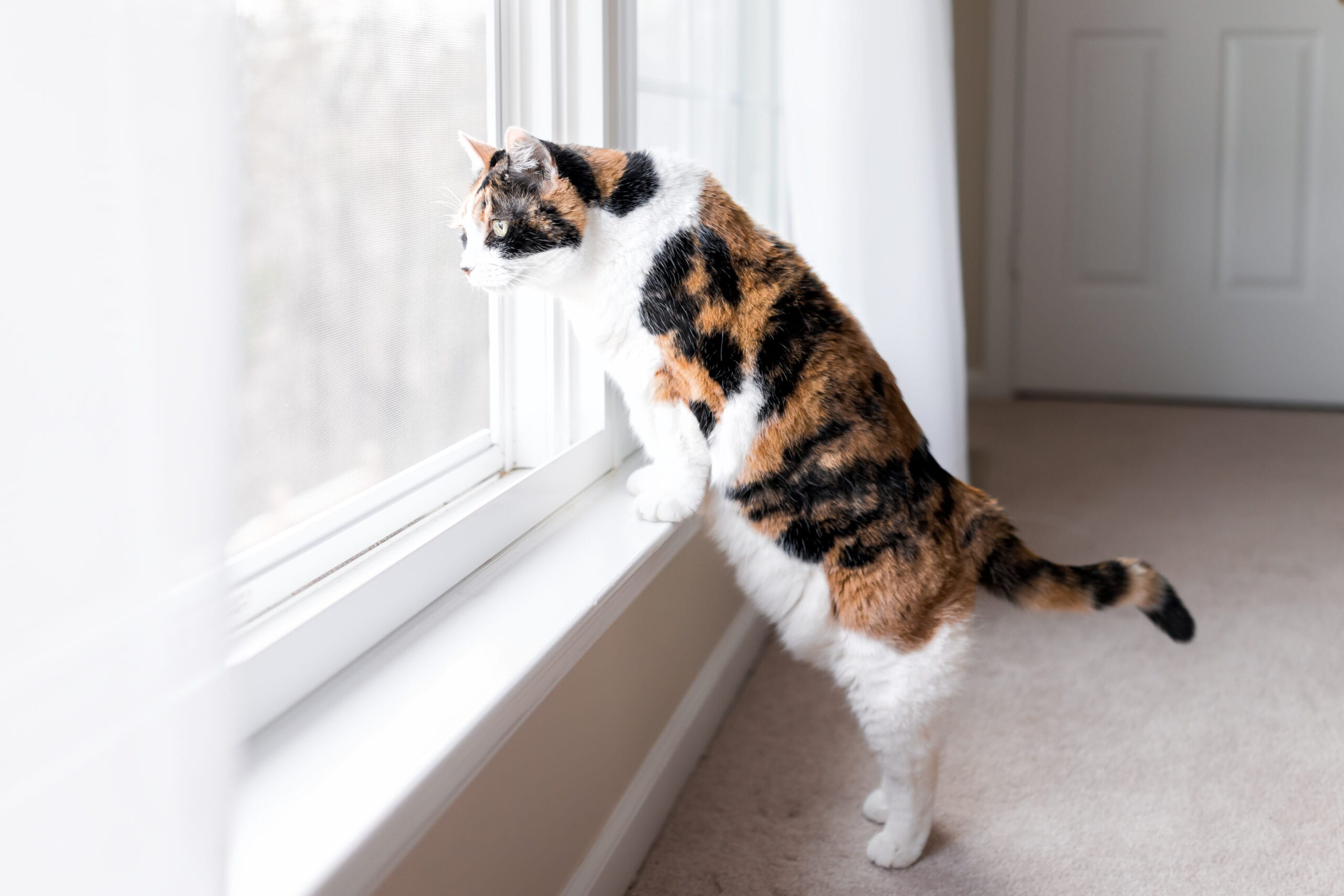
In the immediate aftermath of an owner’s departure, many cats gravitate toward strategic vantage points, most notably windowsills and entryways. Window watching serves a dual purpose: it offers essential environmental enrichment during a period of sensory deprivation, but it also functions as a vigil. Felines have remarkable internal clocks and keen auditory and visual memory. They quickly learn the routines of their humans, mapping the precise sounds of car doors closing, garage doors opening, or footsteps receding down a hallway.
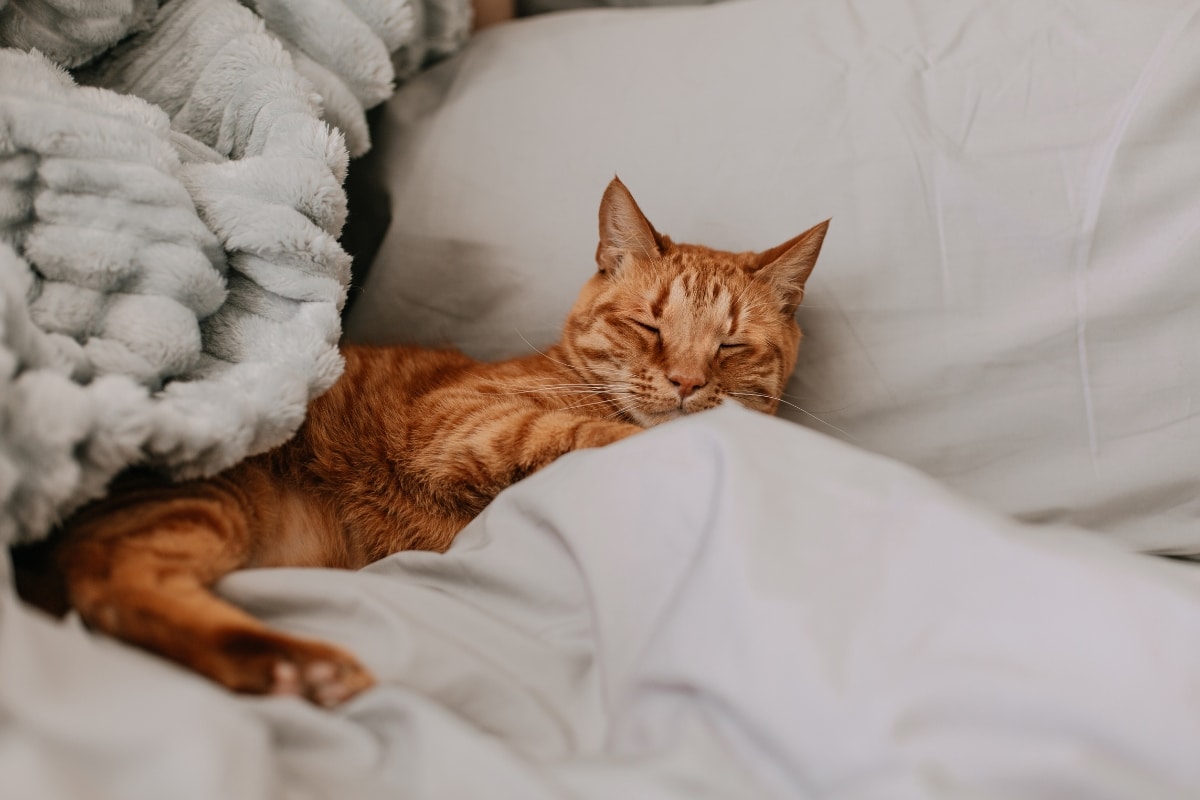
During the first hour of absence, a cat’s cortisol levels may experience a subtle spike as they adjust to the sudden silence. Positioning themselves near windows or sleeping in spots heavily saturated with the owner’s scent—such as unwashed laundry, desk chairs, or the center of the human bed—allows the cat to seek psychological comfort. This behavior aligns closely with findings from the Cornell Feline Health Center and veterinary behaviorists, who note that scent is a cat’s primary anchor to safety and familiarity.
Phase 2: The Mid-Day Lull and Adaptation
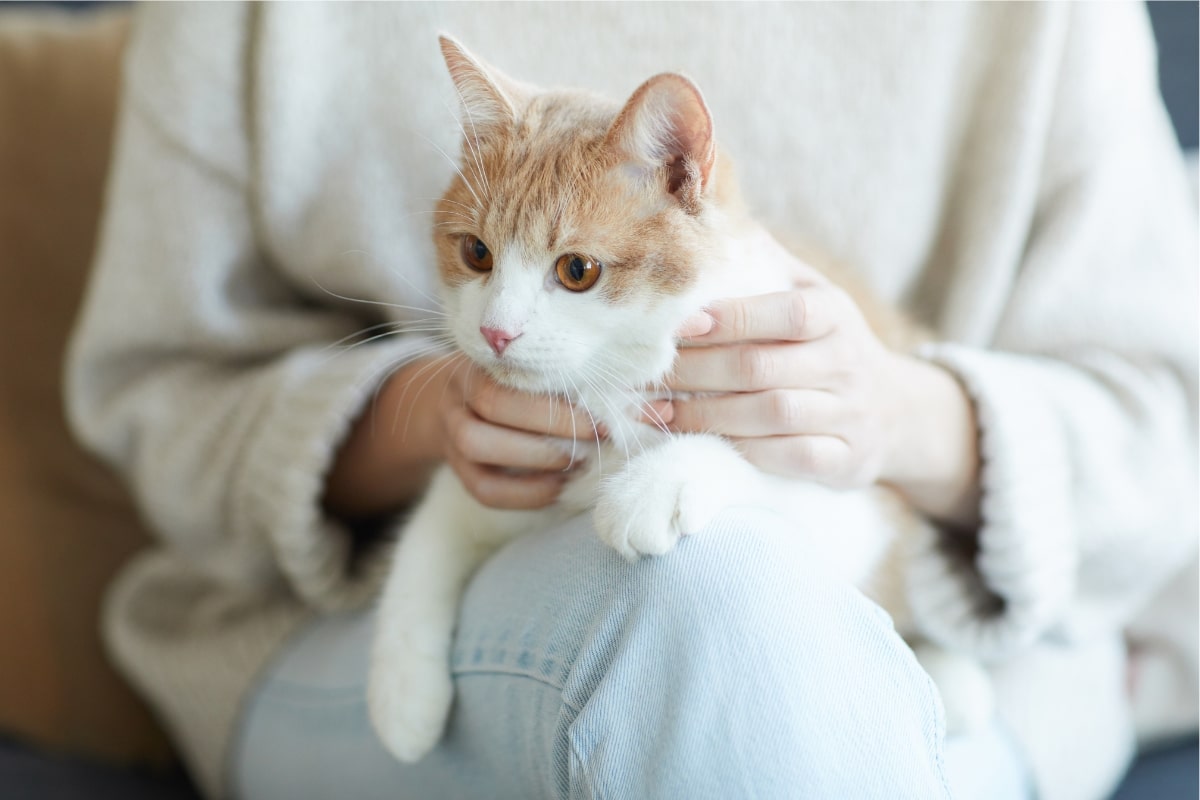
As hours pass, most healthy adult cats transition into a state of energy conservation, spending a significant portion of the day sleeping. However, this sleep is often functional rather than restorative; it serves as a coping mechanism for mild, chronic under-stimulation and separation distress.
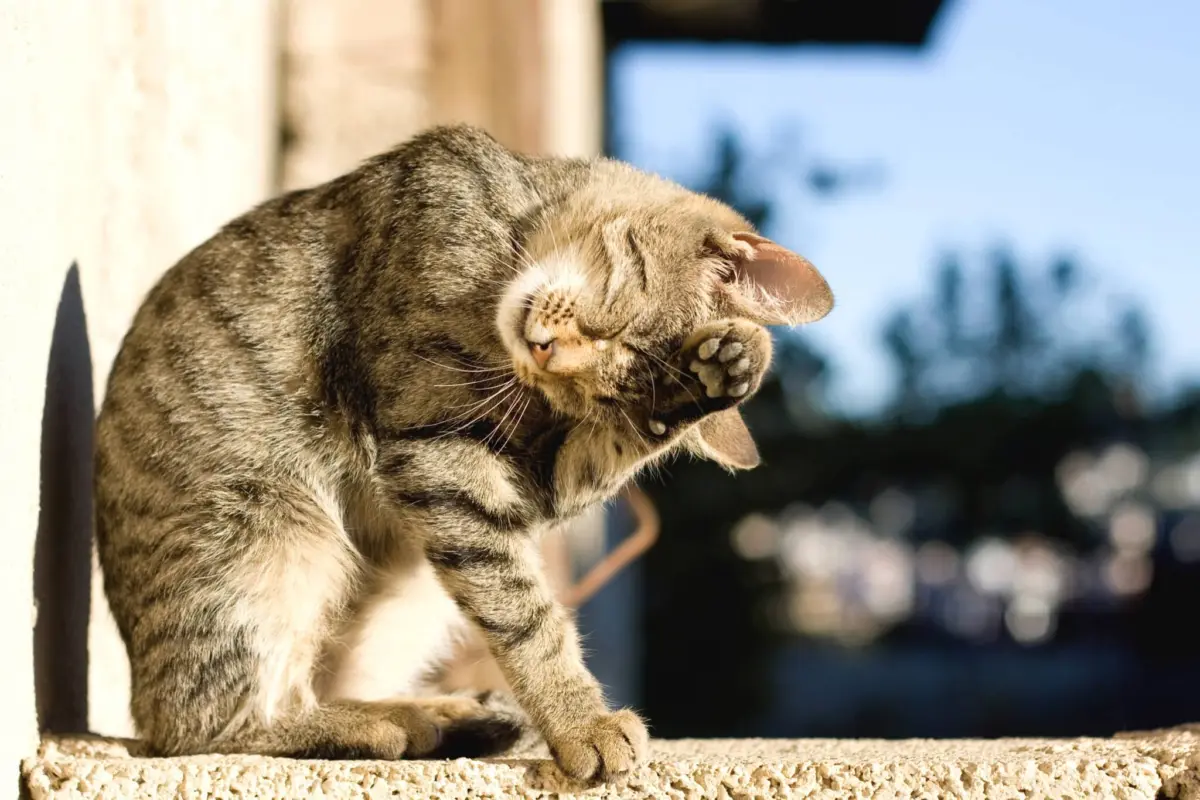
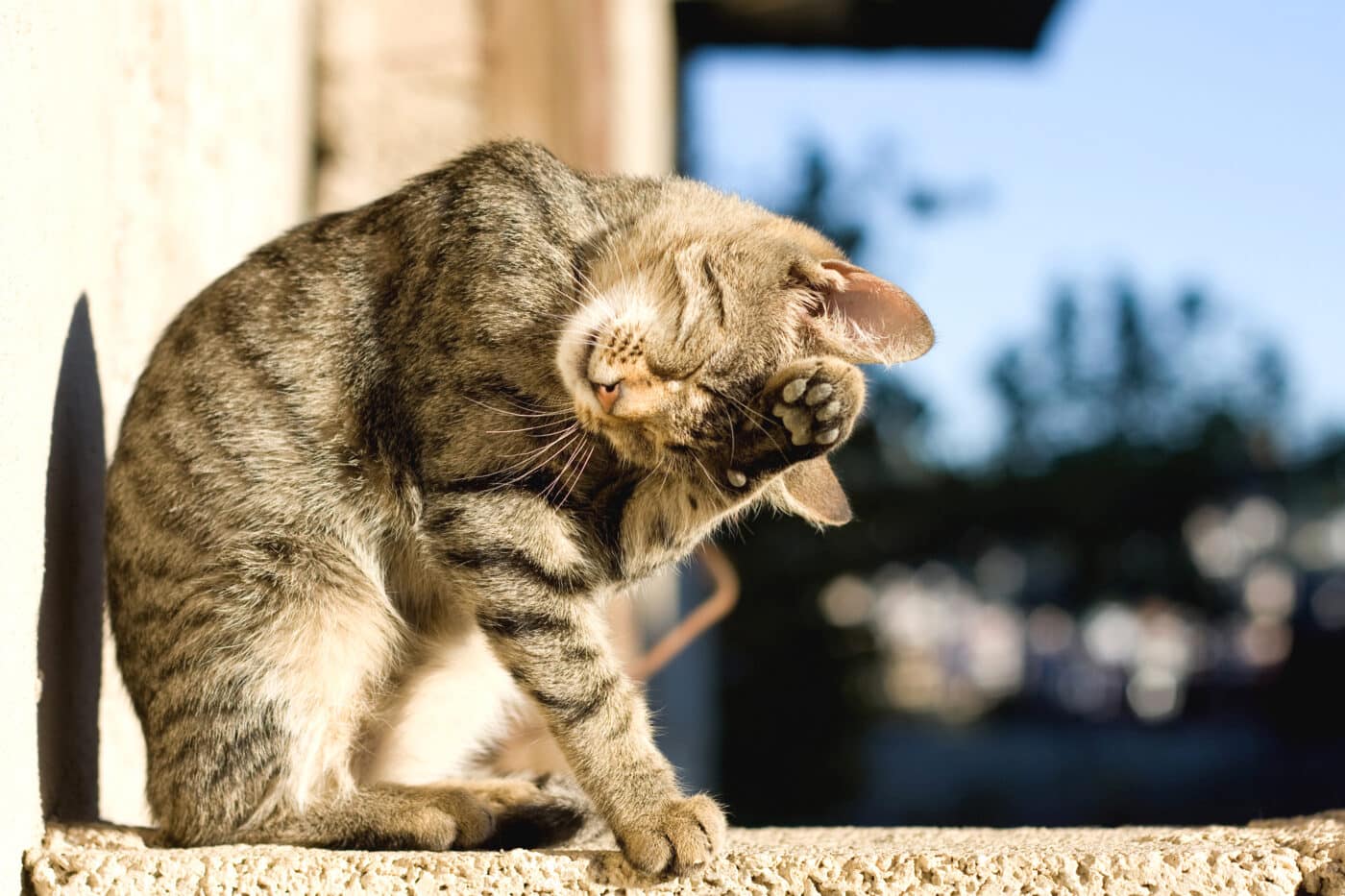
During this phase, subtle behavioral shifts may occur in more sensitive cats. Some individuals begin pacing, while others exhibit stress-induced maintenance behaviors, such as over-grooming. In multi-human households, a cat may seek out the secondary human or direct their attention elsewhere, but in single-person households, the absence of auditory and olfactory human cues can lead to a baseline state of anxious vigilance.
Phase 3: The Anticipatory Buildup
Approximately 30 minutes to an hour before the owner’s typical return time, behavioral patterns shift noticeably. Because cats are creatures of habit who anchor their days to predictable schedules, those who have spent the afternoon resting or wandering may return to the primary vantage points. Their senses become hyper-tuned to the environment, listening for the familiar cadence of a returning vehicle or the click of a key in the front door.
Phase 4: The Reunion Symphony
The moment the door opens, the pent-up emotional reservoir of the day breaks open. Far from the icy indifference skeptics often allege, the feline homecoming is typically marked by an intricate choreography of physiological and behavioral signals:
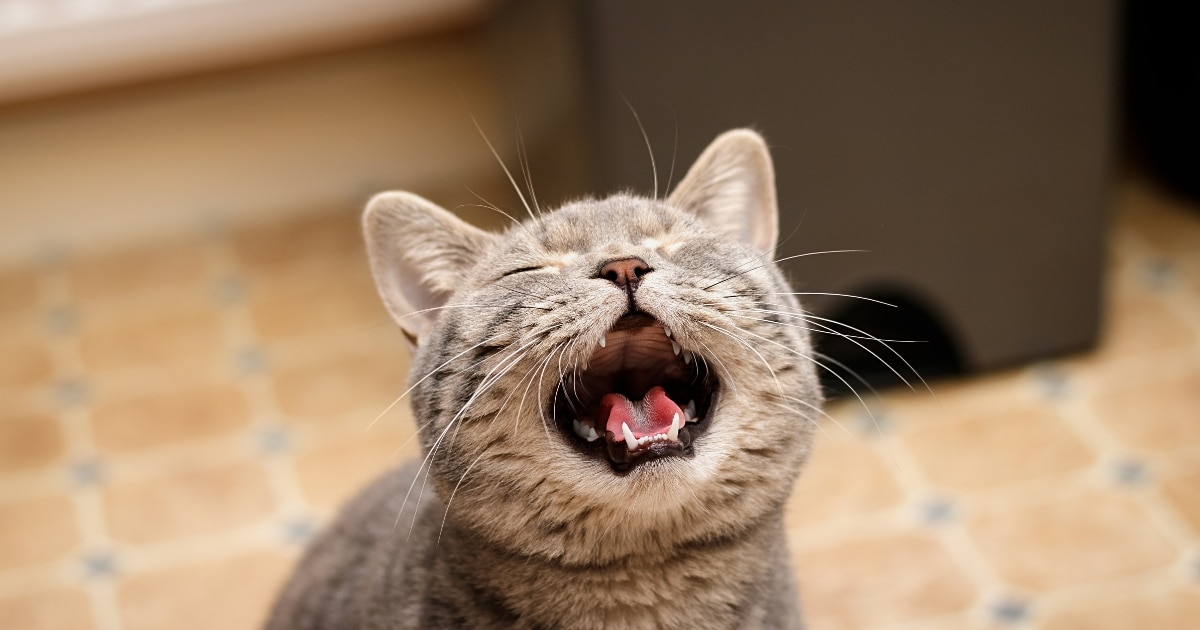
- The Meow Marathon: Vocalizations surge as the cat greets the returning human, utilizing targeted tones specifically evolved to communicate with people.
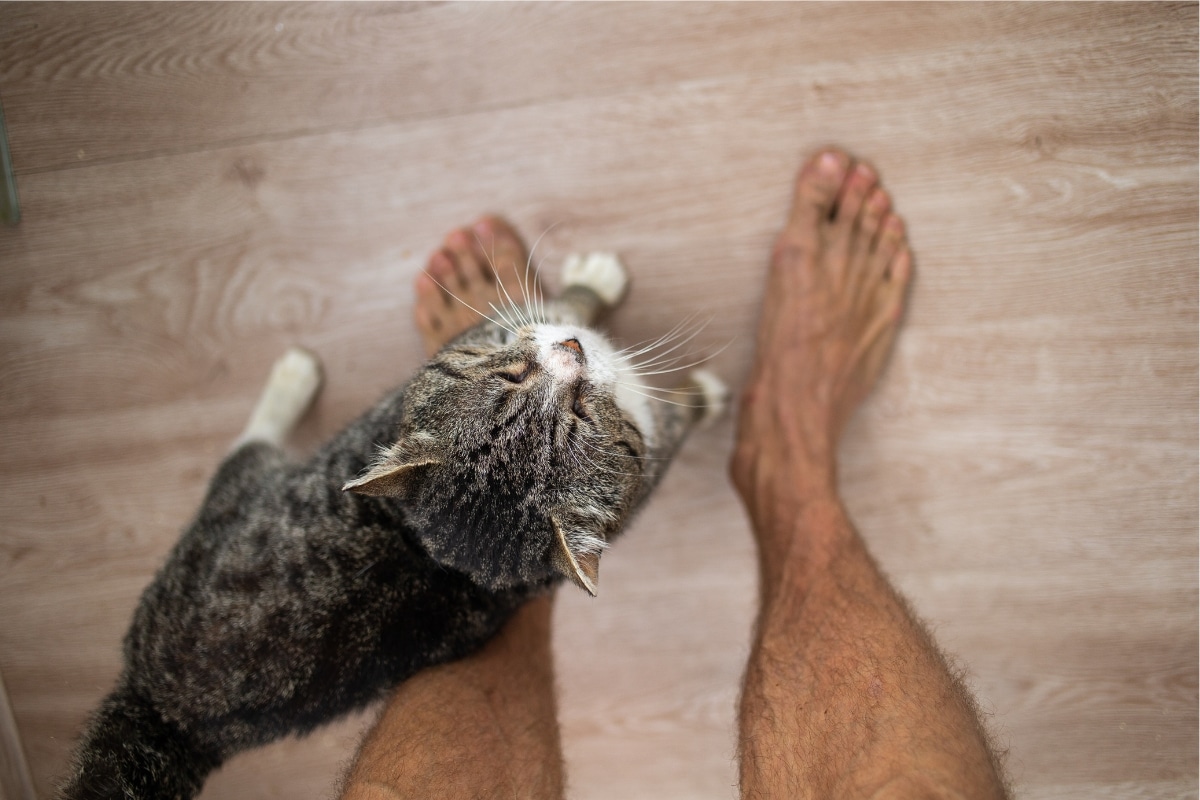
- The Follow-Footsteps Protocol: The cat transitions into a literal shadow, winding around ankles, rubbing scent glands located on their cheeks and flanks against the owner’s legs, and claiming them anew.
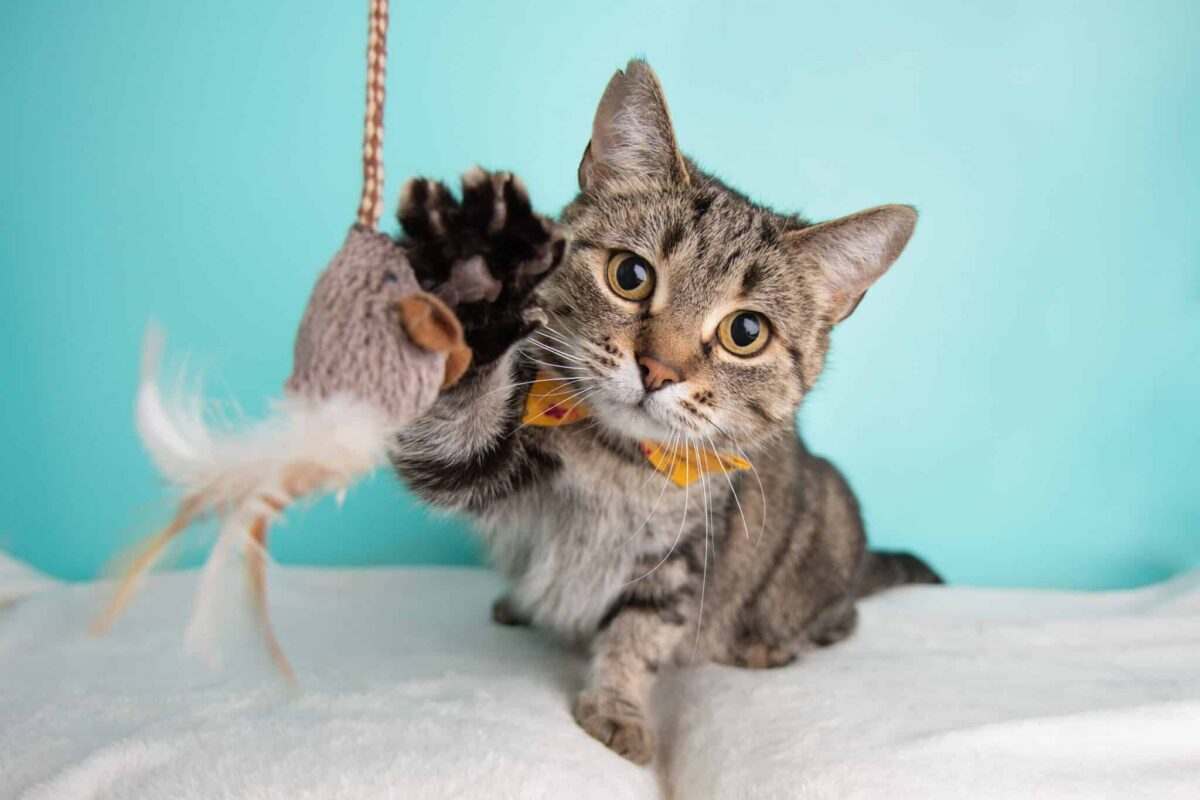
- Playtime Pounce and Tail Twitches: Adrenaline and joy manifest through sudden bursts of playful energy, paired with expressive tail flicks and twitches that signal intense emotional arousal.
Supporting Context & Metrics: What Science Tells Us About Cat-Human Bonds
To contextualize these daily behaviors, we must examine the empirical data generated by animal cognition researchers over the past decade.
The Oregon State University Attachment Study (2019)
Published in Current Biology, a pivotal study led by Kristyn Vitale and her colleagues at Oregon State University investigated whether domestic cats exhibit secure and insecure attachment styles toward humans—behavioral traits previously thought to be exclusive to dogs and primates (such as human infants).
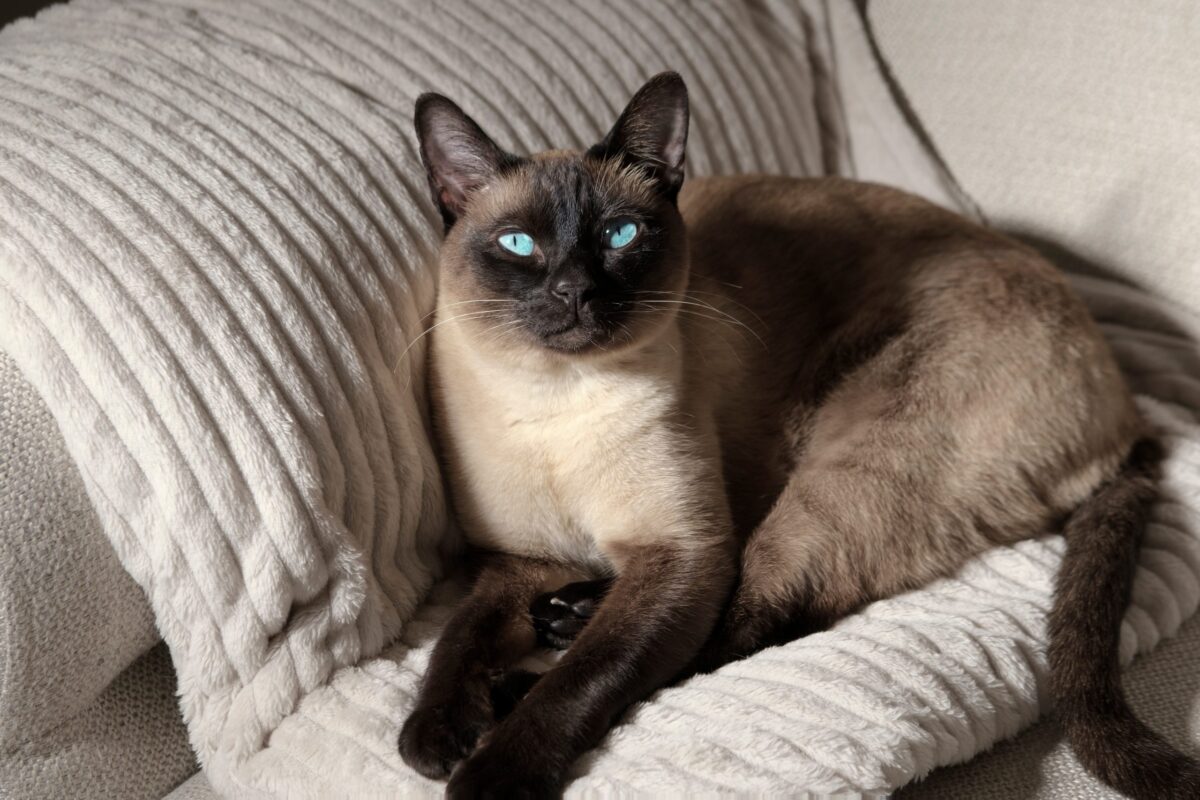
Using a classic "secure base test," researchers observed kittens and adult cats in an unfamiliar room with their owners, separated them for two minutes, and then reunited them. The results were definitive: approximately 65% of the cats demonstrated a secure attachment style. When their owners returned, these cats exhibited minimal stress during the separation and balanced exploratory behavior with affectionate greeting behaviors upon reunion. Only 35% displayed insecure attachment (characterized by avoidance, ambivalence, or disorganized reactions).
This empirical evidence confirmed that cats view their owners as a secure base in an unpredictable environment, directly mirroring the attachment frameworks established in developmental psychology.
Recognizing the Warning Signs: Stress and House Soiling
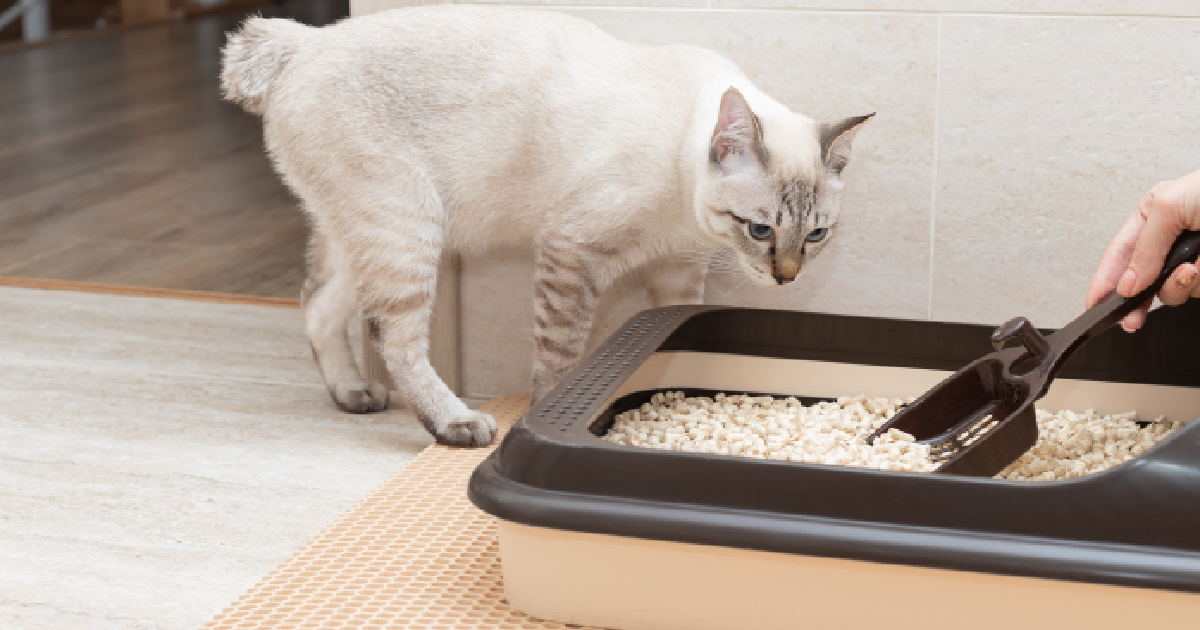
While secure cats navigate brief absences with adaptive coping mechanisms, prolonged or chronic separation stress can manifest in problematic behaviors. Chief among these is house soiling—urinating or defecating outside the litter box.
According to guidelines from the Cornell Feline Health Center, inappropriate elimination is rarely an act of "spite" or retaliation for being left alone. Instead, it is a classic stress response. Cats rely heavily on scent marking to create a secure territory. When an owner is absent for extended periods, or when environmental stability is disrupted, the cat’s anxiety may peak, prompting them to mix their own scent with the owner’s scent on clothing, bedding, or furniture to self-soothe.
Veterinary professionals always advise ruling out underlying medical issues (such as urinary tract infections, cystitis, or renal disease) before diagnosing pure behavioral separation anxiety, but the emotional link remains undeniable.
+--------------------------------------------------------------------------+
|                  CAT SEPARATION STRESS SPECTRUM                          |
+--------------------------------------------------------------------------+
| LOW DISTRESS                  MODERATE DISTRESS         HIGH DISTRESS    |
| (Secure Attachment)           (Anticipatory Anxiety)    (Severe Panic)   |
|                                                                          |
| • Sleeping on owner's bed     • Window watching         • House soiling  |
| • Calm greeting upon return   • Increased vocalization  • Destructive    |
| • Moderate tail twitching     • Shadow following          scratching     |
| • Periodic grooming           • Scent-seeking behaviors • Excessive      |
|                                                           over-grooming  |
+--------------------------------------------------------------------------+
Official Statements & Expert Perspectives
Animal behaviorists and veterinary medicine specialists emphasize that understanding feline attachment is crucial for animal welfare. Dr. Mikel Delgado, a noted feline behavior researcher, frequently notes that human expectations of cats are often misaligned with their evolutionary biology.
"We have domesticated cats, but we have not fundamentally altered their social predatory nature," explains Dr. Delgado in behavioral consultations. "Because they are both predators and prey, cats value predictability and control above almost everything else. When their human—who represents a primary source of safety, warmth, and predictability—disappears, it disrupts their entire ecological equilibrium. The behaviors we see upon our return are their way of re-establishing that equilibrium."
Furthermore, veterinary behaviorists stress that while some cats adjust seamlessly to a standard 9-to-5 workday schedule, others suffer silently from separation-related disorders. Unlike dogs, which are more likely to express separation anxiety through destructive chewing or howling that disrupts neighbors, cats often internalize their stress. They may display subtle signs such as:
- Matted coats from neglected grooming (or conversely, bald patches from obsessive over-grooming).
- Changes in appetite.
- Increased clinginess that borders on hyper-attachment.
Recognizing these nuances allows pet parents to intervene proactively. Providing puzzle feeders, window perches with bird feeders outside, leaving a radio or television playing at a low volume, or even exploring companion animal adoption can radically improve the quality of life for a home-alone feline.
Future Outlook: The Evolution of Feline-Human Understanding
As research into interspecies communication and animal sentience accelerates, our relationship with domestic felines is undergoing a profound cultural renaissance. The outdated paradigm of the "loner cat" is rapidly giving way to a more sophisticated appreciation of feline social complexity.
Future behavioral studies are increasingly focusing on the intersection of scent, neurochemistry, and environmental enrichment. Researchers are exploring how synthetic feline facial pheromones (such as Feliway) and interactive smart-home technology (like remote treat dispensers and two-way video monitors) can mitigate the invisible stress cats experience during human absences.
For the everyday cat owner, the takeaway is clear: that quiet, independent creature curled up on your sofa is deeply invested in your presence. By learning to read their subtle vocabulary—from the rhythmic twitch of a tail to the persistent trill of a homecoming meow—we honor the silent, enduring bonds that tie our worlds together. Embracing these moments of connection not only enriches the life of our feline companions but deepens our own capacity for empathy, proving once and for all that the cat-human bond is as resilient as it is affectionate.