
Executive Overview
For centuries, canine training has relied on a foundational paradigm: compliance. From basic household pets to elite working dogs, the baseline expectation is straightforward. Humans issue a directive—such as "sit," "stay," or "come"—and the dog executes it. Obedience is treated as an absolute measure of success, and a failure to comply is traditionally viewed as a training deficit or behavioral stubbornness.
However, this traditional framework shatters completely when examining the specialized world of guide dogs for the blind and visually impaired.
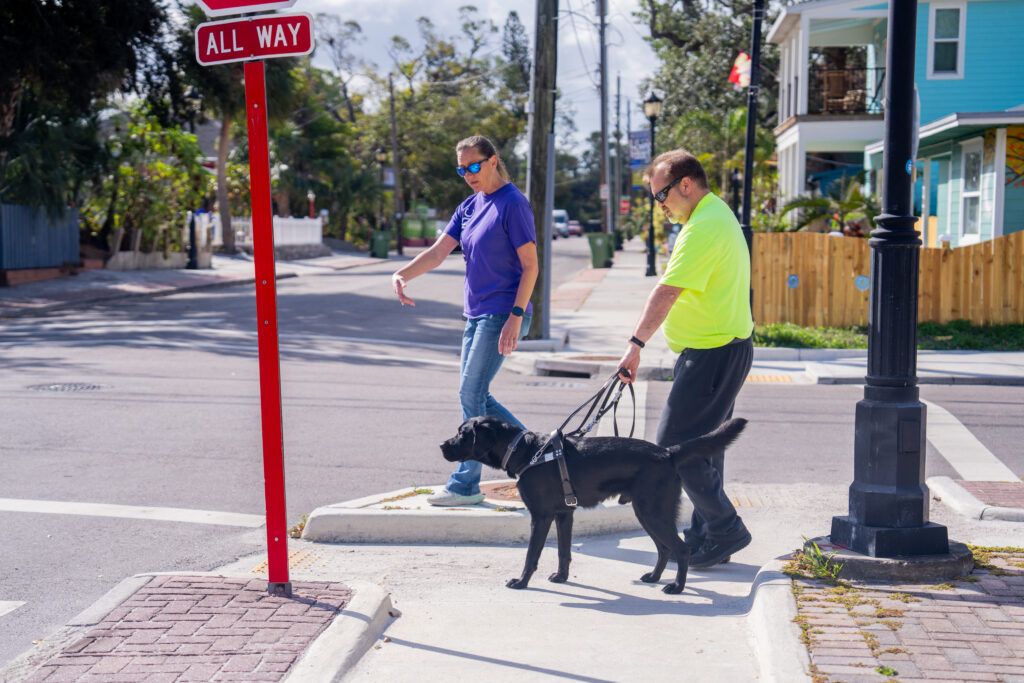
In this elite tier of working animals, unconditional obedience can occasionally be fatal. When a handler who is blind issues a command to move forward across a busy urban thoroughfare, they do so based on auditory cues, spatial memory, and general calculations of traffic flow. They cannot visually confirm whether a turning vehicle is running a red light, whether a construction crane is dropping debris, or whether an unseen hazard lurks just around the corner. Under these high-stakes conditions, a guide dog that obeys blindly puts its handler’s life in immediate jeopardy.
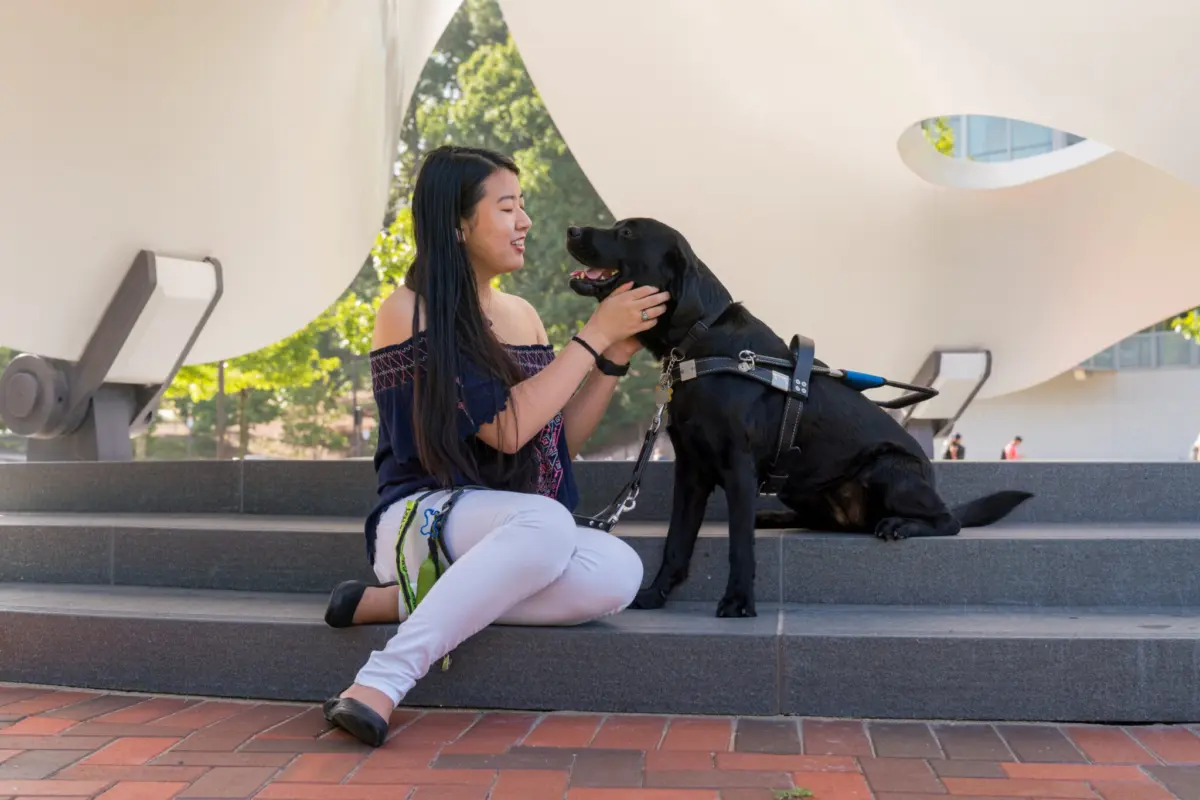
To solve this paradox, guide dog schools instill a remarkable, counter-intuitive psychological skill known as intelligent disobedience. Far from being a sign of rebellion or bad behavior, intelligent disobedience occurs when a trained guide dog makes the deliberate, autonomous decision to ignore or refuse a handler’s command because executing it would place the team in danger.
This advanced capability transforms the dynamic between human and animal. The dog transitions from a simple living tool into an active, critical-thinking safety partner. Achieving this level of independent judgment requires an intensive, multi-year training continuum, a meticulous matching process based on temperament and pace, and a profound foundation of mutual trust. This comprehensive report explores the anatomy of intelligent disobedience, the rigorous science behind its instruction, its real-world applications, and the profound ways it redefines human-canine partnerships.
Detailed Chronology: The Lifecycle of a Safety Partner
The path to mastering intelligent disobedience is not a trick taught in a weekend; it is the culmination of a meticulously structured, multi-year developmental pipeline. Every guide dog that successfully protects its handler has navigated a precise chronological journey from birth to working partnership.
Phase 1: Neonatal Development and Puppy Raising (Months 0 to 18)
The journey begins well before formal advanced training. During the first year to year-and-a-half of life, puppies are placed with volunteer "puppy raisers." During this foundational window, the primary objectives are socialization, environmental stabilization, and basic house manners.
- Months 0–2: Puppies remain with their litters and breeding stock managers, where early neurological stimulation protocols build resilience to novel textures, sounds, and handling.
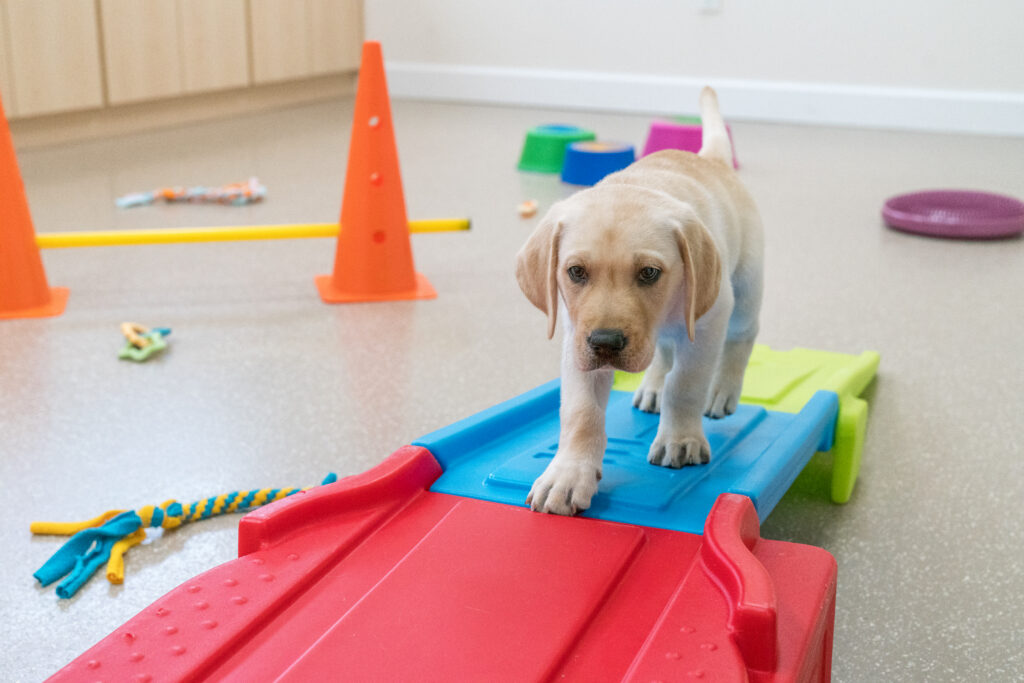
- Months 2–12: Transferred to puppy raisers, these dogs are exposed to shopping malls, public transportation, elevators, bustling sidewalks, and varied weather conditions. The goal is to build an unshakeable nervous system so that when the dog encounters unexpected stimuli later in life, it reacts with calm curiosity rather than panic.
- Months 12–18: As the dogs approach adolescence, they begin basic obedience foundations, learning impulse control, leash manners, and focus amidst high-distraction environments.
Phase 2: Advanced Guide School (Months 18 to 24+)
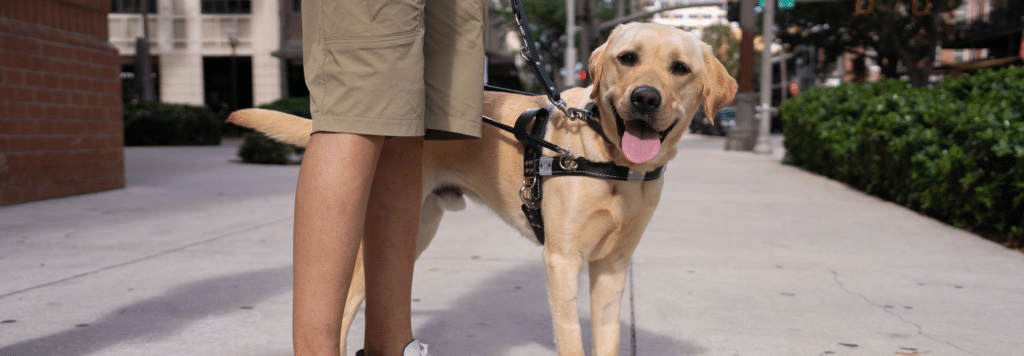
Once basic maturation is reached, the dogs enter formal, intensive training facilities—such as those operated by Dogs Inc—under the direct supervision of professional Guide Dog Mobility Instructors. This phase lasts a minimum of five months and represents the crucible where intelligent disobedience is systematically introduced.
- Environmental Assessment Training: Instructors place dogs in complex, controlled hazard scenarios. Dogs are taught to read the geometry of sidewalks, recognize low-hanging tree branches, and identify sudden drops or construction barriers.
- Conditioned Refusal: Instructors begin pairing the handler’s "forward" or directional cue with simulated obstacles or moving hazards. Through positive reinforcement, the dog learns that halting or stepping around the obstacle yields high-value rewards, whereas blindly complying with the dangerous command results in a lack of reward or a paused scenario.
- Pressure Testing: Dogs are subjected to increasing levels of environmental pressure—sirens, crowds, sudden noises, and moving traffic elements—to ensure they can maintain composure and make sound, independent decisions when adrenaline spikes.
Phase 3: Team Matching and the Juno Walk (The Transition)
A brilliantly trained dog is ineffective if it does not harmonize with its eventual human partner. The matching process is an intricate diagnostic procedure. Instructors evaluate the applicant’s walking pace, stride length, everyday commuting environment, lifestyle, and temperament.
- Compatibility Assessments: Personality traits of both human and animal are weighed carefully. A fast-paced, urban commuter requires a very different dog than a rural or suburban resident.
- The Juno Walk: Before a match is finalized, prospective handlers participate in a specialized evaluation known as a Juno Walk. This controlled trial assesses the physical and chemical compatibility between the handler and the dog, ensuring that the team can travel fluidly from point to point before long-term placement is locked in.
Supporting Context & Metrics: The Science of Decision-Making
To fully grasp the magnitude of intelligent disobedience, one must analyze the cognitive load placed upon a working guide dog. Unlike pets, which operate primarily on operant conditioning loops (Cue $rightarrow$ Behavior $rightarrow$ Reward), guide dogs operate within a dynamic triad: Environmental Awareness $leftrightarrow$ Handler Instruction $leftrightarrow$ Risk Assessment.
Cognitive Architecture vs. Traditional Obedience
In standard obedience training, the reward pathway is linear. If a dog sits on command, it receives a treat or praise. The dog’s internal calculation is simple: "Compliance equals reward."
In guide work, the equation is modified:
$$textDirective + textEnvironmental Hazard = textRefusal rightarrow textSafety rightarrow textReward$$
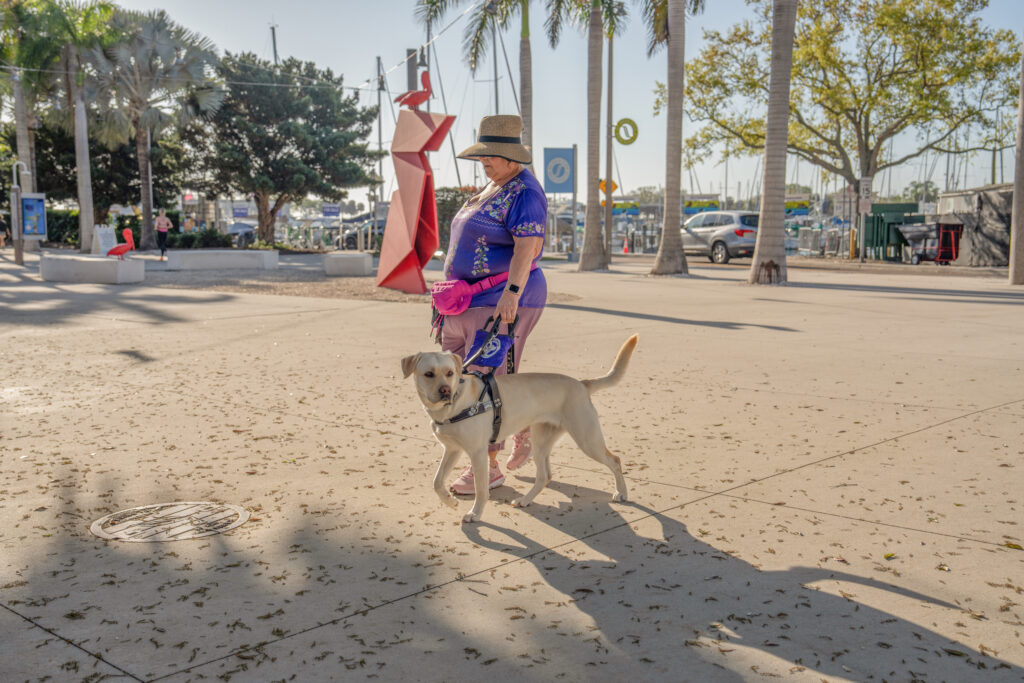
This requires the animal to engage in higher-order executive functioning. The dog must continuously monitor its peripheral vision, ground textures, auditory spectrum, and spatial geometry while simultaneously maintaining forward momentum. When a conflict arises between the handler’s instruction and the physical reality of the environment, the dog’s pre-programmed safety protocol overrides standard compliance.
Environmental Hazards Managed via Intelligent Disobedience
Guide dogs routinely intercept and mitigate hazards that are imperceptible to visually impaired individuals. These include:
- Vehicular Anomalies: Unseen cars rolling through red lights on a right-on-red turn, backing vehicles in blind alleys, or silent electric/hybrid cars moving through parking lots.
- Overhead and Mid-Level Obstacles: Low-hanging tree branches, construction scaffolding protruding into walkways, protruding store signs, and open loading dock gates that sit above cane height but at head height for a human.
- Surface Hazards: Open manhole covers, sudden ice patches, deep construction trenches, unpaved drop-offs, and shifting structural grates.
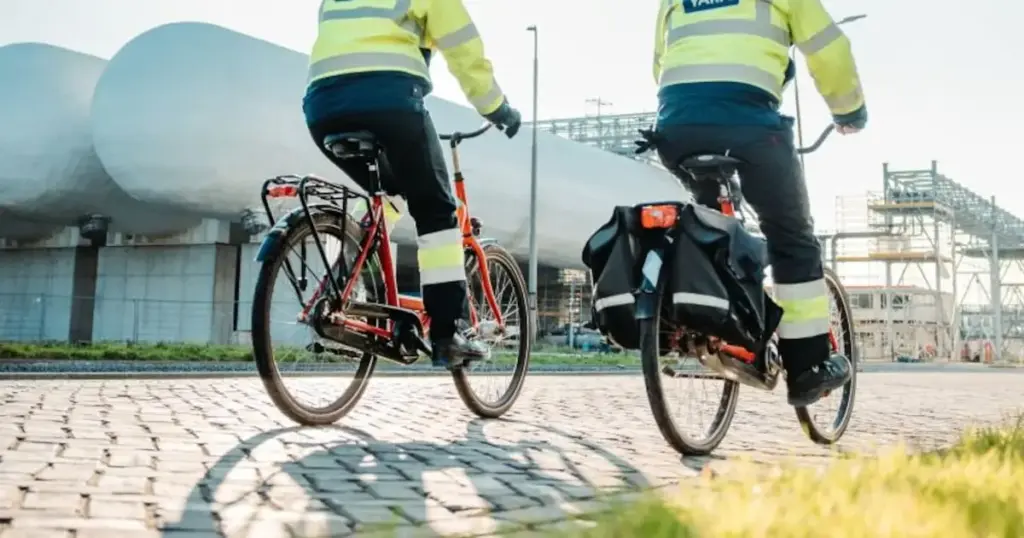
- Dynamic Crowd Hazards: Fast-moving micro-mobility devices (electric scooters, bicycles) operating silently on pedestrian walkways.
Metrics of Success: Mobility Instructor Evaluations
During advanced training evaluations, Guide Dog Mobility Instructors grade candidates on specific behavioral metrics:
- Recovery Time: How quickly a dog recalibrates its path after refusing a dangerous command and selecting a safe detour.
- Stress Resiliency: The dog’s heart rate stability and cortisol responses (measured through behavioral indicators like panting, shaking, or tucking) when exposed to sudden loud noises or close-call traffic scenarios.
- Consistency of Judgment: Whether the dog makes safe decisions reliably across dozens of randomized, unpredictable testing trials.
Official Statements and Expert Perspectives
The philosophy of intelligent disobedience bridges ethology, animal welfare, and human disability advocacy. Leading professionals in the field emphasize that this training method honors the cognitive capacity of dogs while maximizing the autonomy of human handlers.
"Most people assume that training a service dog is about teaching them to be compliant soldiers," explains a veteran Guide Dog Mobility Instructor. "In reality, we are raising independent decision-makers. We are telling the dog: ‘I trust you to save my life when I cannot see the danger.’ That is an entirely different level of partnership than anything seen in traditional animal training."
Accessibility advocates highlight how intelligent disobedience directly impacts the psychological well-being of visually impaired individuals. Navigating the modern urban landscape without sight can induce chronic hyper-vigilance and stress. Knowing that a living, breathing safety partner is actively scanning the environment for unseen threats dramatically reduces cognitive fatigue.
"When you travel with a guide dog who understands intelligent disobedience, the world opens up," notes a seasoned guide dog handler. "You aren’t constantly bracing for impact or wondering if you missed a hazard. You share the mental load. You provide the destination, and your dog ensures you arrive there intact. It transforms you from a cautious survivor into a confident traveler."
Furthermore, animal behaviorists emphasize that intelligent disobedience aligns with a dog’s natural instincts as a pack animal concerned with group safety. Rather than suppressing the dog’s natural problem-solving abilities, guide dog training refines and channels those instincts into a structured, reliable framework.
Future Outlook: The Evolution of Mobility Partnerships
As urban environments become increasingly complex, dense, and technologically altered, the demands placed upon guide dog teams are evolving. The future of guide dog training and intelligent disobedience points toward several key developments:
1. Navigating Modern Acoustic Environments
The proliferation of silent electric vehicles (EVs) and hybrid cars has introduced a profound new hazard for visually impaired pedestrians, who traditionally relied heavily on engine roar to judge traffic flow and speed. Guide dog training programs are increasingly incorporating simulated silent-vehicle scenarios into advanced training curricula, ensuring that dogs learn to rely on visual tracking and subtle motion cues rather than auditory confirmation alone when evaluating street-crossing safety.
2. Urban Micro-Mobility and Infrastructure Density
The rise of dockless electric scooters, bicycles abandoned on pedestrian pathways, and chaotic delivery robot traffic has cluttered modern sidewalks. Guide dogs are being trained to execute sophisticated wide detours and complex micro-routing maneuvers to guide their handlers safely through obstacle courses that change by the hour.
3. Technological Integration and the Human-Animal Bond
While assistive technologies, smartphone navigation apps, and haptic feedback wearables continue to advance, none can replace the dynamic, real-time physical judgment of a living partner. Technology lacks intuition. A smartphone cannot step in front of its user to block them from walking into the path of a swerving car. The future points toward a synergistic model where advanced navigation tech assists the handler with macro-level route planning, while the guide dog—armed with intelligent disobedience—manages micro-level safety hazards in real time.
Supporting the Mission
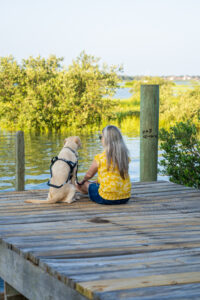
The creation of these life-altering partnerships requires immense resources, specialized infrastructure, and dedicated community support. Organizations such as Dogs Inc continue to pioneer advanced training methodologies, pairing exceptional dogs with individuals in need of independence and security.
For those inspired by the remarkable capabilities of these animals, opportunities abound to support the next generation of guide dog teams. Whether through volunteering as a puppy raiser, contributing financial support, or spreading awareness about the critical importance of service animal access rights, the public plays an indispensable role in sustaining this vital mission. Intelligent disobedience is not merely a training technique; it is a testament to the profound, life-saving bond possible between humanity and our canine companions.