

Executive Overview
By the time the average person interacts with a young dog, a profound developmental journey is already well underway. In the specialized world of assistance dog breeding and training, the initial 90 days of a puppy’s life represent a foundational window of neurological and emotional growth. During this critical timeframe, a puppy’s brain functions much like a sponge, rapidly absorbing environmental cues, processing sensory inputs, and establishing behavioral patterns that will dictate their lifelong resilience, confidence, and adaptability.
For organizations dedicated to breeding and training life-changing assistance dogs, such as Dogs Inc, these first three months are treated with scientific precision and deeply personal care. Long before a canine candidate begins formal, advanced training to assist individuals who are blind, visually impaired, or veterans with disabilities, an army of dedicated volunteer puppy raisers, sitters, and coordinators steps in. This collaborative community provides the structured socialization, emotional scaffolding, and behavioral boundaries necessary to mold an impressionable pup into a calm, focused, and capable working partner.
This comprehensive report examines the science of early puppy development, the unique challenges of raising a service dog, the indispensable role of community volunteers, and the lasting lessons these early interventions offer to all dog owners.
Detailed Chronology: The Critical Window of the First 90 Days
The development of a canine from birth to three months of age is characterized by rapid physical growth and distinct behavioral milestones. Understanding this chronology reveals why early intervention is so critical for future service animals.
Days 1 to 21: The Neonatal and Transitional Phases
During the first three weeks of life, puppies are entirely dependent on their mother and littermates. Born with their eyes and ears sealed, their world is primarily defined by warmth, touch, and the instinctual drive to nurse.
- Sensory Awakening: Around two weeks of age, puppies begin opening their eyes and responding to auditory stimuli.
- Early Neurological Stimulation: Modern breeding programs incorporate gentle handling protocols during this phase. Exposing neonates to mild, positive tactile sensations and subtle shifts in temperature helps stimulate their neurological and cardiovascular systems, laying the groundwork for stress tolerance later in life.
- Littermate Dynamics: Interaction with littermates teaches early bite inhibition and canine communication signals, establishing the foundation for future social behaviors.
Days 22 to 49: The Period of Primary Socialization
Often considered the most critical window in a dog’s life, the primary socialization period begins around the fourth week and extends through the seventh or eighth week. During this time, the puppy’s brain undergoes a massive surge in synaptic development.
- Curiosity Over Fear: Unlike older dogs or adult animals, young puppies in this age bracket possess a high threshold for novelty and a low baseline of fear. They approach unfamiliar objects, sounds, and creatures with curiosity rather than trepidation.
- The Blueprint for Trust: Positive exposures to household noises (vacuum cleaners, television, dropping pans), varied floor textures (tile, carpet, gravel), and gentle human handling teach the puppy that the world is a safe and predictable place.
- Weaning and Independence: As mother dogs begin weaning their litters, puppies start learning independent coping mechanisms, emotional regulation, and structured daily routines regarding feeding and elimination.
Days 50 to 90: Transition to the World and Early Placement
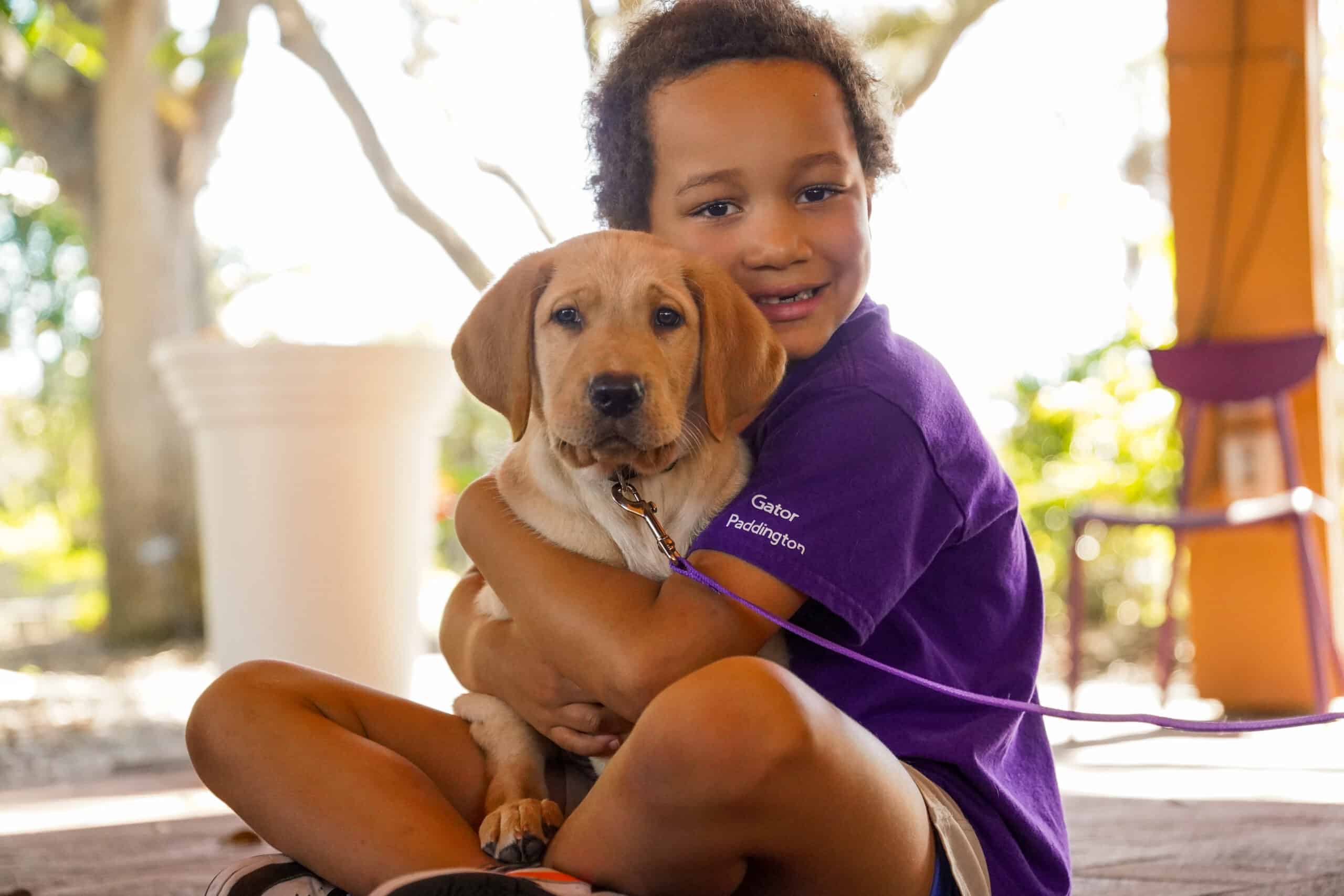
As puppies reach two to three months of age, they transition from their birth facilities into the homes of volunteer puppy raisers. This phase marks a shift toward environmental acclimatization and foundational obedience.
- Expanding Horizons: Puppies are introduced to broader community spaces—quiet sidewalks, parks, and low-traffic storefronts.
- Crate Training and Routines: Establishing predictable schedules for rest, exercise, feeding, and house manners creates emotional security. A structured environment prevents anxiety and teaches the puppy how to self-soothe in varied settings.
- Building Emotional Resilience: Occasional, mild stressors are introduced and resolved positively, teaching the puppy that challenges can be overcome with guidance from their human handler.
Supporting Context & Metrics: The Science of Service Dog Development
Raising a service dog is an exacting science backed by decades of behavioral research. Canine development programs monitor specific behavioral traits to determine which dogs possess the temperament required for public access work.

The Mathematics of Success: Attrition and Selection
Statistically, only a percentage of dogs born into specialized breeding programs successfully complete the rigorous journey to become fully certified guide or service dogs. The early 90-day window serves as the primary filter for identifying key traits:
- Recovery Time: How quickly a puppy recovers from a startle reflex.
- Environmental Stability: The ability to remain calm in the presence of sudden visual or auditory distractions.
- Human Focus: A natural inclination to look to human handlers for guidance when faced with uncertainty.
By investing heavily in structured socialization during the first three months, organizations like Dogs Inc aim to maximize the number of candidates that successfully graduate to advanced training.
The Neurobiology of Exposure
Neurological studies indicate that the brain’s plasticity peaks during the juvenile socialization period. Experiences—both positive and negative—physiologically alter the neural pathways of a growing puppy.
- Positive Reinforcement Loops: When a puppy encounters a novel stimulus (such as a rolling suitcase or a whistling crosswalk) and experiences it without fear, the brain releases dopamine and oxytocin, reinforcing a calm, curious response.
- Mitigating Reactivity: Conversely, a lack of early exposure or a traumatic experience during this window can wire the amygdala (the brain’s emotional processing center) for hyper-reactivity, making the dog chronically suspicious or easily startled—traits that are incompatible with public service work.
Official Insights: The Pillars of Puppy Raising
The success of any assistance dog program relies heavily on the human infrastructure supporting the animals. Volunteer networks form the backbone of this ecosystem.
The Role of the Volunteer Puppy Raiser
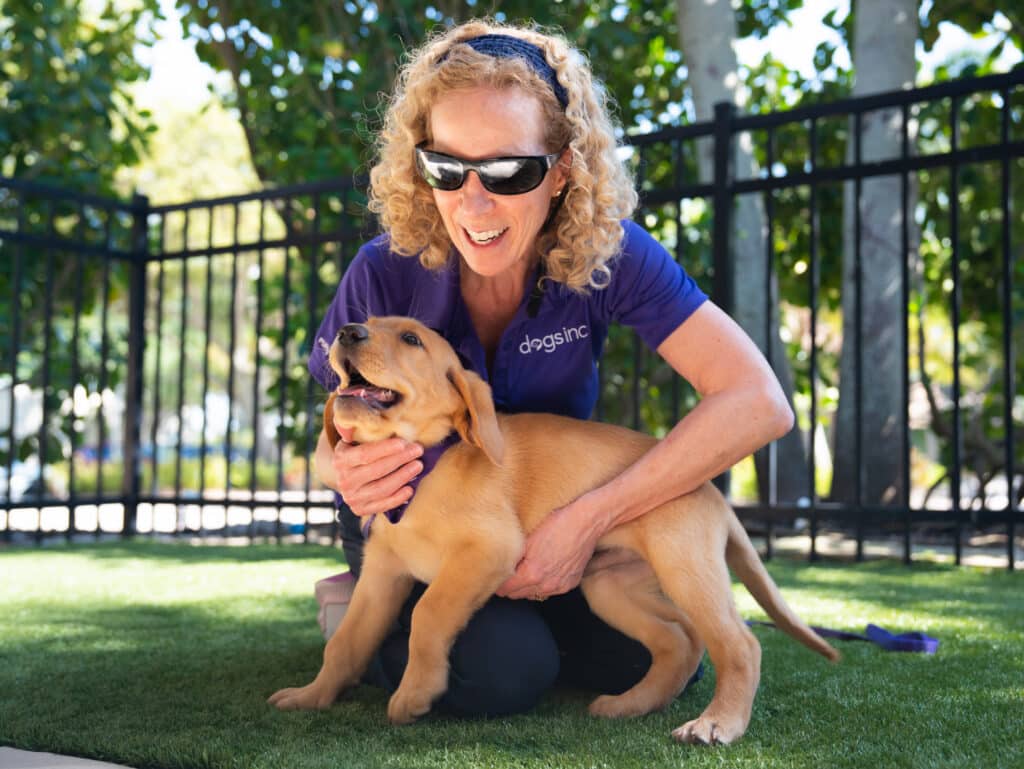
Guiding a puppy through its formative months is a demanding yet profoundly rewarding endeavor. Volunteer puppy raisers take on the daily responsibility of integrating a young pup into human society. This includes:
- Public Access Preparation: Safely introducing puppies to elevators, shopping malls, restaurants, and public transit systems.
- Obedience Foundations: Reinforcing basic cues, impulse control, and polite leash manners.
- Socialization Outings: Exposing the puppy to diverse demographics, including children, seniors, individuals using mobility aids, and other well-behaved pets.
A Community-Driven Ecosystem
No raiser works in isolation. Programs are sustained by a robust network of support, including area coordinators, experienced mentors, and temporary puppy sitters who provide relief care when raisers travel or face scheduling conflicts. This collaborative approach ensures consistency in training, feeding, and discipline, preventing confusion for the developing dog.
As representatives of Dogs Inc frequently emphasize, the goal during these early months is not perfection, but resilience. A puppy raiser’s primary job is to cultivate an emotionally balanced, confident animal that can think independently while remaining attuned to its handler.
Future Outlook: Lifelong Impacts and Lessons for All Dog Owners
The principles governing the first 90 days of an assistance dog’s life hold valuable lessons for pet owners everywhere. As the pet care community increasingly embraces science-based behavioral training, the emphasis on early socialization has become a cornerstone of modern dog ownership.
What Everyday Owners Can Learn
- Patience and Consistency: Just as service dog puppies require weeks and months of steady, incremental learning, pet dogs thrive on predictable routines and patient guidance. Progress is rarely linear.
- The Power of Proactive Socialization: Waiting until a dog is six months old to introduce them to the world is often too late. Intentional, positive exposure during puppyhood prevents behavioral issues like leash reactivity, fear biting, and generalized anxiety later in life.
- Structure Equals Freedom: Crate training, clear household boundaries, and scheduled rest periods do not suppress a dog’s spirit; rather, they provide the psychological security needed for a dog to relax and behave predictably in human spaces.
Looking Ahead
The future of assistance dog breeding and training points toward even greater data integration, personalized socialization plans, and expanded community outreach. By continually refining how puppies are raised during their first 90 days, organizations ensure that future guide dogs and service dogs are equipped to navigate an increasingly complex world with poise, intelligence, and unwavering loyalty.
For individuals inspired by this mission—whether interested in becoming a volunteer puppy raiser, supporting a puppy development fund, or simply following the progress of the next generation of service dogs—organizations like Dogs Inc offer a window into a world where small, daily experiences translate into life-changing independence for those in need.