
Executive Overview
Selecting the right commercial diet for a feline companion has become an increasingly complex endeavor. Modern pet food shelves boast an overwhelming variety of formats—ranging from traditional dry kibble and canned wet food to air-dried, freeze-dried, and raw formulations. Yet, beneath the slick marketing campaigns and buzzwords like "holistic," "ancestral," and "human-grade," the fundamental nutritional requirements of the domestic cat remain unchanged. Felines are obligate carnivores, meaning their biological machinery is hardwired to process and thrive on animal-derived nutrients.
To separate marketing hyperbole from genuine nutritional value, veterinarians and veterinary nutritionists emphasize a core set of criteria. The ideal cat food must offer a complete and balanced formula featuring a named animal protein—such as chicken, turkey, or fish—as the primary ingredient. It must comply with the nutrient profiles established by the Association of American Feed Control Officials (AAFCO) for the specific life stage of the cat, and it should ideally contain a dry-matter protein concentration of at least 30% to 40%.
Despite manufacturer claims, no single brand is universally superior for every cat. Dietary selections must be curated based on individual variables, including age, weight, pre-existing health conditions, lifestyle, and direct guidance from a veterinary professional. This comprehensive analysis evaluates the current landscape of high-end cat nutrition, examines the safety debates surrounding raw and alternative diets, reviews ten prominent brands through an objective lens, and answers foundational questions regarding feline dietary health.
Detailed Chronology and Evolution of Feline Nutrition Standards
The commercial pet food industry has undergone a radical transformation over the past century, moving from simple, grain-heavy agricultural byproducts to scientifically formulated, species-appropriate diets.
The Mid-20th Century: The Rise of Convenience
Commercial pet food emerged prominently in the post-World War II era, heavily dominated by dry kibble. Formulated primarily for convenience and affordability, these early products relied heavily on plant-based proteins, corn, and wheat gluten. At the time, feline nutritional science was in its infancy, and many cats suffered from preventable deficiencies, most notably taurine deficiency, which led to widespread cases of feline central retinal degeneration and dilated cardiomyopathy.
The 1980s and 1990s: Scientific Regulation and Nutritional Awareness
As veterinary medicine advanced, researchers uncovered the precise biochemical requirements of cats. In the late 1980s, the scientific community linked low dietary taurine levels to fatal heart conditions, prompting manufacturers to synthetically supplement or naturally increase animal protein sources in cat foods. Simultaneously, regulatory bodies like AAFCO refined their feeding trials and nutrient profiles, setting formal minimums for essential amino acids (such as arginine and taurine) and essential fatty acids (such as arachidonic acid).
The 2000s to Present: The Premium and Alternative Diet Boom
The contemporary market is defined by a consumer shift toward transparency, ancestral feeding models, and specialized veterinary diets. The rise of grain-free formulations, raw-meat diets, and dehydrated foods reflects a growing humanization of pets. Today, pet owners demand ingredient lists that mirror what a cat might hunt in the wild. However, this shift has also introduced new challenges, requiring regulatory agencies like the Food and Drug Administration (FDA) and veterinary associations to issue safety warnings regarding pathogen contamination in raw diets and potential links between certain boutique grain-free diets and canine heart issues.
Supporting Context & Metrics: Decoding Feline Dietary Requirements
Understanding what goes into a cat’s bowl requires looking past flashy package designs and analyzing the nutritional matrix.
The Obligate Carnivore Dilemma
Unlike dogs, which are omnivores capable of synthesizing certain nutrients from plant matter, cats are strict carnivores. Their evolutionary history dictates specific metabolic dependencies:
- Vitamin A: Cats cannot convert beta-carotene from plants into active vitamin A; they require pre-formed vitamin A found exclusively in animal tissue.
- Arachidonic Acid: Cats lack the enzyme necessary to convert linoleic acid into arachidonic acid, an essential fatty acid abundant in animal fat.
- Niacin: Felines cannot efficiently synthesize niacin (Vitamin B3) from tryptophan and must ingest it directly from meat.
- Taurine: This vital amino acid is found almost exclusively in animal muscle meat and organs. A deficiency leads to irreversible blindness and heart failure.
Protein Density Metrics
When evaluating nutritional adequacy on a dry-matter basis (which removes the water weight from the food to allow for an accurate comparison between wet and dry products), healthy adult cats thrive on diets containing 30% to 40% protein. Kittens and pregnant or lactating queens require even higher concentrations and higher caloric density to support rapid tissue development and high metabolic demands.
The Hydration Factor
One of the most critical metrics in feline health is water intake. Domestic cats possess a low natural thirst drive—a trait inherited from their desert-dwelling ancestors who derived most of their moisture from their prey. Chronic low-level dehydration significantly increases the risk of lower urinary tract diseases, such as feline interstitial cystitis, urethral obstructions, and chronic kidney disease (CKD). Consequently, incorporating high-moisture foods, such as canned wet diets, or rehydratable freeze-dried and dehydrated foods, offers profound physiological advantages over dry kibble alone.
Official Statements and Safety Analyses: The Raw Diet Debate
While ancestral and raw-meat diets have surged in popularity, major regulatory and veterinary bodies have issued explicit safety cautions regarding their use.
FDA and AVMA Warnings
The U.S. Food and Drug Administration (FDA) and the American Veterinary Medical Association (AVMA) have formally discouraged the feeding of raw or undercooked animal-source proteins to pets.
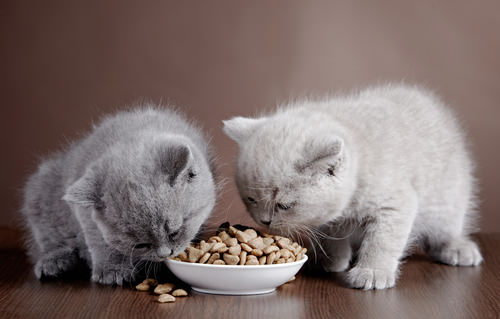
- Pathogen Risk: Raw meats frequently harbor dangerous bacteria, including Salmonella, Listeria monocytogenes, Escherichia coli, and Campylobacter.
- Zoonotic Transmission: These pathogens do not merely threaten the animal; cats shedding these bacteria can contaminate households, posing severe health risks to human family members, particularly infants, the elderly, pregnant women, and immunocompromised individuals.
Navigating Alternative Diets Safely
Despite these risks, raw, freeze-dried, and dehydrated diets remain exceptionally popular due to their high palatability and minimal processing. Veterinary professionals generally advise that if owners choose to feed raw or freeze-dried products, they must practice rigorous hygiene:
- Treat raw pet food with the same sanitary protocols used for raw human meat (disinfecting prep areas, washing hands thoroughly, and sanitizing bowls after every meal).
- Consult a veterinarian before introducing raw diets to kittens, geriatric cats, or cats undergoing immunosuppressive therapies.
Brand Breakdown: Reviewing the Top 10 Cat Food Options
Below is an examination of ten prominent brands in the contemporary market, categorized by their processing methods and nutritional philosophies. Each brand publishes current AAFCO statements and guaranteed analyses on their respective platforms.
1. The Honest Kitchen
- Format: Dehydrated human-grade meals.
- Overview: The Honest Kitchen produces whole-food recipes composed of human-grade meats, fruits, and vegetables that require rehydration with warm water prior to feeding. This format naturally boosts a cat’s daily water intake. The brand utilizes varied protein sources, making flavor rotation straightforward for finicky eaters.
2. Sojos
- Format: Dehydrated raw formulas.
- Overview: Similar in nutritional philosophy to The Honest Kitchen, Sojos offers dehydrated raw diets, though the finished texture is significantly chunkier upon rehydration. This appeals to cats that prefer a more substantial mouthfeel. Ingredient quality and nutrient profiles mirror high-end raw standards, with specific life-stage statements available via their official portal.
3. Stella & Chewy’s
- Format: Frozen and freeze-dried raw patties and meal mixers.
- Overview: Designed to replicate a whole-prey carnivorous diet, Stella & Chewy’s incorporates muscle meat, organs, and bone. While freeze-drying locks in nutrients and flavor without high heat, owners must maintain strict kitchen hygiene to mitigate potential bacterial contamination.
4. Ziwi (Ziwipeak)
- Format: Air-dried and canned formulas.
- Overview: Ziwi offers a compelling middle ground for owners who wish to avoid raw feeding but want to bypass the high-heat extrusion processes used for traditional kibble. Their gently air-dried meats preserve structural integrity and nutrient density, while their canned selections provide an easy alternative for moisture-focused diets.
5. EVO
- Format: High-protein dry and canned options.
- Overview: Historically recognized for pioneering dense, meat-first formulations, EVO relies heavily on whole meat ingredients rather than excessive plant meals as fillers. This makes their product line a frequent consideration for cats requiring higher protein intake for muscle maintenance, under veterinary supervision.
6. Orijen
- Format: Grain-free dry kibble and freeze-dried treats.
- Overview: Manufactured with a commitment to regional sourcing, Orijen utilizes fresh inclusions from local farms, ranches, and fisheries rather than centralized imported protein blends. Their formulations are entirely grain-free and feature exceptionally high meat inclusions.
7. Acana
- Format: Dry kibble (grain-free and grain-inclusive options).
- Overview: Serving as Orijen’s sister brand, Acana applies a similar regional sourcing philosophy at a more accessible price point. Unlike Orijen, some Acana formulas incorporate lower-glycemic, whole grains like steel-cut oats, and the brand provides limited-ingredient options tailored for cats with food sensitivities.
8. Halo
- Format: Canned and dry cat food.
- Overview: Widely distributed in mainstream retail stores, Halo distinguishes itself by consistently utilizing whole, named protein sources rather than generic meat meals as the primary ingredient. Their diverse kibble shapes and textures can also assist cats prone to messy eating habits.
9. Wellness CORE
- Format: Grain-free dry and wet food.
- Overview: As the premium, grain-free offshoot of the broader Wellness brand, Wellness CORE emphasizes higher whole-protein concentrations and minimal carbohydrate fillers. The product line provides diverse protein sources, facilitating safe dietary rotation to prevent food fatigue.
10. Natural Balance
- Format: Limited-ingredient diets, grain-free, and standard formulas.
- Overview: Natural Balance is a pioneer in limited-ingredient diets (LIDs), making their catalog particularly valuable for veterinary elimination trials aimed at diagnosing food allergies or sensitivities by systematically ruling out individual ingredients.
Frequently Asked Questions (FAQ)
1. What should I look for in the best cat food?
Look for a named animal protein (e.g., chicken, salmon, rabbit) as the first ingredient on the label. Ensure the product features an AAFCO adequacy statement matching your cat’s specific life stage, and prioritize formulations free from excessive, unneeded carbohydrate fillers and artificial additives.
2. Is wet cat food better than dry cat food?
Wet cat food is generally superior for promoting hydration, supporting urinary tract health, and providing higher protein-to-carbohydrate ratios. However, high-quality dry kibble can be nutritionally complete, cost-effective, and convenient. Many veterinarians recommend a mixed-feeding strategy to capture the benefits of both.
3. How do I choose the right cat food for my cat’s age?
Match the AAFCO life-stage statement on the package to your cat’s exact age. Kittens require "growth" or "all life stages" formulas for high calories and protein. Adult cats thrive on "maintenance" formulas, while senior cats often benefit from diets engineered to support joint health, weight management, and easy digestion.
4. Are grain-free cat foods healthier for cats?
Not inherently. While grain-free foods reduce carbohydrate loads, many simply substitute grains with high amounts of peas, lentils, or potatoes. Unless a cat has a clinically diagnosed grain allergy (which is rare), grains like rice or oats are digestible and pose no inherent threat.
5. How much protein does a cat need in its diet?
As obligate carnivores, healthy adult cats should consume a diet consisting of at least 30% to 40% protein on a dry-matter basis.
6. Should I avoid artificial ingredients in cat food?
Artificial colors, flavors, and chemical preservatives add no nutritional value. While regulated by the FDA, opting for cleaner ingredient lists minimizes the risk of adverse sensitivities.
7. Is high-quality cat food worth the cost?
Generally, yes. Premium foods often feature superior protein bioavailability and fewer indigestible fillers, which can lead to better stool quality, healthier coats, and potentially lower long-term veterinary bills. However, price does not guarantee perfection for every individual cat.
8. Can I switch my cat’s food suddenly?
No. Sudden dietary transitions frequently cause gastrointestinal distress, including vomiting, diarrhea, and inappetence. Always transition foods gradually over a 7-to-10-day period by mixing increasing proportions of the new food with decreasing proportions of the old food.
9. What ingredients should cats avoid in food?
Avoid foods listing anonymous by-products (such as "meat meal" without a species specified), excessive plant proteins used to artificially inflate protein percentages (protein surging), and artificial chemical preservatives like BHA, BHT, or ethoxyquin.
10. How often should I reassess my cat’s food choice?
Reassess your cat’s diet annually during routine veterinary wellness exams, or whenever significant life changes occur—such as neutering, senior transition, weight fluctuations, or the onset of chronic medical conditions.
Future Outlook: Trends in Feline Nutrition
As the pet care industry continues to evolve, several emerging trends are poised to shape the future of feline nutrition:
- Alternative Proteins: Driven by environmental sustainability and allergy management, insect-based proteins (such as black soldier fly larvae) and lab-grown cultured meats are entering the developmental pipeline as eco-friendly, hypoallergenic protein sources.
- Precision Nutrition: Advances in nutrigenomics—the study of how diet interacts with genes—are paving the way for hyper-personalized cat foods formulated to target specific genetic predispositions for kidney disease, diabetes, and joint degradation.
- Stricter Regulatory Oversight: Increased scrutiny from veterinary associations regarding raw diets and boutique grain-free formulations will likely prompt more rigorous, transparent clinical feeding trials across all manufacturing tiers, safeguarding feline health through empirical science rather than industry trends.