
Executive Overview
For the modern globetrotter, frequent travel is often an inescapable reality of professional ambition or personal passion. However, balancing a passport brimming with stamps and the responsibilities of pet ownership presents a unique set of logistical and emotional challenges. While dogs are traditionally viewed as demanding constant companionship, felines are frequently stereotyped as completely indifferent to their owners’ whereabouts—a misconception that can lead to neglected pets and stressed households.
In truth, while cats are generally more self-sufficient than dogs, their emotional stability relies heavily on predictability, territory, and social security. Selecting the right cat breed for a lifestyle defined by frequent absences is not merely a matter of convenience; it is a vital welfare decision. According to data from the Cat Fanciers’ Association (CFA) and veterinary behaviorists, specific breeds and individual personalities possess the low-maintenance grooming demands, robust independence, and calm temperaments necessary to endure routine disruptions and changes in caregivers.
This report investigates the top cat breeds for frequent travelers, examines the physiological and behavioral traits that make them suitable for independent living, explores important health considerations, and provides actionable guidelines for maintaining feline welfare while you are away.
Detailed Chronology & Breed Profiles: The Top Contenders for Travelers
Understanding which feline companions transition best into a travel-heavy lifestyle requires examining the specific behavioral profiles established by organizations like the CFA and International Cat Care. Below is a detailed chronological breakdown of the top seven cat breeds recognized for their resilience during an owner’s absence, followed by the viability of mixed-breed rescues.
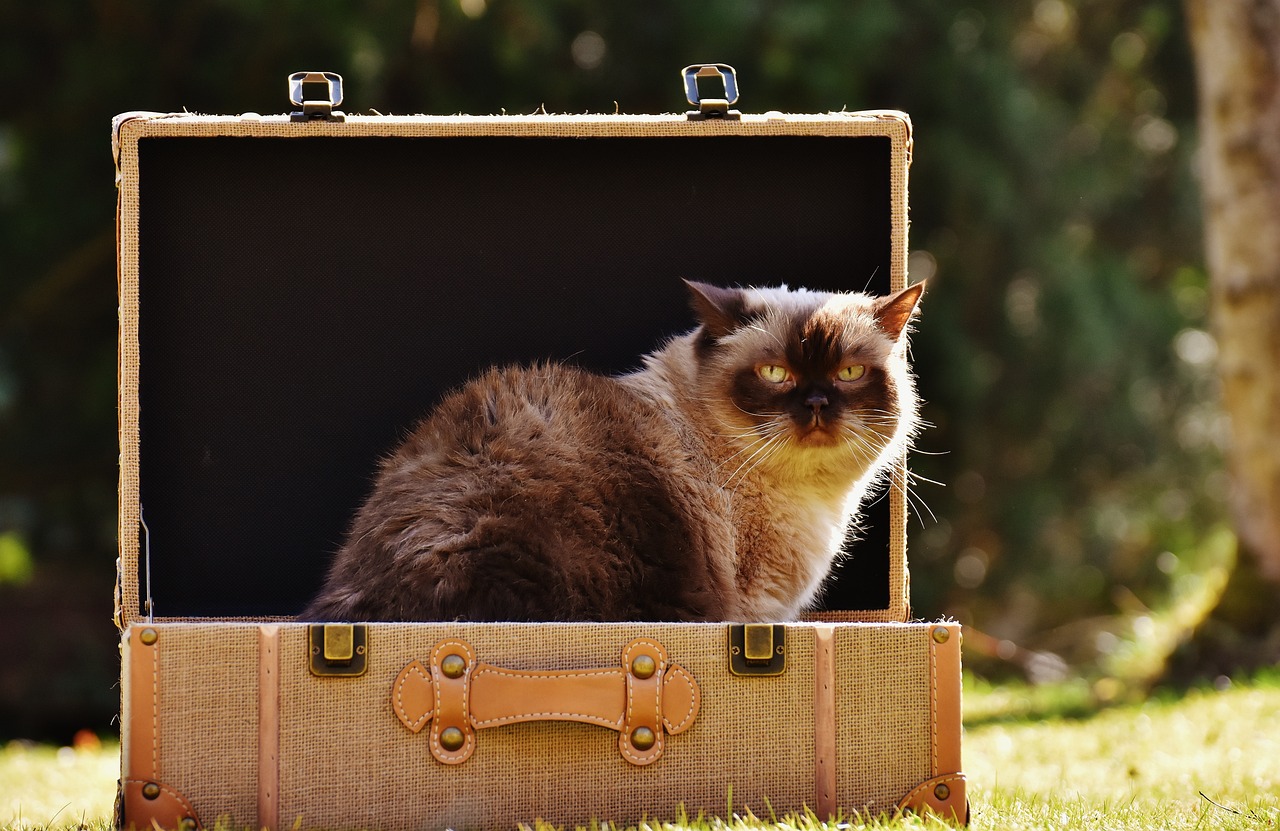
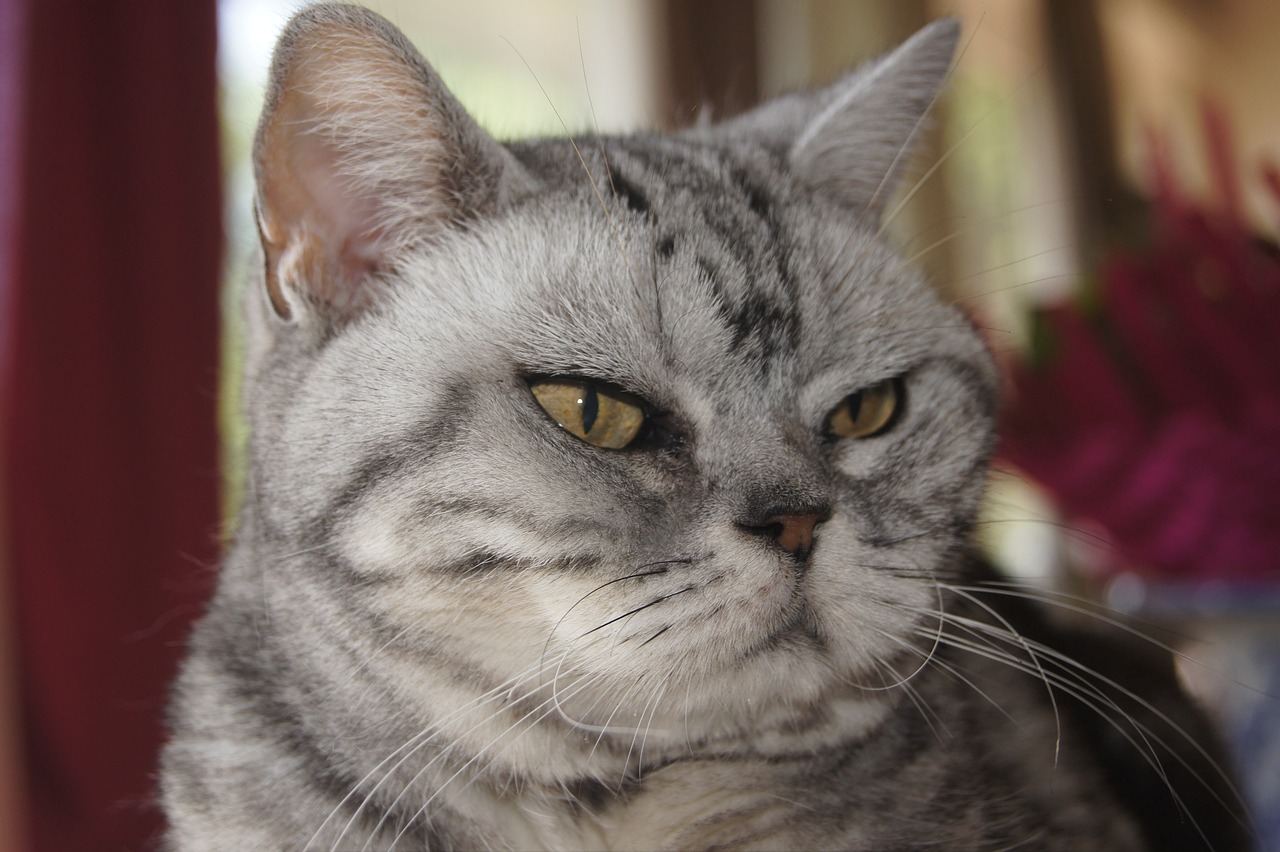
1. British Shorthair: The Epitome of Calm Independence
Renowned for their plush coats, round expressive eyes, and sturdy frames, British Shorthairs consistently top the list of low-maintenance companions. Historically developed from resilient street cats, this breed possesses a uniquely laid-back demeanor.
- Behavioral Trait: They are exceptionally self-sufficient, capable of entertaining themselves for hours without resorting to destructive behaviors out of boredom.
- Travel Suitability: According to the CFA’s breed profile, British Shorthairs form strong, quiet bonds with their humans without demanding constant physical attention. Their robust health and minimal day-to-day grooming needs make them remarkably easy for a pet sitter to manage during short or medium-length trips.
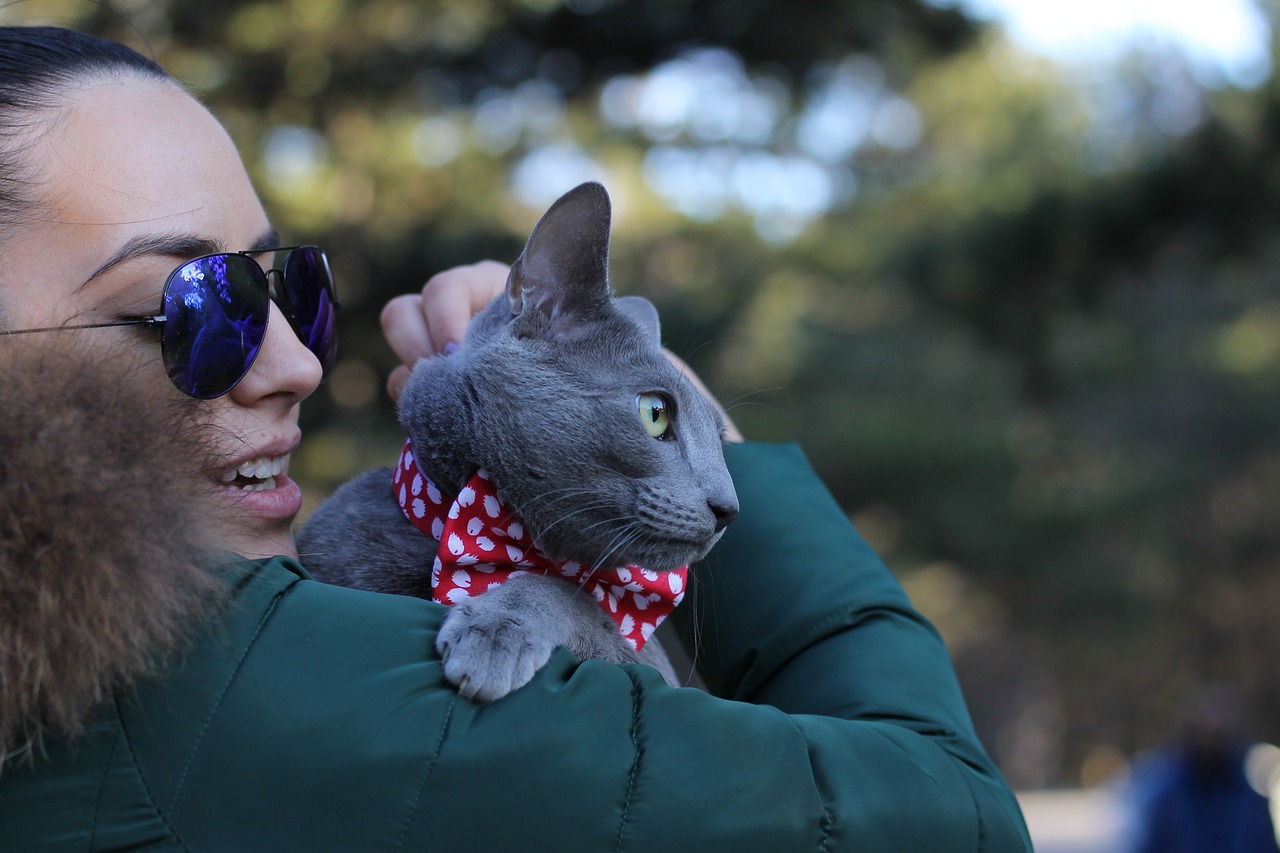
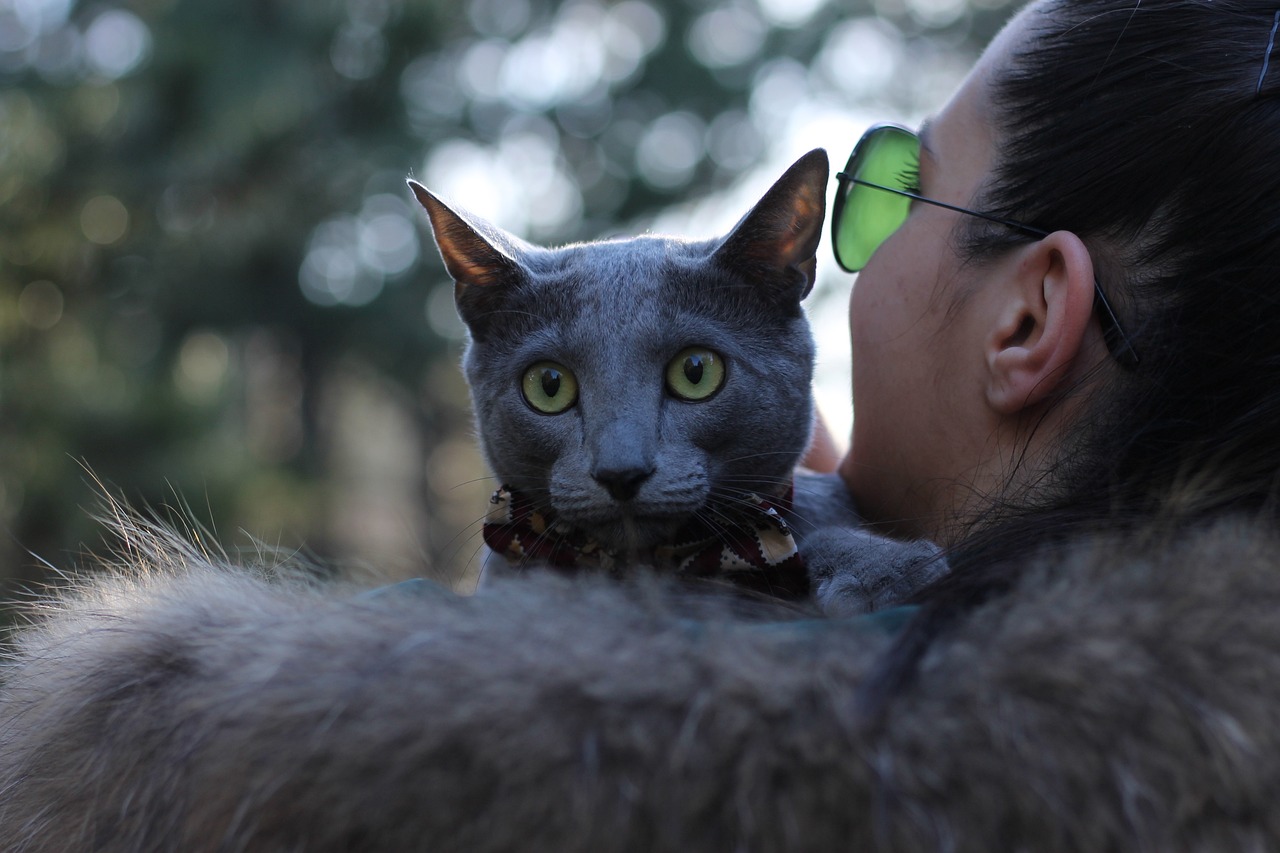
2. Russian Blue: The Reserved Loyalist
Instantly recognizable by their dense, silver-blue coats and vivid emerald eyes, Russian Blues are prized for their quiet, gentle nature.
- Behavioral Trait: Highly intelligent and quietly playful, Russian Blues are naturally reserved around strangers yet deeply loyal to their chosen humans. They appreciate structured environments and quiet contemplation.
- Travel Suitability: Unlike highly anxious breeds that vocalize endlessly when stressed, Russian Blues can comfortably spend time alone without spiraling into panic. When you return home, their deep-seated loyalty translates into affectionate, rewarding reunions that bridge the gap of your absence.
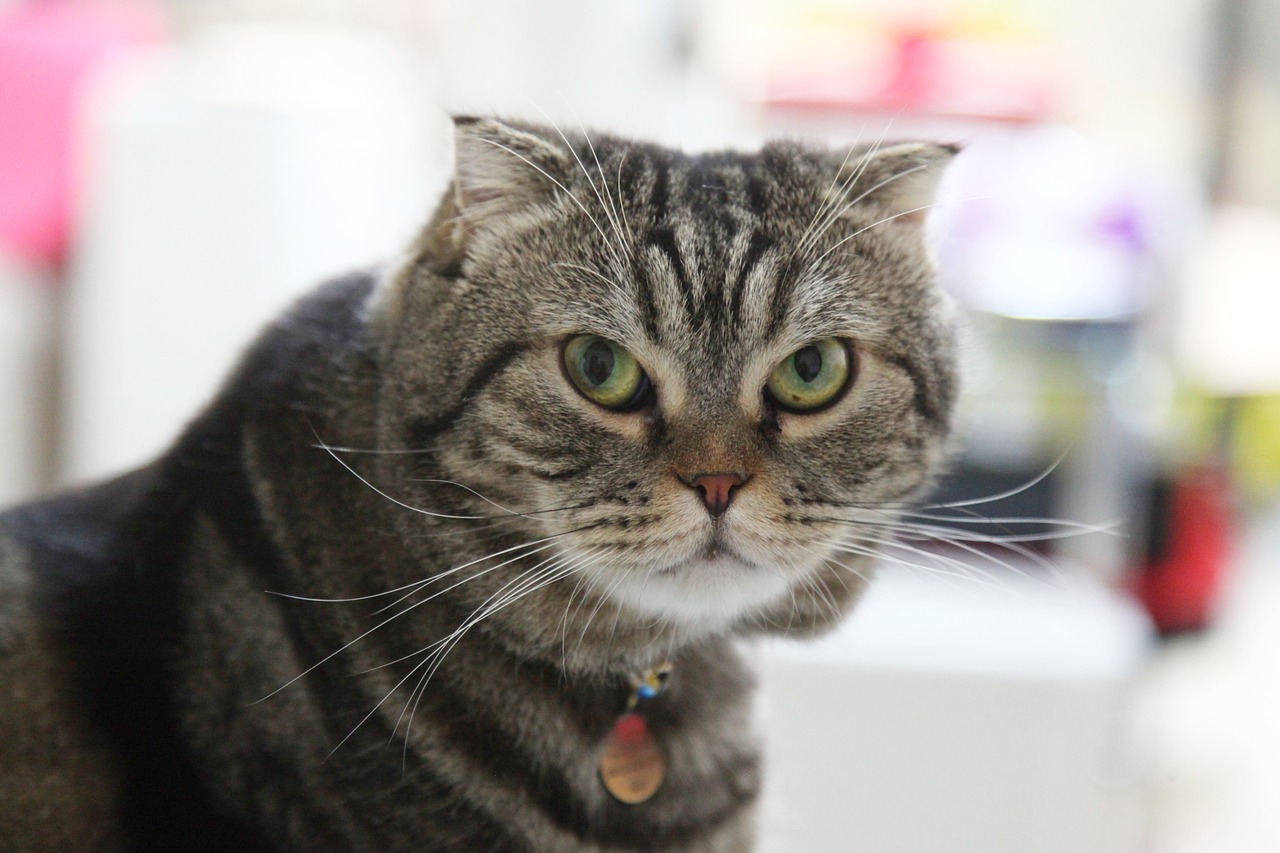
3. Scottish Fold: The Adaptable Charmer
Characterized by their folded ears and owl-like expressions, Scottish Folds are famously easy-going and adaptable.
- Behavioral Trait: They thrive in loving environments and enjoy the company of other household pets, making them fantastic candidates for multi-pet homes where a companion animal can keep them company while you are traveling.
- Travel Suitability: Their flexible, social disposition allows them to adjust rapidly to pet sitters. However, prospective owners must navigate a critical health caveat: the folded-ear trait stems from a cartilage mutation linked to osteochondrodysplasia. International Cat Care recommends thorough veterinary screenings to ensure joint health before relying on this breed for an active, travel-heavy lifestyle.
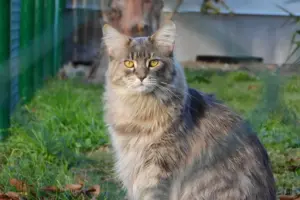
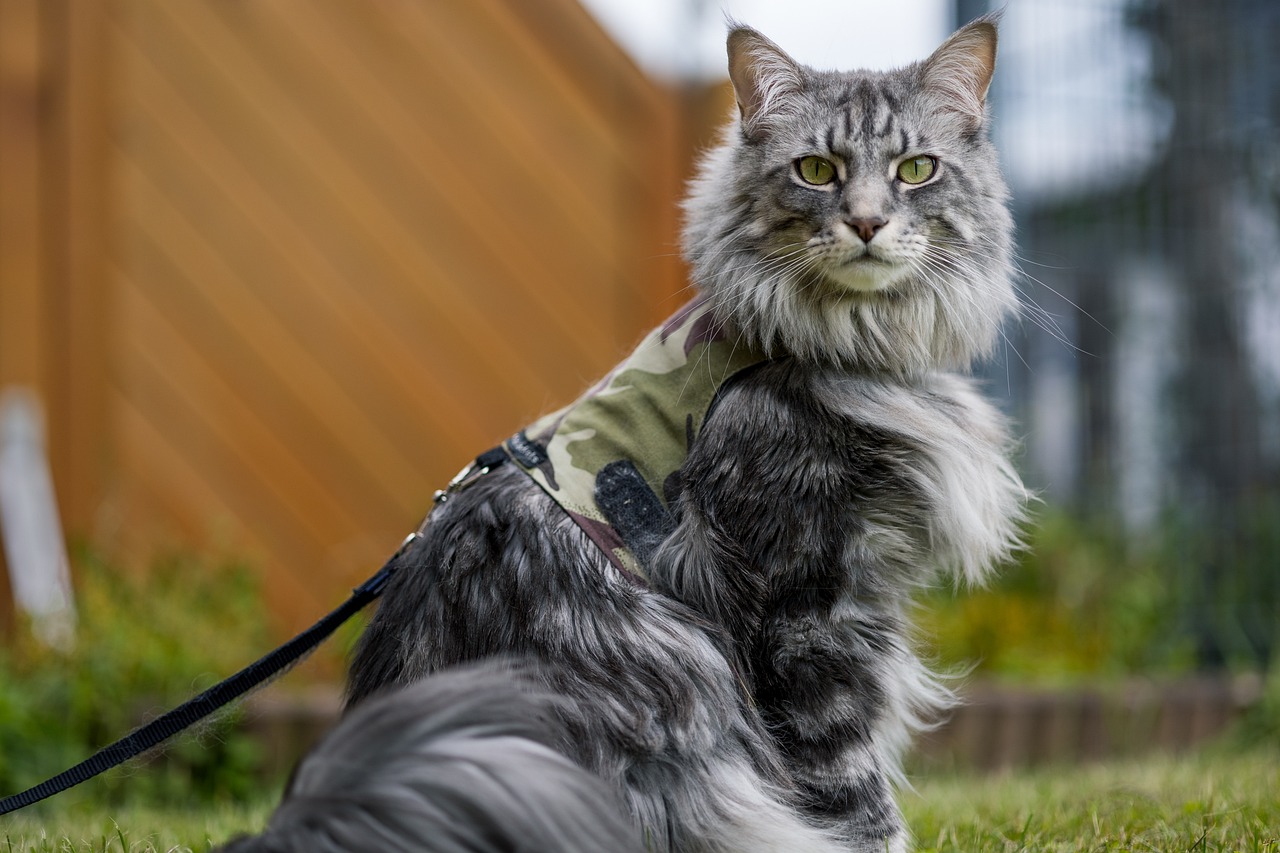
4. Maine Coon: The Gentle Giant
As one of the largest domestic cat breeds, Maine Coons are frequently described as possessing "dog-like" personalities due to their sociable, adventurous spirit.
- Behavioral Trait: They are highly intelligent, easily trained to household routines, and remarkably resilient.
- Travel Suitability: While they adore human interaction, their independent streak ensures they do not fall apart when their owner travels. According to CFA insights, their balanced temperament allows them to accept temporary caregivers with grace, maintaining a playful yet comforting presence upon your return.
5. American Shorthair: The Practical All-Rounder
Bred originally to protect North American homesteads from rodents, the American Shorthair is built for hardiness, longevity, and self-reliance.
- Behavioral Trait: They possess an even-keeled disposition, low-maintenance grooming requirements, and an instinctive tolerance for routine changes.
- Travel Suitability: Because they get along effortlessly with other pets and strangers alike, American Shorthairs adapt smoothly to professional pet sitters visiting the home. Their robust immune systems and overall physical resilience make them one of the most practical choices for busy, on-the-go professionals.
6. Siamese: The Intelligent Communicator
Siamese cats are famous for their striking points, vivid blue eyes, and famously vocal personalities. While they demand high levels of interaction, they can thrive under specific travel conditions.
- Behavioral Trait: Their extreme intelligence means they can easily become bored, but it also means they excel with interactive puzzles and automated enrichment toys.
- Travel Suitability: Siamese cats form profoundly intense bonds with their owners. For frequent travelers, a Siamese cat should ideally be housed with a companion animal or visited by a dedicated pet sitter who can provide vocal engagement and mental stimulation to prevent separation-related stress.
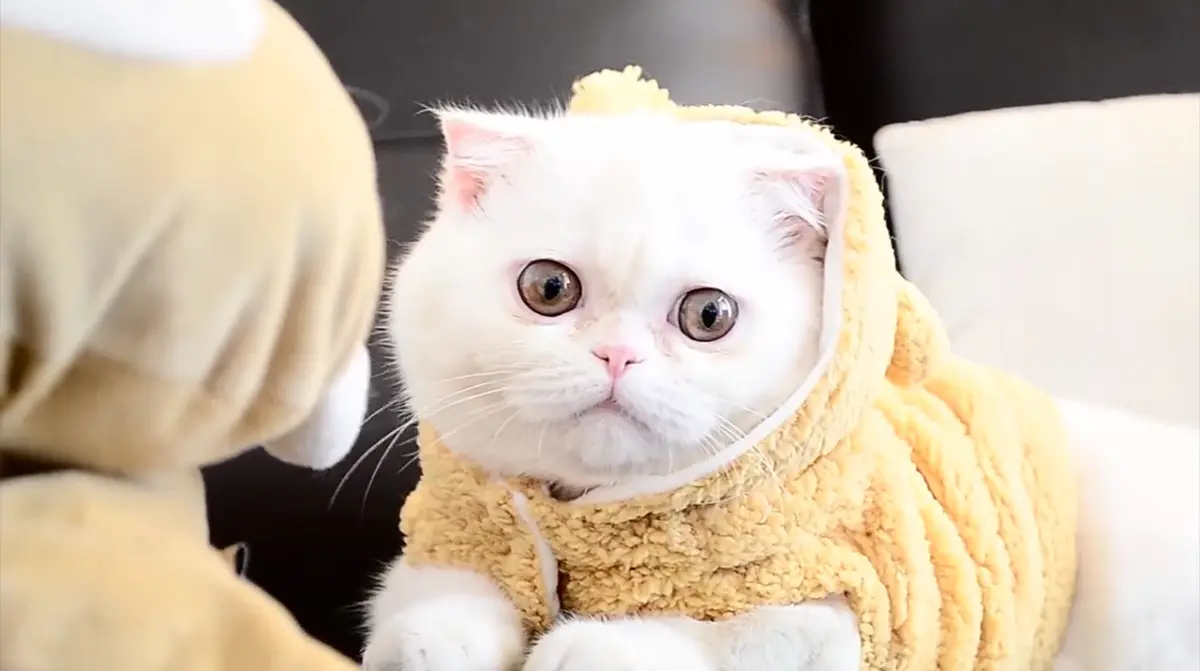
7. Exotic Shorthair: The Plush Homebody
Often referred to as the "lazy man’s Persian," the Exotic Shorthair features the flat, sweet face and stocky build of a Persian combined with an easy-to-manage short coat.
- Behavioral Trait: They possess a remarkably calm, laid-back energy level, preferring quiet lounging over frantic acrobatics.
- Travel Suitability: Exotic Shorthairs require significantly less grooming than their longhaired counterparts and are content with self-play and resting. Their sweet, undemanding nature ensures they handle short absences with serene composure.
8. Mixed Breeds and Rescues: The Ultimate Adaptability
While purebred cats offer predictable behavioral baselines, rescue organizations and animal shelters emphasize that individual temperament trumps pedigree.
- Behavioral Trait: Mixed-breed cats often display exceptional resilience forged through diverse genetic pools.
- Travel Suitability: According to the American Society for the Prevention of Cruelty to Animals (ASPCA), an individual shelter cat assessed for calmness, independence, and sociability can make an extraordinary travel companion. Adopting a mature cat whose personality is already fully formed allows you to match a specific, travel-ready temperament directly to your lifestyle.
Supporting Context & Metrics: Feline Psychology During Owner Absence
To properly care for a cat while traveling frequently, owners must look past anthropomorphic assumptions and examine empirical veterinary data.
Understanding Feline Solitude Thresholds
VCA Animal Hospitals notes that while healthy adult cats can comfortably manage 24 to 48 hours alone with plentiful water, automated feeders, and pristine litter boxes, extended isolation triggers severe physiological and psychological stress. Prolonged absence without human interaction can manifest as:
- Inappropriate elimination: Urinating outside the litter box as a territorial response to stress.
- Over-grooming (psychogenic alopecia): A stress-induced compulsion where cats lick or chew their fur off.
- Behavioral regression: Increased aggression, hiding, or excessive vocalization.
The Role of Environmental Enrichment
For independent breeds like the British Shorthair or Russian Blue, the impact of an owner’s two-to-three-day absence can be entirely mitigated through targeted environmental enrichment:
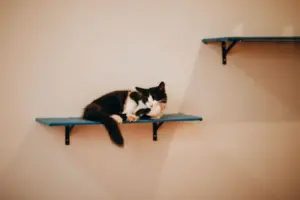
- Vertical Space: Providing secure cat trees and window perches allows cats to monitor their territory, fulfilling natural predatory and observational instincts.
- Automated Feeding Systems: Precision timed-feeders maintain dietary consistency, preventing the anxiety associated with erratic mealtimes.
- Interactive Technology: Camera systems with two-way audio allow owners to check in and speak to their pets, offering a familiar vocal anchor during long trips.
Official Guidelines & Expert Recommendations
Industry authorities and veterinary organizations provide clear frameworks for ensuring that frequent travel does not compromise animal welfare.
The CFA Perspective
The Cat Fanciers’ Association emphasizes that breed selection must align with the owner’s domestic reality. Selecting a high-energy, clingy breed (such as an Abyssinian or Burmese) while maintaining a travel-heavy schedule is a recipe for behavioral distress. Conversely, choosing an independent breed guarantees that the animal’s baseline emotional needs are better aligned with intermittent human presence.
Veterinary Care Protocols for Travelers
When preparing for a trip, veterinarians recommend establishing a reliable in-home pet-sitting routine rather than traditional boarding whenever possible. Cats are intensely territorial animals; moving them to a boarding facility disrupts their sense of security. A trusted pet sitter who visits once or twice daily to feed, scoop, and play ensures the cat remains in its comfort zone while receiving necessary human socialization.
Future Outlook: The Evolution of Pet Care for the Global Citizen
As remote work, digital nomadism, and international business continue to rise, the pet care industry is rapidly adapting to support frequent travelers.
- Smart Home Integration: The future of feline care during travel lies in hyper-connected ecosystems. Automated litter boxes that track waste frequency, intelligent water fountains that monitor hydration, and AI-driven laser toys ensure physical health metrics are tracked in real-time, beaming data directly to the traveling owner’s smartphone.
- Advanced Veterinary Telehealth: Tele-triage services now allow pet sitters to consult with emergency veterinarians via video call instantly, bridging the gap between an absent owner and immediate medical intervention.
- Breed Research and Behavioral Matching: Future adoption protocols in shelters are increasingly utilizing algorithmic temperament testing to match rescue cats specifically with high-travel households, ensuring a higher rate of successful, lifelong placements.
Ultimately, frequent travel and cat ownership are not mutually exclusive. By selecting independent, resilient breeds—or carefully vetting resilient rescue cats—and implementing robust in-home care strategies, globetrotting owners can enjoy the best of both worlds: a fulfilling life of exploration and a loving, well-adjusted feline waiting faithfully upon their return.