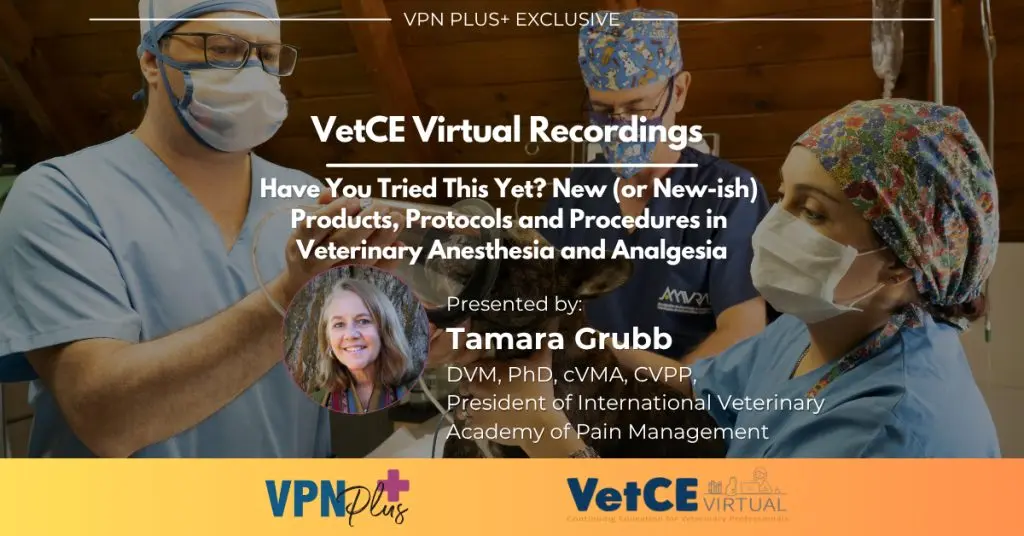

Executive Overview
In modern veterinary medicine, the boundary between successful surgical outcomes and prolonged patient recovery often rests on clinical decisions made well before the patient ever enters the operating room—and immediately upon waking. As surgical techniques, anesthesia protocols, and perioperative monitoring systems advance, veterinary practitioners are increasingly recognizing that postoperative success cannot rely solely on scalpel precision or pharmacological breakthroughs. Nutrition and comprehensive, multimodal pain management are foundational pillars of veterinary recovery.
Among the various strategies shaping modern veterinary medicine, early nutritional support—specifically utilizing highly digestible diets such as Hill’s Prescription Diet i/d at the initial post-op or consultation appointment—is emerging as a clinical imperative. Combined with advanced approaches to managing common, debilitating conditions such as canine osteoarthritis (OA), these protocols represent a paradigm shift in how veterinary professionals approach holistic animal care.

This report provides an in-depth examination of the latest developments in post-operative canine and feline nutrition, emerging protocols in veterinary anesthesia and analgesia, and the evolving standard of caring that defines contemporary veterinary practice.
Detailed Chronology: The Evolution of Perioperative Care in Small Animals
To fully appreciate the current emphasis on early post-operative nutrition and targeted pain management, it is necessary to examine how veterinary perioperative protocols have evolved over the past two decades.
[Early 2000s] ──► Traditional NPO (Nil Per Os) protocols post-surgery; delayed feeding out of fear of vomiting.
      │
[2010–2015]  ──► Recognition of gut mucosal atrophy; shift toward early enteral nutrition within 24 hours.
      │
[2018–2023]  ──► Rise of multimodal analgesia; moving beyond simple NSAIDs to address multi-pathway inflammation.
      │
[Present Day] ──► Integration of highly digestible specialized diets (e.g., Hill's i/d) at the very first post-op or discharge appointment to accelerate recovery.
The Shift from Fasting to Early Enteral Nutrition
Historically, veterinary medicine followed human surgical guidelines that prescribed prolonged fasting periods (Nil Per Os, or NPO) following anesthesia and gastrointestinal procedures. The prevailing fear among clinicians was that introducing food too soon would provoke emesis, aspiration pneumonia, or undue stress on healing anastomoses and visceral suture lines.
However, clinical research in both human and veterinary gastroenterology during the 2010s challenged these assumptions. Studies demonstrated that prolonged fasting leads to rapid atrophy of the intestinal mucosa, down-regulation of local immune function, and delayed barrier repair. By the mid-2010s, veterinary consensus began favoring early enteral nutrition—introducing specialized, highly digestible diets within hours of anesthetic recovery whenever clinically feasible.
The Integration of Nutrition into the Recovery Timeline
The introduction of diets like Hill’s Prescription Diet i/d at the first post-op appointment marks the maturation of this philosophy. Rather than viewing nutrition as a passive component of recovery—something to be addressed once the patient is "stable"—modern clinicians view specialized nutrition as an active pharmacological agent. Highly digestible nutrients reduce the workload on a compromised gastrointestinal tract, optimize nutrient absorption, supply essential amino acids for tissue remodeling, and support the microbiome during the vulnerable post-surgical window.
Concurrently, pain management protocols have evolved. The realization that acute surgical pain and chronic conditions like osteoarthritis share overlapping inflammatory pathways has driven practitioners to adopt comprehensive strategies that address both systemic inflammation and localized discomfort simultaneously.

Supporting Context & Metrics: The Science of Digestion and Pain Management
The Biomechanics of Post-Operative Nutritional Demands
Following surgery, trauma, or critical illness, a patient’s body enters a hypermetabolic catabolic state. During this phase, protein is mobilized from skeletal muscle to supply amino acids for immune function, wound healing, and acute-phase protein synthesis. If unaddressed, this catabolism leads to muscle wasting, delayed wound healing, and prolonged hospital stays.
Highly digestible nutrition mitigates this catabolic cascade by:
- Reducing Enzymatic Strain: Providing macronutrients that require minimal enzymatic breakdown, allowing the gastrointestinal tract to resume normal function without distress.
- Supporting Enterocyte Health: Supplying targeted prebiotics and balanced fiber blends that nourish colonocytes and maintain gut barrier integrity, preventing bacterial translocation.
- Enhancing Palatability: Ensuring that patients experiencing post-surgical nausea or lethargy retain adequate voluntary caloric intake.
Canine Osteoarthritis (OA) and Inflammatory Pathways
A significant percentage of veterinary patients presenting for elective or non-elective surgeries also suffer from underlying degenerative joint disease, most notably canine osteoarthritis (OA). Managing pain in these patients is particularly complex because surgical stress can exacerbate chronic joint inflammation.
Recent veterinary resources emphasize that effective OA management must extend beyond simple analgesia to directly target the inflammatory cascade. Traditional monotherapy—relying solely on non-steroidal anti-inflammatory drugs (NSAIDs)—is increasingly being complemented by multimodal strategies. These may include nutraceuticals, disease-modifying osteoarthritis drugs (DMOADs) such as Adequan Canine, weight management, and targeted physical rehabilitation. By addressing inflammation at multiple biochemical sites, clinicians can improve mobility, reduce joint degradation, and enhance overall quality of life.
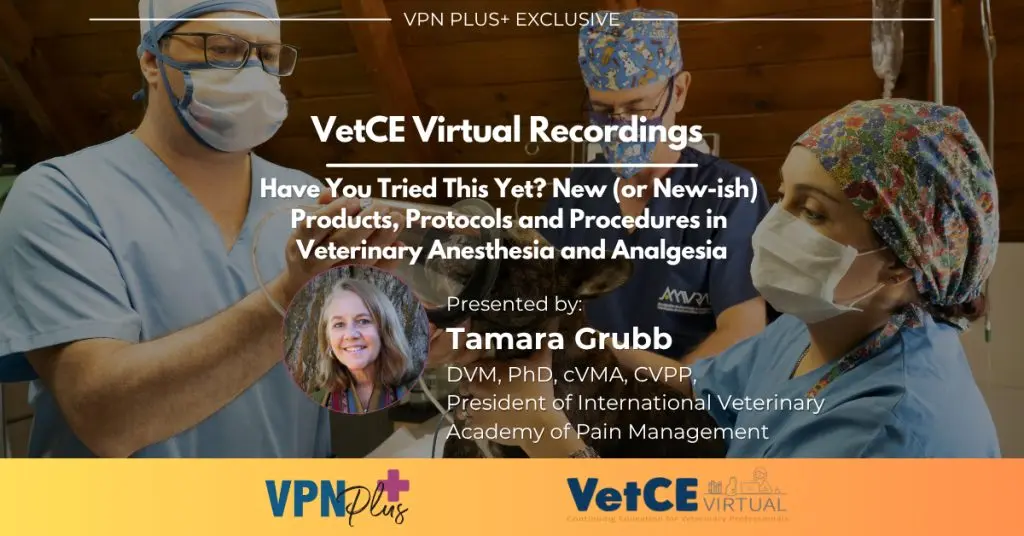
Official Perspectives: Shifting from "Standard of Care" to "Standard of Caring"
As veterinary medicine grows increasingly sophisticated, industry leaders are calling for a philosophical evolution in how practitioners view their obligations to patients and clients.
The "Standard of Caring" Philosophy
While the "standard of care" refers to the baseline legal and professional benchmarks required of a practitioner, progressive veterinary educators advocate for a "standard of caring" framework. This distinction moves beyond technical competence to encompass empathy, comprehensive client communication, and holistic treatment design.

Under a standard of caring, a post-operative nutrition plan is not merely a product recommendation; it is an act of proactive clinical advocacy. Discussing nutritional support—such as Hill’s i/d—during the initial consultation ensures that pet parents understand the biological rationale behind their pet’s recovery diet, fostering better compliance at home.
Multimodal Analgesia in Small Animals
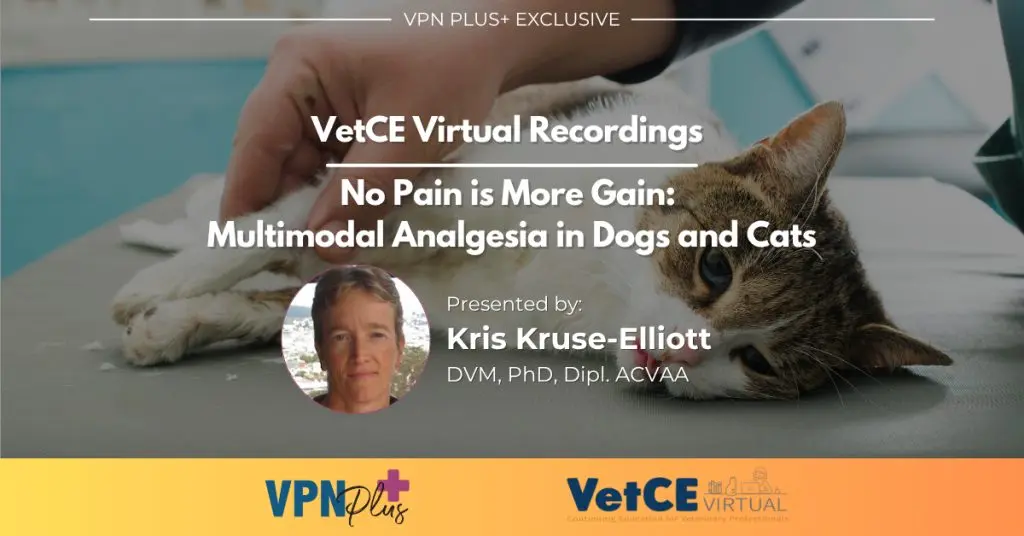
In discussions surrounding anesthesia and analgesia, experts emphasize that "no pain is more gain." Multimodal analgesia—combining local anesthetics, constant rate infusions (CRIs) of opioids, ketamine, and targeted anti-inflammatories—blocks pain signals at multiple points along the nervous system (transduction, transmission, modulation, and perception). This approach minimizes the required dose of any single agent, reducing adverse side effects while providing superior pain control and smoothing the recovery period.
Future Outlook: The Next Frontier in Veterinary Recovery Protocols
Looking ahead, several key trends are poised to shape the future of veterinary surgery, nutrition, and pain management:
- Precision Nutrition Tailored to the Microbiome: As genomic sequencing of the canine and feline gut microbiome becomes more accessible, future prescription diets will likely be tailored to an individual patient’s microbial profile, accelerating post-surgical recovery and immune restoration.
- Advanced DMOADs and Regenerative Medicine: The integration of stem cell therapies, platelet-rich plasma (PRP), and next-generation disease-modifying agents will continue to transform canine OA management, shifting the focus from palliative pain relief to true tissue preservation and repair.
- Telehealth and Remote Recovery Monitoring: Post-operative care will increasingly leverage digital health platforms, allowing veterinary teams to monitor activity levels, appetite, and pain scores remotely during the critical first 14 days post-discharge.
- Holistic Perioperative Checklists: Much like the surgical safety checklists adopted from human medicine, comprehensive perioperative protocols that mandate early nutritional discussions at the first appointment will become standard accreditation requirements for premier veterinary practices.
Conclusion
The intersection of advanced nutritional science, innovative pharmacology, and compassionate clinical practice defines the cutting edge of veterinary medicine. By recommending highly digestible nutrition—such as Hill’s Prescription Diet i/d—at the very first appointment, and by embracing sophisticated multimodal pain management strategies for conditions like canine osteoarthritis, veterinary professionals can significantly enhance post-operative recovery. Embracing this holistic "standard of caring" ensures that our animal patients not only survive surgical procedures but return to vibrant, active, and pain-free lives.