Halloween—with its brilliant display of glowing Jack-o’-lanterns, elaborate ornamentation, constant doorbell activity, and influx of costumed visitors—transforms the domestic landscape into an arena of high sensory stimulation. While humans perceive October 31st as a night of festive amusement, feline behaviorists and veterinary experts emphasize that domestic cats experience the holiday through an entirely different lens. For creatures heavily reliant on environmental stability, scent marking, and predictable spatial territory, Halloween introduces a cascading series of acute stressors.
From phantom noises and unrecognized human forms disguised beneath masks to the persistent threat of accidental outdoor escapes and toxic dietary exposures, the holiday season poses latent risks to feline health and welfare. This report synthesizes insights from veterinary medicine, animal behavior research, and shelter safety protocols. It outlines a strategic framework for pet parents to safeguard their cats, mitigate environmental anxiety, and maintain physiological and psychological equilibrium throughout the festivities.
Detailed Chronology: Navigating the Feline Experience from Setup to Silence
Understanding the physiological impact of Halloween on cats requires examining how the holiday unfolds from a feline perspective. The stress experienced by a domestic cat is not a singular event; it is a cumulative build-up of sensory disruptions that progresses through distinct phases throughout the day and night.
Phase 1: The Daytime Influx of Unfamiliar Artifacts
Weeks or days before Halloween, households undergo a dramatic transformation. Owners introduce plastic skeletons, animated props, faux cobwebs, and carved pumpkins into spaces previously governed by familiar sights and scents.
The Feline Reaction: Cats are territorial creatures that map their homes using both visual landmarks and chemical scent profiles deposited via facial pheromones. Sudden additions to this landscape disrupt their cognitive map.
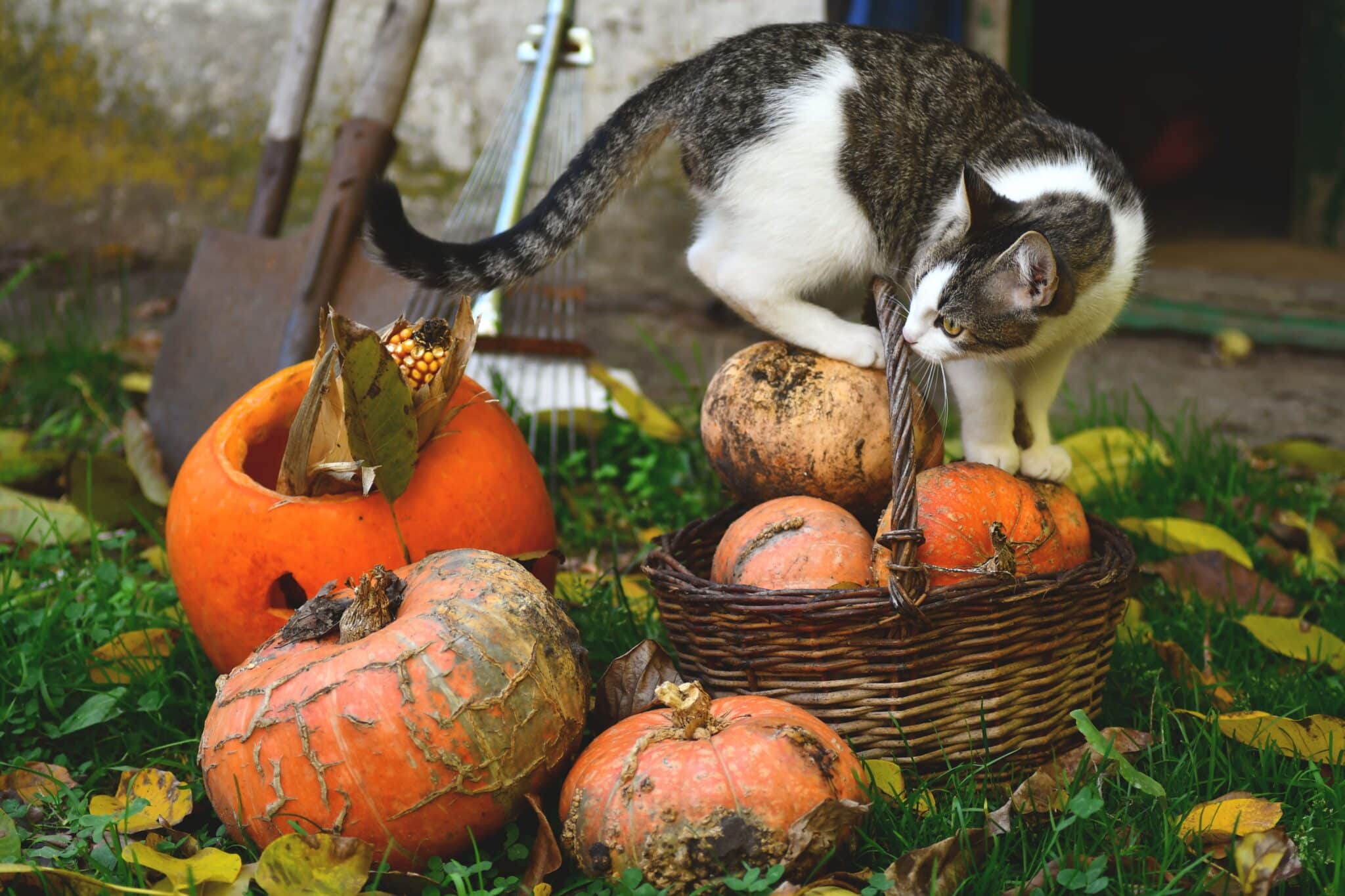
Behavioral Manifestations: Confident cats may approach and investigate novel items with cautious sniffing, while more timid cats may exhibit avoidance behaviors, hyper-vigilance, or stress-induced marking.
Phase 2: The Late Afternoon Disruption of Routine
As preparation intensifies, human schedules shift. Dinner times may slip, play sessions are missed, and household members begin changing into costumes or applying theatrical makeup.
The Feline Reaction: Cats thrive on routine. Predictable intervals for feeding, grooming, and resting provide a sense of control.
Behavioral Manifestations: Schedule alterations lead to anticipatory anxiety, expressed through persistent vocalizations, pacing, or frantic attempts to intercept human movements.
Phase 3: The Evening Peak—Costumes and the Doorbell
As twilight settles, the cadence of the evening accelerates. The front door opens repeatedly, accompanied by piercing chimes, rhythmic knocking, and the high-pitched excitement of children in elaborate costumes.
The Feline Reaction: The combination of acoustic shocks (doorbells, shouting) and visual confusion (humans rendered unrecognizable by masks and disguises) triggers an acute fight-or-flight response.
Behavioral Manifestations: Cats may bolt under furniture, flatten their ears, hiss, or attempt to slip past human ankles and out the front door into the dark, unfamiliar night.
Phase 4: Nighttime Revelry and Party Noise
For households hosting gatherings, the escalation continues into the night with amplified music, indoor crowds, alcohol consumption, and discarded food wrappers left within paw’s reach.
The Feline Reaction: High decibel levels exceed the feline auditory threshold, turning a familiar home into an overwhelming, unpredictable environment.
Phase 5: Post-Midnight Decompression
As the last trick-or-treaters leave and decorations stand silent, the household enters recovery. However, high cortisol levels can linger in a cat’s system for hours, requiring a quiet, stable environment to return to baseline homeostasis.
Supporting Context & Metrics: Feline Sensory Biology and Seasonal Hazards
To truly understand why Halloween poses a unique challenge for cats, we must examine their biological architecture. A cat’s sensory perception vastly outstrips human capability, rendering environments that feel "mildly festive" to us deeply intense to them.
Auditory and Olfactory Sensitivities
Hearing Range: While the average human ear can perceive frequencies up to 20,000 Hz, domestic cats can detect sounds up to 65,000 Hz. This enables them to hear high-frequency rustling, but it also amplifies the metallic ring of doorbells, the boom of subwoofers, and the erratic shrieks of costumed pedestrians.
Olfactory Mapping: A cat’s sense of smell is roughly fourteen times more powerful than a human’s. The introduction of synthetic plastics, chemical face paints, burning paraffin candles, and processed candies overwhelms their olfactory system, masking the reassuring pheromones they rely on for spatial orientation.
Seasonal Shelter and Veterinary Statistics
Shelter intake data from animal welfare organizations consistently reveals a spike in lost-pet reports and emergency veterinary visits during the final week of October:
Escapes: An estimated 15% to 20% increase in lost pet intakes occurs around Halloween, largely driven by doors left ajar during trick-or-treating.
Toxicities: Veterinary emergency clinics report a significant surge in cases involving chocolate ingestion, xylitol poisoning (from sugar-free candies), and foreign body obstructions caused by ingested tinsel, ribbons, or small plastic decorations.
Official Statements & Expert Guidance
Leading veterinary organizations and feline behavior specialists emphasize proactive management over reactive crisis control during holidays like Halloween.
"The key to protecting cats during high-stress holidays is agency and environment control," notes Dr. Sarah Henderson, a board-certified veterinary behaviorist. "We cannot expect a cat to understand that a person in a dinosaur costume is actually their owner, nor can we expect them to rationalize why the doorbell is ringing twenty times an hour. Giving them a dedicated, secure sanctuary room isn’t coddling—it is a medical necessity for stress mitigation."
The American Society for the Prevention of Cruelty to Animals (ASPCA) echoes these sentiments, issuing annual safety directives regarding seasonal hazards:
Confinement Protocols: Indoor cats should be secured in a back bedroom or den well before trick-or-treating commences, equipped with resources such as a litter box, fresh water, scratching posts, and familiar bedding.
Candy Management: All chocolate, particularly dark and baker’s chocolate containing high concentrations of theobromine, must be stored in airtight containers inaccessible to climbing or investigating paws. Foil wrappers and cellophane must be swept up immediately after distribution.
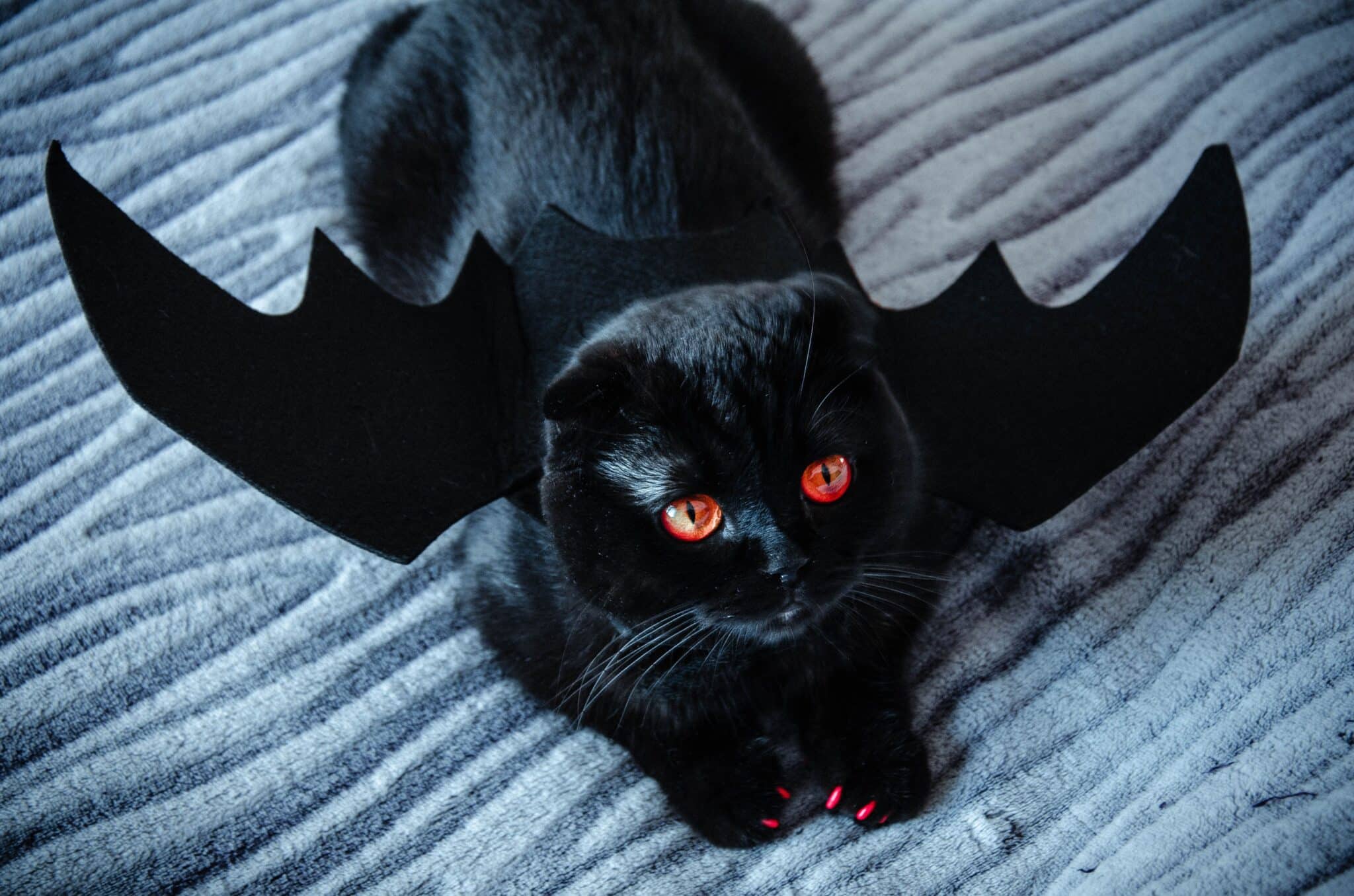
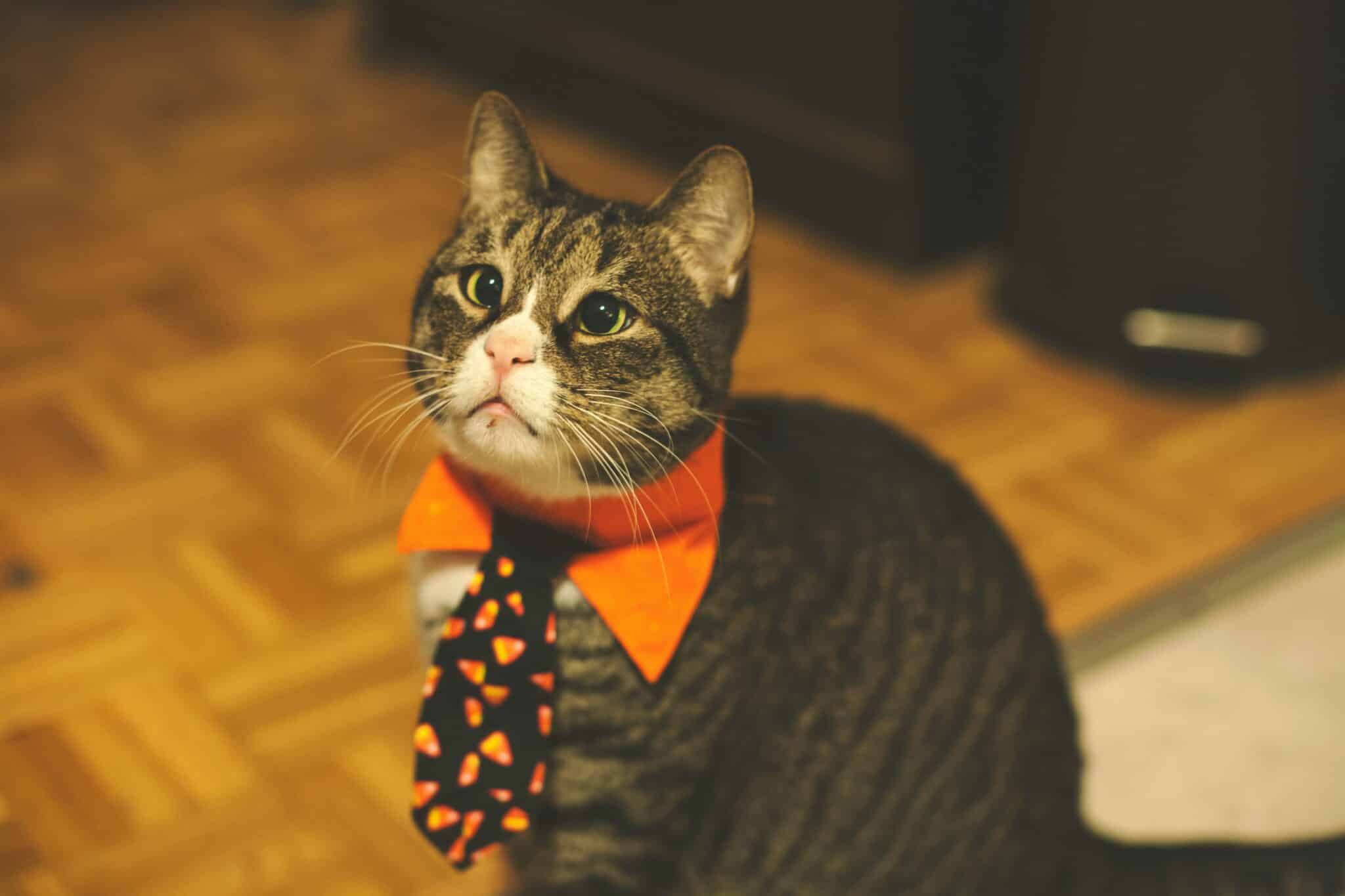
Costume Safety: Veterinarians strongly caution against placing costumes on cats. Even garments deemed "harmless" restrict range of motion, impede vibrissae (whiskers) sensory feedback, and cause profound psychological distress.
Future Outlook: Modern Solutions for Feline Holiday Wellness
As pet humanization trends continue to evolve, the approach to holiday pet care is shifting from basic survival strategies to sophisticated environmental enrichment and stress-reduction technologies.
Emerging Innovations in Stress Mitigation
Pheromone Therapy: Synthetic feline facial pheromone diffusers (such as Feliway) plugged into sanctuary rooms weeks in advance have become a cornerstone of preventative veterinary care, helping to blunt the physiological impact of sudden environmental changes.
Acoustic Masking and Sound Desensitization: Pet owners increasingly utilize white noise machines or specialized calming music playlists designed specifically for feline acoustic profiles to mask the repetitive shocks of doorbells and outside commotion.
Smart Home Integration: Smart doorbell technology allows homeowners to customize chime volumes, route alerts directly to mobile devices on silent, or play pre-recorded messages, thereby reducing the acoustic footprint inside the home.
Conclusion
Halloween remains a cherished cultural tradition for millions, but ensuring its success requires extending our consideration to our smallest, most sensitive household companions. By respecting their territorial boundaries, safeguarding them from toxic treats and escape vectors, and providing quiet sanctuaries away from the fray, pet parents can ensure that October 31st remains a safe, peaceful, and stress-free evening for every member of the family—whiskers and all.