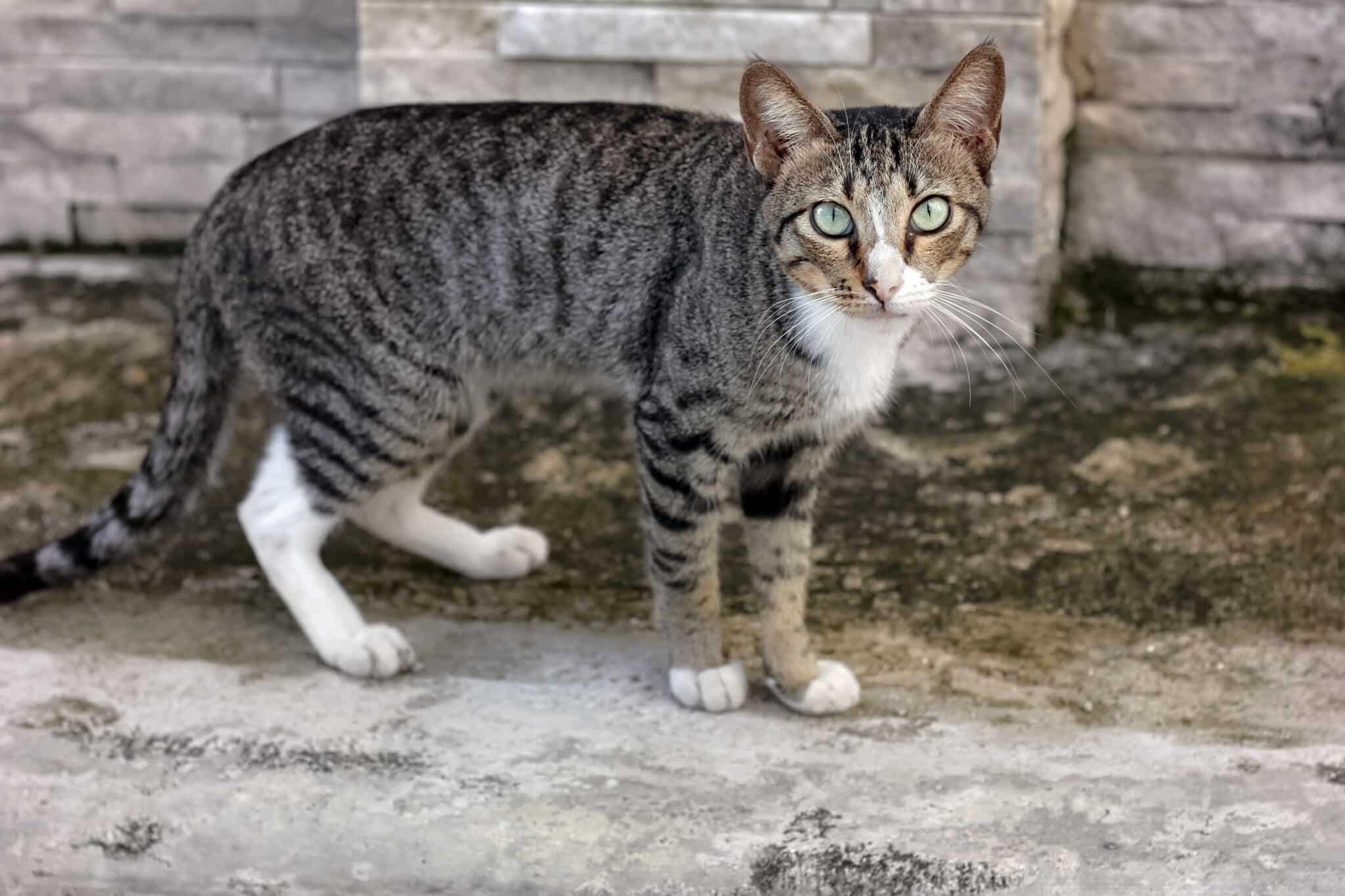
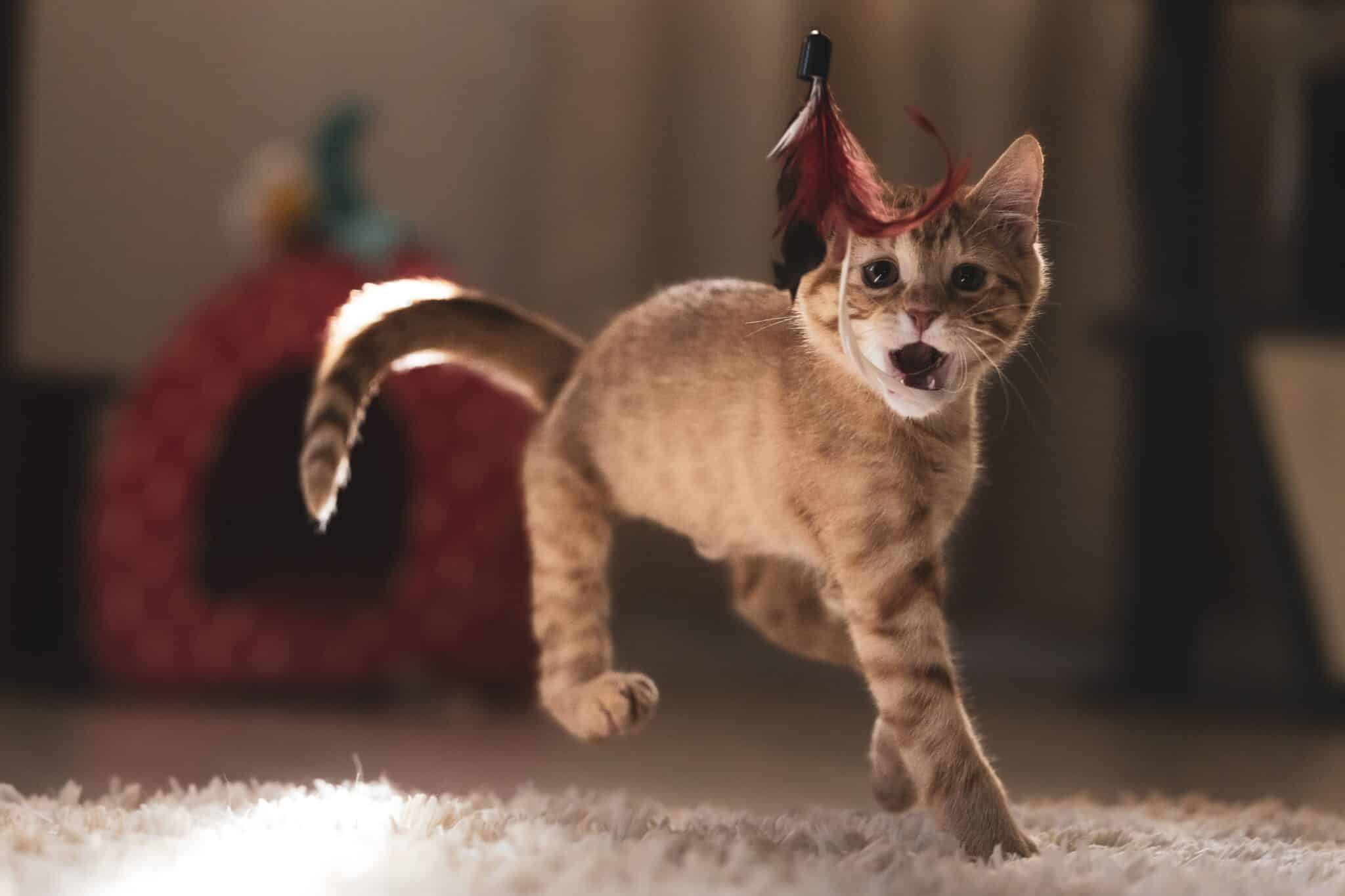
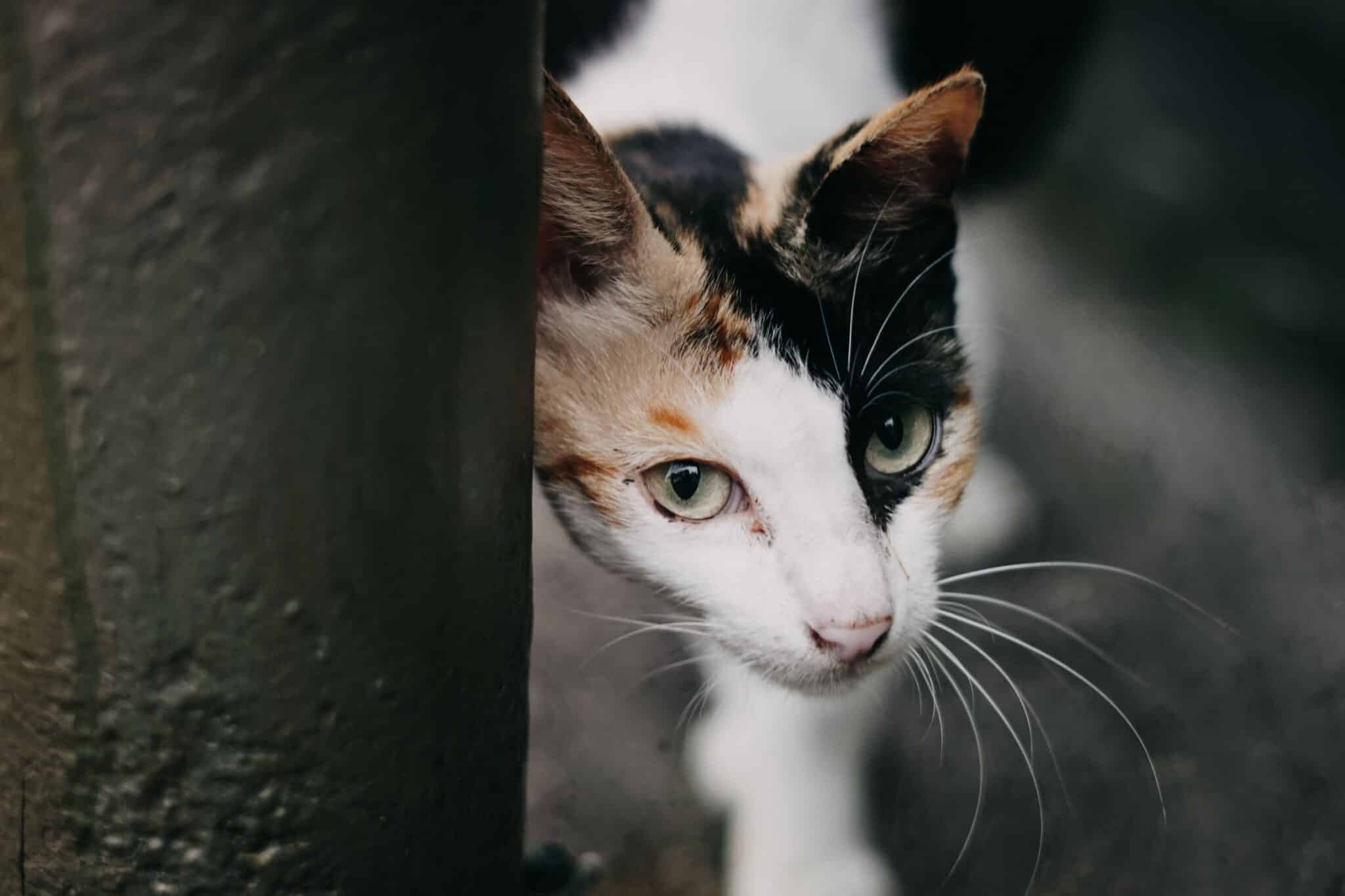
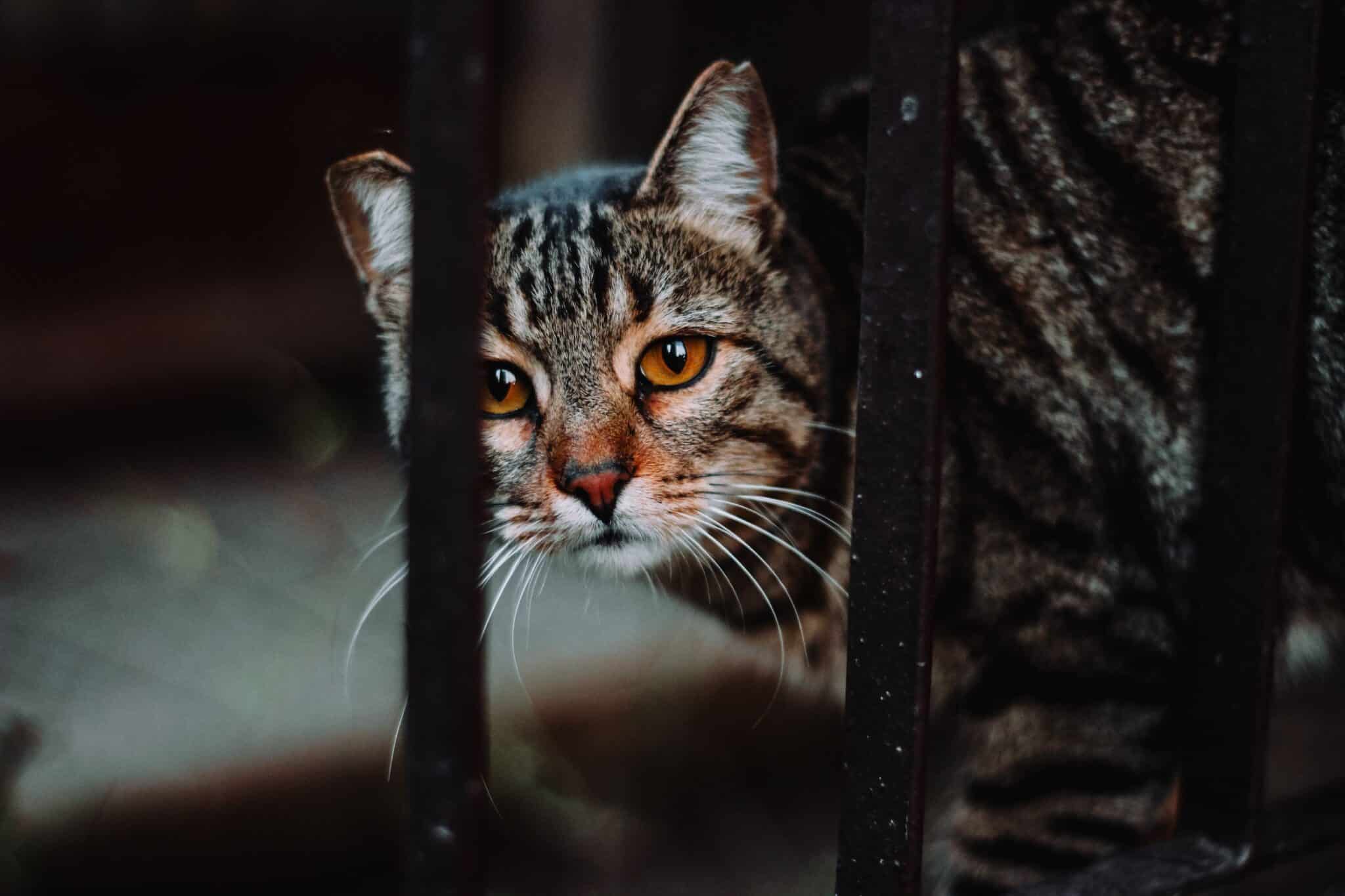
To share a home with a cat is to live alongside a masterclass in domestic mystery. With their glowing eyes in dim corridors, phantom footsteps in the dead of night, and sudden, frenzied midnight sprints, felines possess an uncanny ability to infuse the mundane with the supernatural. Popular culture has long capitalized on this mystique—casting cats as familiars to witches, shadowy omens, or eerie sentinels guarding the threshold between worlds.
However, beneath the theatrical veneer of these ghost-story habits lies a fascinating framework of biological adaptations, hyper-refined sensory systems, and ancient predatory instincts. When a cat stares fixedly into an empty corner, it is rarely communicating with phantoms; rather, it is parsing high-frequency acoustic waves or sub-audible structural vibrations that completely bypass human perception. When a sleek shadow materializes silently beside the sofa, it is the result of specialized paw padding and a flexible skeletal structure engineered for apex ambush hunting.
This investigative report explores the scientific realities governing feline behavior. By examining the anatomy behind the glowing tapetum lucidum, the evolutionary drivers of nocturnal "zoomies," the specialized neuro-sensors embedded in whiskers, and the behavioral indicators separating normal quirkiness from medical distress, we demystify the mesmerizing, otherworldly charm of our domestic feline companions.
Detailed Chronology: Evolution, Domestication, and the Genesis of Feline Mystique
To understand why modern house cats behave like miniature supernatural predators, one must examine the evolutionary timeline that transformed Felis catus from wild desert dweller to household roommate.
Phase I: The Ancestral Blueprint (Felis lybica)
Unlike dogs, which were domesticated primarily for cooperative working roles (herding, hunting, guarding), cats largely domesticated themselves. Roughly 10,000 to 12,000 years ago in the Fertile Crescent, the African wildcat (Felis lybica) recognized an ecological abundance: human agricultural settlements attracted dense populations of rodents. These wild ancestors were solitary, crepuscular (active primarily at dawn and dusk), and hyper-specialized stalk-and-ambush predators. The traits that modern humans find "eerie"—silent movement, fixed staring, nocturnal hyperactivity, and specialized night vision—were originally optimized for survival and rodent eradication on the arid plains.
Phase II: The Medieval Misunderstanding
As cats integrated into human society, traveling along trade routes to Europe, Asia, and eventually the Americas, their nocturnal habits and independent nature fostered deep cultural anxieties. During medieval Europe, particularly in periods plagued by superstition, the cat’s ability to navigate absolute darkness, combined with its independent refusal to submit entirely to human command, cast a dark shadow over its reputation. Felines became inextricably linked with folklore, witchcraft, and the occult. Even today, evolutionary psychogists note that humans retain a hardwired vigilance toward creatures that possess predatory adaptations—such as unblinking eyes and silent footsteps—which explains why modern cat owners still half-jokingly accuse their pets of being "possessed."
Phase III: The Modern Domestic Interface
Today, the evolutionary disconnect between the ancient wildcat and the modern apartment dweller generates the very quirks that fascinate pet owners. A cat whose genetic code demands nocturnal hunting practice is instead living in a quiet suburban home at 3:00 AM. This mismatch gives rise to midnight zoomies, phantom vocalizations, and frantic investigations of empty walls—bridging a 10,000-year gap between primordial survival instincts and twenty-first-century living rooms.
Supporting Context & Metrics: The Biological Machinery of Mystery
To separate feline folklore from physiological fact, it is necessary to examine the anatomical and sensory metrics that govern a cat’s perception of the world.
Feline Sensory Trait
Biological Mechanism / Anatomy
Human Comparison / Context
Night Vision & Glow
Tapetum lucidum (reflective cellular layer behind the retina)
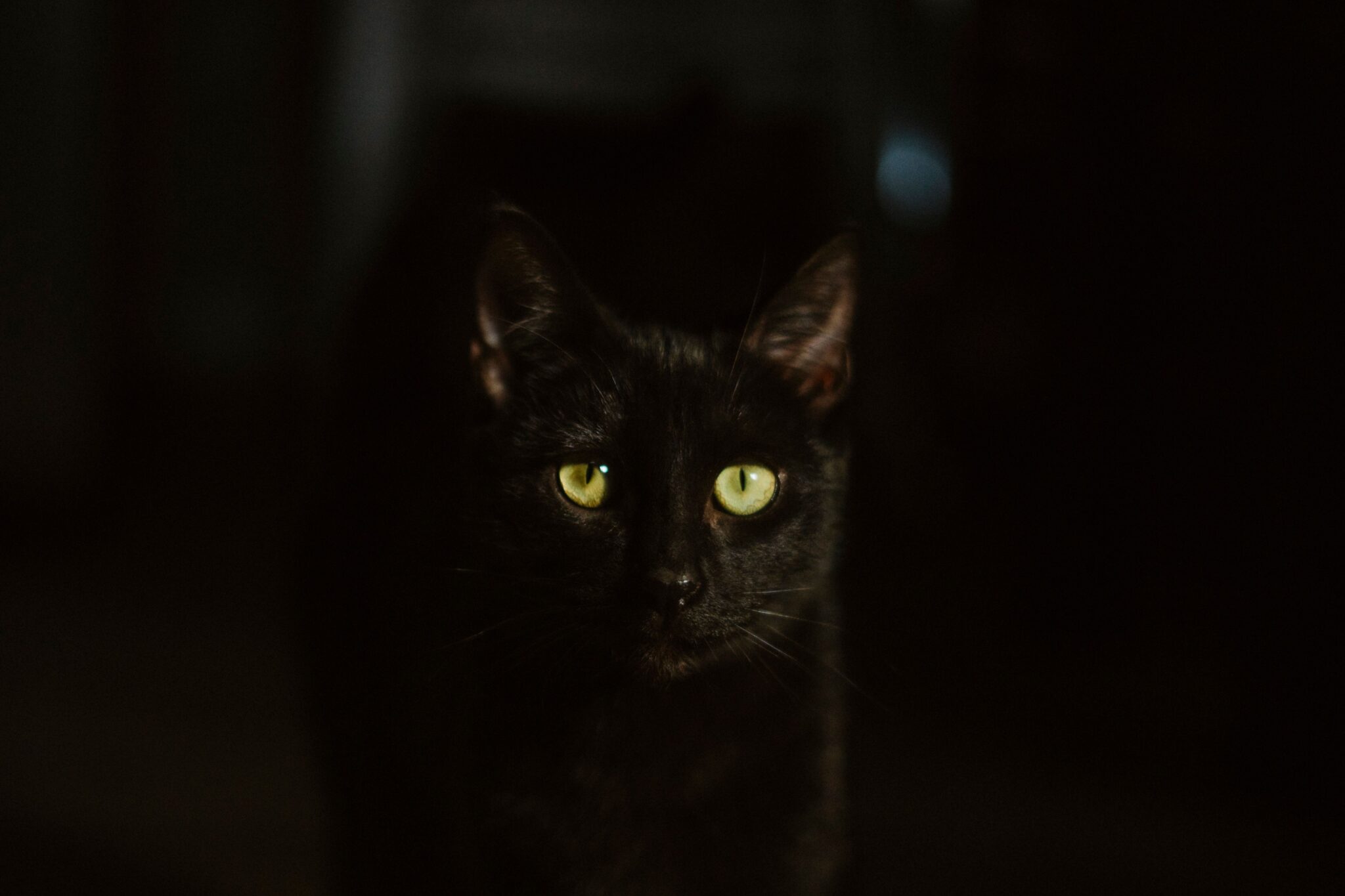
Cats require roughly 1/6th of the light humans need; eyes reflect light back through photoreceptors, creating an "eye-shine" glow.
Auditory Range
Cochlear sensitivity to high-frequency waves (up to 64,000 Hz)
Humans max out at roughly 20,000 Hz. Cats can hear ultrasonic mouse squeaks and structural settling.
Tactile Navigation
Proprioceptive mystacial vibrissae (whiskers rooted deep in vascularized tissue)
Whiskers act as spatial antennae, measuring air currents, spatial dimensions, and surface textures in total darkness.
Stealth Locomotion
Retractable claws and thick, adipose digital pads (paw cushions)
Softened footfalls eliminate ground vibrations, allowing for soundless, predatory approaches.
The Mechanics of the "Ghost Stare"
When a cat fixes its gaze on an apparently blank drywall corner, human observers often feel a chill. Ethologists and veterinary neurologists explain this phenomenon through sensory telemetry. Cats possess an auditory range that vastly exceeds human capabilities. A faint buzzing in electrical wiring, a subterranean termite colony chewing through drywall timber, a settling foundation, or a trapped insect vibrating behind insulation all register clearly to a cat. Because their attention is magnetically drawn to micro-movements and subtle vibrations, they will lock onto a coordinate with unwavering focus, waiting for the hidden stimulus to declare itself.
Official Statements and Expert Perspectives
Behavioral veterinarians and animal psychologists emphasize that while cats may look supernatural, their actions are entirely grounded in evolutionary biology.
Dr. Anita Harrison, a noted feline behavioral specialist, explains:
"When owners look at their cat darting through the hallway at midnight or staring into space, they project human narratives onto the animal—ghosts, spirits, or sudden madness. From a clinical perspective, we see precision engineering. Every quirk is a functional evolutionary tool. The midnight zoomies are metabolic burn-offs for a crepuscular hunter whose biological clock tells it that dawn is approaching, while the staring episodes reflect an acoustic and visual radar system that is simply picking up data we are completely blind to."
Furthermore, veterinary toxicologists and neurologists point out that while most strange behaviors are benign, owners must remain vigilant. Sudden, obsessive staring accompanied by head-pressing against walls or erratic vocalizations can occasionally signal neurological distress, cognitive dysfunction syndrome (feline dementia), or ophthalmic pain. Understanding the baseline of a cat’s "spooky" behavior is critical for accurately identifying when a quirk crosses the line into a medical emergency.
Future Outlook: Deepening Our Understanding of the Feline Mind
As veterinary science, ethology, and neurobiology advance, our appreciation for the complex interior lives of cats continues to deepen. The future of feline care points toward enhanced environmental enrichment—such as puzzle feeders, automated tracking toys, and vertical territory expansion—designed specifically to satisfy the ancient predatory drives that manifest as midnight chaos.
Rather than diminishing the magic of our feline companions, demystifying their spooky habits only enhances our connection to them. The glowing eyes, the silent footsteps across hardwood floors, and the sudden, acrobatic sprints are not signs of otherworldly haunting. Instead, they are living testaments to millions of years of evolutionary perfection, packed neatly into a domesticated body that curls up on our laps when the sun comes up.
The next time a cat halts mid-stride, locks its amber eyes on a darkened shadow, and vanishes silently down a hallway, owners can smile knowing they are sharing their home with one of nature’s most sophisticated, perfectly engineered little hunters.