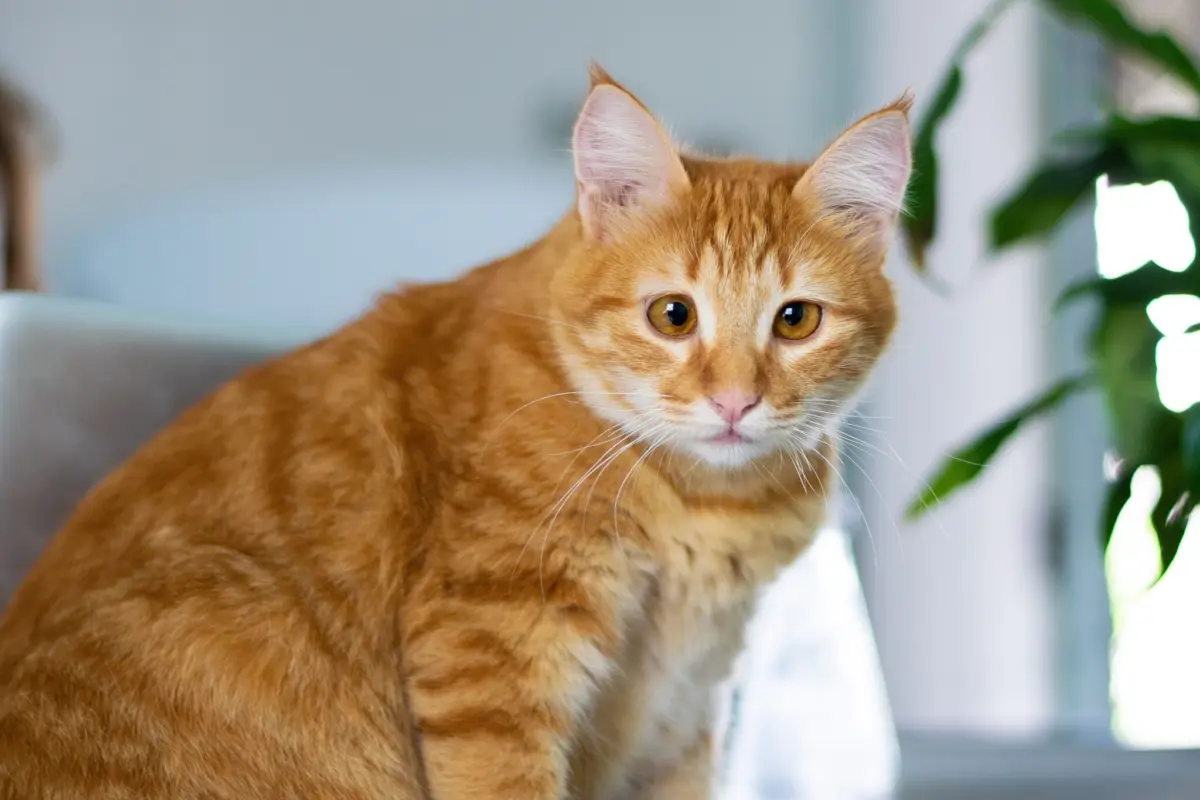
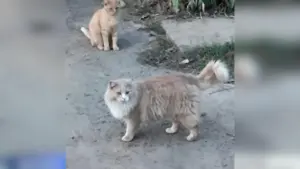
To the casual observer, the orange cat lounging lazily on a living room sofa appears to be wrapped in a uniform blanket of warm, sun-kissed ginger fur. Often affectionately dubbed "ginger cats," "marmalade cats," or "orange tabbies," these felines occupy a beloved space in popular culture, frequently characterized as charismatic, goofy, and endlessly affectionate companions. However, beneath this cozy exterior lies a complex tapestry of feline genetics, evolutionary biology, and historical human perception.
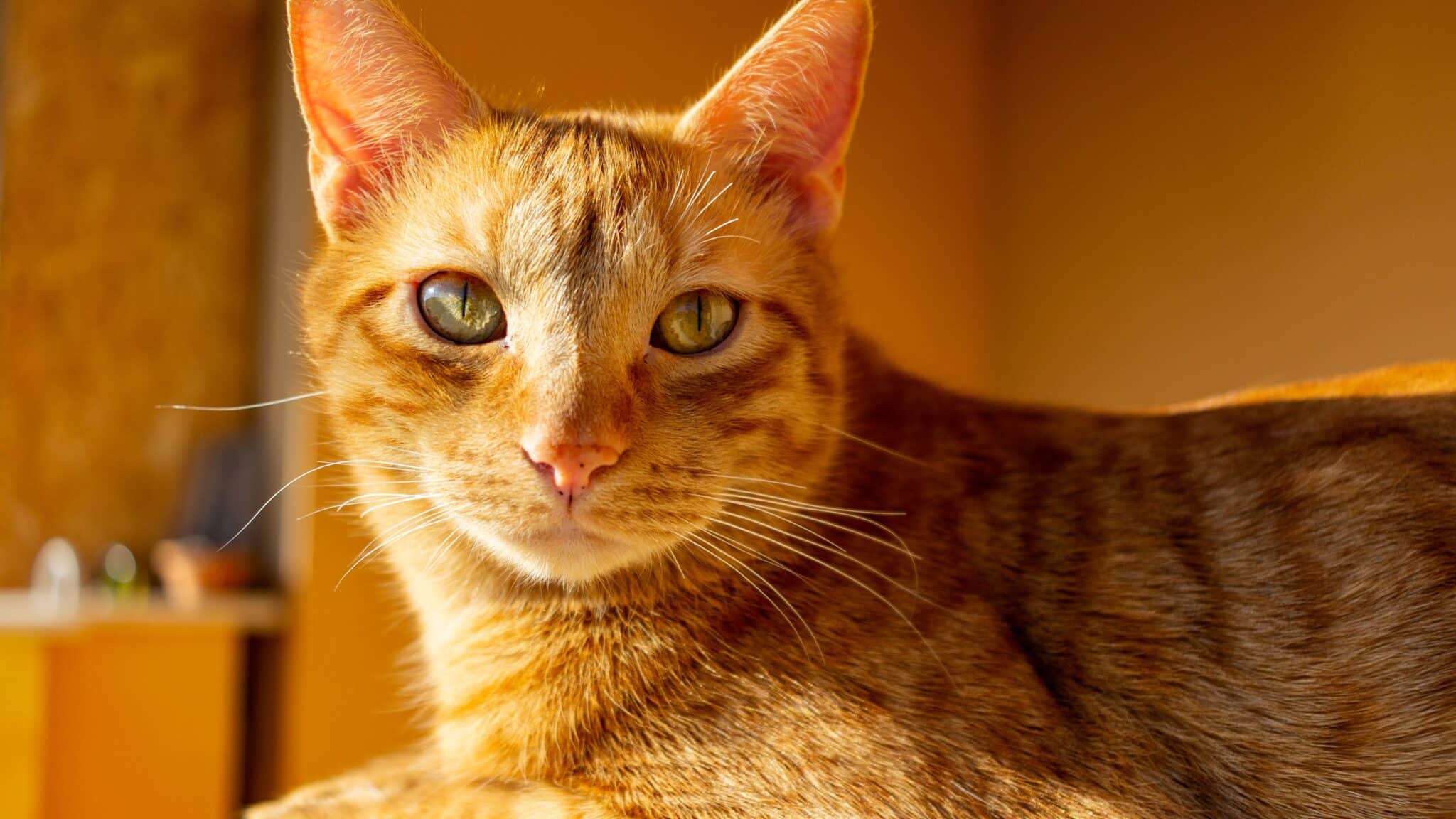
According to veterinarian Dr. Carlos Gutiérrez, a startling biological truth hides in plain sight on nearly every orange cat: every single orange cat is, by definition, a tabby. Even when a cat’s coat appears to be a solid, unbroken shade of copper or gold, microscopic and macroscopic pigment patterns dictate the presence of stripes, swirls, and agouti hairs.
This deep dive explores the fascinating intersection of genetics and behavior that defines the orange cat. Backed by recent breakthroughs from institutions like Stanford Medicine and the University of California, Davis, we examine why orange coats refuse to be solid, why approximately 80% of these cats are male, and how human bias shapes our perception of feline personality. Far from being a simple domestic pet, the orange cat is a living masterclass in mammalian genetics.
Detailed Chronology and Scientific Discovery of the Orange Coat
The journey toward understanding why orange cats look and behave the way they do spans decades of genetic research, culminating in modern molecular breakthroughs. To appreciate how the orange tabby became a genetic outlier, we must trace how scientists unraveled the code of feline pigmentation.
Early Genetic Understandings (Mid-to-Late 20th Century)
For generations, cat fanciers and early geneticists recognized that orange coloration—known scientifically as phaeomelanin—was unique. Unlike black or brown fur, which relies on eumelanin and can be heavily masked or modified by various suppression genes, the orange mutation behaved differently.
By the late 20th century, genetic mapping confirmed that the gene responsible for orange fur (designated conventionally as the O gene or Orange locus) was carried exclusively on the X chromosome. This discovery immediately explained the heavily skewed gender ratio: because females possess two X chromosomes ($XX$) and males possess only one ($XY$), the pathway to manifesting a fully orange coat required different mathematical probabilities for each sex.
The UC Davis Insights on Tabby Dominance
As genetic laboratories like the UC Davis Veterinary Genetics Laboratory refined their understanding of feline coat patterns, researchers illuminated a peculiar quirk of the orange pigment. In non-orange cats—such as black or blue felines—agouti signaling proteins and tabby suppression genes can effectively render a coat solid, hiding the underlying "tabby" mackerel or classic pattern completely.
However, the genetic pathway producing phaeomelanin fails to interact cleanly with these suppression genes. Consequently, the underlying tabby pattern bleeds through. Even when selective breeding attempts to produce a "solid" orange cat, the biochemical nature of the pigment ensures that the ancient, ancestral wildcat stripes—the tabby pattern—remain stamped onto the fur.
The 20th-to-21st Century Shift in Behavioral Studies
Simultaneously, researchers began looking into whether these genetic oddities extended into behavioral traits. In the late 1990s and early 2000s, informal surveys and academic inquiries—such as a notable UC Berkeley study involving 189 cat owners—sought to quantify human perceptions of cat coats versus temperaments. While these early studies established a strong cultural consensus that orange cats were friendlier, science took years to decouple objective feline psychology from human projection.
The Stanford Medicine Breakthrough (2025)
A monumental leap forward occurred when researchers at Stanford Medicine published findings detailing the precise molecular mutation responsible for the orange feline phenotype. By isolating the genetic switches governing pigment distribution along the hair shaft, Stanford researchers mapped out exactly how the X-linked mutation alters cellular output during embryonic development. This 2025 revelation provided the definitive biological explanation for why male cats dominate the orange population: a single mutant X chromosome is enough to flip a male to ginger, whereas females must win a rare genetic lottery to inherit two.
Supporting Context & Metrics: Genetics, Demographics, and Anatomy
To truly understand the orange cat, one must look at the hard data governing its existence. The biology of the ginger feline is governed by specific metrics that set it apart from standard domestic cats.
The 4-to-1 Male-to-Female Demographic Ratio
Statistically, roughly 80% of all orange cats are male. The genetic mechanics behind this are straightforward yet fascinating:
Male Cats ($XY$): Because males inherit only one X chromosome (from their mother), if that X chromosome carries the mutant orange gene ($O$), the cat will be entirely orange.
Female Cats ($XX$): Females inherit two X chromosomes—one from each parent. To be a solid orange female, she must inherit the orange gene on both X chromosomes ($OO$). If she inherits one orange gene and one non-orange gene ($Oo$), she becomes a tortoiseshell or calico cat, displaying patches of black/brown alongside the orange.
Because inheriting two copies of a rarer X-linked gene is statistically less probable, orange female cats account for only about 20% of the total orange feline population.
Dr. Carlos Gutiérrez emphasizes that true solid orange cats do not exist in domestic populations. If you inspect an orange cat closely, you will almost always find:
The "M" Hallmark: A distinct, dark M-shaped marking stamped onto the forehead just above the eyes.
Facial Pinstriping: Delicate, eyeliner-like penciling radiating across the cheeks and framing the eyes.
Banded Appendages: Darker rings or bands wrapping around the legs and tail, reminiscent of wild ancestors.
Agouti Banding: Individual hairs feature alternating bands of dark and light pigmentation, an evolutionary trait designed for camouflage in tall grasses and woodlands.
Under harsh indoor fluorescent lighting, these patterns may blur together, tricking the human eye into perceiving a flat, solid ginger hue. However, exposure to bright natural sunlight reveals the intricate, labyrinthine patterns beneath.
Official Statements and Expert Perspectives
The scientific and veterinary communities view the orange cat not as a distinct breed, but as a fascinating convergence of pigmentation genetics and human folklore.
Dr. Carlos Gutiérrez notes:
"That adorable orange cat lounging on the couch might have a little secret hiding in plain sight. Nearly every orange cat is actually a tabby, even when their fur appears to be one solid shade of ginger. These subtle markings are just one reason these colorful cats are so fascinating, paired with a reputation for being exceptionally affectionate, playful, and wonderfully attached to their favorite people."
Addressing the widespread belief that orange cats possess distinct personalities—often described as laid-back, gluttonous, or exceptionally friendly—geneticists urge caution. According to data compiled by the UC Berkeley survey of 189 cat owners, owners overwhelmingly described their orange cats as friendly, social, and outgoing. However, researchers point out that these findings reflect human cognitive bias and anthropomorphism rather than biological inevitability.
The UC Davis Veterinary Genetics Laboratory corroborates this stance, stating that while the genetic mutation governs melanin production and coat structure, there is no direct genetic linkage between the X-linked phaeomelanin mutation and neural pathways governing temperament. A cat’s personality is a complex cocktail of early socialization, individual life experiences, maternal behavior, and environmental enrichment—meaning an orange cat can be a high-energy acrobat or a quiet introvert regardless of its golden coat.
Future Outlook: What Lies Ahead for Feline Genetics
As genomic sequencing becomes faster, cheaper, and more accessible, the study of domestic cat genetics is entering a golden era. What does the future hold for our understanding of the orange cat?
1. Precision Mapping of Pigment Suppression
While Stanford researchers successfully identified the primary mutation responsible for phaeomelanin expression, future studies will likely investigate the modifier genes that allow some orange cats to display stark, high-contrast mackerel stripes while others exhibit a hazy, blurred "red self" appearance. Understanding these modifier genes could unlock broader insights into mammalian pigment evolution.
2. Deconstructing Feline Behavioral Genomics
Behavioral researchers are moving beyond owner surveys. By utilizing large-scale DNA biobanking, scientists aim to determine whether coat color genes have minor pleiotropic effects—situations where one gene influences multiple, seemingly unrelated traits. While current evidence suggests coat color does not dictate personality, ongoing genomic studies will continue to test this hypothesis with unprecedented precision.
3. Conservation and Heritage of Domestic Phenotypes
As urban environments shift and breeding programs evolve, tracking the distribution of rare traits—such as the elusive orange female cat—provides population geneticists with valuable data regarding feline migration, human-mediated dispersal, and regional breeding patterns across the globe.
Conclusion
The orange cat is far more than a cozy household pet; it is a living monument to evolutionary persistence. From the hidden "M" stamped onto its forehead to the ancient tabby stripes that refuse to yield to modern breeding, the ginger cat carries the physical history of wild ancestors across millions of living rooms. Backed by cutting-edge genetic research from institutions like Stanford and UC Davis, we now understand the cellular mysteries that make these cats so distinct.
Whether your orange companion is an 80% statistical probability male demanding breakfast at dawn or a rare female lounging in a sunbeam, those faint stripes and rich ginger coats remind us of the enduring magic hidden within nature’s code. The next time an orange tabby curls up in your lap, take a moment to look closer—those ancient stripes have been whispering their evolutionary secrets to humanity all along.