
Executive Overview
As billowing plumes of smoke darken the skies and aggressive wildfires dominate headlines across the Pacific Northwest, public discourse naturally converges on the immediate trials of emergency response, community evacuation, and human safety. Yet, these recurring catastrophes force a harrowing, long-term question upon ecologists, policymakers, and rural residents alike: What happens after the ash settles and the flames are extinguished?
For conservation groups like Audubon and a diverse coalition of state and local partners, that stark question has driven years of rigorous, forward-thinking planning. Their mission: to build a durable, ecologically sound future for Washington’s shrub-steppe ecosystem—an irreplaceable, yet profoundly threatened, landscape that serves as the ecological lifeblood of the Columbia Plateau.
Historically marginalized in favor of forest and alpine conservation debates, the shrub-steppe is a semi-arid biome defined by native bunchgrasses, sagebrush, and a rich, specialized assemblage of wildlife. Today, this landscape faces an existential threat. Increasingly frequent, severe, and fast-moving wildfires are outpacing the natural capacity of the ecosystem to regenerate.
The turning point arrived during the devastating Labor Day fires of 2020, which catalyzed an unprecedented, cross-sector coalition. Recognizing that reactive firefighting alone could no longer protect these lands, stakeholders banded together to forge the Washington Shrub-Steppe Restoration and Resilience Initiative (WSRRI). Backed by a visionary 30-year strategy, this initiative fundamentally shifts Washington’s approach from emergency remediation to proactive, landscape-scale resilience. By prioritizing core habitat protection, strategic restoration, and collaborative private-lands stewardship, state agencies and conservationists are proving that economic sustainability and ecological preservation are not mutually exclusive—they are deeply intertwined.
Detailed Chronology: From Catastrophe to Collaboration
The Watershed Moment: The Labor Day Fires of 2020
To understand the urgency driving Washington’s current conservation landscape, one must look back to the historic Labor Day fires of September 2020. Driven by extreme weather conditions—high winds, low humidity, and tinder-dry vegetation—fast-moving blazes swept furiously across approximately 600,000 acres of fragile Columbia Plateau shrub-steppe habitat in a matter of 24 hours.
The ecological toll was catastrophic. The fires obliterated critical breeding, brooding, and nesting grounds for the Greater Sage-Grouse—a keystone indicator species whose population declines mirror the degradation of the shrub-steppe—as well as countless other migratory birds, mammals, and endemic reptiles. Furthermore, the blazes tore through rural agricultural communities, destroying multi-generational family farms, livestock, critical infrastructure, and rural livelihoods.
The sheer scale of the disaster exposed glaring vulnerabilities: a distinct lack of coordinated capacity for rapid post-fire recovery, fragmented land ownership, and an absence of long-term resilience planning tailored specifically to semi-arid ecosystems. Scientists and land managers surveying the scorched earth quickly realized that the natural fire-return intervals of the shrub-steppe had been dangerously compressed. Invasive annual grasses, such as cheatgrass, were moving into the burned zones, creating a vicious cycle where fire promoted cheatgrass growth, and cheatgrass, in turn, fueled even more frequent and intense fires. The ecosystem was trapped in a downward spiral.
Mobilizing a Movement: The Shrub-Steppe Proviso
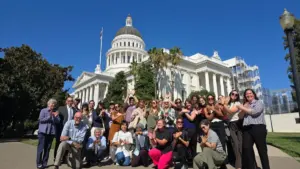
Refusing to accept this degradation as an inevitable fate, conservation organizations—led prominently by Audubon—pivoted from shock to strategic action. In the months following the 2020 disaster, Audubon worked tirelessly alongside state agencies, tribal nations, conservation districts, legislators, and local community members to advocate for vital investments in disaster recovery and long-term fire preparedness.
This grassroots and institutional coordination culminated in a major legislative push: the Shrub-Steppe Fire Recovery and Preparedness Proviso. By mobilizing a powerful coalition of more than 700 individual advocates and over 50 supporting organizations, the coalition demonstrated broad public backing for legislative intervention.
The campaign was a resounding success. It secured millions of dollars in critical state funding earmarked for emergency recovery, active ecological restoration, and wildlife-friendly infrastructure improvements. More importantly, this infusion of capital and political will laid the essential foundation for a unified, long-term operational framework: the Washington Shrub-Steppe Restoration and Resilience Initiative (WSRRI).
Transitioning to WSRRI
Launched in the wake of these funding victories, WSRRI represents a paradigm shift in land management across Eastern Washington. Spearheaded collaboratively by the Washington Department of Fish and Wildlife (WDFW), the Washington Department of Natural Resources (DNR), and the Washington State Conservation Commission (WSCC), the initiative transitions public agencies and private landowners away from reactionary crisis management and toward proactive, science-backed resilience.
Recognizing that fire is a natural, albeit increasingly volatile, component of the semi-arid landscape, WSRRI’s architects did not design a strategy to stop all fires. Instead, they built a 30-year roadmap designed to fortify the health, structural diversity, and ecological resilience of the shrub-steppe before catastrophic ignitions occur.
Supporting Context & Metrics: The Science of Survival
The Ecological Significance of the Shrub-Steppe
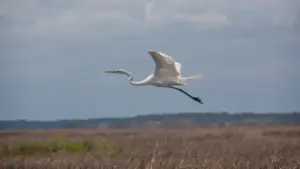
The Columbia Plateau shrub-steppe is often misunderstood as an empty, barren wasteland. In reality, it is a complex, biodiverse ecosystem home to hundreds of species of plants, birds, mammals, and insects that have evolved over millennia to thrive in arid conditions.
- Avian Biodiversity: The landscape provides vital habitat for imperiled bird species, including the Greater Sage-Grouse, Loggerhead Shrike, Sage Thrasher, and Brewer’s Sparrow.
- Carbon Sequestration: Though less discussed than temperate rainforests, healthy shrub-steppe soils and deep-rooted native bunchgrasses play a crucial role in capturing and storing carbon underground.
- Economic Drivers: The region sustains significant agricultural economies, including dryland farming and extensive cattle ranching, which depend on the health of the land for their long-term viability.
The Core Principles of WSRRI
The 30-year strategy underpinning WSRRI is anchored by five interconnected priorities that guide field-level implementation across millions of acres of mixed public and private land. This comprehensive vision is encapsulated in a simple, highly effective guiding mantra:
"Defend the Core, Grow the Core, Connect the Core."
- Defend the Core: Prioritize the immediate protection of the highest-quality, most intact remaining blocks of shrub-steppe habitat. These core areas serve as biological reservoirs, harboring resilient populations of native plants and wildlife that can recolonize surrounding landscapes following a disturbance.
- Grow the Core: Actively restore degraded, overgrazed, or fire-impacted lands. This involves aggressive weed management—particularly targeting invasive cheatgrass and medusahead—coupled with large-scale reseeding of native perennial grasses and sagebrush.
- Connect the Core: Enhance ecological connectivity across fragmented land ownerships. By establishing wildlife corridors and stepping-stone habitats, land managers ensure that animal populations can migrate, interbreed, and adapt to shifting climatic conditions without running into insurmountable barriers like agricultural fencing or housing developments.
Official Statements and Stakeholder Perspectives
The cross-sector coalition supporting WSRRI underscores a growing consensus: safeguarding Eastern Washington’s natural heritage requires unprecedented levels of public-private cooperation.
State resource managers have repeatedly emphasized that traditional, siloed approaches to land management are obsolete in the face of modern climate change and intensifying wildfire regimes.
"We cannot simply regulate our way out of the wildfire crisis, nor can state agencies manage this landscape in isolation," noted a joint briefing statement from participating natural resource agencies. "The survival of the shrub-steppe depends entirely on our ability to bridge the gap between public conservation goals and the economic realities of private landowners who steward the majority of these lands."
Audubon’s leadership has echoed this sentiment, highlighting the organization’s ongoing advisory role since 2021. By contributing specialized avian conservation expertise, Audubon has helped shape the spatial prioritization models and adaptive management frameworks that direct WSRRI funds where they are most urgently needed.
Furthermore, grassroots engagement remains a cornerstone of the initiative. Through programs like Audubon Conservation Ranching, conservationists are working hand-in-hand with working cattle ranchers. By implementing rotational grazing strategies that mimic historic bison migration patterns, participating ranches improve soil health, enhance native plant vigor, and create ideal structural cover for ground-nesting birds. In the western United States, this collaboration extends to technical assistance aimed at reducing wildfire risk through strategic fuels management, defensible space creation, and coordinated emergency preparedness planning.
These initiatives shatter the false dichotomy that conservation and economic productivity must be at war. Instead, they demonstrate that healthy working lands are often the most resilient buffers against environmental collapse.
Future Outlook: The Urgency of Sustained Action
As wildfires continue to scar Eastern Washington, they serve as a sobering, real-time reminder that the vulnerabilities facing the shrub-steppe are not distant, hypothetical threats. They are unfolding right now, threatening rural economies, native species, and human communities alike.
Yet, amid the smoke and uncertainty, there is measurable hope. Every single acre of intact shrub-steppe that receives protective status, every targeted restoration project completed, and every collaborative fire-preparedness workshop conducted incrementally lowers the systemic risk of future disasters.
However, long-term ecological restoration cannot survive on short-term funding cycles. The success of WSRRI’s 30-year vision hinges directly on consistent, predictable legislative backing.
How You Can Make a Difference
The future of the Columbia Plateau’s wildlife and rural communities depends on sustained political and financial commitment. Conservationists, scientists, and local residents are urging the public to take an active role in shaping the region’s trajectory.
You can help safeguard this irreplaceable landscape by joining the Audubon Action Network. Members receive timely updates and alerts when legislative action is required, enabling them to urge Washington state lawmakers to fully fund WSRRI in the upcoming biennial budget. Sustained, robust funding is the bedrock requirement that will keep Washington’s shrub-steppe resilient, vibrant, and alive for generations to come.