
Executive Overview
In the quiet, suburban rhythms of neighborhoods across the globe, the bond between humans and animals often goes unnoticed—a series of private kindnesses whispered in the rustle of backyard bushes, the opening of a can of food at dusk, or a warm porch light left burning through the night. Yet, every so often, the magnitude of these quiet acts ripples outward, leaving a permanent, institutional footprint that safeguards vulnerable populations for generations to come.
Such is the enduring legacy of John, a beloved social studies teacher, devoted husband, and fierce, unyielding champion of community cats. Driven by an innate, profound love for animals and inspired by the quiet stewardship of a neighbor, John spent decades feeding, protecting, and advocating for the stray and feral cats that wandered into his orbit. What began as backyard caregiving evolved into a lifelong philosophy of empathy—one that ultimately culminated in a visionary estate gift to Alley Cat Allies, the premier organization dedicated to protecting and improving the lives of cats globally.
This comprehensive feature explores the extraordinary life of John, whose journey from a man who mistakenly believed he was allergic to cats to a self-described "permissive cat daddy" encapsulates the transformative power of animal companionship. Through the heartfelt recollections of his wife of 42 years, Deb, we examine the rich tapestry of a life well-lived, marked by the classroom, endless dad jokes, community engagement, and an unwavering commitment to feline welfare. Furthermore, this article investigates the broader implications of planned giving, the critical importance of Trap-Neve-Return (TNR) methodologies, and how estate planning like John’s secures a safer, more humane future for countless cats and kittens worldwide.
Detailed Chronology: From Accidental Allergy to "Permissive Cat Daddy"
To truly understand the depth of John’s commitment to animal welfare, one must trace the chronological evolution of his relationship with felines—a journey that defies initial assumptions and deepens through decades of shared history.
The Misunderstood Allergy and the First Stray
For many years of his early life and marriage, John operated under the assumption that he was fundamentally incompatible with felines. Like many who have had limited exposure to animals, he believed a physical allergy barred him from experiencing the distinct joy of cat ownership. However, fate—often manifesting in the form of a hungry, determined stray—had other plans.
Approximately three decades ago, a stray cat materialized near John and Deb’s home. Unlike previous experiences that might have reinforced his perceived allergies, this particular feline took an immediate, undeniable shine to John. Defying medical expectations and personal hesitations, the cat’s persistence broke down the invisible barrier between species. John discovered not only that he could live harmoniously with a cat, but that he possessed a natural, magnetic affinity for them. This pivotal moment shifted his worldview, opening his heart to a lifelong ministry of caregiving.
The Era of "Puddy Cat" and Domestic Harmony
If the first stray cracked open the door to feline companionship, the arrival of a second stray twenty-five years ago swung it wide open. This new feline arrival coincided with a period of joyful domesticity and a touch of pop-culture whimsy.
Drawing inspiration from classic Warner Brothers animation—a reflection of his playful, joyful spirit—John named the newcomer Puddy Cat. Affectionately known as "Pud," this remarkable cat became a central figure in the household, anchoring the family through life’s myriad changes. Pud lived a long, pampered, and deeply loved life with John and Deb for sixteen and a half years, cementing John’s transition from a hesitant observer to an active, devoted cat guardian.
Decades of Community Stewardship
John’s compassion was not confined to the indoor comfort of his own home. Inspired by a neighbor who quietly tended to outdoor animals, John expanded his circle of care to include the broader community ecosystem. For decades, he assumed the mantle of protector for several neighborhood community cats.
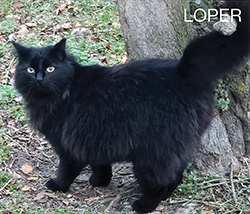
Rain or shine, heatwave or winter frost, John ensured these vulnerable animals were fed, monitored, and shielded from the harsh realities of street life. His approach was rooted in deep respect for their wild nature paired with an unyielding human responsibility to alleviate suffering. By the time of his passing, John’s immediate circle of feline charges included an indoor-outdoor cat named Gray, alongside four distinct community cats who relied on his daily grace: Miss Kitty, Sylvestra, Mini, and Loper.
Supporting Context & Metrics: The Philosophy of Planned Giving and TNR
John’s decision to include Alley Cat Allies in his estate plans places him within a vital vanguard of modern philanthropy: individuals who leverage planned giving to ensure their values outlive them. To appreciate the weight of his contribution, one must examine the mechanics of planned giving, the scale of Alley Cat Allies’ operations, and the science behind Trap-Neve-Return (TNR).
The Power of Bequests and Planned Giving
In the realm of animal welfare, operational funding is the lifeblood of advocacy, rescue, education, and legislative reform. While day-to-day donations sustain immediate rescue operations, planned gifts—such as bequests in wills, trusts, and designated beneficiary designations—provide long-term institutional stability.
Alley Cat Allies, recognized nationally and internationally as the leading voice for the protection of cats, relies heavily on the foresight of donors like John. Planned giving allows organizations to:
- Expand Legislative Advocacy: Fight against archaic, lethal animal control ordinances and enact progressive, non-lethal policies at local, state, and federal levels.
- Deploy Rapid-Response Veterinary Aid: Mobilize resources quickly during natural disasters, hoarding crises, or public health emergencies affecting animal populations.
- Scale Educational Initiatives: Empower grassroots activists, shelters, and everyday citizens with the knowledge, tools, and training required to implement humane population management.
By weaving Alley Cat Allies into his final estate documents, John ensured that his earthly stewardship would multiply exponentially, projecting his personal empathy onto a global stage.
Understanding Trap-Neve-Return (TNR)
At the core of modern community cat advocacy—and championed vigorously by organizations like Alley Cat Allies—is the practice of Trap-Neve-Return (TNR). For decades, traditional animal control approaches relied on catch-and-kill models, which proved not only inhumane but entirely ineffective at reducing community cat populations (a phenomenon known in ecology as the "vacuum effect").
TNR fundamentally alters this paradigm through a humane, science-based protocol:
- Trap: Community cats are humanely trapped using specialized, safe equipment by trained volunteers or caregivers like John.
- Neuter/Spay: The cats are transported to licensed veterinarians where they are spayed or neutered, vaccinated against rabies, and typically eartipped (the universal sign of a sterilized community cat).
- Return: After a brief recovery period, the cats are safely returned to their outdoor homes where they can live out their natural lives without contributing to population growth.
TNR stabilizes cat populations, eliminates nuisance behaviors associated with unspayed cats (such as howling and spraying), improves the overall health of the animals, and significantly reduces shelter intake numbers and euthanasia rates. Deb’s vocal support for TNR echoes the sentiments of veterinarians, animal behaviorists, and progressive shelters worldwide who recognize it as the single most effective tool for managing community cat populations.
Official Statements and Personal Remembrances
The portrait of John that emerges through the words of his wife, Deb, and the institutional tributes of Alley Cat Allies is one of uncommon warmth, intellectual curiosity, and boundless humor.
Deb’s Reflections: A Partnership of 42 Years
In a moving letter written in John’s memory, Deb reflected on their four decades together, offering a deeply human glimpse into the man behind the legacy.
"Interestingly enough, John thought for years that he was allergic to cats! Then 30 years ago, we had a stray show up and get attached to John," Deb shared, capturing the ironic twist that sparked a lifetime of advocacy.
Beyond his affinity for animals, Deb painted a vivid picture of a man deeply engaged with his community and his students. Professionally, John served as a dedicated social studies teacher. In the classroom, he was renowned not only for his pedagogical commitment but for his endearing, if groan-worthy, repertoire of "dad jokes."
"He was a consummate extrovert," Deb recalled, noting how his natural charisma enabled him to connect effortlessly with young minds, colleagues, and neighbors alike. Within the household, this extroverted warmth translated into a domestic style she affectionately termed being a "permissive cat daddy." Whether negotiating couch space with Puddy Cat or tending to the daily feeding routines of Miss Kitty, Sylvestra, Mini, and Loper, John approached his feline relationships with infinite patience and indulgence.
When speaking on his final decision to support Alley Cat Allies through his estate, Deb expressed profound alignment with the organization’s mission:
"I am grateful that organizations like Alley Cat Allies exist."
Institutional Recognition from Alley Cat Allies
Representatives from Alley Cat Allies have formally recognized John’s profound contribution, noting that bequests of this nature form the bedrock of sustainable animal defense. By choosing to formalize his love for cats in his estate planning, John joined a dedicated community of visionaries who refuse to accept a world where vulnerable animals are marginalized or mistreated.
His legacy serves as a call to action—an invitation for other animal lovers to examine how their own life’s work and resources can be marshaled to protect the voiceless.
Future Outlook: Perpetuating a Legacy of Empathy
As we look toward the future of animal advocacy, the story of John and Deb serves as both an inspiration and a blueprint. It demonstrates that systemic change in animal welfare does not exclusively originate in corporate boardrooms or legislative chambers; frequently, it begins on a backyard porch, born from the simple, radical act of feeding a hungry cat.
The Ripple Effect of Planned Giving
The challenges facing community cats—ranging from municipal overreach and lack of veterinary access to misinformation regarding public health—require robust, well-funded institutional responses. Bequests like John’s ensure that organizations such as Alley Cat Allies possess the financial resilience to meet these challenges head-on in the decades to come.
As public awareness surrounding TNR and humane education continues to expand, the infrastructure supported by planned gifts will play a decisive role in shifting cultural norms. The goal remains clear: a world where every cat is valued, protected, and permitted to live a safe, healthy life, whether in a loving indoor home or within a cared-for community cat colony.
How You Can Join the Movement
John’s journey proves that it is never too late to discover a love for animals, and no act of kindness is too small to leave a permanent mark. For individuals inspired by John’s story who wish to make a lasting, lifesaving impact for cats and kittens worldwide, numerous avenues for contribution exist:
- Direct Contributions: Immediate support can be provided by visiting alleycat.org/Donate.
- Planned Giving and Bequests: To follow in John’s footsteps and secure a humane future through a bequest or planned gift, supporters can visit alleycat.org/PlannedGiving or scan the organization’s dedicated planned giving QR code.
- Charitable Solicitations: For federal employees and military personnel, Alley Cat Allies participates in the Combined Federal Campaign under CFC #10964 (EIN #52-1742079).
- Direct Inquiries: For personalized assistance regarding planned gifts and estate planning, Alley Cat Allies maintains a dedicated support line at 866-309-6207.
Conclusion
John’s life was defined by education, extroverted joy, and an expanding circle of compassion that ultimately embraced every stray and community cat he encountered. Though he is no longer filling outdoor feeding bowls with his own hands, his spirit lives on—not only in the contented purrs of Gray, Miss Kitty, Sylvestra, Mini, and Loper, but in the countless feline lives that will be saved, sheltered, and protected across the globe through his visionary legacy. In honoring John, we are reminded of our shared responsibility to care for the vulnerable, proving that love, once awakened, knows no bounds.