To the average commuter navigating a bustling airport terminal, the patrons of a packed metropolitan restaurant, or shoppers weaving through a chaotic holiday mall, the environment is a sensory labyrinth of flashing lights, abrasive noises, sudden movements, and overwhelming smells. For many humans, these high-stimulation zones trigger profound stress and sensory overload. Yet, amidst the chaos, service dogs move with an aura of absolute serenity, laser-like focus, and unwavering poise.
This remarkable composure is far from a happy accident of canine temperament; it is the culmination of years of deliberate, scientifically backed breeding, intensive socialization, and meticulous public access training. Service dog public access training is the rigorous discipline that bridges the gap between a talented dog and an indispensable, legally recognized medical aid. While task training equips a canine with the specific mechanical skills required to mitigate a disability—such as retrieving dropped items, bracing for mobility support, or providing deep pressure therapy—public access training dictates how the dog behaves while executing those duties in the shared spaces of modern society.
Under the Americans with Disabilities Act (ADA), a service animal must be individually trained to do work or perform tasks for the benefit of an individual with a disability. This vital distinction separates true working service animals from emotional support animals (ESAs), whose therapeutic value stems primarily from companionship rather than specialized, task-oriented labor in public spaces. Preparing a canine for this level of public integration requires navigating a gauntlet of real-world environments, systematic distraction-proofing, and comprehensive behavioral evaluations. This report explores the chronological development, complex methodologies, institutional frameworks, and future horizons of public access training as practiced by leading organizations like Dogs Inc.
Detailed Chronology: The Lifecycle of a Working Service Dog
The transformation of a newborn puppy into a steady, reliable public service partner is a multi-stage marathon spanning upwards of two years. Each phase builds deliberately upon the last, taking a canine from basic neurological stimulation to the zenith of professional reliability.
Phase 1: Early Neurological Stimulation and Neonatal Development (Weeks 0–8)
The journey begins before a puppy even opens its eyes. In the critical neonatal window, professional breeding and training organizations introduce Early Neurological Stimulation (ENS) protocols. Breeders manipulate the puppies in minor ways—changing their posture, exposing them to mild thermal shifts, and handling their paws—to stimulate the neurological system. This early intervention improves cardiovascular performance, strengthens heart rates, enhances adrenal gland output, and bolsters stress tolerance later in life.
Phase 2: The Puppy Raiser Partnership and Environmental Socialization (Months 2–14)
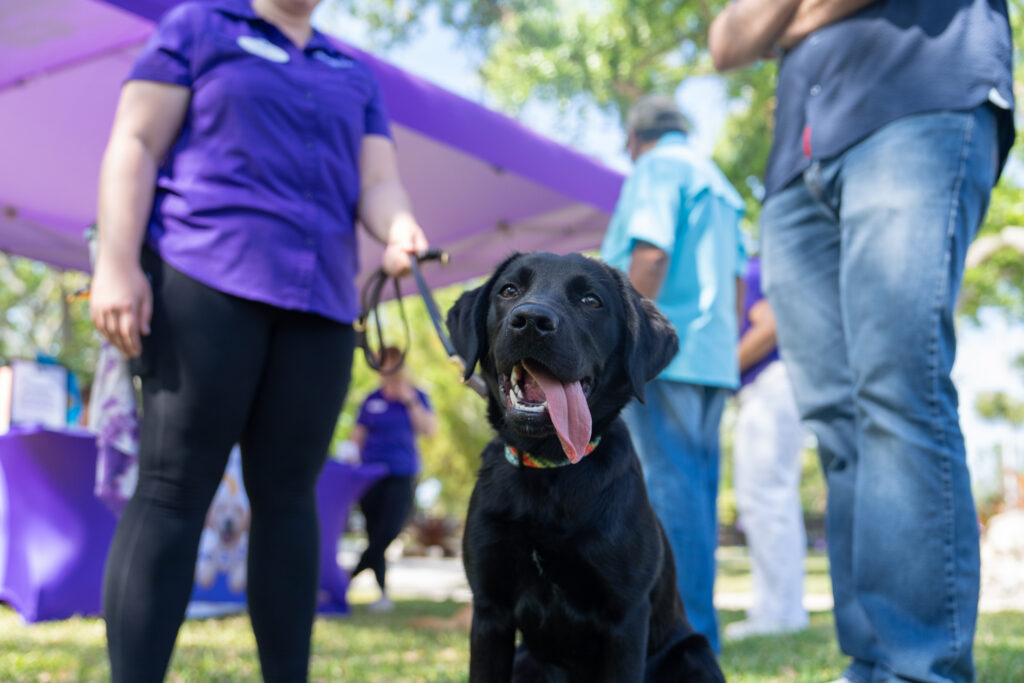
Once weaned, future service dogs are placed with dedicated volunteer puppy raisers. This foundational period focuses heavily on socialization. Rather than isolating the young dog, raisers introduce them to a diverse cross-section of society: grocery stores, office buildings, public parks, outdoor street festivals, and public transit systems.
During this phase, breeds traditionally prized for their stable temperaments, high emotional intelligence, and eager-to-please work ethics—predominantly Labrador Retrievers and Golden Retrievers—are systematically exposed to novel sights, sounds, and textures. They encounter slick commercial floors, rattling shopping carts, roaring city buses, and passing children. Importantly, all of this is mediated through positive reinforcement. Instructors and raisers avoid flooding the dog with fear; instead, they reward curiosity and resilience, fostering a deep-seated confidence that prevents future panic responses in public spaces.
Phase 3: Advanced Task Integration and Public Proofing (Months 14–18)
Upon returning to the central training facility from their puppy raisers, young adult dogs enter the advanced training wing. Here, specialized task training is layered directly on top of their established obedience and public manners. If a dog is destined to become a post-traumatic stress disorder (PTSD) service dog, it learns to recognize the physiological precursors of an impending panic attack, practicing tactile grounding techniques and deep pressure therapy. If it is a mobility support dog, it refines its bracing, pulling, and retrieving mechanics.
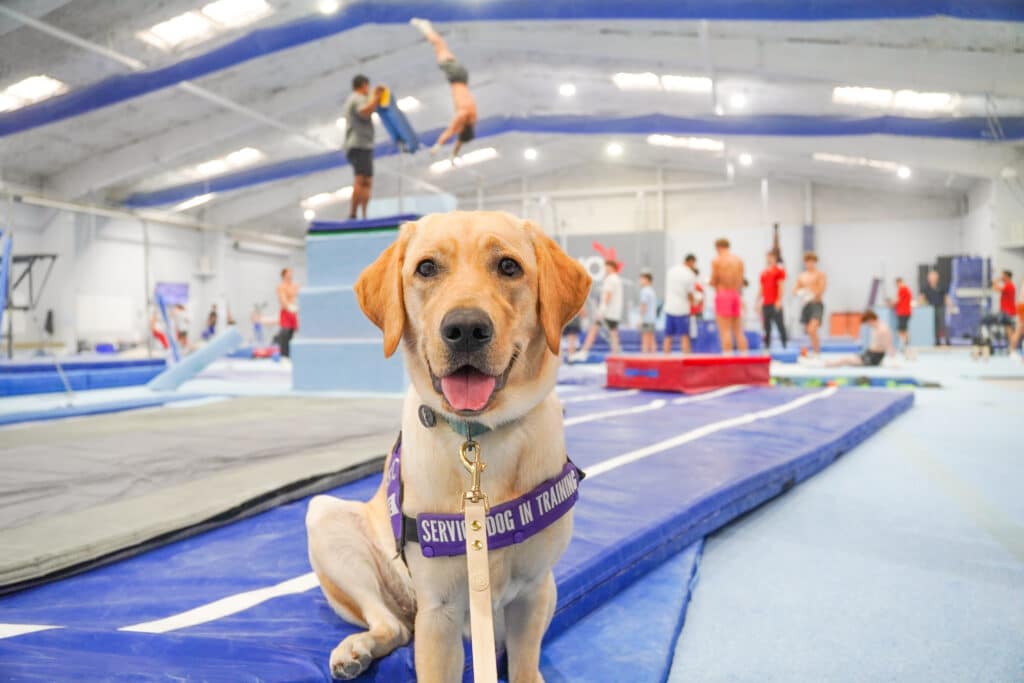
Crucially, these tasks are not practiced in sterile, distraction-free kennels. They are immediately taken "on the road." Trainers introduce the dogs to high-stakes environments—busy airport terminals during peak holiday travel, tight-fitting restaurant booths surrounded by food aromas, and congested sporting venues—to test whether the dog can execute its life-saving duties while ignoring the surrounding tumult.
Phase 4: Formal Public Access Certification and Placement (Months 18–24+)
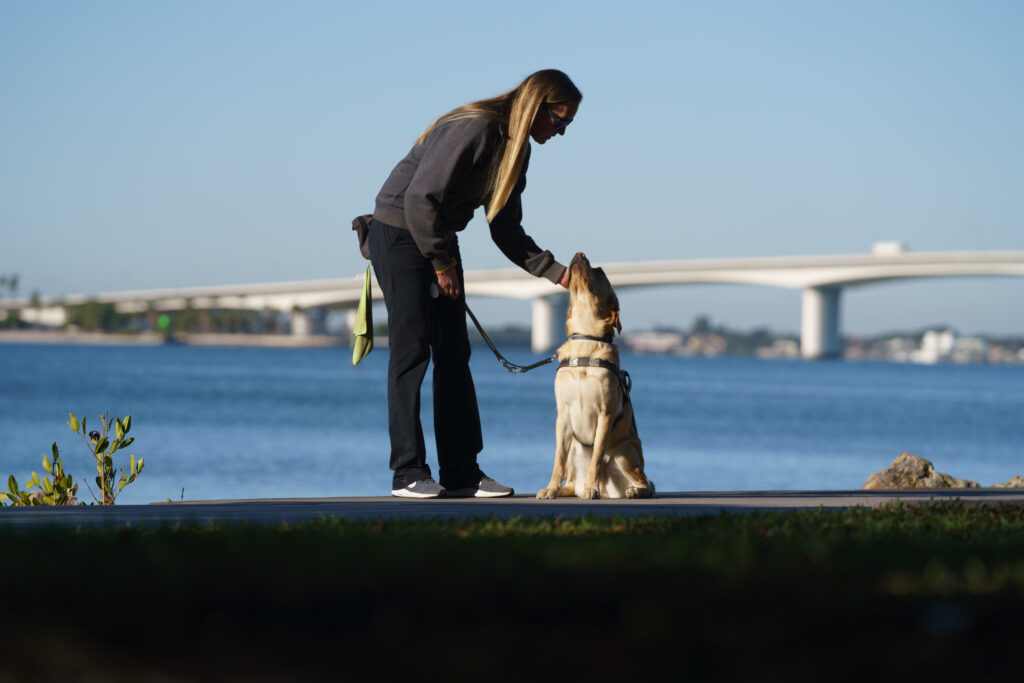
Before a dog is certified and matched with a disabled handler, it must pass rigorous public access evaluations. Independent evaluators test the dog’s ability to heel reliably on a loose leash, ignore dropped food, remain utterly quiet and hidden under restaurant tables for extended periods, and recover instantly from startling noises like dropped metallic objects or sudden airhorn blasts. Once these milestones are met, the handler arrives for team training, where human and canine learn to function as a singular, cohesive unit in the public sphere.
Supporting Context & Metrics: The Realities of Public Access Environments
To appreciate the scale of public access training, one must examine the specific environments that test a dog’s psychological endurance. Training cannot occur exclusively in controlled classroom settings; it requires systematic immersion into three distinct high-stress zones.
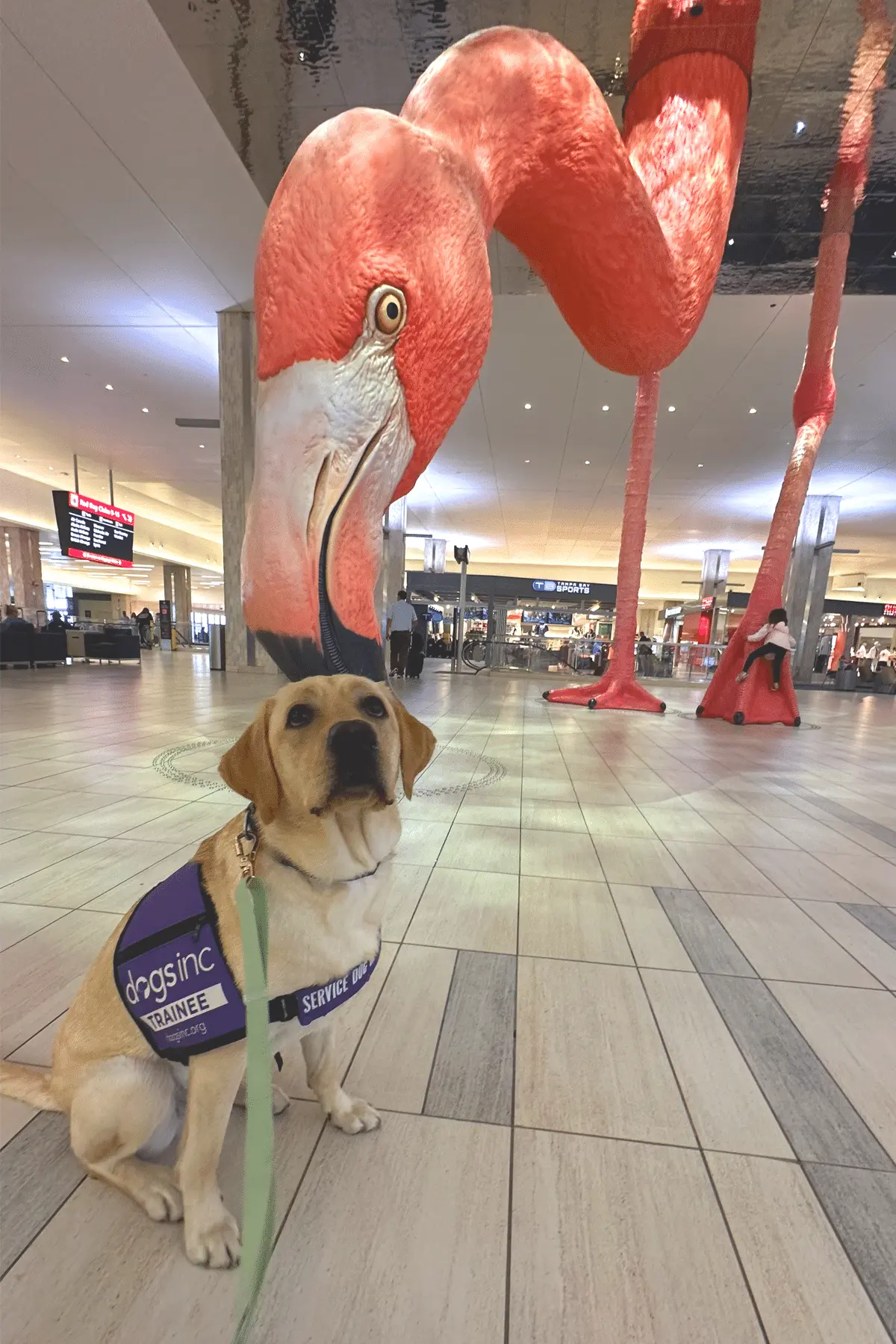
Airports represent one of the most intellectually and sensorially demanding environments for a working dog. Service dog airport training exposes candidates to roaring jet engines, chaotic security checkpoints with rolling luggage and metal detectors, echoing overhead public address announcements, automated moving walkways, and dense crowds of rushing travelers. Dogs must learn that these stimuli are environmental white noise. They must navigate jet bridges, sit calmly in tight aircraft seating rows, and maintain focus through hours of transit delays without exhibiting signs of stress or behavioral displacement.
2. The Culinary Test: Restaurant Training
Restaurants present a wholly unique physiological and psychological temptation: food. Surrounded by rich culinary aromas, dropped crumbs, closely spaced tables, and waiters weaving past with heavy trays, a service dog must demonstrate exceptional impulse control. Restaurant training requires dogs to execute a "settle" command—typically tucking themselves completely out of the main walkway, usually beneath a table or chair—and remaining motionless and quiet for the entire duration of a meal, sometimes lasting well over an hour.
3. The Sensory Storm: Crowded Public Spaces
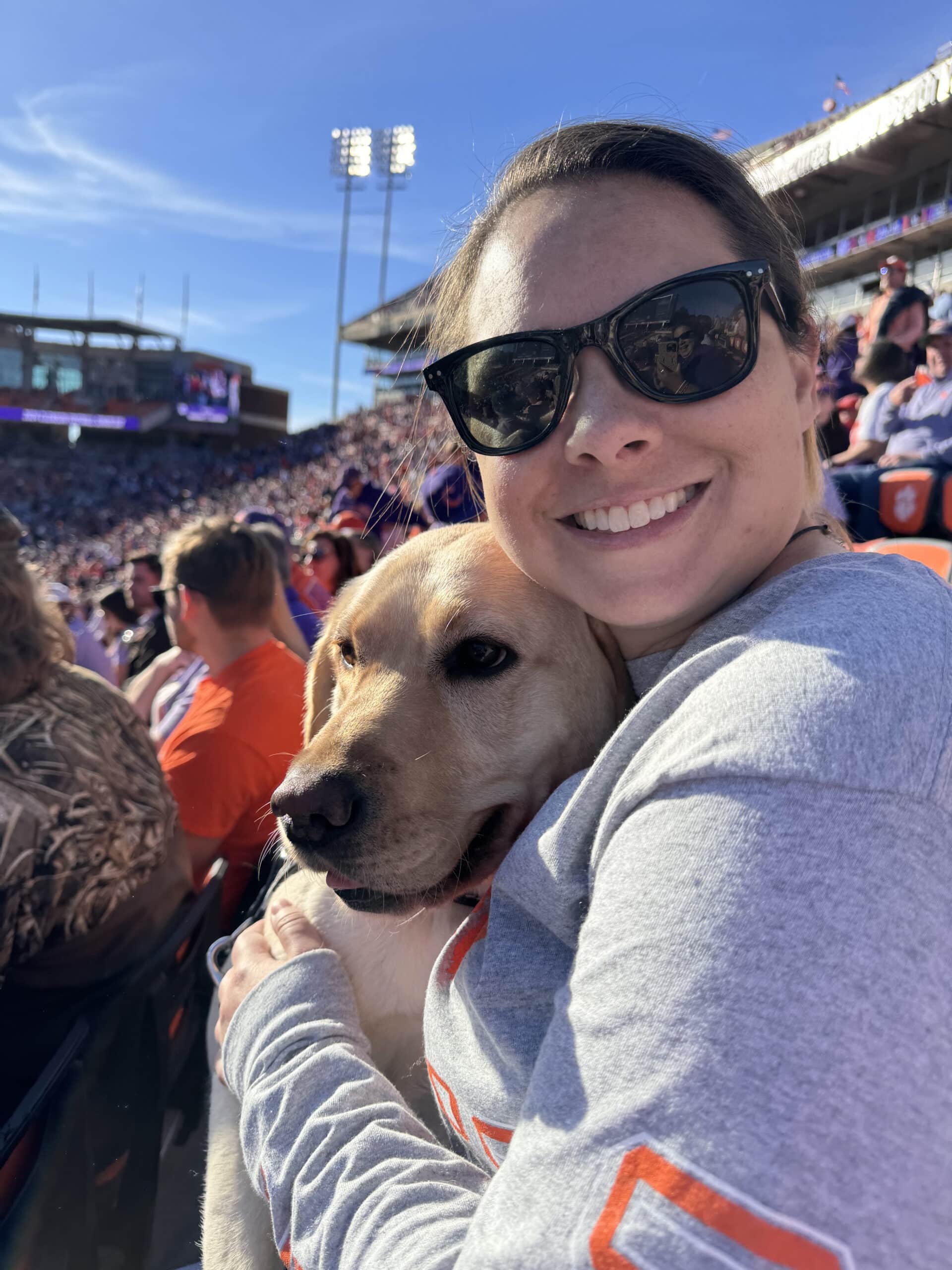
Shopping centers, amusement parks, and community festivals serve as testing grounds for crowd dynamics. Here, dogs encounter unpredictable human behavior: running children, erratic bicyclists, flashing storefront displays, and interactions with pet dogs (which the service dog must learn to completely ignore, even if the pet acts aggressively or lunges).
Official Statements and Industry Insights
The philosophy underpinning modern service dog training emphasizes humane, scientifically validated methodologies centered on positive reinforcement. Leading organizations and behavioral experts underscore that true working reliability cannot be beaten or forced into an animal; it must be carefully cultivated.
"The confidence you witness in a fully certified service dog is never accidental," notes a senior master trainer at Dogs Inc. "It is the architectural byproduct of thousands of micro-interactions where the dog chose engagement and focus over distraction, and was met with enthusiastic positive reinforcement. We are not breaking a dog’s spirit; we are building its emotional armor through controlled, positive exposure."
Behavioral scientists specializing in working canines echo this sentiment, emphasizing that public access training relies heavily on developing a dog’s generalization skills. A dog may perform a "down-stay" effortlessly in a quiet living room, but teaching that same dog to execute a down-stay on a slick, echoing airport tile floor while a baggage cart rattles past requires systematic, incremental increases in environmental difficulty.
Furthermore, legal and institutional standards—such as those outlined by Assistance Dogs International (ADI) and referenced in federal accessibility legislation—make a sharp distinction between public access credentials and mere pet ownership. Official guidelines insist that public access rights granted under the law carry a reciprocal responsibility: the service animal must remain under absolute behavioral control at all times. If a service dog growls, lunges, relieves itself inappropriately, or displays persistent anxiety in public, it legally forfeits its public access status, highlighting just how critical exhaustive training and evaluation are to the integrity of the entire working dog community.
Future Outlook: Innovations and Evolution in Service Work
As societal landscapes shift, the demands placed upon service dogs and the methodologies used to prepare them continue to evolve. Several key trends are shaping the future of public access training:
1. Data-Driven Behavioral Profiling
Emerging training frameworks are increasingly incorporating biometric and behavioral tracking during the puppy-raising and training phases. By monitoring heart rate variability, recovery times after startle tests, and cognitive problem-solving speeds, trainers can predict with greater accuracy which dogs possess the genetic resilience required for high-stress public access work, reducing dropout rates and optimizing resource allocation.
2. Expanding Access Recognition and Public Education
Despite legal protections like the ADA, misunderstandings regarding service animals and public access remain widespread. Future training paradigms increasingly prepare handlers not just to manage their dogs, but to advocate for themselves in commercial spaces. Simultaneously, organizations are investing heavily in public education campaigns to curb the fraudulent representation of pets as service animals, safeguarding genuine service teams from interference and prejudice.
3. Diversification of Working Roles
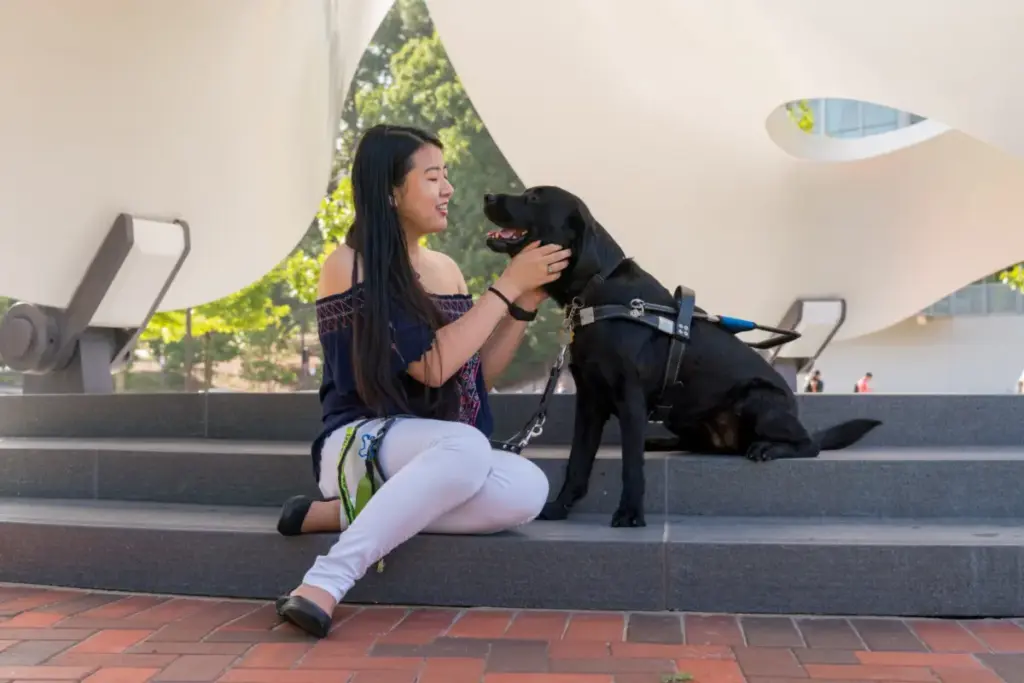
While traditional guide work for the visually impaired and mobility support remain staples of the industry, public access training is continually adapting to complex invisible disabilities. PTSD service dogs, medical alert dogs for conditions like autonomic nervous system disorders, and autism assistance dogs require nuanced public access protocols that balance discretion with immediate, life-saving intervention in crowded public venues.
Conclusion
The serene, focused service dog gliding through a crowded airport terminal or quietly resting beneath a restaurant table is the final product of an extraordinary journey. It is a journey built on early neurological preparation, the dedication of volunteer puppy raisers, rigorous task-specific conditioning, and uncompromising public access evaluations. Through this meticulous process, organizations like Dogs Inc transform promising canines into confident, reliable partners. The result transcends mere obedience; it forges an unbreakable, life-changing bond of trust and independence that empowers individuals with disabilities to navigate the world on their own terms.