
Executive Overview
When a calm, impeccably focused dog walks through a bustling grocery store, sits quietly in a crowded airport terminal, or accompanies a handler onto public transit, it is entirely natural for onlookers to feel a wave of warmth. Service dogs possess a serene demeanor, an attentive posture, and a friendly look that naturally invites affection. It is tempting to offer a quick scratch behind the ears, whisper a gentle “good boy,” or toss a friendly greeting their way.
However, beneath that approachable exterior lies a highly specialized, working professional.
While the public’s impulse to interact stems from kindness and a universal love for animals, the golden rule of assistance animal etiquette is clear: do not interact with a working service dog. Understanding proper service dog protocol is not merely a matter of canine manners; it is a vital public safety measure. A momentary distraction can disrupt a dog’s concentration, potentially compromising the safety, medical stability, and independence of the person relying on them.
This comprehensive report examines the legal definitions, psychological and physical impacts of public distraction, established etiquette for businesses and children, and the broader societal importance of respecting the boundary between pets and working partners.
Detailed Chronology & Evolution of Service Dog Integration
The integration of service animals into modern society has evolved dramatically over the last century, transforming from an informal practice into a heavily codified legal and civil rights framework.
The Early Decades: From Specialized Guides to Universal Access
- Post-World War I Origins: The formal modern service dog movement began in Europe following World War I, where German Shepherd trainers established organized schools to provide seeing-eye dogs for blinded veterans. This concept was successfully imported to the United States in the late 1920s by pioneers like Dorothy Harrison Eustis.
- Mid-20th Century Expansion: For decades, the presence of assistance dogs was almost exclusively limited to guide dogs for individuals with visual impairments. Public accommodations were frequently unaccustomed to animals indoors, requiring individual handlers to advocate constantly for basic entry.
- The 1970s and 1980s Broadening: As training techniques advanced, the utility of working dogs expanded. Organizations began training dogs to assist individuals with physical mobility challenges—retrieving dropped items, pulling wheelchairs, and opening heavy doors.
The Legislative Turning Point: The Americans with Disabilities Act (ADA)
- July 1990: The landscape of public access shifted permanently with the signing of the Americans with Disabilities Act (ADA). Title III of the ADA established federal mandates requiring state and local governments, businesses, and non-profit organizations to allow service animals to accompany people with disabilities in all areas where the public is normally allowed to go.
- Evolution of Task Training: Over subsequent decades, federal guidelines clarified the critical distinction between pets, emotional support animals, and fully trained service dogs. The legal standard evolved to emphasize individual task performance—meaning the animal must be specifically trained to do work or perform tasks directly related to the handler’s disability.
- Modern Recognition of Invisible Disabilities: Today, the scope of service work includes psychiatric service dogs (PSDs) trained to assist individuals with Post-Traumatic Stress Disorder (PTSD), severe anxiety, or panic disorders, as well as medical alert dogs trained to detect drops in blood sugar, oncoming seizures, or cardiac episodes long before they manifest outwardly.
Supporting Context & Metrics: The Anatomy of a Working Partnership
To truly understand why public interference can be dangerous, one must examine the rigorous breeding, selection, and training pipeline that transforms a puppy into an elite working partner.
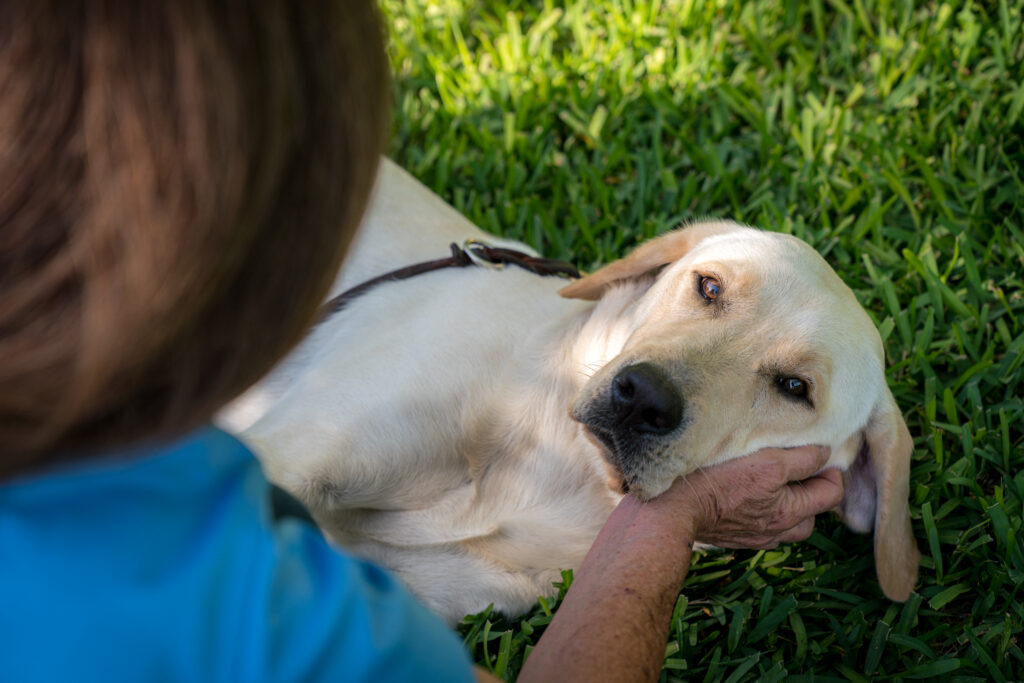
The Rigorous Journey of a Service Dog
Organizations such as Dogs Inc invest immense time, specialized expertise, and financial resources into each animal. Out of an initial cohort of puppies, only a fraction successfully complete the multi-year training program.
- Early Socialization: Puppies spend their formative months with volunteer puppy raisers, exposing them to varied sights, sounds, surfaces, and human interactions to build bulletproof confidence.
- Advanced Task Training: Adolescent dogs return to professional training facilities where they master specific mitigation tasks tailored to unique human needs—ranging from deep-pressure therapy during a panic attack to bracing for a handler with balance impairments.
- Team Matching: Once fully trained, the dog is matched with a handler during an intensive, weeks-long on-campus training program. The team must pass rigorous public access tests before graduating and earning full certification as a working unit.
Invisible Labor in Public Spaces
Many observers make the mistake of assuming that if a service dog is lying quietly under a restaurant table or standing motionless beside a shopping cart, it is "off duty" or simply resting. In reality, working dogs maintain a state of hyper-vigilance.
- Constant Monitoring: Medical alert dogs constantly sample the handler’s scent or monitor subtle physiological shifts.
- Environmental Scanning: Mobility and guide dogs continuously evaluate the surrounding environment for obstacles, sudden movements, or tripping hazards.
- Energy Expenditure: Maintaining this level of intense concentration in high-stimulus environments—such as airports, crowded stores, and noisy streets—is mentally exhausting for the animal. When a stranger interrupts this focus, the cognitive chain of command is broken.
Official Guidelines and Expert Insights
Advocacy groups, accessibility experts, and legal authorities uniformly emphasize that public education is the primary defense against well-meaning interference.

The Core Rule: Always Ask First
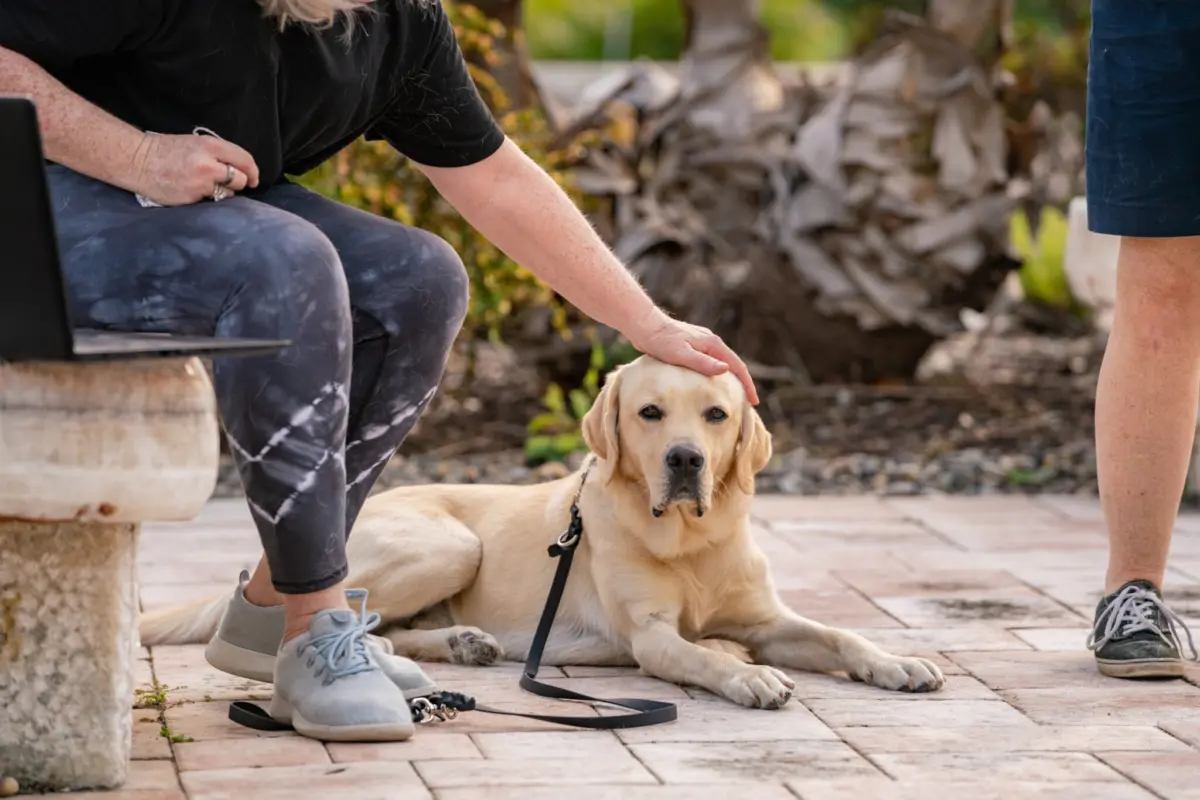
The definitive answer to the question “Can you pet a service dog?” is deceptively simple: always ask the handler first, and be prepared to accept a polite ‘no.’
"When people see a service dog, they notice how calm, focused, and friendly the dog appears. It’s natural to want to say hello or offer a treat. However, the best way to interact with a working service dog is usually not to interact at all." — Accessibility and Service Dog Training Advocates
Every service dog team operates under unique parameters. Some handlers may permit a brief interaction when the dog is strictly off-duty and resting at home. Others must maintain an unbroken working boundary 100% of the time to ensure the dog does not become complacent or distracted in public.
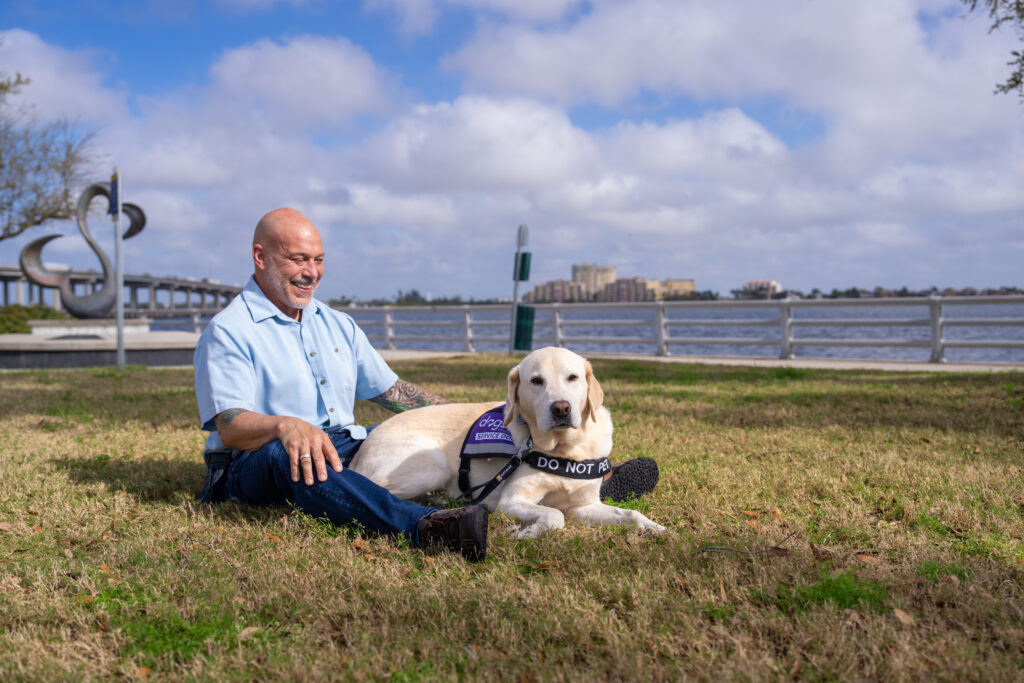
The "Talk to the Person, Not the Dog" Standard
Etiquette experts emphasize a fundamental shift in how the public should approach service dog teams:
- Direct Attention to the Handler: Address the human being, not the animal.
- Eliminate Audio/Visual Cues: Do not make kissing noises, whistle, wave hands, or call out to the dog.
- Withhold Food: Never offer scraps, table food, or dog treats under any circumstances. Feeding a working dog not only breaks its focus but can also endanger its health if the animal has specific dietary restrictions or allergies.
Future Outlook: Building a More Accessible and Aware Society
As public spaces become increasingly crowded and diverse, fostering a culture of informed empathy is essential for the integration of individuals with disabilities.
Education in Schools and Communities
The next frontier of service dog awareness lies in youth education. Children, driven by natural curiosity and a love for animals, are often the most likely to rush toward a working dog. By teaching children to admire working animals from a distance and explaining concepts of personal space and job duty at an early age, communities can cultivate lifelong habits of respect.

Business and Corporate Responsibilities
For retail stores, hospitality venues, healthcare facilities, and corporate offices, training staff on proper service dog etiquette ensures compliance with legal mandates while cultivating a genuinely welcoming atmosphere. Employees are taught to treat the handler with standard customer service respect while actively ignoring the animal—allowing the team to navigate the space unhindered.
Conclusion: A Little Respect Goes a Long Way
Service dogs are extraordinary catalysts for independence, granting individuals the freedom to travel, work, and live with unyielding confidence. They bridge the gap between isolation and community participation.
The next time you encounter a service dog team in your daily travels, take a moment to appreciate the silent, dedicated partnership unfolding before you. By respecting their workspace, withholding distractions, and always asking before approaching, you play an active role in supporting the safety, dignity, and autonomy of people living with disabilities.