
ion: The Unvarnished Realities, Rigorous Demands, and Profound Rewards of Raising a Future Service Dog
Executive Overview
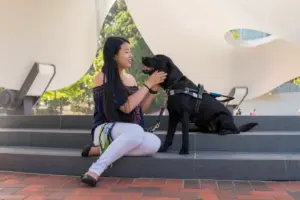
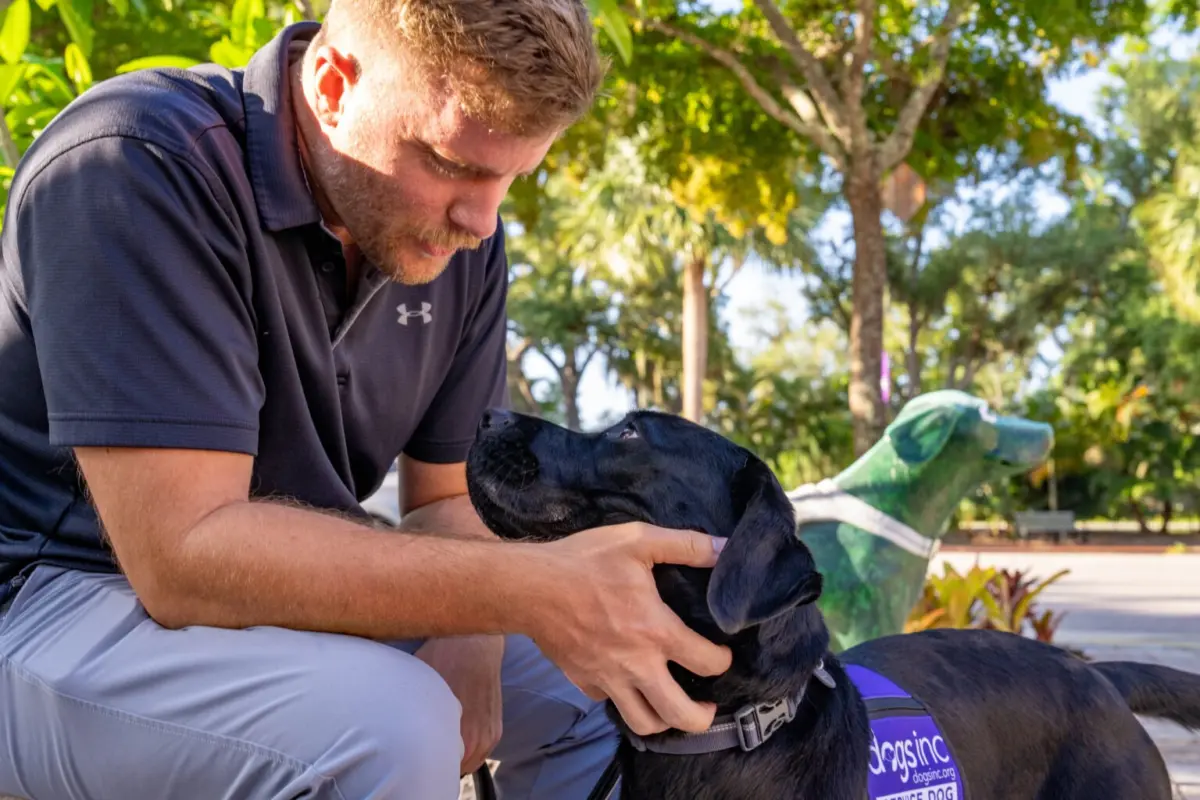
To the casual observer, the image of a volunteer walking a vest-clad puppy through a grocery store or bustling city center evokes an immediate sense of warmth, civic virtue, and heartwarming altruism. These future service dogs—destined to become lifelines for individuals with visual impairments, mobility challenges, or other profound disabilities—capture public affection wherever they go. Yet, beneath the serene surface of a dog calmly executing a "down-stay" in a crowded room lies a deeply demanding, emotionally complex, and relentlessly rigorous undertaking.
Raising a future service dog is not merely a hobby or an extended fostering assignment; it is an immersive, high-stakes commitment to shaping a living tool of independence. It requires unwavering structure, infinite patience, and a microscopic dedication to doing the small things right, day in and day out, for months on end.
Organizations like Dogs Inc shoulder the monumental task of breeding and placing these elite animals, but the critical foundational chapter of a service dog’s life occurs in the living rooms, kitchens, and neighborhoods of everyday volunteers. This comprehensive examination explores the unvarnished realities of puppy raising—navigating daily consistency, conquering unpredictable real-world environments, managing shifting behaviors, investing monumental amounts of time, confronting the emotional tax of eventual separation, and transforming an ordinary household into a 24/7 training crucible. Ultimately, while the path is fraught with challenges, it remains one of the most uniquely impactful volunteer endeavors a person can undertake.
Detailed Chronology: The Lifecycle of a Volunteer-Raised Puppy
Understanding the arc of a service dog’s early life illuminates why every phase of the volunteer-raising period carries such profound weight. The process is a meticulously timed sequence designed to transition a raw, instinct-driven puppy into a poised, professional working animal.
Phase 1: The Arrival and Foundational Imprinting (Approx. 8 Weeks Old)
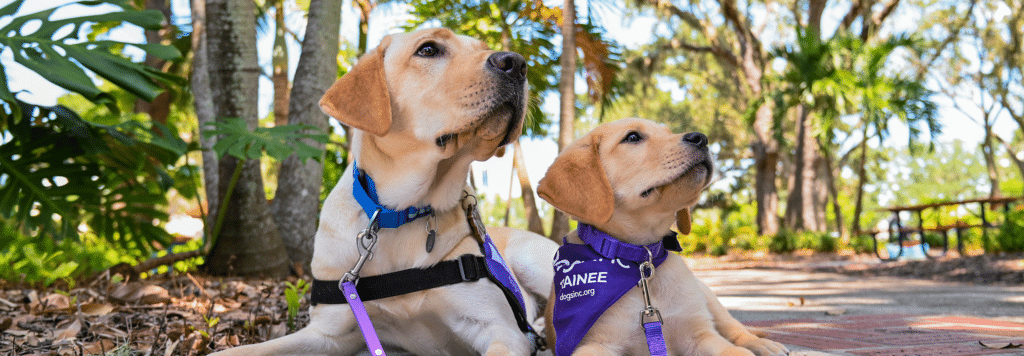
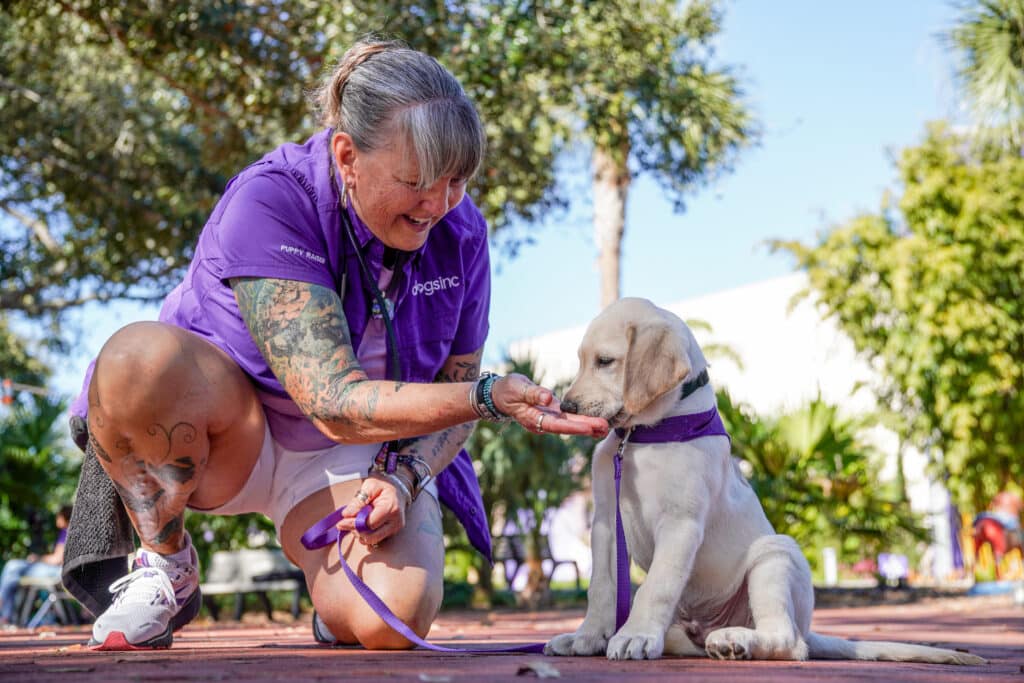
At roughly eight weeks of age, a puppy leaves its birthplace and enters the home of its volunteer raiser. At this stage, the puppy is a blank slate driven by basic biological needs, curiosity, and boundless energy. The immediate priorities are establishing domestic routines: house manners, crate training, and the introduction of foundational obedience cues like "sit," "stay," and loose-leash walking.
Volunteers are not expected to produce a fully trained service dog during this window. Instead, they serve as architects laying down structural concrete. Every interaction dictates how the puppy perceives humans, boundaries, and the domestic environment.
Phase 2: Active Socialization and Public Exposure (3 to 12 Months)
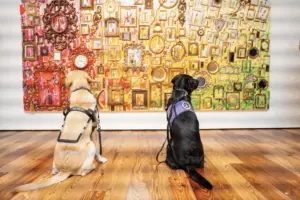
As the puppy grows physically and mentally, the scope of training expands dramatically beyond the front door. This middle period is characterized by intensive socialization. Volunteers introduce their pups in-training to a kaleidoscope of sights, sounds, textures, and environments—ranging from quiet suburban parks to bustling shopping malls, public transit systems, and noisy restaurants.
During this phase, the puppy learns how to process novelty without panicking, ignoring distractions such as dropped food, sirens, erratic movements, and well-meaning strangers attempting to pet them.
Phase 3: Adolescence and Behavioral Fine-Tuning (12 to 18 Months)
Just like human teenagers, service dogs in training hit adolescence, bringing a wave of hormonal shifts, independence-seeking behaviors, and occasional regressions in obedience. Cues that were once reliable may suddenly seem forgotten. Volunteers must lean heavily on patience and persistent repetition during this chapter, guiding the young dog through a period where progress is rarely linear.
Phase 4: Recall and Matriculation to Advanced Training (12 to 18+ Months)
The culmination of the puppy-raising journey arrives when the dog reaches physical and emotional maturity—typically between 12 and 18 months of age. The volunteer must return the dog to the central facility for advanced, formal, and professional training. This phase marks the end of the volunteer’s daily hands-on involvement and the beginning of specialized task training that aligns the dog with a specific recipient.
Supporting Context & Metrics: The Six Crucible Challenges of Puppy Raising
To fully grasp the magnitude of volunteering as a puppy raiser, one must dissect the specific operational and psychological hurdles that define the role. Organizations categorize these hurdles into six distinct operational pillars.
1. Consistency Every Single Day
Consistency is the bedrock of canine learning theory. A rule established on Monday cannot be broken on Tuesday without eroding the puppy’s understanding of boundaries.
- The Operational Reality: Basic cues must be reinforced during every waking hour—integrated seamlessly into morning walks, meal preparation, television viewing, and outings.
- The Household Dynamic: The training burden does not fall solely on one person. Every member of the household, including children and visiting guests, must adhere to identical commands, hand signals, and behavioral expectations. If one family member allows the puppy on the couch while another forbids it, confusion ensues, stalling progress and fracturing the animal’s reliability.
2. Training in Real-World Environments
A service dog cannot function in a vacuum; they must navigate a chaotic, unpredictable human world.
- The Environmental Variables: Public access work exposes puppies to startling noises, moving vehicles, slick flooring, and unexpected physical barriers.
- The Human Obstacle: Perhaps the most persistent challenge in public environments is human interference. Well-meaning citizens routinely ignore "Do Not Pet" vests or verbal requests, approaching the puppy with high-pitched voices and outstretched hands. The raiser must simultaneously manage the environment, protect the puppy’s focus, and politely educate the public—all while maintaining absolute composure.
3. Managing Distractions and Behavioral Regression
Progress in dog training is notoriously non-linear.
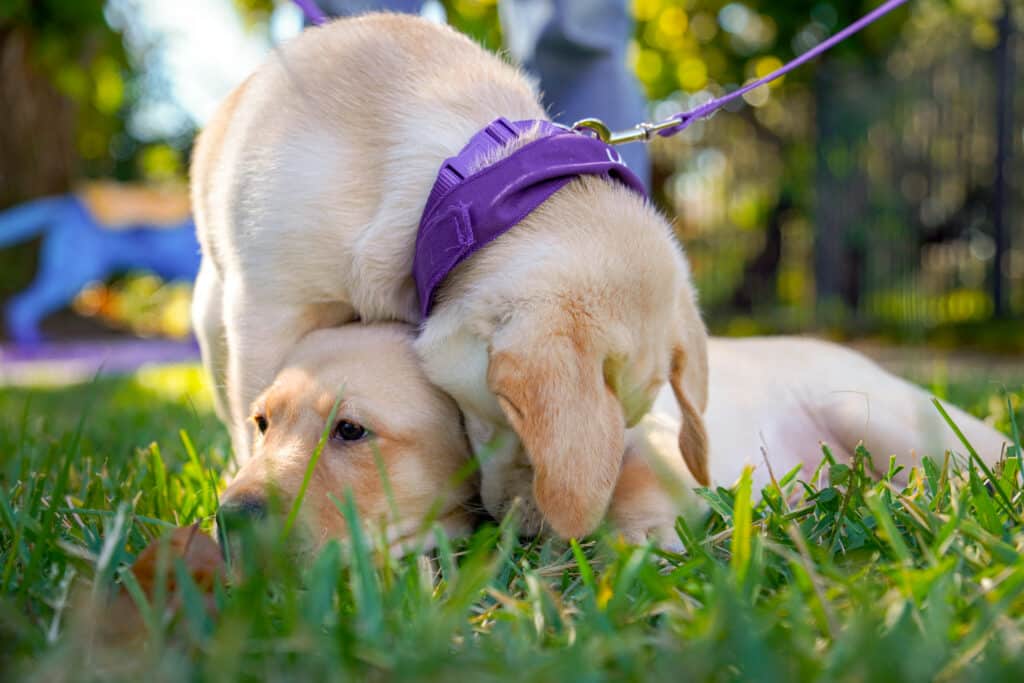
- The Two-Steps-Forward Dynamic: A puppy might execute a flawless loose-leash heel for a week, only to revert to pulling aggressively toward a squirrel or another dog the following Tuesday.
- The Cognitive Load: Raisers must constantly assess whether a setback stems from teenage boundary-pushing, environmental overload, or physical fatigue. The response requires nuanced redirection rather than harsh correction, demanding high emotional intelligence from the volunteer.
4. The Unrelenting Time Commitment
Puppy raising is a 24-hour responsibility that fundamentally alters a person’s lifestyle.
- Logistical Demands: Schedules must accommodate frequent bathroom breaks, structured feeding times, obedience drills, veterinary appointments, parasite prevention management, and socialization outings.
- The Schedule Pivot: While organizations typically cover veterinary expenses and medical care, the personal time investment cannot be outsourced. Raisers must modify their work routines, social calendars, and travel plans to ensure the puppy is never left neglected or improperly supervised.
5. The Emotional Toll: The Art of Letting Go
Perhaps the most frequently cited hurdle for new volunteers is the impending reality of separation.
- The Biological and Emotional Bond: Over the course of 12 to 18 months, oxytocin bonds deepen. The puppy becomes an integral family member, weaving itself into the daily emotional fabric of the home.
- Reframing the Loss: To survive this emotional crucible, raisers must undergo a profound cognitive reframing. They are not "giving up" a pet; they are loaning their love and labor to a greater mission. The heartbreak of saying goodbye is deliberately balanced against the vision of the dog ultimately granting a human being newfound freedom, safety, and independence.
6. Living as a Continuous Training Environment
When a service puppy moves in, the home ceases to be a private sanctuary and becomes a permanent training facility.
- Zero "Off" Switch: Raisers must maintain situational awareness at all times. Tools like crates are deployed strategically to enforce rest, structure, and emotional decompression, but the psychological vigilance required of the human handler rarely sleeps. Every movement, sound, and open door in the house becomes a teaching moment.
Official Statements and Organizational Perspectives
Organizations dedicated to producing elite working dogs emphasize that the success of their entire operational pipeline rests entirely on the shoulders of these domestic volunteers.
Industry leadership frequently highlights that professional trainers cannot replicate the rich, diverse socialization that a dedicated family home provides. A central facility can teach advanced mitigation tasks—such as retrieving dropped items, opening doors, or alerting to medical anomalies—but it cannot artificially generate the thousands of micro-interactions with children, household appliances, neighborhood cats, and fluctuating home schedules that a volunteer home offers naturally.
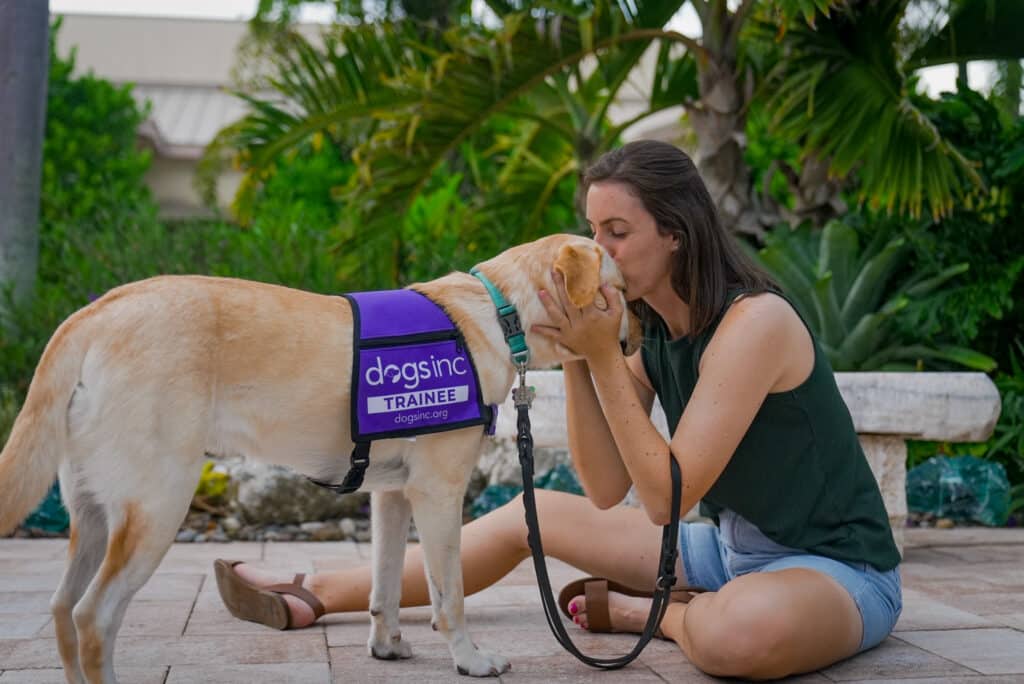
Furthermore, organizations underscore the robust safety net provided to volunteers. Recognizing the high demands of the role, institutions like Dogs Inc deploy a tiered support structure:
- Instructors and Area Coordinators: Professional trainers who provide continuous behavioral assessments, constructive feedback, and troubleshooting strategies.
- Peer Networks: Communities of veteran puppy raisers who share hard-earned wisdom, empathy, and practical survival tips.
- Respite Care (Puppy Sitting): Formal systems allowing raisers to occasionally step away for emergencies or short trips without breaking the consistency of the puppy’s routine.
Future Outlook: The Ripple Effect of a Single Puppy
As societal awareness regarding disability rights and accessibility expands, the demand for highly trained service dogs and guide dogs continues to outpace supply. The future of the service dog industry relies heavily on expanding the volunteer base—recruiting individuals, families, students, and retirees who possess the discipline and empathy required to shepherd these animals through their formative months.
The impact of a single puppy raiser extends far beyond the immediate household. When a volunteer successfully navigates the trials of consistency, public access, and emotional letting go, they ignite a powerful chain reaction. The dog they shaped transitions into advanced training, graduates, and is eventually placed with an individual trapped by the constraints of a medical condition or physical disability.
That dog becomes eyes for the blind, balance for the unsteady, and an unshakeable anchor against panic or trauma. The daily sacrifices made by the raiser—the interrupted sleep, the patient repetitions on suburban sidewalks, and the tearful goodbye at graduation—materialize into a lifetime of restored dignity and independence for a stranger.
For those pondering whether they possess what it takes to join this elite corps of volunteers, the journey begins with an introspective look at their schedule, their patience threshold, and their capacity to love deeply with an open hand. For qualified individuals, stepping forward to raise a future service dog offers a rare opportunity: the chance to participate in work that fundamentally alters the trajectory of another human life.